
Is Tea Acidic? 5 Non-acidic Alkaline Tea for You!

Medically reviewed by Christiana George Updated Date: January 2, 2026

Is tea acidic? A vital question for avid tea drinkers. Well, the answer is a bit complex because people drink various types of tea. Also, the level of acidic ingredients in tea varies in the types of tea and the preparation style. So, the answer depends on your tea and how you make your tea.
We will see if tea is acidic or not in this write-up as well as how to reduce the acidity in your tea. Because tea is love!
Did you know? Tea was invented when the Chinese emperor Shen Nung servant was boiling some water and some tea leaves blew into the water from the tree! Later Shen Nung experimented and now we have TEA!
Why is tea acidic or alkaline?
If you are one of those crazy tea lovers then you may wonder hearing that tea is mildly acidic. Tea has a pH ranging from 4.9 to 5.5 that confirms its acidic nature. Tea is one of the daily needs for most of us and acidic components in tea may grab your attention easily.
The oxidation process inside the tea leaves makes the tea acidic. Oxidation means loss of one electron from the living tissue substances which can make the content easily acidic. So, the more mature the leaves, the more acidic contents will grow in tea.
The tea has other health benefits that belong to its organic acid content. There are some unique organic acids and also some common names. These organic acids help to produce anti-inflammatory properties to protect the digestive system.
- Succinic acid
- Citric acid
- Isocitric acid
- Malic acid
- Oxalic acid
These are some of the major organic acids present in tea. Tea contains a variable amount of organic acid depending on its type.
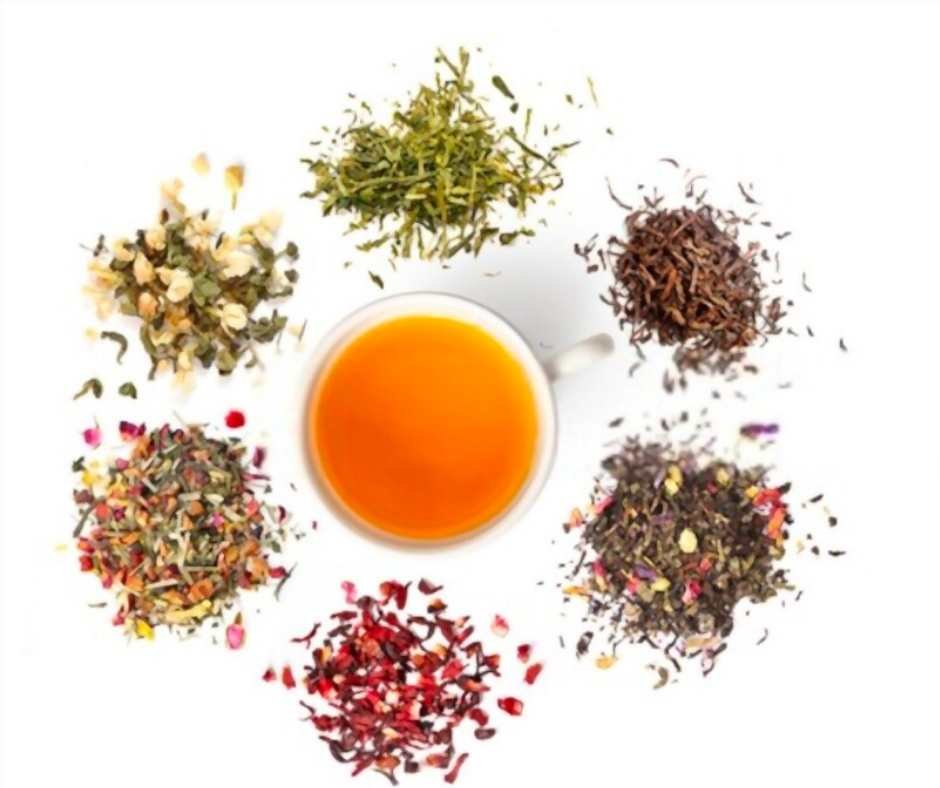
There are various types of tea present but some of the common names could be black tea, green tea, white tea and oolong tea.
Also Read: Are Onions Acidic or Basic? Avoid With Acid Reflux or Not
What makes tea acidic?
Tea leaves are not taken directly. They are cured and oxidized and then the color and flavor get released in the boiling/hot water. Tea is at a low level of acid until this point.
As soon as the duration of boiling increases for the tea to be stronger, the risk of GERD also broils. Raw tea is good too but additives like milk and sugar increase the pH value of the tea. The more additives, the more acidic.
It also depends on the type of water used in tea making. Tap water and filtered water may also impact the pH level based on the quality of the region.
Which tea is less acidic?
True tea that comes from camelia sinuses is more or less acidic. However, White tea is less acidic. Black tea tends to be high in acid since it is the most processed one. Green tea is quite similar to black tea while Oolong tea is low in pH.
| Tea Type | pH level | State |
| White Tea | 8-10 | Highly alkaline |
| Oolong tea | 5.5-7 | Close to neutral |
| Green Tea | 5.5 | Mild acidic |
| Black Tea | 4.9 – 5.5 | Mild acidic |
| Yellow Tea | 6.9-9.7 | alkaline |
| pu-erh tea | 5.01 – 5.72 | Mild acidic |
According to research herbal tea types have a low pH level. But fruit tea could be very acidic with a pH of 2.7 to 3.4. A lemon or apple tea could trigger your acid reflux while a sage tea can heal your GERD.
Acid-free tip: drink water after having fruit tea to increase salivary pH!
How to make non-acidic tea?
If you intend to make a cup of non-acidic tea, you have to start it from the shop. Buy a caffeine-free or low-caffeine tea. Too much caffeine can produce excessive hydrochloric acid that contributes to acid reflux.
Read the label of tea to know the level of caffeine in the tea. Choose a glass container to brew or prepare your tea instead of a metal or plastic to avoid additives.
Next up, take purified water for a non-acidic tea. While brewing the tea leaves or bag, do not over-steep. It is best to stop preparing your non-acidic tea. Because adding further ingredients like milk or sugar can make it acidic.
5 Non-acidic Alkaline Tea for You
| Tea | pH level |
| Ginger tea | 7 – 7.5 |
| Chamomile tea | 6 – 7 |
| Peppermint tea | 6 – 7 |
| Hibiscus tea | 6.5 – 6.8 |
| Chrysanthemum Flower Tea | 7 – 7.4 |
The type of tea you drink can have a big impact on how your body reacts to it. Some teas should be avoided if your goal is to improve or maintain healthy habits. Here are 5 non-acidic alkaline teas for you.
Ginger tea
Ginger helps reduce acid reflux, bloating, and dyspepsia. By easing the pressure in your lower esophageal sphincter, ginger helps empty trapped gas. If the pressure were not eased stomach acid flowed back into the food pipe. So, if you are troubled with stomach acid, grab a cup of ginger tea! Ginger tea also helps in morning sickness.
Chamomile tea
If you are feeling stressed and we know stress causes acid reflux in no time, try chamomile tea. Phytochemicals in chamomile tea help relax oxidative stress menstrual cramps and muscle pains. It also helps to heal inflammation and balance the pH levels in your body.
Peppermint tea
Peppermint tea contains menthol. Menthol helps to relax an upset stomach and irritable bowel syndrome and it also helps in constipation. It’s a great tonic for motion sickness, headaches, and nausea.
Hibiscus tea
The beautiful red hibiscus tea is an immense medicine for overall liver health. This tea keeps your cravings for sweet and fast food in check and your kidney from forming stones.
Chrysanthemum Flower Tea
Chrysanthemum Flower tea is a charming delicacy and a proper alkaline drink. This tea helps detox the liver. If you are trying to improve skin health and sleep, the chrysanthemum flower is a great go.
Benefits of tea
- Tea contains Minerals: Calcium Zinc Potassium Manganese
- Tea contains Vitamins: Thiamin (B1) Riboflavin (B2) Vitamin (B6) Folate Niacin Pantothenate Vitamin B12
- Anti-inflammatory quality of tea prevents viral diseases
- Antioxidants in tea protects body cells from free radicals
- Raw tea help to reduce body fat and cholesterol
- L-theanine in tea stimulates the brain for powerful performance
What tea should you avoid?
Trendy tea loaded with sugar and cream should be avoided.
Hyped beverages like bubble tea are full of sugar with no nutritional value and should be avoided. It is nothing but a package of carbohydrates that has a bad impact on health.
Beautifully decorated tea lattes are everywhere in various forms. These are full of sugar, cream, and caffeine that are bad for your body. Remember the more additives, the imbalanced pH level.
Detox tea for weight loss contains laxatives which can be harmful to your Health. Some herbs or spices in tea can cause allergic reactions. Some fruit tea like lemon tea, apple tea can cause a pH imbalance in your body.
Can you have tea with an alkaline diet?
The pH level in most tea is low, depending on stepping time. It also depends on the tea type and your tea consumption style. The more processed the tea, the increased level of pH in it. And the more cups of tea you take, the higher risk of acid reflux happens.
The alkaline ash diet is hyped for those suffering from acid reflux or tooth decay. It is about avoiding food that produces acid in the body. Taking alkaline foods such as fruits, veggies, and gluten-free can activate alkaline in the body that can fight off the acid. In some alkaline diets, experts restrict caffeine in the alkaline diet.
Ginger tea is a popular remedy for acid reflux that works. So, we can say that some tea might have high pH levels, but it depends on the processing and preparation. First, you need to know your body and your type of tea!
Is coffee or tea better?
It is tea!
Yes, even though you might not think of starting the day without the aroma of coffee, converting to tea will make your life better.
Nerve soothing vs nerve-wracking
Coffee can give you an instant power to activate your mind for better performance but the hangover is nerve-racking.
On the other note, tea soothes your nerves and makes you feel relaxed instead of hyped. If you have an anxiety disorder, you can prefer tea to coffee.
There is a core connection between GAD and GERD. Taking mild herbal tea is the best choice if you want to have soothing nerve and gut health.
Sleep on time vs sleepless nights
continuous consumption of coffee can steal your night’s sleep away. But if you are a tea drinker, you do not have to complain of insomnia.
A troubled sleep triggers acid reflux. So, it is your turn to select tea or coffee.
Being rich in antioxidants and antibiotic entities, tea, and coffee both are very healthy for your body. Keep your caffeine intake in your control and free of additives, there you go!
FAQs
Does tea increase blood pressure?
No, it doesn’t. In fact, one component called catechins in black and green tea helps reduce blood pressure. But, if you take too strong a cup of tea with milk and sugar, the higher caffeine and calorie can elevate your brain activity.
As a result, you might feel stressed and lack of sleep can elevate your BP.
Does milk cause acid reflux?
Excessive levels of fat present in dairy products can cause acid reflux. Low-fat milk is always on the safe side. Soya milk, nut milk, or coconut milk can be taken if dairy milk feels uncomfortable.
Do carbonated beverages reduce acid reflux?
Carbonated beverages or Soda is ironically considered a digestive drink in a sensitive stomach or after a meal. Everyone knows that soda will increase the acidity level yet people love to take an escape route from the discomfort of opening up soda cans.
The bubble or carbonation of soda creates pressure in the lower esophageal sphincter increasing the chances of acid reflux into the esophagus. Most sodas have pH levels of 2.5 to 3.5 which is highly acidic.
Can tea cause GERD?
There is a controversial association between GERD to tea consumption. However, among the Asian population, there is a significant report of GERD from tea consumption.
That may indicate the type of tea they take, their tea preparation style, and the amount of tea consumption.
Tea drinkers may often come with some clinical symptoms like acid reflux, heartburn, or stomachache. Caffeine can cause symptoms of GERD. Apart from caffeine, theophylline may also trigger acid reflux, abdominal pain, nausea, or diarrhea.
Upshot
Being concerned about health is a positive trend these days. People love to explore what’s bothering them instead of having remedies unknowingly.
The query ‘Is tea acidic?’ has opened the door for many more answers that you needed to know.
Was it helpful?
Related Posts





Subscribe for New Racipies
Get mental health tips, updates, and resources delivered to your inbox.
11 Effective Homemade Drinks That Burn Fat While Sleeping

Indeed, there are a number of fat-burning supplements and beverages that are supposed to aid weight loss overnight, but most of them hardly help in melting those extra pounds. However, homemade drinks that burn fat while sleeping are safe and more effective than market fat-burning beverages.
So, what are the strongest, best, and miracle weight loss drink recipes?
Normally, there are some naturally occurring herbs, spices, fruits, and foods that act as fat burners, for instance, apple, cinnamon, lemon, chia seeds, and green veggies have significant anti-inflammatory and weight loss properties.
Using these ingredients in your natural homemade fat-burn drinks helps in reducing the fat even when you are doing nothing (sleeping or at rest).
Here we have compiled the 11 best and most effective homemade weight loss beverage recipes for faster and healthier weight management.
Homemade Drinks That Burn Fat While Sleeping
| Drink Name | Ingredients | No of Calorie | Best time to take |
| Chamomile And Cinnamon Tea | Chamomile flowers, cinnamon stick or powder, water, and honey | 0 | Throughout the day (preferably between the meals), Before bedtime |
| Protein Water | Water + Protein powder | 70 calories per 16-ounce | Anytime in the day, and night, post-workout |
| Greek Yogurt Protein Shake | Greek yogurt, milk, banana, peanut butter, leafy green veggies (optional), ice cubes | 140 | On the empty stomach (in the morning), before bedtime |
| Ginger, Lemon, Green Smoothie | Ginger, lemon juice, parsley, apple cider vinegar, cinnamon | Inputs vary depending on the recipe | On the empty stomach (in the morning), before bedtime |
| Hot Water With Lemon And Honey | Water, lemon, and honey | 16 | Between the meals, at night (after last meal) |
| Lemon Ginger Fat-Burning Drink | Lemon grin, lemon juice, ginger, water, honey, pepper (optional) | 4 | Bedtime tea |
| Apple Cider Vinegar Drink | ACV, water, honey (for better taste) | 3 | Between meals, before going to sleep |
| Cucumber, Lemon, And Mint Detox Water | Cucumber slices, lemon or lime slices, mint leaves, water | 2 | Throughout the day and night |
| DIY Fat Burning Drink | Cucumber, green apple, ginger, spinach, lemon juice, water | 110 | In the morning on an empty stomach, at night |
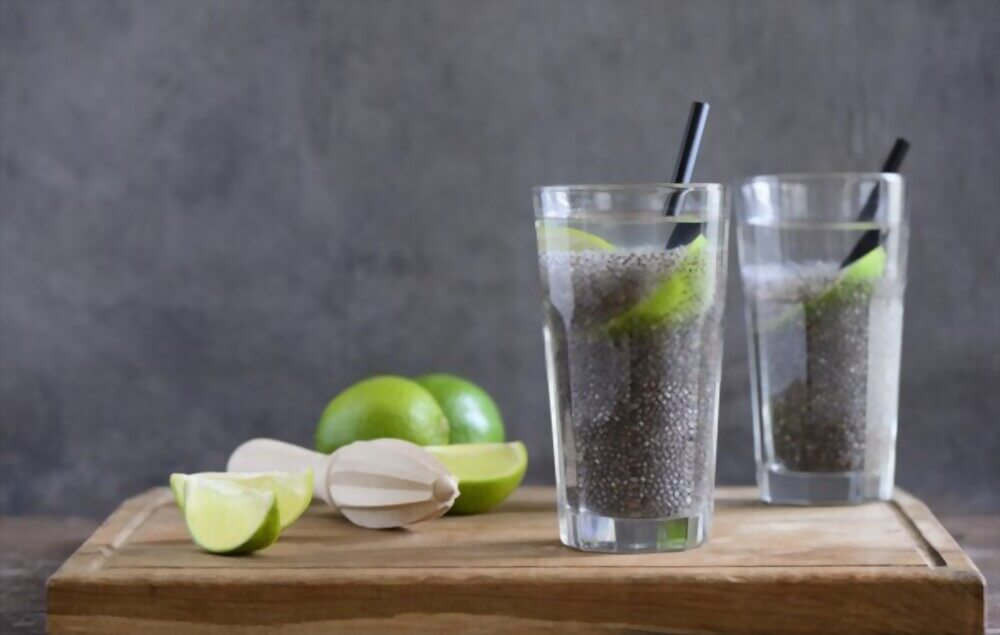
| Chia Lemonade | Chia seeds, lemon, water, honey (for flavor) | 40 | Before bedtime |
| Green tea with mint and lemon | Green tea leaves, mint , lemon and water | 2 | Throughout the day |
1. Chamomile and Cinnamon Tea
Chamomile and cinnamon-infused tea or plain herbal tea are superb detox drinks for fat burning. It is generally high in powerful antioxidants, flavonoids, essential minerals, and nutrients that are beneficially helpful for weight loss and maintaining overall health.
Cinnamon extract is naturally high in antioxidants, microbicidal, and anti-inflammatory properties which make it an excellent drink to boost the metabolism and generate heat from the stubborn fat areas.

Moreover, chamomile tea helps remove the toxin chemicals and excess water cells. Drinking it before bedtime improves sleep quality, and you lose weight.
How to Make?
For making cinnamon chamomile tea, add 3 to 4 chamomile flowers or 1 tea bag in boiling water. Add 1 cinnamon stick or 1 tablespoon of cinnamon powder to the kettle.
Let it steep for 15 minutes. Next, strain the tea, add honey and drink it hot before bedtime.
2. Protein Water ( Simple Homemade Drinks to Lose Belly Fat in a Week)
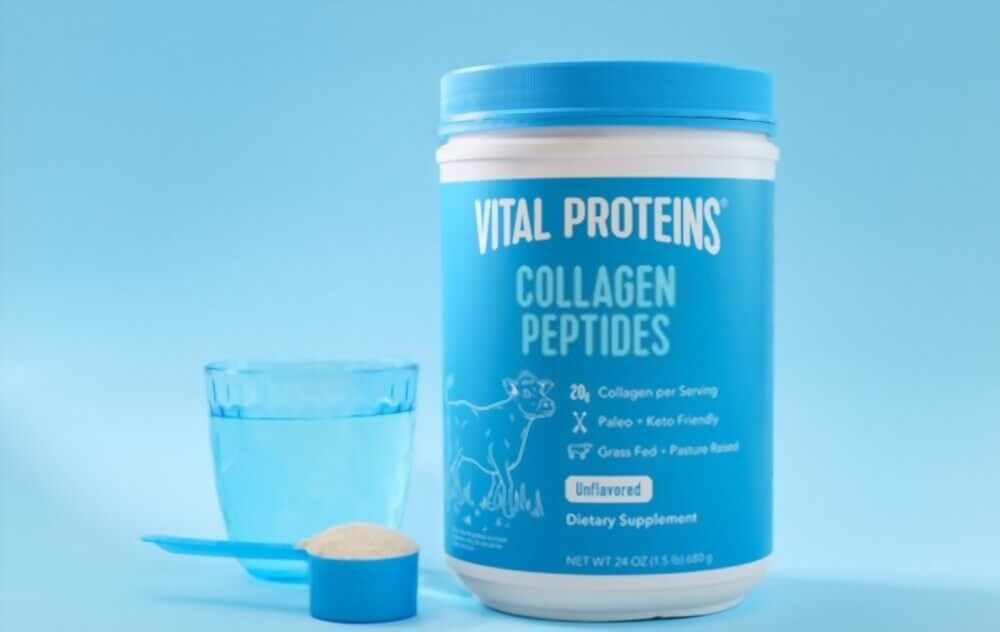
Unlike sparkling and detox water, drinking protein water helps greatly in getting a flat tummy. As it is incredibly rich in protein content which promotes muscle building while trimming the extra fat, therefore, it helps greatly in getting a lean body within weeks.
How To Make?
Mostly you can find protein water in the superstores, however, most of them contain stimulants, additives, or additional sugar which may hinder you from losing weight. It may also cause some side effects.
To make protein water at home, you can mix your favorite natural protein powder in mineral water and mix it finely. You can use collagen, whey, or any other available protein powder best for lean muscles.
3. Greek Yogurt Protein Shake
Greek yogurt protein shake is another best bedtime drink to lose belly fat overnight. This tasty smoothie beverage helps in the building and recovery of muscle protein.
Consequently, it helps in the continuous burning of calories which leads to fat burning while you are doing nothing.
Greek yogurt protein shakes provide you with a steady and effective dose of amino acids, which constantly burn fat from problematic areas.

How to Make?
For making a Greek yogurt protein smoothie, add ½ cup of plant-based milk (preferably almond milk) ½ cup of Greek yogurt, 1 banana, 1 tablespoon of peanut butter (or other nut butter of your choice), 1 cup of leafy green veggies (optional), and 6 to 7 ice cubes in the blender.
Blend the puree until the shakes smoothen fine, that is your energy booster miracle shake recipe for weight loss. For extra fat-burning results, add chia seeds or flaxseeds to your shake.
4. Ginger, Lemon, Green Smoothie (Drink to Reduce Belly Fat in 4 Days)
Belly fat is indeed one of the stubborn and most problematic to lose. However, with the high metabolic and antioxidant ingredients, it can be lost efficiently within a short time. Here is one of the best homemade drinks to trim belly fat in just 4 days.

How to Make?
Take half a cup of lemon juice, ½ cup of ginger pieces, half a cup of parsley leaves, 1 cup of apple cider vinegar, 1 cup of water, and 1 tablespoon of cinnamon powder. Add all these ingredients to a blender and blend it until smooth. After fine blending, strain the water and drink it twice a day.
You should drink it in the morning on an empty stomach and before bed, it helps in maximum heating of abdominal fat cells.
5. Hot Water With Lemon and Honey
Homemade hot water with lemon and honey is the best way to lose belly fat in a few weeks. Drinking it in the morning and at night specifically targets belly fat.
It boosts metabolism, aids digestion, supports detoxification, and encourages weight loss. This homemade drink is simple and convenient and can be used throughout the day for smooth body function.

How To Make?
Cut the lemon into slices, squeeze its juice, and add the lemon content to the boiling water. Let it set for some time then add honey. Drink it on an empty stomach to facilitate belly fat reduction.
6. Lemon Ginger Fat-Burning Drink
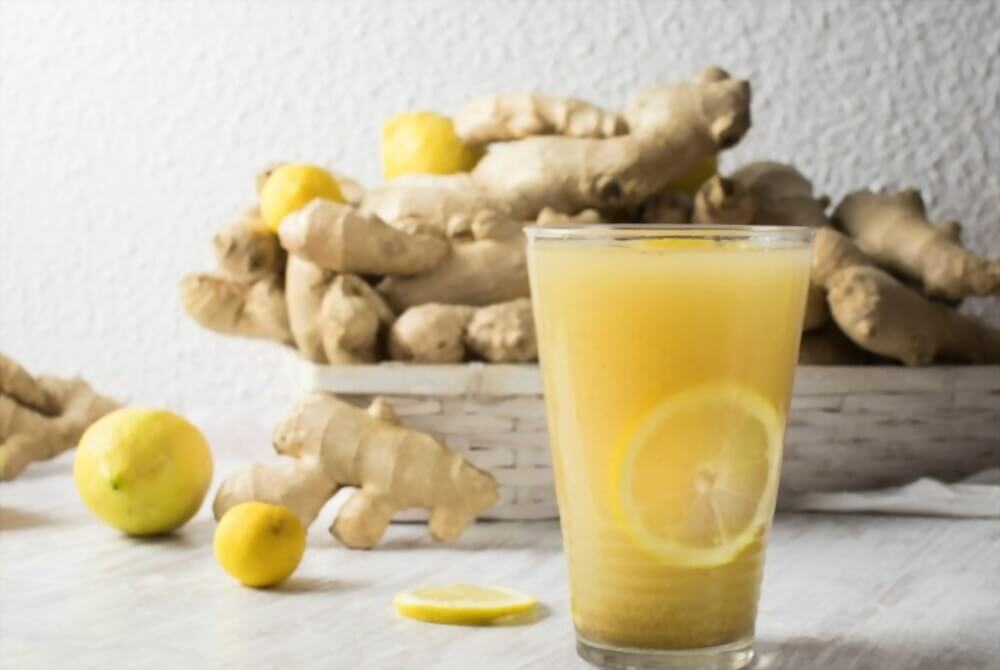
Ginger and lemon are highly researched and science-backed to help weight loss. These are the two most powerful and exceptionally efficient weight loss and fat melting agents.
Adding lemon juice and ginger to tea or juice helps in losing weight and shedding extra fat masses while strengthening your immunity and boosting your metabolism.
How to Make?
There are two ways of making lemon ginger fat-burning drink, one is detox water and the other is hot tea. For making the lemon ginger drink, take 1 liter of water, and add two lemon grinds, lemon juice, and 1-inch ginger to the water.
Also, you can add 1 tablespoon of pepper for an enhanced flavor. Bring it to a boil, until everything softens, after that strain the lemon ginger water, and let it cool down. Enjoy drinking it with honey or more lemon juice.
Moreover, you can also drink it hot as a fat burner bedtime tea.
7. Apple Cider Vinegar Drink
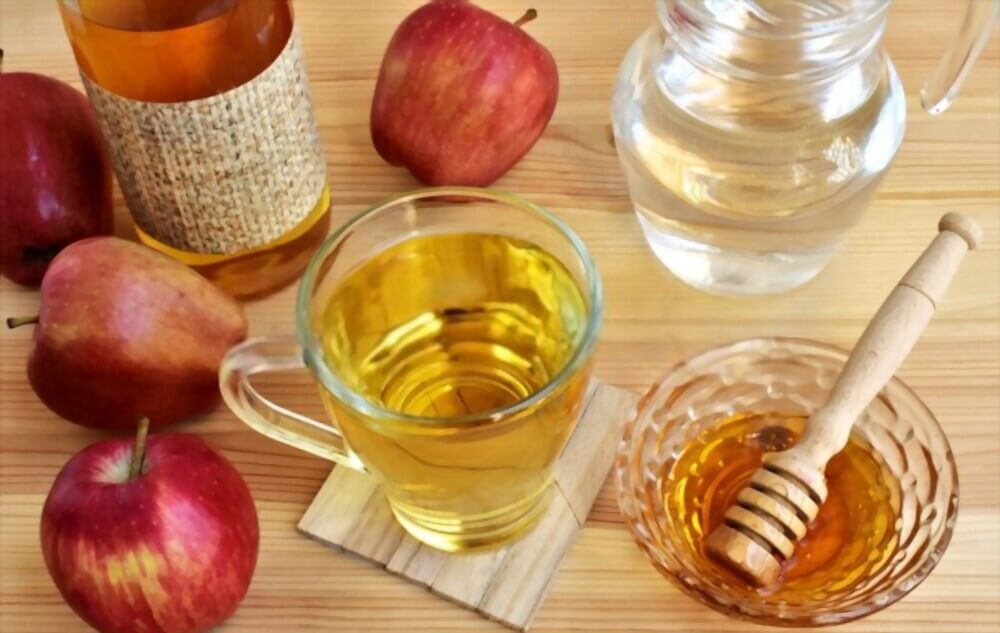
Drinking ACV mixture is the simplest and highly successful weight loss home remedy. It has powerful antioxidants which give an incredible boost to the metabolism and accelerate the fat-burning process efficiently.
How to Make?
You can’t drink apple cider vinegar directly, due to its strong taste and pungent smell. For weight loss, mix 1 tablespoon of ACV in a cup of water. For better taste and health benefits you can also add some honey.
8. Cucumber, Lemon, and Mint Detox Water
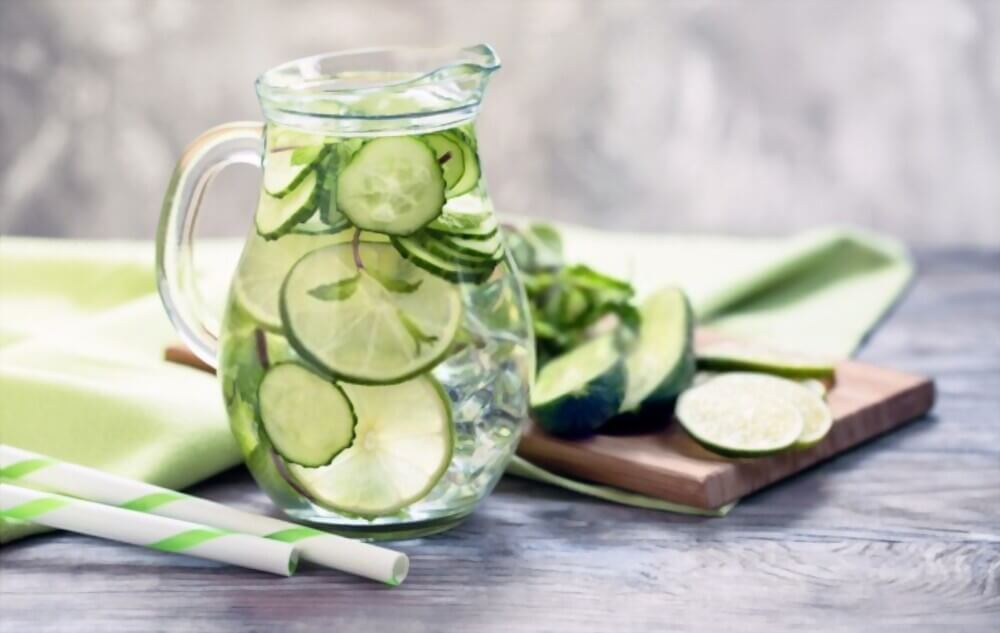
Cucumber, lemon, and mint-infused water are the best detox drinks out there. Besides detoxifying the body, it is exceptionally hydrating. Drinking this detox water aids in natural weight loss, improves skin texture, promotes digestion, and boosts immunity.
It is one of the best nighttime drinks to lose belly fat faster.
How to Make?
Finely slice the fresh lemons and cucumber. Add these slices to a jug of water with some mint leaves, and add some ice cubes for refreshes. Drink this throughout the day and night.
9. DIY Fat Burning Drink (Strongest Belly Fat Burner Drink Loses 10 KG in 10 Days)
It is not normally possible to lose 10 kg of weight in 10 days; it may be possible with a low-calorie diet, intense workouts, and some medical procedures, but losing 1 kilogram each day is not medically suggested. In fact, a healthy weight loss should be 1 to 1.5 pounds every week.
We’ve created the most potent fat-burning DIY drink recipe to help you lose weight faster. It consists of all-natural and effective substances that are backed by nutritionists to help with fat loss even from problematic places.
How to Make a Powerful Fat Burning DIY Drink?
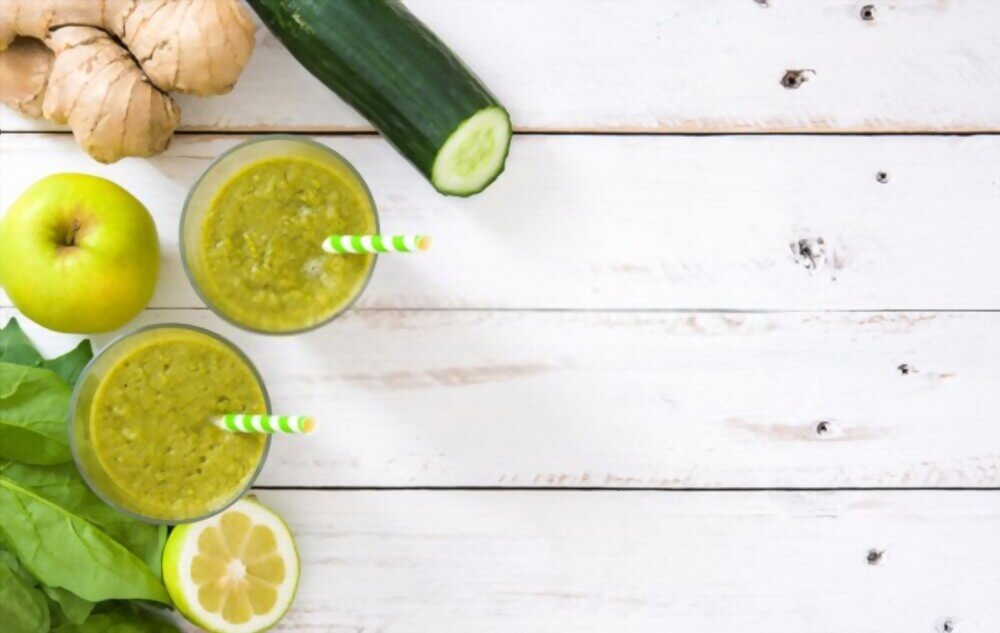
For making the strongest fat-burning drink, take 2 finely sliced cucumbers, 2 green apples sliced with skin, 1-inch ginger peeled and sliced, lemon or lime juice, 2 cups of fresh spinach, and 3 to 4 cups of water. Add all the ingredients to a blender and blend until smooth. Add some lime juice and serve.
Ideally, drink this twice a day, preferably in the morning on an empty stomach and before bed, and see the results!
10. Chia Lemonade
One of the magical rapid weight loss drinks is chia lemonade. It aids in weight loss, stomach health, heart health, inflammation relief, obesity reversal, and muscle strength enhancement.
Drinking chia lemonade on a daily basis will help you lose weight steadily and permanently.
How to Make?
To make chia lemonade at home, take 2 tablespoons of chia seeds, 1 lemon or lime, honey for flavor, and water. Add all these ingredients to a jar and give it a good mix. Drink this detox and refreshing drink before bedtime to lose weight and improve your health while you sleep.
11. Green Tea With Mint and Lemon
You may get shocked that you can get an incredible weight loss with green tea. Yes, green tea is the most active ingredient for rapid fat burning. Here is our exclusive miracle weight loss drink recipe:

Ingredients
- 1 tea bag or 2 tablespoons of green tea leaves
- Juice of 1 whole lemon or lime
- 6 to 7 mint
- 1.5 cups of water
How to Make?
In a saucepan, combine the water, mint leaves, and green tea. Stir continuously until the water level decreases, then let it steep finely. After 5 minutes, strain the mixture and add the lemon juice. Drink it hot to see immediate weight loss results.
What Can I Drink Before Bed to Lose Belly Fat?
Below are a few highly efficient drinks you can drink before bed to lose belly fat:
- Raw vegetable juices
- Whole fruit juices
- Soaked fenugreek water
- Chamomile tea
- Turmeric milk
- Cinnamon tea
- Aloe Vera juice
- Cucumber-parsley juice
- Celery juice
- Kefir
- Kombucha
- Ginger tea
- Oolong tea
- Green tea
- Plenty of water
- Black tea
- Coffee
- Psyllium husk
- Pineapple juice
- Lemon juice
- Sparkling water
Author Tips: Delicious “Red Cocktail” Juice Melts Off 3 lbs Every 4 Days✔️
FAQs
Below are a few frequently asked questions regarding “homemade drinks that burn fat while sleeping”.
What Drink Burns Belly Fat While You Sleep?
Drinking fenugreek seeds water before bed helps in melting the fat overnight. It has strong anti-inflammatory and antacid effects, which help in generating heat which speeds up fat burning while you sleep.
Is There a Way to Burn Fat While Sleeping?
Making your body calorie deficient allows you to burn fat for energy while sleeping. Therefore, it is recommended to take low caloric and carbs throughout the day and especially before bedtime.
What Drink Burns Fat Overnight?
Drinking turmeric milk, chamomile tea, cinnamon tea, green tea, protein shake, green veg smoothies, and fiber-rich juice helps you burn significant fat overnight.
Author Tips: Fizzy juice “eats through” 62 lbs of stubborn fat✔️
What Burns Fat While Sleeping?
Taking lemon in water, tea, juice, or drinks helps greatly in burning the fat while sleeping. Since it has a strong alkalizing effect on the body, therefore it helps digestion, colon cleansing, and metabolism-boosting, which in return helps fat burn while you sleep.
What Can I Drink to Make My Stomach Flat?
Green tea, peppermint tea, ACV drink, pineapple juice, hot water with lemon, and mint are effective at burning belly fat.
Final Recommendation
Before bedtime, it is generally not good to drink high-calorie, carbonated, and sugar drinks as it can lead to unhealthy fat buildup.
Instead, it is good to make homemade drinks that burn fat while sleeping. Besides fat burner beverages, you can do exercise and diet to faster the weight loss results.
Related Posts
Subscribe for New Racipies
Get mental health tips, updates, and resources delivered to your inbox.