
Are Cucumbers Acidic? Is Cucumber Good For Acid Reflux?

Medically reviewed by Lindsay Ewan, MD Updated Date: January 7, 2026

Did you know that cucumbers are one of the most beneficial vegetables you can eat, and that they can improve your skin, hair, and overall health? Want to know more? Then this article is for you.
Many people have the misconception that cucumbers are acidic, and that this can be harmful for those with acid reflux. But what do you think? Are cucumbers acidic?
Cucumbers have a pH in the range of 5.1 to 5.7. Despite being slightly acidic, cucumbers do not have a significant acidic effect within the body. Because of their alkalizing effects upon digestion, cucumbers are classified as an alkaline food. Cucumbers’ acidity varies with how they’re prepared for consumption.
In this article we are going to show you everything you need to know about cucumbers and their effects on acid reflux.
Are cucumbers acidic or alkaline? Question answered!
You may have wondered often whether cucumbers are acidic or not. Let us now talk about it in a detailed manner.
Cucumbers are not directly acidic. That means they are less acidic and closer to neutral. Because of this, eating cucumbers in moderation should not cause any gastrointestinal distress.

Acidic pH but alkaline in nature!
The cucumber has an acidic pH of 5.1 to 5.7 but very interestingly, it is categorized as an alkaline food. One of the biggest reasons for this is their water content.
The high water content is one factor, but you may be wondering what else makes them alkaline. The high levels of potassium in cucumbers are well-known.
Having an alkaline pH, potassium is a very useful element. Cucumbers, then, are among the alkalizing foods.
On their own, the effect on the body is alkalinizing, and they are safe to eat, as long as they are not served with anything acidic like marinades or dressings made with vinegar.
Related Article: 7 Kinds of Foods to Avoid with Gerd
Various pH on variety of Cucumbers
The pH level of cucumbers usually is in the range from 5.1-5.7. Of note, this range can vary from one variety of cucumber to another. Now let us see how much cucumbers can vary according to their variety.
| Variety | pH Level |
|---|---|
| Cucumbers | 5.12 – 5.78 |
| Cucumbers, Dill pickles | 3.20 – 3.70 |
| Cucumbers, pickled | 4.20 – 4.60 |
| Curry Paste, acidified | 4.60 – 4.80 |
In the above table, you can see the pH values of different forms of cucumbers. Cucumbers are turned into pickles by soaking them in vinegar.
Since vinegar is acidic, the pickling process decreases the pH of cucumbers significantly, making them acidic.
The most acidic form of cucumbers is the dill pickle, with a pH of 3.2 to 3.7. These more acidic versions of cucumbers would not be the best options for patients suffering from acid reflux.
Cucumbers for Acid Reflux: Good or bad?
As we have mentioned above, cucumbers are an alkaline food. What do you think now? Are cucumbers harmful for acid reflux?
Are they bad for acid reflux?
The answer is that no, they are not. Raw cucumbers have a slightly acidic pH, but due to the water content, and presence of certain minerals, they have an alkalizing effect in the body.
When stomach acid refluxes, or rises up into the esophagus, the result is a condition known as acid reflux. In this case, the acid from the stomach flows backwards into the esophagus, causing irritation.
Patients who suffer from acid reflux typically describe their symptoms as heartburn, a painful burning sensation in the center of the chest.
Foods high in acidity are a major contributor to acid reflux. Foods that have a pH of 4.6 or lower are referred to as acidic by the FDA, and warrant particular caution in those with acid reflux.
How Does Cucumber Trigger Acidity?
As Cucumbers are alkaline, they do not trigger acid reflux. Consequently, cucumbers do not contribute to GERD. However, if eaten with acidic or spicy foods – this combination may then worsen reflux symptoms.
Salads with tomatoes, onions, or hot peppers should be avoided if you suffer from acid reflux, GERD, or heartburn.
Cucumbers help in digestion!
Water and fiber, both of which are crucial to proper digestion, are abundant in cucumbers. Adequate water intake as well as adequate fiber intake can both lessen the symptoms of gastroesophageal reflux.
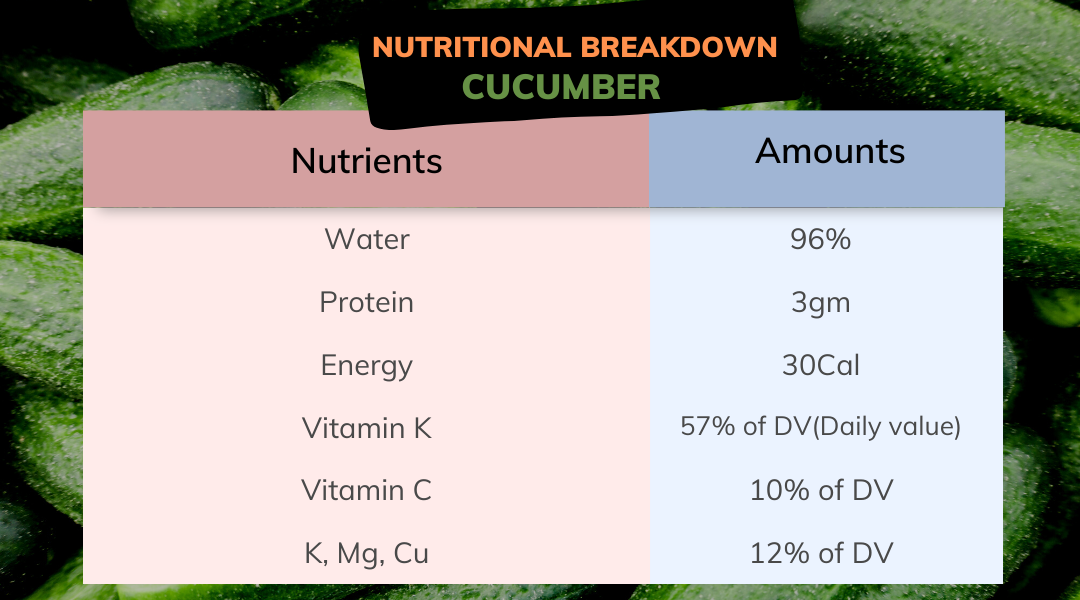
From the above data, we can see that cucumbers, being high in water content, have a similar impact when consumed. Cucumbers contain water and alkaline potassium, making them slightly diuretic and useful for reducing gas.
Related Article: Is Broccoli acidic? Broccoli Acid Reflux (Is This True?)
5 Reasons to Start Eating Cucumbers!
I hope you now know that cucumbers are very nutritious for your health and have benefits for your skin, stomach, and heart. They provide so many benefits to your body because of their alkalizing effects.

Without further delay, let us now go deeper to the reasons why you should love them.
Skin health
Dark circles, swelling, sunburn, and under-eye puffiness are just some of the skin conditions that cucumbers can help alleviate. Cucumbers’ primary compounds, caffeic acid and ascorbic acid, aid in the prevention of water retention.
Improve tissue health
Simultaneously cooling and refreshing, cucumbers are rich in the mineral silica. It’s a lovely mineral, and it plays a crucial role in maintaining the health of your connective tissues. Connective tissues include cartilage, ligaments, tendons, and bone. Healthy connective tissues are essential to overall good health.
Prevention of stomach aches
As far as vegetables go, cucumbers have a relatively high amount of fiber. Cucumber is a great choice for those who suffer from gastroesophageal reflux disease (GERD) because its high fiber content helps prevent stomach problems, and promotes gastric motility, helping to move food along the intestinal tract.
This reduces the chance of stomach contents refluxing, or going “backwards”, in the wrong direction.
Aid for weight loss
Cucumbers are fantastic for dieters because they are 96 percent water, and they contain no fat, cholesterol, or sodium. Cucumbers are a low-calorie food, with low caloric density, so you can eat more of them without consuming too many calories.
Cucumbers, whether added to a salad or eaten alone, can help jumpstart weight loss when combined with other weight loss-friendly foods like lemon juice, black pepper, and salt.
Related Article: 10 Effective Homemade Drinks That Burn Fat While Sleeping
Boosts cardiovascular health
In addition to protecting against cardiovascular disease, the lignans found in cucumbers can also help strengthen the immune system. Cucumbers’ magnesium and potassium content make them an excellent food for maintaining healthy blood pressure.
In addition, they help regulate nerve function, heart rate, fluid balance, blood sugar, and glucose metabolism, and increase energy expenditure.
Does eating cucumbers make you fart?
Yes, they can make you go through some unforeseen situations. It depends a lot on how they are consumed. There are a few reasons why cucumbers might increase gas.
Cucurbitacin can be found in cucumbers and squash which has the capability to make good amounts of gas and can make you gassy easily. You’re more likely to experience bloating or passing gas due to over consumption of cucumbers.
FAQs
Is cucumber an acidic food?
No, they are not referred to as acidic foods. Though they have a pH of 5.1-5.7 which is slightly acidic, the alkalizing effects of cucumbers can be beneficial, especially in those whose diets have become excessively acidic as a result of poor nutrition.
Is cucumber OK for acid reflux?
Yes, they are. They can also be used to treat acid reflux. Water and fiber, both of which are crucial to proper digestion, are abundant in cucumbers. It is common knowledge that increasing the stomach’s pH by ingesting water can alleviate the acute symptoms of acid reflux.
Why do cucumbers cause heartburn?
In most cases, they do not cause heartburn. But exceptions may be seen in some situations. When you eat cucumbers with any acidic food like salad or tomatoes, you might experience acid reflux. This might result in heartburn in your stomach.
However, this is more likely due to the foods consumed with the cucumbers, not the cucumbers themselves.
Are Pickles acidic or alkaline?
Wait a minute! We know that pickles are made of cucumbers. So, do you think these are acidic? Basically, that depends on how they were pickled.
Pickles purchased from a grocery store are likely to have a high vinegar and additive content, both of which can aggravate acid reflux and GERD symptoms and cause severe heartburn. Therefore, those with a low tolerance for sour or pickled flavors should avoid them.
However, naturally fermented pickled cucumbers are excellent for the flora in your digestive tract. Moreover, their juice is reportedly effective for some people with acid reflux.
Conclusion
In the end, we have all the answers for “are cucumbers acidic?” To put it simply, we can say that cucumbers are slightly acidic, but have predominantly alkaline properties. You can eat cucumbers without worrying about the effect on acid reflux.
But remember, like with any food, there can be too much of a good thing. Most foods are best eaten in moderation!
Related Posts





Subscribe for New Racipies
Get mental health tips, updates, and resources delivered to your inbox.
Is Kombucha Acidic? Is It Good For Acid Reflux?


The combination is pretty weird! Black tea, yeast, and sugar, and you got kombucha.
Kombucha lovers say this fermented tea is great for boosting energy, helping in digestion, and removing toxins from your body. But others say they have issues with the versatile taste-sometimes sweet or sometimes tangy.
You must be wondering about the diversity. And trying to figure out if kombucha is acidic or not?
Kombucha is acidic with the pH range between 2.5 to 4.2. When you ferment the kombucha tea, it produces less than 1% acetic acid which has a pH level of 3.0-3.5. This acid is responsible for the tangy nature of kombucha. Surprisingly, moderate amount kombucha is good for reducing acid reflux too.
However, the actual pH level is dependent on the tea types, tea-sugar-yeast ratio, brew time, room temperature, and the length of fermentation.
Keep reading to learn more about the acidic nature of kombucha and its relationship with acid reflux.
Kombucha – Acidic Or Alkaline?
In one line, kombucha is acidic, not alkaline. Let me explain why!
Black tea, green tea, white tea, or oolong tea are used for making kombucha. However, black tea for its oxidized leaves nature is mostly preferable for making a perfect kombucha.
And the pH of black tea is 4.9-5.5 which is a good range to grow yeast perfectly.
With time, the yeast of SCOBY (symbiotic culture of bacteria and yeast) starts eating the sugar content of the kombucha. That results in producing ethanol and it gradually turns acidic.

What about green tea or white tea kombucha? Well, they are neutral or basic, but with the fermenting process over time, the alkaline nature will vanish and turn into acidic for the yeast.
pH of Kombucha
The pH of kombucha is directly related to the fermentation time. However, tea types and ratios also take part in the pH level of kombucha.
And the pH value defines whether kombucha will taste sweet or tart. The pH like 3.5 ensures it will taste sweet. The lower pH like 2.5 makes the kombucha tart.
| Type | pH |
| Homemade Kombucha | 2.5 – 3.0 |
| Black Tea Kombucha | 5-5.5 |
| Green Tea Kombucha | 3.05 |
| White Tea Kombucha | 2.5 – 3.5 |
| Kombucha Rosella Tea | 2.86 |
| GT’s Kombucha | 2.5 – 3.5 |
| Kombucha brewed | 2.5 – 4.2 |
| Humm Kombucha | 3.0 |
| Sweet Kombucha | 3.5 |
3 Ways: How To Raise The pH Of Kombucha?
When you ferment kombucha, acetic and gluconic acid start producing by the fermenting bacteria. That results in a lower pH level and makes the taste too tart.
Also, lower pH means the kombucha is highly acidic which is not good for you especially if you are struggling with acid reflux.
Besides, when the taste is too tart, you may want to make it a little sweet. To make kombucha sweet, you have to increase the pH level. Here 3 ways to increase the pH of Kombucha –
1. Less Ferment Time
In general, the fermenting process takes from 7 days to 30 days. The more you ferment, the kombucha will be more acidic and vice versa. To make it less acidic, you can brew after the first fermentation which may take 6 to 10 days.
2. Keep It in Room Temperature
Kombucha brewing temperature affects the pH value directly. More than 85°F speeds up the culturing, which will result in lower pH.
To increase the pH level, you should keep the kombucha vessel at room temperature in between 68-78°F.
3. Maintain The Tea Leaf Ratio
Using more tea leaves can cause lower pH for the tea leaves’ oxidation nature over time. For each one-gallon batch, keep the ratio 6:1 for the tea leaves.
You can use 6 teaspoons of loose tea or 6 tea bags for each batch. So, keep the ratio perfect to get a higher pH kombucha.
How Acidic Is Kombucha For The Body?
Kombucha is acidic, but after drinking, it alkalizes the body. It’s because when you make kombucha using black or green tea, there will be several essential minerals such as manganese, potassium, copper, iron, fluid iron, etc.
The pH of our blood is 7.4 regarded as neutral. When these minerals of kombucha enter our bloodstream, that creates an alkalizing effect and results in a neutral state of our body.
Who Should Not Drink Kombucha? Are You in the 4 Categories?
Kombucha is considered safe and healthy to promote a healthy and smooth digestive system, boost energy and remove body toxins.
However, you are prohibited to drink kombucha under the following health conditions-
1. People With A Weak Immune System
As bacteria and yeast take an active part in kombucha, that may cause infection for people with weak immune systems.
2. Diabetics Patient
Kombucha contains a good amount of sugar. So it may increase blood sugar levels. Also, alcohol production during fermentation can cause complications for diabetic patients.
3. Pregnant, Breastfeeding Women And Kids
For the alcohol and caffeine, pregnant and breastfeeding women should avoid kombucha. Similarly, the bacteria and yeast might be harmful to the developing baby.
Additionally, kids should not drink kombucha. The carbonate effect of kombucha will cause stomach upset.
4. People With Stomach Ulcers
If you have stomach ulcers, kombucha may make it worse. The bacteria and acidic nature of kombucha can potentially aggravate stomach ulcers.
Is Kombucha Good For Acid Reflux?
Acid reflux occurs when you eat or drink high acidic or high-fat content food and drinks. if you have a lower esophageal sphincter (LES), your stomach content leaks up back. That causes acid reflux.
Now the question is what about kombucha? Is it good for acid reflux or promotes acid reflux?
The nature of kombucha is acidic, so you may think it’s not good for acid reflux. But the truth is kombucha is good for people who are suffering from acid reflux.
Kombucha contains lactic acid which has probiotic properties. That can kill harmful bacteria as well as promote smooth digestion. So far, lactic acid is beneficial to reduce the chances of acid reflux.

The tea drink is a great source of vitamin B. vitamin B can improve your gut health by controlling the production of stomach acid.
Several essential minerals of kombucha neutralize the acidic properties and make it alkalizing for your body.
For these activities, kombucha is good for acid reflux. However, you should be concerned about your daily intake. You can drink around 4 ounces per day to avoid health complications. Also, avoid adding high sugar content to it to get the best result.
Is Kombucha Bad For Acid Reflux?
Drinking too much kombucha causes acid reflux. The recommended level is 4 ounces per day for 1 to 3 times.
However, kombucha will be bad for acid reflux under certain health conditions.
First of all, if you already have the symptoms of acid reflux, drinking too much kombucha may make it worse.
Kombucha contains a decent amount of caffeine and alcohol. Both can increase the acid production in your stomach and irritate your digestion which causes heartburn too.
A lengthy fermentation process makes kombucha carbonated. And the carbonated nature feels your stomach fuller and pressurizes your lower esophageal sphincter. As a result, the acid flow starts moving back into the esophagus which leads to acid reflux directly.
In addition, the acetic acid of kombucha may also be responsible for acid reflux or GERD by disturbing your regular digestive system.
Various Forms Of Kombucha And Its Acidity
In the USA, around 14. 1 percent of adults drink kombucha in various forms such as kombucha tea, raw or hard kombucha for several purposes. The pH level and acidity are also different for each type.
Is Kombucha Tea Alkaline Or Acidic?
Kombucha tea is acidic with a pH range of 2.5 to 3.5. However, using tea bags instead of tea leaves makes kombucha tea more acidic for rapid oxidation.
The type of tea affects the acidity of kombucha. If you use pure black tea, it will make kombucha too acidic as black teas are already acidic in nature.
pH wise oolong tea kombucha will be almost the same as the black tea version. Though green tea and white tea kombucha seem alkaline for their higher pH values. But during the fermentation process, the basic nature will be removed.
Whether you use either green or white tea, the resulting kombucha tea will be acidic with a pH below 4.6. However, adding fruits or herbs can reduce the acidity of kombucha tea.
Related Post: Is Tea Acidic? 5 Non-acidic Alkaline Tea for You!
Is Hard Kombucha Acidic?
Hard kombucha is more acidic than kombucha tea. It’s the boozier version of the regular or raw kombucha. As hard kombucha fermented at 28°C/82.4°F or higher for 5 to 14 days, it will taste tangy and slightly vinegary.
Warm temperatures and lengthy fermentation, increases the ABV (alcohol by volume) and decreases the pH level to around 2.5.
Is Raw Kombucha Acidic?
Raw kombucha is not pasteurized though it’s acidic with a pH of less than 4.6. Mostly, the pH level of raw kombucha is 2.5-3.5. During the fermentation period, the yeast starts feeding the sugar content and creates a suitable environment to grow gradually. This process enhances the pH level of the raw kombucha drink.
Fun fact: Do you know when and where the kombucha tea originated? In 220 BC, kombucha originated in China. Then it reaches Russia, USA, Germany and all over the world.
FAQs
Is Kombucha Highly Acidic?
Yes, kombucha is highly acidic. The pH level of kombucha can range from 2.5 to 3.5, making it acidic. However, the acidity of kombucha is not harmful and can actually be beneficial for your health.
Is Kombucha Good For An Acidic Stomach?
Yes, kombucha can be good for an acidic stomach. This is because kombucha is rich in probiotics, which can help to balance the levels of acid in the stomach. At the same time, it can improve digestion, reduce inflammation and promote a healthy immune system.
Is Kombucha Acidic For Teeth?
Drinking too much kombucha is acidic for teeth. The acidity and sugar in kombucha can lead to tooth decay and other dental problems damaging tooth enamel. This is why it’s important to drink kombucha in moderation and to brush your teeth after drinking it.
Is Kombucha Bad For Ulcers?
Mostly, kombucha can be bad for people with ulcers. The fermented tea drink contains acetic acid, which can irritate the already inflamed lining of the stomach and intestines. In addition, the probiotics in kombucha can also increase gastric acid production, further exacerbating the symptoms of ulcers.
Is Kombucha Part Of An Alkaline Diet?
Kombucha is part of an alkaline diet. The fermentation process of kombucha results in a slightly acidic beverage with a pH between 2.5 and 3.5. However, after the drink is consumed, it leaves behind alkaline ash in the body that helps to neutralize acidity.
Does Kombucha Make Your Body Acidic or Alkaline?
Kombucha is acidic but it makes your body alkalize when it enters the bloodstream. The acidic nature neutralizes by the neutral pH of the blood and acts like alkalize to your body.
Bottom Line
Now it’s time to wrap up the discussion on: “is kombucha acidic”. Hopefully, you can understand the acidic nature and its role in acid reflux.
In summary, kombucha is acidic but a moderate amount is good for acid reflux. Also, the probiotics of kombucha are beneficial for sound digestion, weight loss, preventing GERDs as well as keeping your skin healthy.
Eat healthy, live healthy.
Related Posts
Subscribe for New Racipies
Get mental health tips, updates, and resources delivered to your inbox.