Biscoff Cookie Dough Pops


Do you buy your mother flowers on Mother’s Day? Well, how about making some instead. These Biscoff Cookie Dough Pops are perfect for a special occasion and a special person. Kids can also get in on the action, if they don’t eat all the cookie dough first. It is pretty irresistible. If you like Biscoff Cookie Spread, you are going to love Biscoff Cookie Dough. It’s a wonderful combination of Biscoff flavor and raw chocolate chip cookie dough (don’t worry, no eggs involved). You’ve gotta try it!

Even if you don’t want to make the flower pops, you can still make regular round pops or truffles with this cookie dough recipe. I think I like it even more than the plain cookie dough recipe I used for my Cookie Dough Bunny Truffles. I use Wilton’s meringue powder as my egg replacer, so these are egg free and totally edible raw.

The dough is not heavy. It doesn’t feel a ton of bricks. It light, fluffy and oh so good. You get the flavor of Biscoff, but less sweet. I love to bake with Biscoff, but by itself it’s sometimes a little too sweet. In this recipe I substituted some of the sugars for Biscoff so the sweetness is reduced. You could just grab a spoon and eat the whole bowl while watching tv or you can make some pretty flower pops like I did.

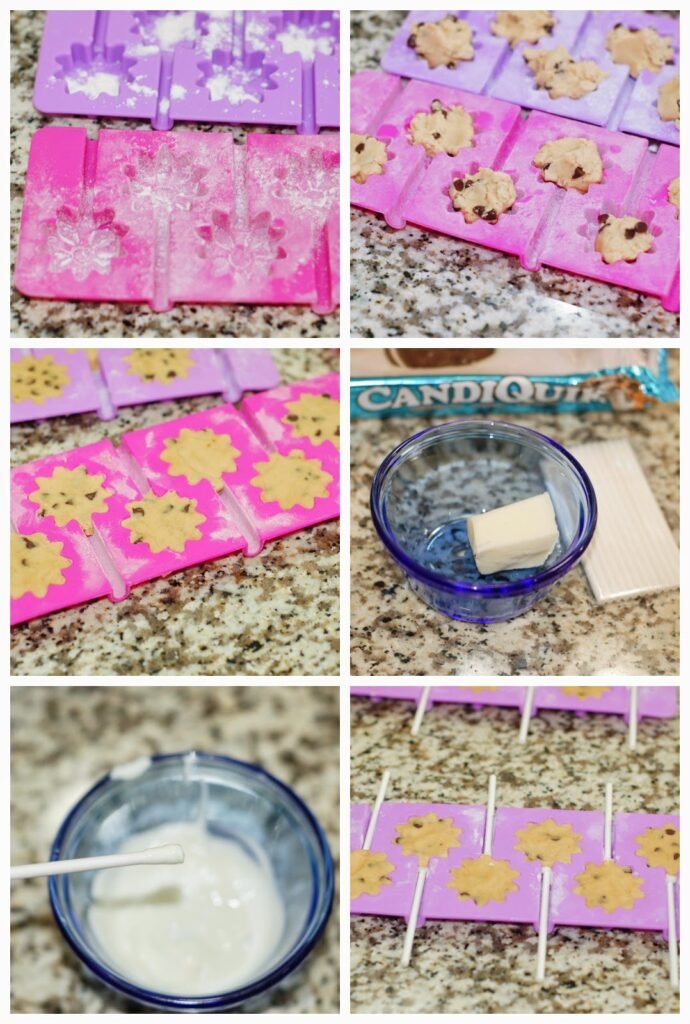
I bought these silicone lollipop molds at Walmart during the Easter season. Each pack came with 2 mold of 6 pops each with space to add a lollipop sticks which were included. I don’t make candy lollipops, but I knew I could use it to make cookie dough pops.

I just sprinkled some flour into the molds and shook out any excess. Then took a bit of dough and started pressing it into the molds until it was flush. To add the sticks, I first dipped them in some melted candy coating and then pushed them into place while placing my hand over the dough so the stick would go in straight. After that, it was time to pop them in the freezer. The first batch I left in there 4 hours because I was busy with other stuff, but the Bunny Truffles I had only placed in the freezer for a 1/2 hour and they were firm enough to remove from the mold. I all depends on how cold your freezer is.

You have to stretch and tug the silicone to loosen the pops. They came out great. Then it was time for dipping and decorating. You have to bring out only a few at a time from the freezer so the dough stays firm. My kitchen was very hot yesterday, so I had to be careful because once the dough softened up too much it fell off the stick. Also make sure your candy melt is not too hot.


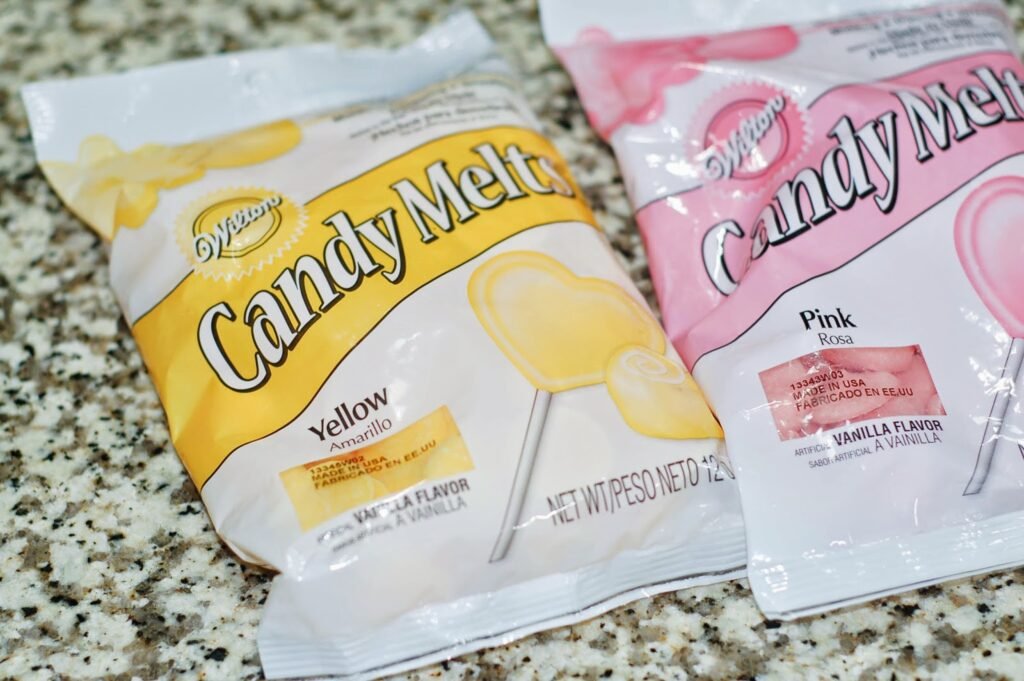
These are the three colors I used, but there are lots of different colors available. I also added some colored sugar crystals which I had in the pantry, to some of the pops. You add the crystals before the candy melt fully sets. Once the candy melt was set, I used a disposable candy decorating bag to pipe on the centers. Usually the candy melt sets fast, but like I said my kitchen was a little warm yesterday so I ended up having to place all my pops in the fridge to get the coating to harden. The weather here has been brutal this week. I also though of using pastel M&Ms for the centers, but I didn’t have any on hand.

To give the flower pops a little more special treatment I placed them in cupcake. You can make any cupcakes you want and add some green frosting, then tint some coconut flakes with some green dye to make it look like grass and adhere them to the frosting. Just place the coconut flakes in a Ziplock bag, add some food coloring and shake it up. This is something the kids can do. Or if you want you can just make the pops and maybe add a cute paper leaf to the lollipop stick with a message. Whatever you do, enjoy your pops and make sure to share!
Biscoff Cookie Dough Pops
by The Sweet Chick
Prep Time: 2 hours
Keywords: no bake biscoff chocolate chips candy melt Mother’s Day pops truffles American spring
Ingredients (52 pops)
For the cookie dough
- 2/3 cup unsalted butter, room temperature
- 2 tablespoons brown sugar
- 1/4 cup granulated sugar
- 1/4 cup Biscoff cookie spread
- 1/2 teaspoon vanilla extract/paste
- 2 teaspoons meringue powder ( I used Wilton’s)
- 2 tablespoons water
- 1 3/4 cups all purpose flour
- 1/2 teaspoon baking soda
- 1/2 teaspoon salt
- 1/2 cup mini chocolate chips
For the candy coating
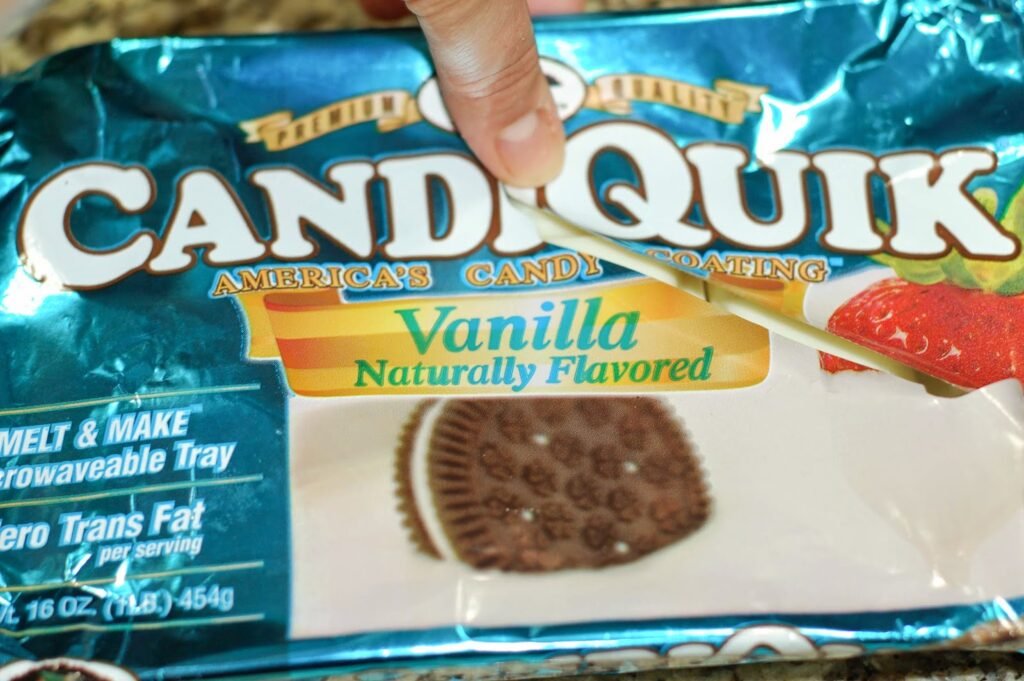
- 1 package (16 oz.) Candiquik Vanilla candy coating (white)
- 1 package (12 oz.) Wilton’s Candy Melt wafers (pink)
- 1 package (12 oz.) Wilton’s Candy Melt wafers (yellow)
Tools needed
- silicone flower pop mold
- 52 lollipop sticks
- 1 box (12) Wilton’s disposable candy decorating bags
Optional toppings
- pink, white, and yellow sugar crystals
Instructions
For the cookie dough
In a stand mixer, cream together the butter and sugars. Then add the cookie spread and vanilla, mix on low until well blended.
In a small bowl mix together the meringue powder and water, then add it to the mixer bowl and mix well.
In a medium bowl combine the flour, baking soda, and salt. Next add it to the mixer bowl a little at a time while mixing on low until dough starts to form.
Last, add the chocolate chips and mix until all incorporated.
Lightly dust your silicone molds with flour, removing any excess.
Add a small amount of cookie dough to each cavity pressing down with your fingers until cavity is full, and making sure the top of the dough is flush to the mold.
Place a Candiquik square in a small microwave safe bowl, and melt in the microwave according to instructions on the package (usually 30 second at a time until fully melted).
Dip the tips of the lollipop sticks into the candy melt, then carefully insert them into the bottoms of the flower. (I place my hand on top of the cookie dough while inserting the sticks to insure they would go in correctly.)
Place the molds in the freezer for 1/2 hour to 1 hour until they are firm enough to pop out of the mold. (I placed the pops in an airtight container and kept them in the freezer until it was time to dip them in the candy melt.)
For the candy coating
Using one color at a time, melt your candy coating in the microwave according to instructions on the package. Make sure your candy coating is not too hot, just warm. (If your candy coating is not smooth, you can add a little bit of vegetable shortening to it, 1/2 teaspoon at a time.)
Remove a small batch of cookie dough pops from the freezer and dip them in the candy melt. Swirl them around upside down a bit to remove any excess candy melt, then place them upright in a pop holder until the candy melt hardens. (I had to place mine in the fridge because my kitchen was a bit too warm that day.)
Repeat process for all pops, using the different colored candy coating.
For the centers of the flower pops, pour melted candy coating into a disposable candy decorating bag with tip cut off and add a small dot of candy coating in the middle. Make sure you candy coating is not too hot, wait for it to be just warm. It will make piping easier and will save you from burning your hands. (If your candy coating hardens up in the bag, just pop it back in the microwave for about 10 seconds or so.)
Once all the candy melt has set, you really don’t need to keep these pops refrigerated. Remember there are not eggs involved. Just keep them in an airtight container.
Optional toppings
If you are using sugar crystals, sprinkle them on before candy melt is completely set.
Enjoy!
Cookie dough recipe adapted from Chocolate Chip Cookie Dough Cake Pops by My Little Cupcake Blog
This recipe may be shared at these fabulous link parties.
Subscribe for New Racipies
Get mental health tips, updates, and resources delivered to your inbox.
Is Swiss Cheese Acidic? Swiss Cheese and Acid Reflux

Swiss cheese, with its mild flavor and distinctive holes, is a favorite among cheese lovers worldwide. But for those concerned about their digestive health, particularly acid reflux or acid sensitivity, its impact on the stomach becomes a pressing question. Is Swiss cheese acidic, and can it fit into a diet designed to reduce acidity? Understanding the pH level of Swiss cheese and its effects on digestion is vital for making smarter dietary decisions.
Cheese, in general, is often considered acidic, but the degree of acidity varies among types. Swiss cheese, thanks to its unique fermentation process, is milder in acidity compared to other cheeses. Beyond its acidity, it offers a wealth of nutrients, including calcium, protein, and essential vitamins. However, its fat content and individual tolerance play a crucial role in how it affects your digestive system. This article provides a detailed, science-backed guide on the acidity of Swiss cheese, its health benefits, and how to incorporate it into your diet while avoiding digestive discomfort.
Understanding Acidity in Foods
What Does It Mean for Food to Be Acidic?
Acidity in foods is measured using the pH scale, which ranges from 0 to 14. Foods with a pH below 7 are considered acidic, while those with a pH above 7 are alkaline. A pH of 7 is neutral, like pure water. Most cheeses, including Swiss cheese, are on the acidic side of the scale due to the natural fermentation process involved in their production.
Why Does Acidity Matter?
The acidity of food plays a significant role in how it interacts with your digestive system. Highly acidic foods can increase stomach acid production, potentially triggering or worsening conditions like acid reflux or heartburn. On the other hand, studies has proven that low-acid or alkaline foods can help neutralize stomach acid, soothing the digestive tract. Understanding where Swiss cheese falls on the acidity spectrum can help you make better dietary choices to support your digestion and overall health.
What is Swiss Cheese?
Overview of Swiss Cheese
Swiss cheese is a type of semi-hard cheese that originated in Switzerland. Its most famous variety, Emmental, is known for its iconic holes, which are formed by carbon dioxide released during fermentation. Swiss cheese has a mild, nutty flavor and a smooth, creamy texture, making it a favorite ingredient in sandwiches, wraps, and cheese platters.
Nutritional Breakdown
Swiss cheese is not only delicious, but also packed with essential nutrients that contribute to a healthy diet:
- Protein: Supports muscle repair and overall body function.
- Calcium: Helps maintain strong bones and teeth, preventing osteoporosis.
- Vitamins B12 and D: Boost energy levels and strengthen the immune system.
How Does Swiss Cheese Compare to Other Cheeses?
Swiss cheese has a moderate fat content and a milder acidity compared to stronger cheeses like cheddar or Parmesan. Its balanced flavor and nutrient profile make it a versatile option for many dietary preferences. Additionally, Swiss cheese is naturally lower in sodium compared to processed cheese varieties, making it a healthier choice for individuals watching their salt intake.
Is Swiss Cheese Acidic or Alkaline?
The pH Level of Swiss Cheese
Swiss cheese has a pH level of around 5.8 to 6.5, which categorizes it as slightly acidic. However, it is less acidic than other cheeses like blue cheese or feta, thanks to its mild fermentation process.
Factors Influencing Acidity
Several factors affect the acidity of Swiss cheese:
- Aging: Longer aging processes can increase the acidity of cheese slightly.
- Processing: Some commercial Swiss cheeses may have added preservatives, which can alter their pH levels.
- Milk Source: The pH of the milk used (typically cow’s milk) impacts the final acidity of the cheese.
How Swiss Cheese Fits into Diets
For those aiming to reduce acid intake, Swiss cheese is a moderate choice. While not alkaline, it is less acidic than many other types of cheese. This makes it a potentially better option for individuals managing acid reflux or following an alkaline-based diet.
Health Benefits of Swiss Cheese
Following is the list of Swiss cheese health benefits:
- Strong Bones
Swiss cheese is rich in calcium and phosphorus, two minerals that are essential for bone strength. Regular consumption in moderation can help maintain bone density and reduce the risk of osteoporosis. - Protein Powerhouse
Each serving of Swiss cheese provides high-quality protein, which is crucial for muscle repair, growth, and overall body function. - Gut Health
Certain varieties of Swiss cheese contain probiotics, live bacteria that promote a healthy gut microbiome. These beneficial bacteria support digestion, improve nutrient absorption, and may even enhance immune function.
Can Swiss Cheese Trigger Acid Reflux?
Swiss cheese is less acidic than many other cheeses, but its fat content can still pose challenges for those with acid reflux. High-fat foods tend to relax the lower esophageal sphincter (LES), the muscle that prevents stomach acid from moving back into the esophagus. When this muscle is weakened, reflux symptoms such as heartburn can occur.
Lactose Sensitivity and Reflux
Swiss cheese contains less lactose than many other dairy products, making it easier to digest for individuals with mild lactose intolerance. However, it also contains casein, a milk protein that may cause bloating or discomfort in sensitive individuals.
Tips for Safe Consumption:
- Opt for low-fat or reduced-fat Swiss cheese to minimize the risk of triggering reflux.
- Pair Swiss cheese with alkaline foods like leafy greens or whole grains to balance its acidity.
- Limit portions to 1–2 ounces per serving to avoid overwhelming your digestive system.
How to Include Swiss Cheese in a Balanced Diet?
Pairing Swiss Cheese with Alkaline Foods
To neutralize the acidity of Swiss cheese, pair it with alkalizing foods. For example:
- Add a slice of Swiss cheese to a salad of spinach, kale, or cucumbers.
- Pair Swiss cheese with whole-grain bread and avocado for a satisfying sandwich.
Reflux-Friendly Recipes:
- Swiss Cheese and Spinach Wrap: Use a whole-grain wrap, fresh spinach, and a slice of low-fat Swiss cheese for a nutritious, reflux-friendly meal.
- Vegetable-Stuffed Omelet: Include grated Swiss cheese in an omelet filled with zucchini, bell peppers, and fresh herbs for a healthy, low-acid breakfast.
Portion Control:
Stick to one or two servings of Swiss cheese (about 1 ounce per serving). This ensures you can enjoy its health benefits without consuming too much fat, which might exacerbate reflux symptoms.
Alternatives to Swiss Cheese for Acid Reflux Sufferers
If Swiss cheese isn’t suitable for you, consider these alternatives:
Low-Fat or Lactose-Free Cheeses
- Mozzarella: A mild, creamy cheese with lower fat and acidity levels.
- Cottage Cheese: A versatile option that’s high in protein and gentle on the stomach.
- Ricotta: Soft and creamy, it’s a great low-acid choice for many dishes.
Plant-Based Cheese Options
- Almond Cheese: A dairy-free alternative with a neutral pH, ideal for sensitive stomachs.
- Cashew-Based Cheese: Creamy and flavorful, suitable for vegan diets and acid reflux sufferers.
Comparisons with Other Mild Cheeses
Swiss cheese is less acidic than feta or Parmesan but more acidic than goat cheese. For a gentler option, try low-fat versions of goat cheese or mozzarella.
FAQs
Is Swiss cheese acidic or alkaline?
Swiss cheese is slightly acidic, with a pH level around 5.8 to 6.5. However, it’s less acidic than many other cheeses, making it a moderate choice for those mindful of acidity. Pairing it with alkaline foods can help balance its effects on digestion.
Can I eat Swiss cheese with acid reflux?
Yes, but moderation is key. Choose low-fat varieties and combine them with reflux-friendly foods like vegetables or whole grains. Avoid eating large amounts to prevent triggering reflux symptoms.
Which cheeses are best for acid reflux?
Low-fat cheeses like mozzarella, ricotta, or cottage cheese are gentler on the stomach. Swiss cheese can also be a good option if consumed in small portions and paired with alkaline foods.
Does Swiss cheese cause bloating?
Swiss cheese is relatively low in lactose, so it’s less likely to cause bloating than other cheeses. However, individuals with lactose intolerance or sensitivity to casein may still experience digestive discomfort.
What foods can I pair with Swiss cheese for better digestion?
Pair Swiss cheese with alkaline foods like leafy greens, cucumbers, or whole grains. These combinations help neutralize acidity and improve digestion.
Conclusion
Swiss cheese strikes a balance between acidity and nutrition, making it a viable option for most people, including those concerned about acid reflux. While its pH level places it on the slightly acidic side, it’s gentler on the stomach compared to other cheeses like cheddar or blue cheese. Its rich calcium, protein, and vitamin content contribute significantly to bone health, muscle repair, and overall well-being.
However, moderation is key, especially if you are prone to acid reflux. Pairing Swiss cheese with alkaline foods like vegetables or whole grains can help neutralize its acidity and support digestion. For those with severe symptoms, exploring low-fat or lactose-free alternatives may be a safer option.
Ultimately, Swiss cheese can be part of a balanced diet when consumed mindfully. Listen to your body and make adjustments as needed to enjoy its creamy, nutty flavor without compromising your digestive health.
Subscribe for New Racipies
Get mental health tips, updates, and resources delivered to your inbox.