
Is Cottage Cheese Safe for Acid Reflux?

Medically reviewed by Aneeza Pervez Updated Date: January 2, 2026

Managing acid reflux, also referred to as gastroesophageal reflux disease (GERD), often involves meticulous dietary planning to prevent uncomfortable symptoms like heartburn and indigestion. One common question revolves around the safety of consuming cottage cheese, a popular dairy product, for those dealing with acid reflux. Known for its creamy texture and rich nutritional profile, cottage cheese offers essential nutrients such as protein and calcium. However, its moderate acidity and varying fat content can make it a questionable choice for some individuals. In this article, we explore whether cottage cheese is safe for acid reflux, how to incorporate it into a GERD-friendly diet, and alternatives for those who find it problematic.
What Is Acid Reflux and How Does Diet Impact It?
Acid reflux occurs when the lower esophageal sphincter (LES) weakens or relaxes abnormally, allowing stomach acid to flow into the esophagus. Certain foods can trigger or worsen symptoms due to their acidity, fat content, or ability to relax the LES. Managing acid reflux often involves identifying personal triggers and focusing on foods that are low in acid, fat, and irritants.
Overview of Cottage Cheese
Cottage cheese is a fresh, unripened cheese known for its creamy texture, mild flavor, and rich nutritional profile. Made by curdling milk and draining off most of the whey, it is available in various fat levels, including full-fat, low-fat, and fat-free options. Packed with protein, calcium, and essential nutrients, cottage cheese is a versatile food often used in both savory and sweet dishes. Its low-calorie content and high protein make it a favorite among health enthusiasts and those seeking weight management solutions. Despite its benefits, its moderate acidity can be a concern for individuals with conditions like acid reflux, highlighting the importance of mindful consumption.
Nutritional Profile of Cottage Cheese
Cottage cheese is a fresh dairy product known for its mild flavor and creamy texture. It is rich in protein, calcium, and essential vitamins, making it a popular choice for health-conscious individuals. Here’s a breakdown of its key nutritional components:
- Protein: Cottage cheese is a high-protein food, essential for muscle repair and overall health.
- Fat Content: Available in full-fat, low-fat, and fat-free varieties, its fat content varies depending on the type chosen.
- Calcium: An excellent source of calcium, supporting bone health.
- Acidity: With a pH level ranging from 4.7 to 5.4, cottage cheese is moderately acidic.
Is Cottage Cheese Safe for Acid Reflux?
The Role of Acidity in Triggering Acid Reflux
Cottage cheese’s moderate acidity can potentially irritate the esophagus for some individuals with acid reflux, especially if consumed in large quantities. However, not everyone experiences the same level of sensitivity to acidic foods. For those who tolerate it well, cottage cheese can be a nutritious addition to their diet.
Fat Content and Acid Reflux
High-fat foods are a known trigger for acid reflux, as they can relax the LES and slow digestion. Full-fat cottage cheese may exacerbate reflux symptoms in some individuals. Opting for low-fat or fat-free versions can reduce the likelihood of triggering symptoms.
Individual Tolerance
It’s essential to note that acid reflux triggers vary from person to person. While some may find cottage cheese soothing, others might experience discomfort. Keeping a food diary can help identify personal triggers.
Benefits of Cottage Cheese for Acid Reflux Sufferers
- Low-Fat Options: Low-fat and fat-free cottage cheese are less likely to trigger reflux and can provide essential nutrients.
- High Protein Content: Protein-rich foods like cottage cheese can promote a feeling of fullness, potentially reducing overeating—a common trigger for reflux.
- Mild Flavor: Unlike spicy or heavily seasoned foods, plain cottage cheese is gentle on the stomach.
Author Tip: Is Swiss Cheese Acidic?
Tips for Including Cottage Cheese in an Acid Reflux-Friendly Diet
- Choose Low-Fat or Fat-Free Varieties: These are less likely to relax the LES and trigger symptoms.
- Pair with Alkaline Foods: Combine cottage cheese with alkaline foods like bananas, melons, or oatmeal to neutralize its acidity.
- Monitor Portion Sizes: Consuming large amounts can overwhelm the stomach, increasing the risk of reflux. Start with small portions and observe how your body reacts.
- Avoid Additives: Opt for plain cottage cheese without added flavors, spices, or preservatives that could irritate the stomach.
Alternatives to Cottage Cheese for Acid Reflux
For individuals who find cottage cheese problematic, several alternatives may provide similar nutritional benefits:
- Greek Yogurt (Low-Fat): A creamy, protein-rich option with lower acidity.
- Ricotta Cheese: Less acidic and often easier on the stomach.
- Tofu: A non-dairy alternative high in protein and naturally low in fat.
- Almond Milk-Based Products: Provide creaminess without the potential triggers of dairy.
How Does Cottage Cheese Compare to Other Dairy Products for Acid Reflux?
When managing acid reflux, not all dairy products are created equal. Cottage cheese, for example, stands out due to its protein content and varying fat levels, which offer options for different dietary needs. Compared to high-fat cheeses like cheddar or cream cheese, low-fat cottage cheese is less likely to trigger reflux symptoms. Similarly, Greek yogurt may be another safe choice, offering comparable protein levels but often with a tangier taste. Milk, particularly low-fat or plant-based varieties, can be gentler on the stomach, while heavy cream and sour cream may aggravate reflux due to their high-fat content. Understanding these differences can help you make informed choices.
Scientific Studies on Dairy and Acid Reflux
Several studies explore the relationship between dairy products and acid reflux:
- A study published in the World Journal of Gastroenterology suggests that high-fat dairy products may aggravate GERD symptoms in sensitive individuals.
- Research in the Journal of Neurogastroenterology and Motility highlights the importance of individualized dietary adjustments for managing GERD.
While these studies underline the variability in how individuals respond to dairy, they also emphasize the importance of choosing low-fat options to minimize the risk of symptoms.
Low-Fat Cottage Cheese: A Game-Changer for Acid Reflux?
Low-fat cottage cheese is an excellent option for individuals seeking a nutritious, GERD-friendly food. Unlike its full-fat counterpart, low-fat varieties contain significantly less fat, reducing the likelihood of relaxing the lower esophageal sphincter (LES), a key factor in acid reflux. Additionally, its high protein content promotes satiety, helping to prevent overeating—a common reflux trigger. By pairing low-fat cottage cheese with alkaline foods like fruits or vegetables, you can enjoy its benefits while minimizing its potential acidity. For many, this makes it a game-changer in managing acid reflux.
Acid Reflux-Friendly Recipes with Cottage Cheese
Cottage cheese can be a versatile ingredient in acid reflux-friendly meals. Here are a few simple ideas:
- Cottage Cheese and Fruit Bowl: Combine low-fat cottage cheese with sliced bananas, melon, or papaya for a soothing and alkaline-rich snack.
- Cottage Cheese Veggie Dip: Blend low-fat cottage cheese with finely chopped cucumbers, carrots, and fresh herbs to create a creamy dip for raw veggies.
- Cottage Cheese Oatmeal: Stir a dollop of low-fat cottage cheese into cooked oatmeal and top with a sprinkle of cinnamon and a drizzle of honey for a hearty breakfast.
- Stuffed Bell Peppers: Fill bell peppers with a mixture of low-fat cottage cheese, quinoa, and diced vegetables, then bake until tender for a delicious main course.
These recipes not only highlight the versatility of cottage cheese but also ensure it remains a safe and enjoyable choice for those managing acid reflux.
FAQs
1. Is cottage cheese acidic or alkaline?
Cottage cheese is moderately acidic, with a pH level ranging from 4.7 to 5.4, which can affect individuals with acid reflux differently based on their sensitivity.
2. Can cottage cheese worsen acid reflux symptoms?
Yes, full-fat cottage cheese or consuming it in large portions may worsen symptoms due to its fat content and acidity. Low-fat options are often better tolerated.
3. What type of cottage cheese is best for acid reflux?
Low-fat or fat-free cottage cheese is the best choice for individuals with acid reflux as it reduces the risk of relaxing the lower esophageal sphincter.
4. Are there alternatives to cottage cheese for acid reflux?
Yes, alternatives like low-fat Greek yogurt, tofu, ricotta cheese, or almond milk-based products can be excellent substitutes.
5. Can cottage cheese be paired with other foods for acid reflux relief?
Pairing cottage cheese with alkaline foods such as bananas, melons, or oatmeal can help neutralize its acidity and make it more suitable for acid reflux sufferers.
Conclusion: Should You Eat Cottage Cheese if You Have Acid Reflux?
Cottage cheese can be a valuable addition to an acid reflux-friendly diet when chosen carefully and consumed in moderation. Opting for low-fat or fat-free varieties can significantly reduce the risk of triggering symptoms. Pairing it with alkaline foods and monitoring individual tolerance is crucial for managing discomfort effectively. However, if cottage cheese doesn’t suit your needs, plenty of alternatives like Greek yogurt, tofu, or ricotta cheese can provide similar benefits. As always, understanding your body and consulting a healthcare professional can guide your dietary choices, ensuring long-term comfort and health.
Related Posts


Subscribe for New Racipies
Get mental health tips, updates, and resources delivered to your inbox.
Beer Bread Bites with Honey Butter Spread

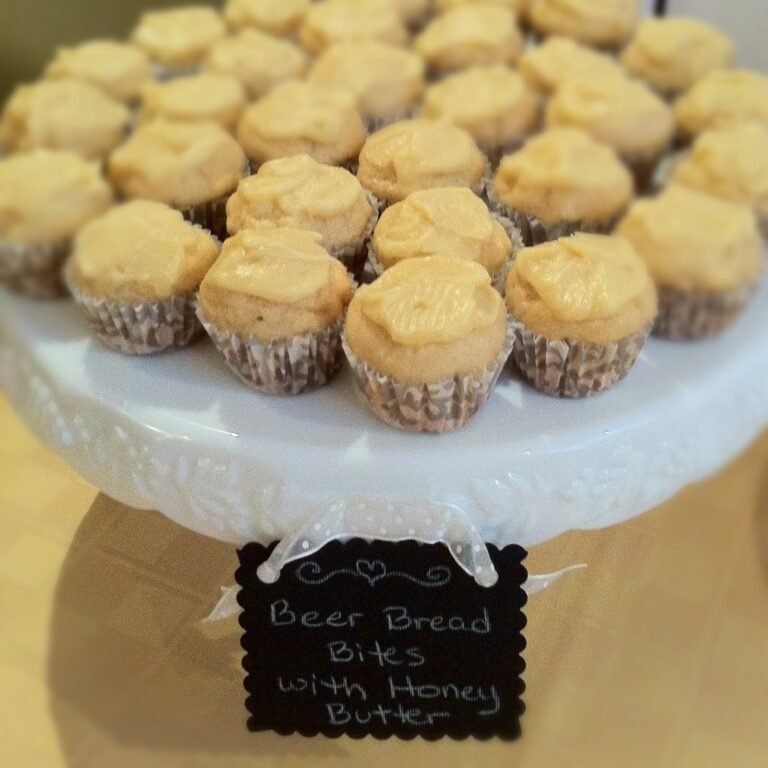

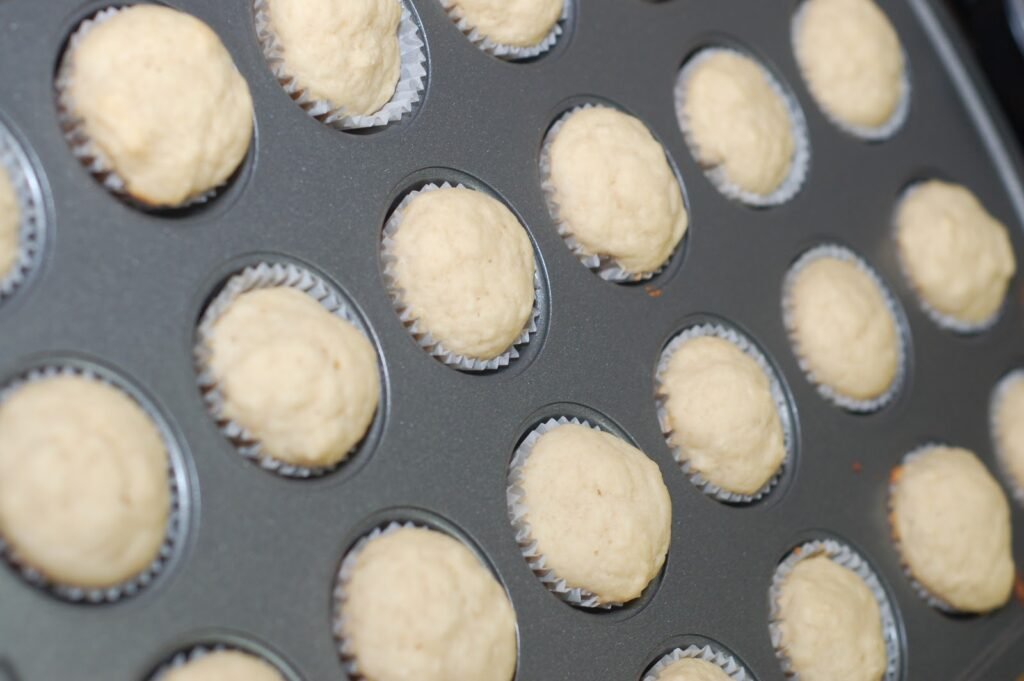
Another treat I made for Octoberfest was beer bread using my hubby’s brew. I wanted to make it bite size , so I used mini muffin tins and liners. I just made the Tastefully Simple mix as usual, added my husband’s brew and baked it at the temperature directed on the box, but cut the time down to 10-15 minutes.

I think next time I will brush some butter on the top before baking so they look more golden. The tasted fine regardless. I just want them to have more of that beach tan, instead of white pasty look.
For the spread I found a recipe online. Pretty simple. And no I didn’t use real butter, but it tasted good anyway. I did use real organic native honey, which tastes fabulous. And I ended up adding a little powdered sugar to the mix.
Honey ButterSpread
adapted from allrecipes.com
Ingredients
- 1/2 cup butter (no substitutes), softened
- 1/2 cup honey
- 2 tablespoons powdered sugar
Directions
- In a small mixing bowl, beat the butter until light and fluffy. Add the honey and powdered sugar; beat just until blended. Serve with bread, bagels or toast. Store in the refrigerator.

I even made a little sign to match the one I made for the Guinness Cupcakes. Care for a bite?
Related Posts




Subscribe for New Racipies
Get mental health tips, updates, and resources delivered to your inbox.