
The Spice Debate – Is Black Pepper Acidic?

Medically reviewed by Aneeza Pervez Updated Date: January 2, 2026

Black pepper, often dubbed the “king of spices,” is a staple ingredient in nearly every cuisine worldwide. Its sharp and pungent flavor has made it a favorite for seasoning everything from hearty soups to crisp salads. However, this beloved spice has sparked a growing curiosity among health enthusiasts and those with digestive concerns. One of the most debated questions is whether black pepper is acidic and how it interacts with the body, particularly for individuals with acid reflux or sensitive stomachs.
For many, spices are a double-edged sword: they add flavor but can sometimes irritate the digestive system. Black pepper’s role in acidity and acid reflux has garnered attention due to its potential to trigger symptoms. Could this kitchen favorite be silently contributing to your discomfort? Let’s unravel the facts about black pepper’s acidity and its overall impact on your health and diet.
Black Pepper and pH: Is It Acidic or Alkaline?
Understanding Black Pepper’s Chemical Composition
Black pepper is composed of several active compounds, most notably piperine, which gives it its characteristic heat and health benefits. Piperine, along with black pepper’s essential oils, contributes to its flavor and potential acidity. Its chemical makeup leans slightly toward the acidic side of the pH scale, though it isn’t as harshly acidic as vinegar or citrus fruits.
Is Black Pepper Acidic or Alkaline?
While black pepper is not strongly acidic, it does fall slightly on the acidic side of the spectrum. Its acidity level depends on how it’s consumed—alone or combined with other foods. In the digestive system, black pepper can stimulate stomach acid production, which aids in breaking down food. However, this effect can sometimes cause irritation for individuals with conditions like GERD or hyperacidity.
Comparison with Other Spices
When compared to other common spices, black pepper holds a middle ground. Spices like chili powder and cayenne pepper are much more likely to cause irritation due to their intense heat and acidity, while milder seasonings like turmeric or coriander are gentler on the stomach. Black pepper’s acidity is less extreme but can still affect sensitive individuals when consumed in large quantities.
The Relationship Between Black Pepper and Acid Reflux
Does Black Pepper Cause Acid Reflux?
For some people, black pepper can act as a trigger for acid reflux. Its spiciness may irritate the esophagus, particularly if the lower esophageal sphincter (LES)—a muscle that prevents stomach acid from rising—is already weakened. This irritation can lead to symptoms such as heartburn, regurgitation, and bloating. While not as potent a trigger as chili or hot sauce, black pepper’s spiciness can still contribute to discomfort in sensitive individuals.
How Spicy Foods Affect Stomach Acid Levels
Spicy foods, including black pepper, can stimulate the production of gastric acid in the stomach. While moderate gastric acid is essential for digestion, excessive production can worsen conditions like GERD. Black pepper’s unique compounds, while beneficial in small amounts, may irritate the stomach lining when consumed in excess, leading to increased acid reflux symptoms.
Author Tip: Are Red Peppers Acidic?
Is Black Pepper Acidic for Acid Reflux?
Yes, black pepper can be mildly acidic and may contribute to acid reflux symptoms, particularly when consumed in large amounts or alongside other acidic foods. However, it’s not solely its acidity but also its spiciness and irritant properties that make it a potential issue for those with GERD.
The Pros and Cons of Black Pepper in Your Diet
Is Black Pepper Good for You?
Black pepper is more than just a seasoning—it’s a nutritional powerhouse. It contains antioxidants that help fight free radicals, compounds that can damage cells and contribute to aging and disease. Additionally, black pepper enhances the bioavailability of other nutrients, such as curcumin in turmeric, making it an excellent companion spice for healthy recipes.
Black Pepper Disadvantages
While black pepper has numerous health benefits, it’s not without its downsides. For individuals with sensitive stomachs or pre-existing gastric issues, its spiciness can cause irritation. Consuming large quantities of black pepper can also overstimulate gastric acid production, leading to discomfort or exacerbating conditions like ulcers.
Is Black Pepper Good for Gastric Issues?
In moderate amounts, black pepper can support digestion by stimulating digestive enzymes and gastric juices. However, excessive consumption may irritate the stomach lining and worsen conditions like gastritis. As with any food, balance is key.
Black Pepper and Health-Specific Impacts
The following are the health benefits of black pepper:
Benefits for Women’s Health
For women, black pepper offers unique advantages. It supports calcium absorption, which is crucial for maintaining bone density, particularly during menopause. Its anti-inflammatory properties may also help alleviate symptoms of PMS or hormonal imbalances. Additionally, black pepper contains compounds that may support skin health and promote a youthful complexion.
Benefits of Black Pepper Sexually
In traditional medicine, black pepper has been revered as a natural aphrodisiac. It is believed to stimulate circulation and enhance sensory perception, which may contribute to improved libido. While scientific evidence is limited, its general health benefits make it a worthy addition to a balanced diet.
Is Black Pepper Bad for Your Kidneys?
For individuals with healthy kidneys, black pepper is generally safe in moderation. However, its oxalate content could pose risks for those prone to kidney stones. People with existing kidney conditions should consult a healthcare provider before increasing their intake.
How Much Black Pepper Is Safe?
Recommended Daily Intake
Experts suggest limiting black pepper intake to 1–2 teaspoons per day. This amount is sufficient to provide its health benefits without overstimulating the digestive system. For those with sensitive stomachs, even smaller quantities may be advisable.
Tips for Safe Consumption
- Combine black pepper with foods high in fiber to minimize irritation.
- Avoid adding black pepper to already spicy or acidic dishes.
- Opt for freshly ground black pepper to maximize its health benefits and flavor.
FAQs
How acidic is black pepper?
Black pepper is mildly acidic but not strongly enough to cause issues for most people unless consumed in excess.
Is black pepper acidic for acid reflux?
Yes, its mild acidity and spiciness can trigger acid reflux in sensitive individuals, particularly if consumed in large quantities.
Is black pepper good for gastric?
In moderation, black pepper can support digestion by stimulating gastric juices, but excessive use may irritate the stomach lining.
Does black pepper cause acid reflux?
Black pepper may cause acid reflux in some people due to its spiciness and ability to stimulate gastric acid production.
The Final Verdict on Black Pepper’s Acidity
Black pepper is a versatile spice with significant health benefits, from enhancing nutrient absorption to providing antioxidant protection. While it leans slightly acidic, its impact on digestion largely depends on individual tolerance and the amount consumed.
For those prone to acid reflux or sensitive stomachs, moderation is crucial. Enjoy black pepper as part of a balanced diet, and if discomfort arises, consult a healthcare professional for tailored advice.
Related Posts



Subscribe for New Racipies
Get mental health tips, updates, and resources delivered to your inbox.
Is Spinach Acidic? Spinach and Acid Reflux

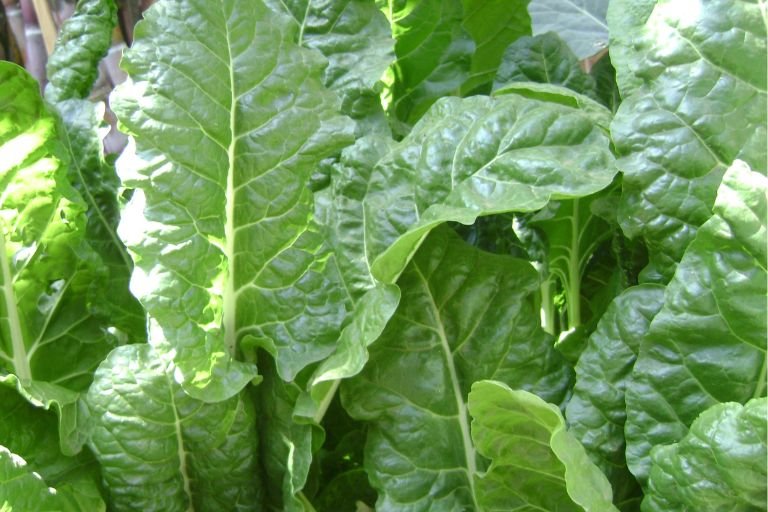
Spinach is often celebrated for its nutritional benefits, but for individuals with acid reflux, it’s important to consider how foods impact their condition. Acid reflux, or gastroesophageal reflux disease (GERD), occurs when stomach acid flows back into the esophagus, causing discomfort and irritation. Dietary choices play a critical role in managing this condition, as certain foods can either trigger or alleviate symptoms.
Among the many leafy greens available, spinach stands out for its versatility and nutrient profile. But how does it affect acid reflux? Is it a trigger food, or can it provide relief? In this article, we’ll explore the acidity of spinach, its effects on acid reflux, and practical tips for incorporating it into a reflux-friendly diet.
Is Spinach Acidic or Alkaline?
Spinach has a mildly acidic natural pH, ranging between 5.5 and 6.8. However, once digested, spinach has an alkaline effect on the body due to its high mineral content, including magnesium, calcium, and potassium. This makes it a favorable choice for people managing acid reflux.
Acidic vs. Alkaline Foods
Foods that leave an alkaline residue after digestion can neutralize stomach acid and reduce reflux symptoms. Spinach’s alkalizing properties make it one of the most recommended leafy greens for those dealing with gastroesophageal reflux disease (GERD).
Spinach and Acid Reflux: Benefits
1. Rich in Alkalizing Minerals
Spinach is packed with magnesium and potassium, which help neutralize stomach acid and soothe the digestive tract.
2. Low in Fat and Calories
Fatty foods are a common trigger for acid reflux because they relax the lower esophageal sphincter (LES). Spinach is naturally low in fat, making it a reflux-friendly option.
3. High in Fiber
Dietary fiber promotes healthy digestion and can help prevent constipation, a condition that can exacerbate acid reflux. One cup of cooked spinach contains approximately 4.3 grams of fiber.
4. Anti-Inflammatory Properties
Spinach contains compounds like beta-carotene and flavonoids, which have anti-inflammatory effects. This can help reduce esophageal irritation caused by acid reflux.
Related to Read: Are Baby Spinach Acidic?
Potential Concerns with Spinach
While spinach is generally safe and beneficial for acid reflux sufferers, some individuals may experience issues:
1. Oxalate Content
Spinach is high in oxalates, which can contribute to kidney stone formation in susceptible individuals. Oxalates do not directly cause acid reflux but may pose risks if consumed in excess.
2. Cooking Methods
How spinach is prepared can influence its effect on acid reflux. For example:
- Raw Spinach: Easier to digest for most people and retains its alkalizing properties.
- Creamed Spinach: Often prepared with dairy and butter, which are high in fat and can trigger acid reflux.
3. Portion Size
Overeating any food, including spinach, can lead to an overfilled stomach, increasing the likelihood of acid reflux. Moderation is key.
How to Include Spinach in an Acid Reflux-Friendly Diet?
To safely incorporate spinach into your diet, consider the following tips:
1. Pair with Alkaline Foods
Combine spinach with other alkaline foods like cucumbers, zucchini, or sweet potatoes for a balanced meal that reduces acidity.
2. Avoid Trigger Ingredients
Avoid adding high-fat dressings, cheese, or acidic condiments like vinegar to spinach dishes.
3. Steam Instead of Frying
Steamed spinach retains its nutrients and is gentle on the stomach. Avoid frying spinach in oil or butter to minimize reflux triggers.
4. Monitor Your Tolerance
Everyone’s tolerance levels differ. Start with small portions of spinach and observe how your body responds.
Author Tip: 7 Kinds of Foods to Avoid with GERD
Spinach-Based Recipes for Acid Reflux
1. Spinach and Quinoa Salad
Ingredients:
- 2 cups fresh spinach
- 1 cup cooked quinoa
- 1/2 cup diced cucumbers
- 1 tbsp olive oil
- A pinch of salt
Instructions: Combine all ingredients in a bowl. Toss with olive oil and enjoy a light, reflux-friendly meal.
2. Spinach and Sweet Potato Smoothie
Ingredients:
- 1 cup fresh spinach
- 1/2 cup cooked sweet potato
- 1 cup almond milk (unsweetened)
- 1 tsp honey (optional)
Instructions: Blend all ingredients until smooth. This nutrient-packed smoothie is soothing and easy to digest.
Author Tip: 7-Day Meal Plan For Gastritis
Scientific Evidence Supporting Spinach for Acid Reflux
Several studies support the inclusion of alkaline foods, including spinach, in managing acid reflux symptoms:
- Alkaline Diets and GERD Relief: A 2018 study in the World Journal of Gastroenterology highlighted the benefits of alkaline foods in reducing GERD symptoms by neutralizing stomach acid.
- Magnesium’s Role: Research published in The American Journal of Clinical Nutrition (2020) emphasized magnesium’s role in reducing acid production and promoting LES function.
- Fiber and Digestive Health: A 2017 study in Nutrients found that high-fiber diets improve digestion and reduce reflux risk.
Final Thoughts
Is spinach acidic? Technically, spinach has a mildly acidic pH, but its alkalizing effect in the body makes it a safe and beneficial choice for those managing acid reflux. By preparing spinach in healthy, low-fat ways and consuming it in moderation, you can enjoy its numerous health benefits without aggravating reflux symptoms.
If you’re unsure about adding spinach to your diet, consult a healthcare provider or dietitian for personalized advice. With mindful choices, spinach can be a delicious and reflux-friendly addition to your meals.
Related Posts
Subscribe for New Racipies
Get mental health tips, updates, and resources delivered to your inbox.