
Are Baby Spinach Acidic? Baby Spinach and Acid Reflux

Medically reviewed by Aneeza Pervez Updated Date: May 1, 2026
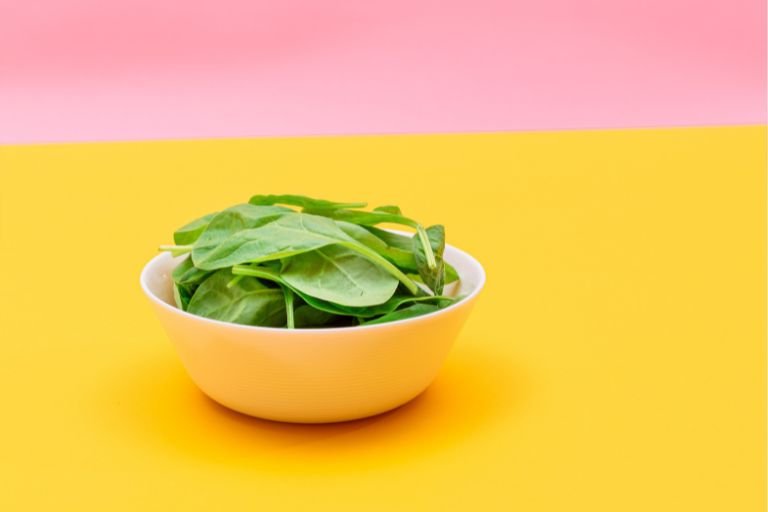
Baby Spinach – A Healthy Yet Questionable Choice for Acid Reflux?
Baby spinach is often hailed as a superfood, rich in vitamins, minerals, and antioxidants. Its tender leaves are a versatile addition to salads, smoothies, and cooked dishes. However, for individuals with acid reflux, the safety of even the healthiest foods is often called into question.
Does baby spinach, with its slightly earthy flavor and nutrient-packed profile, help or hinder acid reflux management? This article explores whether baby spinach is acidic, its nutritional benefits, and how it impacts those with acid reflux. By the end, you’ll know if this leafy green is a safe addition to your diet.
Understanding Acid Reflux: What’s Happening in Your Body?
What Is Acid Reflux?
Acid reflux occurs when stomach acid flows backward into the esophagus, causing irritation. This happens when the lower esophageal sphincter (LES) – the muscle that prevents acid from escaping the stomach – weakens or relaxes at the wrong time.
Common Symptoms Include:
- A burning sensation in the chest (heartburn).
- Sour taste in the mouth.
- Regurgitation of food or liquid.
- Chronic cough or throat discomfort.
How Diet Affects Acid Reflux?
Certain foods can weaken the LES or increase stomach acid production, leading to reflux symptoms. Common triggers include:
- Acidic fruits like oranges and tomatoes.
- Fatty or fried foods.
- Spicy dishes.
- Caffeinated and carbonated beverages.
Green leafy vegetables, like spinach, are generally considered safe for acid reflux sufferers, but is baby spinach any different?
Related to Read: 7 Kinds of Foods to Avoid with GERD
The Acidity of Baby Spinach
Is Baby Spinach Acidic or Alkaline?
Baby spinach is classified as mildly acidic, with a pH range of 5.5 to 6.8, depending on its preparation. Despite its slightly acidic nature, baby spinach is considered alkalizing once metabolized by the body. This means it can help neutralize stomach acid and promote an overall alkaline environment, which is beneficial for acid reflux sufferers.
Does Cooking Affect the Acidity of Baby Spinach?
Yes, cooking methods can influence the acidity of baby spinach. Steaming or lightly sautéing spinach can reduce its oxalate content, making it easier to digest and less likely to irritate the stomach. However, overcooking spinach can concentrate its acidity and reduce its nutrient content.
Nutritional Benefits of Baby Spinach
Why Is Baby Spinach a Superfood?
Baby spinach is nutrient-dense, offering a variety of health benefits in every bite. A cup of raw baby spinach contains:
- Calories: Only 7, making it an excellent low-calorie food.
- Vitamin K: Essential for blood clotting and bone health.
- Vitamin A: Supports vision and immune function.
- Iron: Crucial for red blood cell production.
- Magnesium: Helps maintain muscle and nerve function.
Health Benefits of Baby Spinach
Following is the list of health benefits provided by baby spinach:
- Supports Digestive Health: The fiber in baby spinach promotes healthy digestion and regular bowel movements.
- Anti-Inflammatory Properties: Its antioxidants help combat inflammation, which can be beneficial for esophageal irritation caused by acid reflux.
- Bone Health: Rich in calcium, magnesium, and vitamin K, baby spinach supports strong bones.
- Weight Management: Its low calorie and high nutrient content make it a great choice for weight loss, which can alleviate acid reflux.
Baby Spinach and Acid Reflux: Is It Safe?
Why Baby Spinach Might Help Acid Reflux?
- Alkalizing Effect: Despite its slightly acidic pH, baby spinach becomes alkalizing in the body, helping neutralize stomach acid.
- Low-Fat Content: Baby spinach is naturally low in fat, making it a safe choice for reflux sufferers, as high-fat foods can trigger symptoms.
- Rich in Fiber: Its fiber content supports healthy digestion, which may reduce the risk of acid reflux.
When Baby Spinach Might Trigger Symptoms?
Although baby spinach is generally safe, it may cause discomfort in some cases:
- Raw Baby Spinach: The high fiber content in raw spinach can be tough for sensitive stomachs to digest, leading to bloating or gas.
- Large Portions: Overeating, even healthy foods, can put pressure on the LES and trigger reflux.
- Oxalates: Spinach contains oxalates, which may cause irritation in individuals with sensitive digestive systems.
Tips for Including Baby Spinach in an Acid Reflux-Friendly Diet
1. Choose Cooked Over Raw Spinach
Cooking spinach can reduce its fiber content, making it easier to digest. Steamed or lightly sautéed spinach is a great option for reflux sufferers.
2. Watch Portion Sizes
Stick to moderate portions to avoid overloading your stomach. A half-cup of cooked spinach or one cup of raw spinach is usually sufficient.
3. Avoid Acidic Additions
When preparing spinach dishes, skip acidic ingredients like lemon juice, vinegar, or tomato-based sauces, which can trigger reflux.
4. Pair Spinach with Reflux-Friendly Foods
Combine spinach with alkaline or mild foods like quinoa, sweet potatoes, or lean proteins to create a balanced, reflux-friendly meal.
Alternative Greens for Acid Reflux Sufferers
If baby spinach doesn’t suit your needs, consider these reflux-friendly alternatives:
1. Kale
This nutrient-dense green is also alkalizing and less likely to cause digestive discomfort.
Author Tip: Kale Chips
2. Arugula
Arugula has a mild, peppery flavor and is gentle on the stomach, making it an excellent salad base.
3. Swiss Chard
Rich in vitamins and minerals, Swiss chard is another leafy green that’s easy to digest when cooked.
Lifestyle Tips for Managing Acid Reflux
1. Practice Portion Control
Avoid overeating by consuming smaller, more frequent meals throughout the day.
2. Avoid Eating Late
Refrain from eating within 2-3 hours of bedtime to prevent acid from flowing back into the esophagus.
3. Stay Upright After Meals
Avoid lying down immediately after eating, as this can increase the risk of reflux.
4. Identify and Avoid Triggers
Keep a food diary to pinpoint which foods aggravate your symptoms and eliminate them from your diet.
Conclusion: Is Baby Spinach Acidic and Safe for Acid Reflux?
Baby spinach is mildly acidic but becomes alkalizing once metabolized by the body, making it a generally safe and beneficial food for acid reflux sufferers. Its low fat and high nutrient content, combined with its alkalizing effect, make it a great addition to a reflux-friendly diet.
However, raw spinach or large portions may cause discomfort for some individuals. By cooking spinach, watching portion sizes, and avoiding acidic toppings, you can enjoy the health benefits of this superfood without aggravating your acid reflux.
FAQs: Baby Spinach and Acid Reflux
Q1: Is baby spinach highly acidic?
No, baby spinach is mildly acidic but becomes alkalizing in the body, which can help neutralize stomach acid.
Q2: Can raw spinach cause acid reflux?
Raw spinach can cause bloating or discomfort in some individuals due to its high fiber content. Cooked spinach is often easier to tolerate.
Q3: What is the best way to eat baby spinach for acid reflux?
Lightly steaming or sautéing baby spinach and avoiding acidic toppings like lemon or vinegar is ideal.
Q4: Are there alternatives to baby spinach for acid reflux sufferers?
Yes, kale, arugula, and Swiss chard are excellent alternatives that are gentle on the stomach.
Q5: How much baby spinach should I eat if I have acid reflux?
Stick to moderate portions, such as a half-cup of cooked spinach or one cup of raw spinach, to avoid overloading your stomach.
Related Posts



Subscribe for New Racipies
Get mental health tips, updates, and resources delivered to your inbox.
Pumpkin Spice Marshmallow Puffs



I was watching the Pillsbury Bake-off Contest 2013 all weekend via Instagram. There were a lot of my favorite bloggers in attendance. The whole event looked a lot of fun from their media perspective, but I couldn’t imagine how much pressure the contestants were feeling trying to win $1 million dollars. That’s just crazy. I don’t think I could perform under that kind of pressure. But I would love to know how it feels to win. Perhaps someday I will enter. In the meantime, I was inspired to whip up these little treats for the family this weekend.
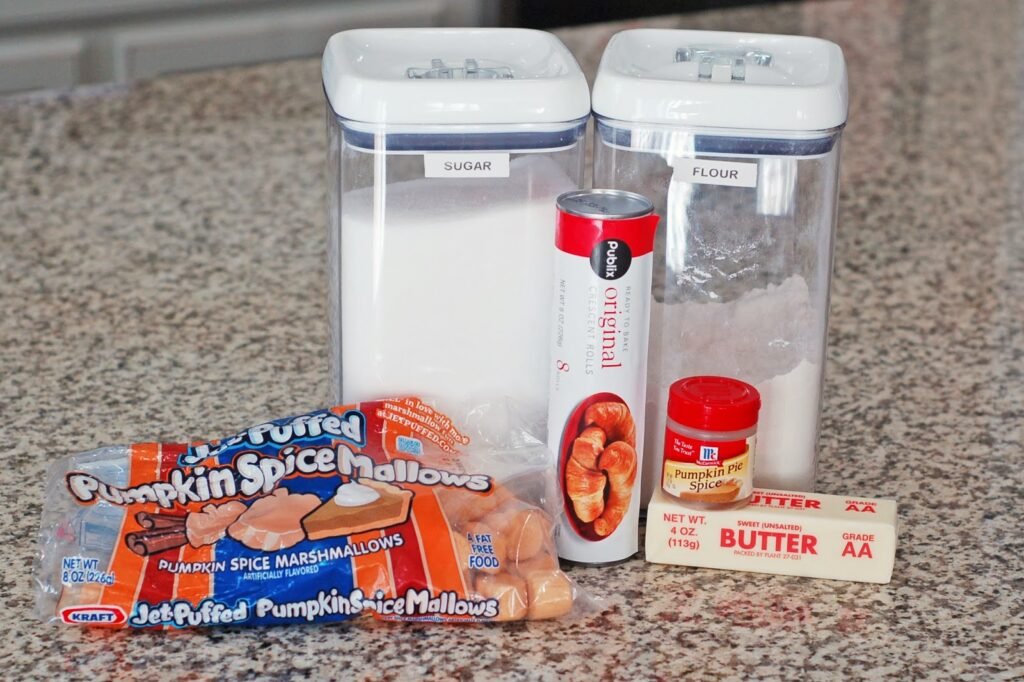
This recipe is adapted from the 1969 Pillsbury Bake-Off Contest winning recipe, the Magic Marshmallow Crescent Puffs. I had some leftover Jet-Puffed Pumpkin Spice Mallows in the pantry and didn’t want them to go to waste. I actually never made the marshmallow puffs before.

My daughter had a blast helping out. They are easy enough for a 7 year old to put them together.

Just dip the marshmallows in the butter and in the sugar mixture. Then roll them up in the crescent. Since the Pumpkin Spice Mallows are smaller than a regular marshmallow, I used two. And I rolled them up from the wide end of the crescent instead of the narrow end. I just folded the sides in over the marshmallows and then rolled them up.

Then you need to make sure all the edges are sealed. I just pinched them a little with my fingers.

Don’t forget to dip the bottoms in the remaining butter. This helps a lot if the crescents leak and makes a sticky mess.

I did have a couple of the puffs leak out a little filling, but since I had greased my pan well and with the added butter, they came out of the pan easily.
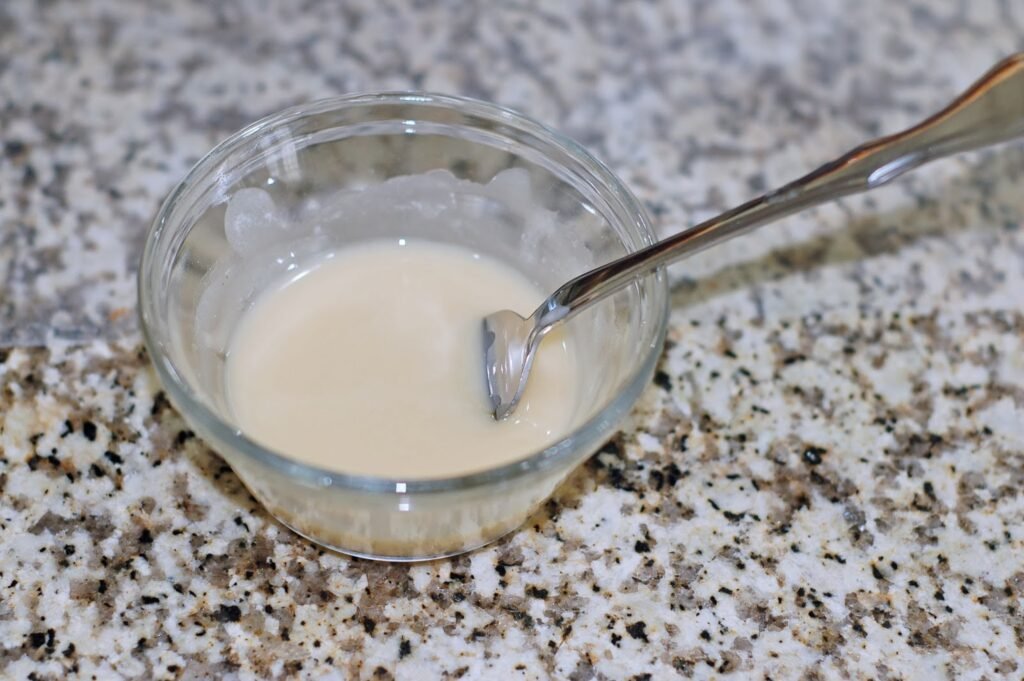
I added a little maple syrup to the glaze for a some extra flavor. And for fun, I added some sprinkles. I like how the marshmallows melt away and leave behind a sweet, gooey filling. The maple glaze topped it off just right.
hese are a great after school treat for the kids or you can double up the recipe for a party. Enjoy!
Pumpkin Spice Marshmallow Puffs

by The Sweet Chick
Prep Time: 15-20 minutes
Cook Time: 12-15 minutes
Keywords: bake dessert snack crescent rolls pumpkin spice pumpkin spice marshmallows maple syrup crescent rolls American fall
Ingredients (8 servings)
For the puffs
- 2 tablespoons sugar
- 1 tablespoon all purpose flour
- 1/2 teaspoon pumpkin pie spice
- 1 can (8 oz.) ready to bake crescent rolls
- 16 Jet-Puffed Pumpkin Spice Mallows
- 2 tablespoons butter, melted
For the glaze
- 1/4 cup powdered sugar
- 1 teaspoon pure maple syrup
- 1 tablespoon milk
Optional toppings
- sprinkles
Instructions
For the puffs
Preheat oven to 375º F.
In a small bowl, mix together the sugar, flour and spice.
Separate crescent rolls into 8 triangles and lay on a flat surface.
First dip each marshmallow in the melted butter, then dip each in the sugar mixture and coat evenly.
Place 2 marshmallows side by side at the widest end of the crescent roll. Wrap the side inwards over the marshmallows then roll until marshmallows are completely covered.
Pinch all seam with fingers to make sure they are sealed. Repeat process for all marshmallows until all crescent rolls are filled.
Dip bottoms of each filled crescent roll in the remaining butter and place buttered side down into a greased muffin pan. You may place muffin pan on a cookie sheet in case of spillage.
Bake at 375ºF for 12-15 minutes or until tops are golden.
Remove from oven and let the crescent puffs cool for 1-2 minutes.
Then remove them from the pan and place them on a cooling rack with a wax paper underneath and prepare the glaze.
For the glaze
in a small bowl mix together the sugar, syrup, and milk until smooth.
Then drizzle evenly over the crescent rolls with a spoon and let the glaze set.
For the toppings
If you want to add sprinkles, add them before the glaze sets.
You can serve these warm or at room temperature. Either way they are just as tasty. And they still taste good the second day if placed in an airtight container.
Related Posts




Subscribe for New Racipies
Get mental health tips, updates, and resources delivered to your inbox.