
Radish Greens: Superfood or Acid Reflux Trigger?

Medically reviewed by Aneeza Pervez Updated Date: January 2, 2026
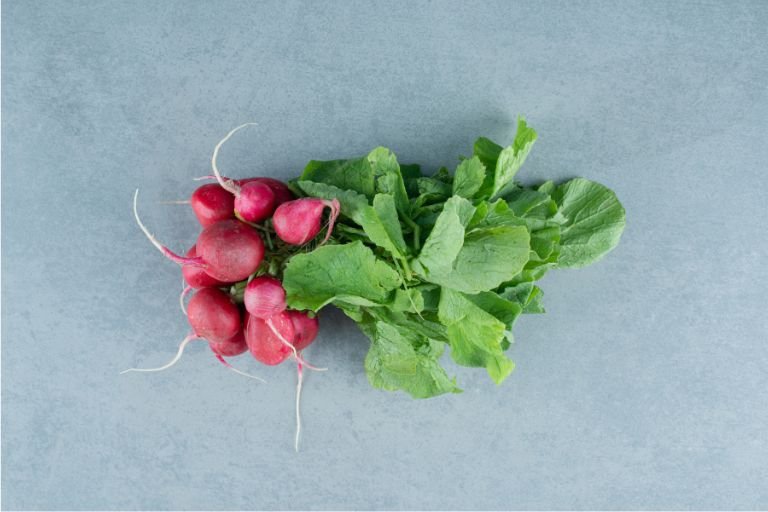
The Hidden Star of Radishes—Radish Greens
When we think of radishes, our minds often picture the crunchy, peppery root that brightens up salads and garnishes dishes. But did you know that the leafy tops of radishes, commonly discarded, are a nutritional powerhouse? Radish greens are quickly gaining attention as a superfood packed with vitamins, minerals, and antioxidants. Yet, for those dealing with acid reflux, these greens pose a pressing question: are they safe to eat, or could they exacerbate symptoms?
Understanding the acidity or alkalinity of foods is crucial for acid reflux sufferers, as diet plays a pivotal role in managing this condition. In this article, we’ll uncover whether radish greens are acidic, their health benefits, and how they interact with acid reflux. By the end, you’ll know how to make an informed decision about including them in your diet.
Radish Greens 101: What Makes Them Special?
What Are Radish Greens? A Nutritional Powerhouse
Radish greens are the leafy tops of the radish plant, often overlooked and discarded despite their exceptional nutritional value. Unlike the root, the greens boast a slightly peppery, earthy flavor, making them a versatile ingredient for soups, salads, and stir-fries.
These greens are not only edible but highly nutritious. They belong to the cruciferous vegetable family, which includes other superfoods like kale, broccoli, and cauliflower. Historically, radish greens have been used in traditional cuisines and even for their medicinal properties. Their rising popularity in the culinary world has encouraged more people to appreciate their health benefits and experiment with creative ways to use them.
Whether you sauté, blend, or eat them raw, radish greens bring a burst of flavor and nutrition to your plate. But how do they fit into a diet designed to manage acid reflux? Let’s explore.
Nutritional Profile of Radish Greens
Radish greens are nutrient-dense, meaning they pack a ton of vitamins and minerals into every bite. Some of the key nutrients include:
- Vitamin C: Boosts immunity, promotes healthy skin, and acts as a powerful antioxidant.
- Iron: Supports healthy blood production and combats fatigue.
- Calcium: Strengthens bones and teeth.
- Fiber: Aids digestion and supports gut health.
- Vitamin A: Essential for vision and skin health.
In addition to these nutrients, radish greens are low in calories and rich in phytochemicals, which help fight inflammation and oxidative stress. Their high fiber content makes them excellent for digestion, which could have indirect benefits for acid reflux management.
Acidity in Focus: Are Radish Greens Acidic or Alkaline?
The pH Level of Radish Greens Explained
Radish greens are considered to be mildly alkaline. The pH level of food determines whether it’s acidic, neutral, or alkaline. Foods with a pH above 7 are alkaline, while those below 7 are acidic. Radish greens typically have a pH closer to neutral or slightly alkaline, making them less likely to trigger acid reflux in comparison to highly acidic foods.
However, the pH of radish greens can be influenced by how they’re prepared. For instance, cooking methods like steaming or boiling can alter their chemical composition slightly. It’s worth noting that the alkalinity of radish greens may help balance the acidic environment in the stomach, potentially reducing reflux symptoms for some people.
Acidic Foods vs. Alkaline Foods: Why It Matters for Acid Reflux
Acid reflux occurs when stomach acid flows back into the esophagus, causing uncomfortable symptoms like heartburn, regurgitation, and a sour taste. It is therefore very important to take care of acidity of food you are eating.
Acidic foods, such as citrus fruits and tomatoes, can aggravate reflux symptoms by relaxing the lower esophageal sphincter (LES) or irritating the esophagus.
On the other hand, alkaline foods can help neutralize stomach acid and soothe the digestive tract. This is why understanding the pH of radish greens is crucial for acid reflux sufferers. While they are not as alkaline as spinach or cucumbers, their mildly alkaline nature makes them a better choice than highly acidic foods.
Author Tip: 7 Kinds of Foods to Avoid with GERD
Radish Greens and Acid Reflux: Friend or Foe?
How Radish Greens May Help Manage Acid Reflux?
Radish greens can be a great addition to a reflux-friendly diet due to their nutrient profile. The high fiber content in radish greens promotes healthy digestion by regulating bowel movements and preventing constipation, which can reduce pressure on the LES. This, in turn, lowers the risk of acid reflux episodes.
Additionally, radish greens contain antioxidants and anti-inflammatory compounds that may soothe irritation in the esophagus and stomach lining. For some individuals, these properties may help minimize the discomfort associated with acid reflux. However, this is highly individualized and depends on how the greens are prepared and consumed.
When Radish Greens Could Worsen Symptoms?
Despite their health benefits, radish greens may not be suitable for everyone. Some factors that could make radish greens aggravate acid reflux include:
- Raw Consumption: Eating raw radish greens may be harsh on the stomach, especially for those with sensitive digestive systems.
- Large Portions: Overeating, even with healthy foods, can increase abdominal pressure and trigger reflux.
- Individual Sensitivity: Some people are sensitive to cruciferous vegetables, which may lead to bloating or indigestion, potentially worsening reflux symptoms.
Smart Ways to Add Radish Greens to a Reflux-Friendly Diet
Cooked vs. Raw: Which Is Better for Acid Reflux?
Cooking radish greens can make them easier to digest and reduce their potential to trigger reflux. Steaming or sautéing the greens not only softens their texture but also makes their nutrients more bioavailable. Cooking also minimizes the sharp, peppery flavor, which can sometimes irritate the stomach.
Raw radish greens, while nutritious, might be too harsh for individuals with severe reflux. If you enjoy them raw, consider blending them into smoothies with alkaline fruits like bananas or pairing them with a creamy, low-fat dressing to balance their acidity.
Pairing Radish Greens with Alkaline Foods
Combining radish greens with other alkaline or reflux-friendly foods can help mitigate any potential irritation. Here are some ideas:
- Pair them with roasted sweet potatoes or quinoa for a balanced meal.
- Add them to soups with alkaline vegetables like zucchini and carrots.
- Top them on a baked potato with low-fat Greek yogurt.
These combinations not only enhance the flavor but also ensure that your meal is easier on the stomach.
Portion Control: Keep It Gentle on Your Stomach
As with any food, moderation is key. Start with a small portion of radish greens (e.g., a handful cooked) to gauge how your body reacts. Avoid eating large amounts in one sitting, as this can increase abdominal pressure and exacerbate reflux symptoms.
Alternatives to Radish Greens for Acid Reflux Sufferers
Alkaline Leafy Greens to Consider
If radish greens don’t sit well with you, there are other leafy greens that are gentler on the stomach:
- Spinach: Highly alkaline and easy to digest.
- Swiss Chard: A versatile, nutrient-packed alternative.
- Kale: Packed with vitamins but milder in flavor.
Author Tip: Are Salads Healthy?
Mild, Reflux-Friendly Veggies
For those who prefer non-leafy options, consider these reflux-friendly vegetables:
- Cucumbers: Hydrating and soothing.
- Zucchini: Mild in flavor and highly digestible.
Author Tip: Are Cucumbers Acidic?
Lifestyle Tweaks to Manage Acid Reflux Effectively
Mindful Eating Habits for Better Digestion
- Chew your food thoroughly to aid digestion.
- Avoid overeating by having smaller, more frequent meals throughout the day.
Avoiding Common Triggers Beyond Food
- Minimize stress, as it can worsen reflux.
- Avoid lying down immediately after meals to prevent acid from flowing back into the esophagus.
Incorporating Exercise for Acid Reflux Relief
Regular physical activity can improve digestion and help maintain a healthy weight, reducing the likelihood of reflux symptoms.
Conclusion: Are Radish Greens a Good Choice for Acid Reflux Sufferers?
Radish greens are a nutrient-dense, mildly alkaline food that can offer numerous health benefits. However, their impact on acid reflux varies from person to person. For some, they may soothe digestive issues, while for others, they could be a trigger.
Cooking them, controlling portion sizes, and pairing them with alkaline foods can make radish greens a reflux-friendly option. As always, listen to your body and consult a healthcare professional for personalized advice.
FAQs: Radish Greens, Acidity, and Acid Reflux
Q1: Are radish greens acidic or alkaline?
Radish greens are mildly alkaline, making them a better choice than acidic foods for reflux sufferers.
Q2: Can I eat radish greens raw if I have acid reflux?
Raw radish greens may be too harsh for some individuals; cooking is recommended to reduce their impact.
Q3: Are radish greens healthier than spinach or kale for acid reflux?
It depends on individual tolerance. Spinach and kale are also excellent choices for reflux-friendly diets.
Q4: How should I prepare radish greens to avoid acid reflux?
Steam or sauté radish greens and pair them with alkaline foods for optimal results.
Q5: What other leafy greens can I eat if radish greens trigger my reflux?
Spinach, Swiss chard, and arugula are great alternatives.
Related Posts



Subscribe for New Racipies
Get mental health tips, updates, and resources delivered to your inbox.
Pumpkin Pie Spice Granola

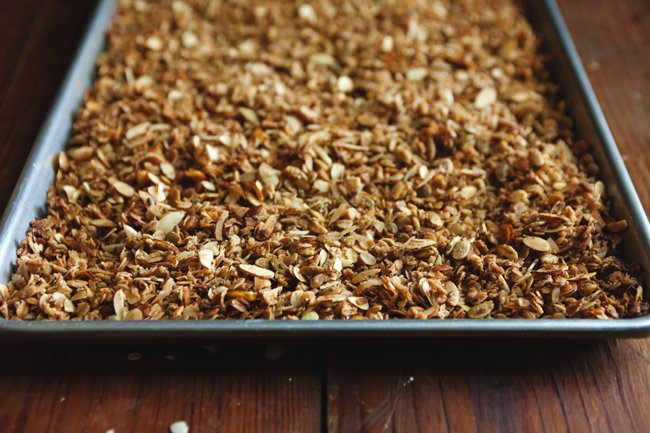
Homemade granola is lovely. It tastes fresher and crisper than anything you get in stores, and you get to customize it to your liking. Hate pecans? Use almonds. Need a little boost of fiber? Throw in flax seeds. Love the smell of pumpkin pies? Use pumpkin pie spices.
I think my favorite part of making granola is deciding on a flavor profile. Cardamom, pistachios, and dried figs go well together, chocolate lovers might throw in a medley of chocolate chips. Cinnamon, nutmeg, ground ginger, and allspice are the strict dominion of pumpkin pie, my favorite kind of pie in the world. So a fall-themed, pumpkin pie spice granola it was.

The process of making granola feels very much like foraging. I had to source a lot of ingredients for this one so that my pantry is now full of bulk bin baggies with trace amounts of their original contents. Into a bowl went heaps of rolled oats, sliced almonds, shiny green pumpkin seeds. Snow-white coconut flakes followed, and flax seeds, and on and on I mixed. Each new ingredient added dimension, another flavor that interacted with all the others just so. And the olive oil? The magical olive oil? I assure you, it will become necessary for your enjoyment of granola. Really.

Finally, the pumpkin pie spices are swallowed up by the mixing bowl. The amount seemed so insubstantial. And yet, when the granola baked, its intoxicating aroma spread to the far reaches of the apartment. We breathed it in and basked in the assurance that the holidays will soon be upon us. We thought with a chill about how quickly time has passed, how it seemed like just yesterday when we moved in. (Gosh, is this blog really only four months old?)
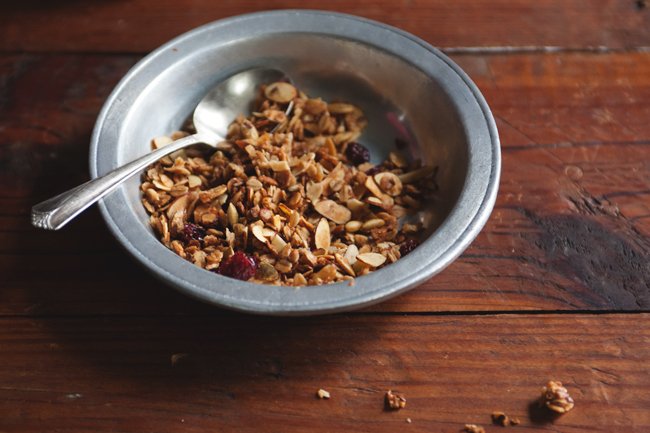

I like granola best with a long pour of whole milk and a steaming mug of coffee, black, on the side. It’s a breakfast that incentivizes me to leave my warm bed, start the water boiling for the french press. I reach for the milk, a big bowl, and a large spoon. It has to be large. You’ll want it to be large too.
But if you were to feel a sudden afternoon craving for something sweet, this granola would make a fine snack. Just plain. Maybe in a Zip-loc bag with its wide opening, the better for grabbing large handfuls. I don’t see why not.
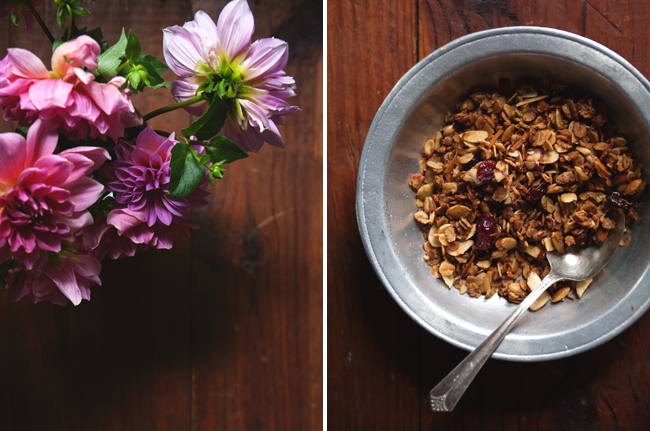

PUMPKIN PIE SPICE GRANOLA
Adapted from Melissa Clark for The New York Times
Makes about 9 cups
Ingredients:
3 cups old-fashioned rolled oats
1-1/2 cups raw sliced almonds
1 cup pumpkin seeds
1 cup sweetened coconut flakes
1/4 cup flax seeds
3/4 cup pure maple syrup
1/2 cup extra virgin olive oil
1/3 cup light brown sugar, packed
1 tsp salt
1/2 tsp cinnamon
1/4 tsp nutmeg
1/4 tsp ground ginger
1/8 tsp allspice
3/4 cup dried cranberries
Directions:
Preheat oven to 300 degrees. In a large bowl, combine oats, almonds, pumpkin seeds, coconut flakes, flax seeds, maple syrup, olive oil, brown sugar, salt, cinnamon, nutmeg, ginger, and allspice.
Spread mixture on a rimmed baking sheet in an even layer and bake for 45 minutes, stirring every 10 minutes, until golden brown and well toasted.
Transfer granola to a large bowl and add cranberries, tossing to combine.
Related Posts






Subscribe for New Racipies
Get mental health tips, updates, and resources delivered to your inbox.