Is Peppermint Tea Acidic? Peppermint Tea and Acid Reflux

Medically reviewed by Aneeza Pervez Updated Date: January 5, 2026
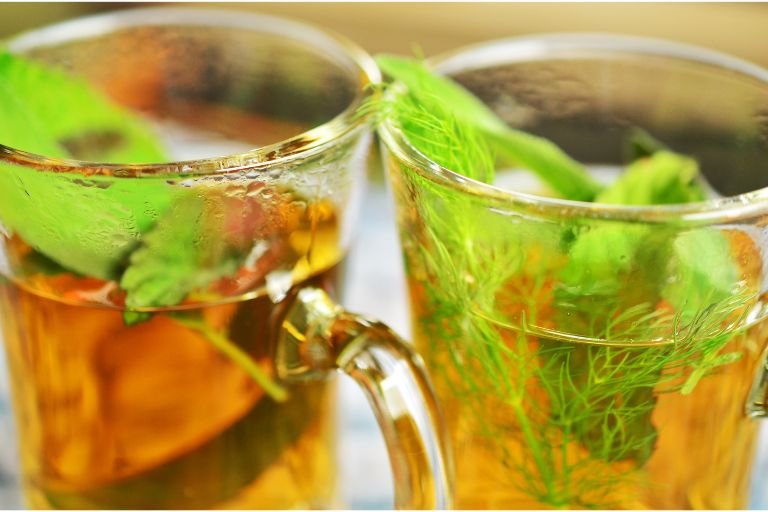
Is Peppermint Tea Acidic

Peppermint tea is a soothing, caffeine-free beverage that’s often enjoyed for its refreshing flavor and digestive benefits. It’s a popular remedy for issues like bloating, nausea, and indigestion. However, if you’re dealing with acid reflux or GERD (gastroesophageal reflux disease), you may wonder: “Is peppermint tea acidic, and is it safe for acid reflux?”

While peppermint tea is not acidic (its pH level is close to neutral, around 6.0 to 7.0), it is not always suitable for those with acid reflux. Despite its alkalinity, peppermint can relax the lower esophageal sphincter (LES), which is the muscle that prevents stomach acid from flowing back into the esophagus. For this reason, peppermint tea may trigger or worsen acid reflux symptoms in some individuals.

In this article, we’ll explore the relationship between peppermint tea and acid reflux, its health benefits, and tips for deciding whether it’s the right choice for your digestive health.


Is Peppermint Tea Acidic or Alkaline?

Peppermint tea is considered alkaline to neutral, with a pH level between 6.0 and 7.0. Unlike acidic beverages such as coffee, citrus juices, or sodas, peppermint tea does not contribute to acidity in the stomach.

However, despite its neutral pH, peppermint tea is not always reflux-friendly. Its effect on the lower esophageal sphincter (LES) is a key factor in determining whether it’s safe for acid reflux sufferers. Peppermint has a natural muscle-relaxing property that can weaken the LES, potentially allowing stomach acid to flow back into the esophagus.

Nutritional Profile and Benefits of Peppermint Tea

Peppermint tea offers a range of health benefits, particularly for digestion, thanks to its soothing properties. Here are some of the key nutritional and health highlights:

1. Naturally Caffeine-Free

Peppermint tea is an excellent alternative to caffeinated beverages like coffee and black tea, which can worsen acid reflux by stimulating stomach acid production.

2. Rich in Antioxidants

Peppermint tea contains antioxidants, such as flavonoids, that combat free radicals and reduce inflammation in the body.

3. Digestive Benefits

  • Eases Bloating: Peppermint tea is widely used to relieve bloating and gas.
  • Improves Digestion: It promotes the production of bile, aiding in the digestion of fats.

4. Anti-Inflammatory Properties

The menthol in peppermint has anti-inflammatory effects, which can help soothe the digestive tract.

5. Relieves Nausea

Peppermint tea is a popular remedy for nausea and motion sickness.


6. Low Calorie

Peppermint tea is virtually calorie-free, making it a light and hydrating beverage.

Does Peppermint Tea Trigger Acid Reflux?

Although peppermint tea is alkaline and beneficial for digestion in many cases, it can trigger or worsen acid reflux symptoms in some people. Here’s why:

1. Relaxation of the Lower Esophageal Sphincter (LES)

  • Peppermint naturally relaxes smooth muscles, including the LES, which separates the stomach from the esophagus. When the LES relaxes too much, stomach acid can flow back into the esophagus, causing heartburn and reflux symptoms.

2. Increased Stomach Acid Sensitivity

  • While peppermint doesn’t increase stomach acid production, it can make the esophagus more sensitive to the acid that refluxes. This is why some people experience a burning sensation after drinking peppermint tea.

3. Individual Sensitivities

  • Some people with GERD are more sensitive to peppermint’s effects than others. While one person may tolerate peppermint tea well, another might find that it triggers symptoms.

Who Should Avoid Peppermint Tea?

Peppermint tea is not ideal for everyone, especially those who:

  • Have severe GERD or frequent acid reflux: Peppermint tea may worsen symptoms by relaxing the LES.
  • Experience heartburn after drinking peppermint tea: If peppermint tea consistently triggers symptoms, it’s best to avoid it.
  • Have esophageal ulcers or hiatal hernia: These conditions can make the esophagus more sensitive to peppermint’s muscle-relaxing effects.

Alternatives to Peppermint Tea for Acid Reflux

If peppermint tea doesn’t work for you, there are other reflux-friendly herbal teas that can provide soothing benefits without aggravating symptoms:

1. Ginger Tea

  • Ginger tea is an excellent option for acid reflux sufferers. It has anti-inflammatory properties and helps soothe the stomach while reducing nausea and indigestion.

2. Chamomile Tea

  • Chamomile tea has calming and anti-inflammatory effects, making it a great choice for reducing stress and relieving reflux symptoms.

3. Licorice Root Tea

  • Deglycyrrhizinated licorice (DGL) tea can help coat the esophagus and stomach lining, reducing irritation caused by acid reflux.

4. Marshmallow Root Tea

  • Marshmallow root tea contains mucilage, which soothes and protects the esophagus from stomach acid.

5. Fennel Tea

  • Fennel tea aids digestion, reduces bloating, and has a calming effect on the stomach.

Frequently Asked Questions About Peppermint Tea and Acid Reflux

1. Is peppermint tea bad for acid reflux?

For some individuals with acid reflux, peppermint tea can relax the LES and trigger symptoms. However, others may tolerate it well. It’s best to monitor your body’s response.

2. Why does peppermint tea cause heartburn in some people?

Peppermint tea can relax the LES, allowing stomach acid to flow back into the esophagus, which may cause heartburn in sensitive individuals.

3. Can peppermint tea help with digestion?

Yes, peppermint tea is known to improve digestion, relieve bloating, and reduce gas. However, its muscle-relaxing effects may worsen acid reflux for some people.

4. Should I avoid all peppermint products if I have GERD?

Not necessarily. Some people with GERD may tolerate small amounts of peppermint in foods or teas, while others may need to avoid it completely. Start with small amounts and assess your tolerance.


5. What is the best herbal tea for acid reflux?

Ginger tea, chamomile tea, and licorice root tea are often considered the best herbal teas for acid reflux due to their soothing and anti-inflammatory properties.

Final Thoughts

Peppermint tea, while alkaline and soothing for many, may not be the best choice for acid reflux sufferers due to its ability to relax the lower esophageal sphincter (LES). This relaxation can lead to stomach acid flowing back into the esophagus, causing heartburn and discomfort.

If you enjoy peppermint tea and notice no adverse effects, it can be a refreshing and beneficial addition to your diet. However, for those who find that it triggers reflux symptoms, switching to reflux-friendly alternatives like ginger tea or chamomile tea may be a better option.

As with any dietary decision, it’s important to listen to your body and consult with a healthcare professional if you’re unsure about incorporating peppermint tea into your routine.


Subscribe for New Racipies

Get mental health tips, updates, and resources delivered to your inbox.

How Much Caffeine in Pepsi Max? (Complete Guide by Size, Region & Comparisons)

Dr. Aris Thorne
how much caffeine in pepsi max

A 12 oz can of Pepsi Max contains about 69mg of caffeine—similar to regular Pepsi but less than most energy drinks. This moderate boost comes from added caffeine, not just cola nut extract. If you’re monitoring intake, note that larger sizes or multiple cans add up quickly. Always check labels, and consult your provider if you’re caffeine-sensitive.

As a food blogger with a strong focus on wellness and smarter beverage habits, I’m often asked How Much Caffeine in Pepsi Max actually contains—especially by readers who assume “sugar-free” automatically means harmless.

The truth is, many people focus on avoiding sugar while completely overlooking caffeine intake. Drinks like Pepsi Max can still contain enough caffeine to affect sleep quality, anxiety levels, and even heart rhythm—especially when paired with coffee, energy drinks, or pre-workout supplements, as confirmed by the Sleep Foundation.

Recently, a reader reached out after dealing with unexplained insomnia and constant jitters. After reviewing their routine, we discovered they were drinking multiple cans of Pepsi Max every day without realizing how quickly the caffeine was adding up.


That’s more common than people think.

While moderate caffeine intake may be fine for many adults, personal tolerance varies widely based on sleep habits, stress levels, and overall health, according to the FDA’s caffeine safety guidelines.

In this guide, I’ll break down Pepsi Max caffeine content by size, flavor, and region, compare it to other drinks, and help you make smarter choices for balanced energy and better sleep.

TL;DR: Quick Overview

  • Standard 330 ml can: ~42 mg caffeine—a mild, manageable boost for most adults.
  • Per 100 ml baseline: ~12.7 mg globally, useful for calculating custom portions.
  • 500 ml bottle: ~63 mg; 600 ml bottle: ~76 mg; 2-liter bottle: ~254 mg.
  • Vs. coffee: Contains significantly less stimulation than a standard cup of brewed coffee (~95 mg).
  • Vs. Coke Zero: Holds slightly more caffeine (~42 mg vs. ~34 mg per 330 ml can).
  • Clinical takeaway: Always monitor your daily intake to protect sleep quality and cardiovascular health.

Does This Zero-Sugar Cola Contain Caffeine?

Yes, this popular diet beverage absolutely contains this natural stimulant. Many people mistakenly believe that zero-sugar drinks automatically lack stimulants. This assumption often leads to accidental overconsumption late at night.

Beverage companies add this ingredient specifically to enhance the flavor profile. It provides a slightly bitter edge that balances the artificial sweeteners perfectly. Furthermore, it gives consumers that signature energy boost they expect from a cola, as noted in USDA FoodData Central nutritional databases.

Typically, you will find around 12 to 13 mg per 100 ml in the formula. This amount varies slightly depending on your specific global region. However, it remains a consistent source of daily stimulation.

Understanding the Content Per 100ml

When evaluating beverage nutrition, we must establish a baseline measurement. Medical professionals always look at the concentration per 100 milliliters. This allows us to compare different drinks accurately and fairly.


If you wonder how much caffeine is in Pepsi Max per 100 ml, the answer is roughly 12.7 mg. This specific concentration remains relatively stable across most standard retail formulas, according to manufacturer disclosures reviewed by the European Food Safety Authority.

This baseline number is incredibly useful for calculating your exact daily intake. If you pour a glass from a larger bottle, you can easily do the math. Simply multiply this base number by your portion size.

Stimulant Levels by Drink Size

Viewers frequently ask me about specific retail container sizes. The total amount of stimulation you consume depends entirely on the package size. Let us break down the exact numbers for the most common retail options.

If you grab a standard can, you are looking at how much caffeine is in Pepsi Max 330 ml. This popular size delivers roughly 42 milligrams to your system. This amount provides a mild, manageable boost for most healthy adults.

Next, we often see the slightly larger 375ml cans in certain markets. These contain approximately 47 milligrams of the active ingredient. Moving up, you might wonder how much caffeine is in Pepsi Max 500 ml bottles.

A 500ml bottle delivers a more substantial 63 milligrams. Furthermore, convenience stores often sell the larger 600ml bottles. If you drink a 600ml bottle, you consume about 76 milligrams at once.

Finally, we must discuss family-sized containers. Pouring from a 2-liter bottle can quickly escalate your intake. An entire 2-liter bottle contains a massive 254 milligrams.

SizeApprox. Caffeine Amount
330 ml~42 mg
375 ml~47 mg
500 ml~63 mg
600 ml~76 mg
2 Liter~254 mg

Source: Manufacturer nutritional data; values may vary by region and formulation.


Regional Variations Across the Globe

Beverage formulas rarely stay identical across international borders. Different countries enforce varying food safety and labeling regulations. Consequently, the stimulant concentration fluctuates slightly depending on your location.

Many of my European viewers ask how much caffeine is in Pepsi Max UK variants. In the UK and across Europe, the formula strictly adheres to the 12.7 mg per 100 ml baseline. Regional labeling laws require manufacturers to display this clearly on the packaging, per EFSA guidelines.

Similarly, we must consider the Southern Hemisphere. When checking the Pepsi Max caffeine content Australia guidelines, the numbers remain quite comparable. Australian formulas typically match the European standard very closely.

Therefore, whether you buy a can in London or Sydney, the metabolic impact remains similar. However, always check the local nutritional label if you travel internationally. Local manufacturing processes can occasionally alter these baseline numbers.

Evaluating the Cherry Flavor Formula

Evaluating the Cherry Flavor Formula

Flavor variations often confuse consumers regarding nutritional content. Many people assume that adding fruit flavoring alters the underlying stimulant profile. I frequently hear questions about how much caffeine is in Pepsi Max Cherry variants.

Fortunately, the flavor additives do not significantly change the core formula. The cherry version contains practically the same stimulant profile as the original recipe, according to comparative analyses in PubMed research.

For instance, if you check how much caffeine is in Pepsi Max Cherry 330 ml, you will find roughly 42 mg. Similarly, a 500 ml cherry bottle delivers the standard 63 mg. You can safely switch flavors without disrupting your calculated daily intake.

Coffee vs Diet Cola: A Clinical Comparison

Comparing colas to traditional coffee is a crucial dietary exercise. Recently, a patient in my clinic complained of severe morning jitters. We immediately analyzed her daily intake to find the hidden culprit.

She wanted to know how much caffeine in Pepsi Max vs. coffee actually exists. I explained that a standard 330ml cola delivers about 42 mg. In stark contrast, a standard 240 ml cup of brewed coffee delivers roughly 95 mg, per Harvard T.H. Chan School of Public Health.


BeverageApproximate Caffeine
Diet Cola (330 ml)~42 mg
Brewed Coffee (240 ml)~95 mg

Coffee clearly packs more than double the punch per serving. If you want a milder morning start, the soda offers a gentler climb. However, drinking multiple sodas quickly equals the impact of a strong coffee.

Comparing Against Coke Zero

The cola wars extend directly into nutritional profiles. Many health-conscious consumers constantly debate between the two leading zero-sugar brands. They specifically ask how much caffeine in Pepsi Max vs coke zero exists.

Interestingly, Pepsi Max generally contains a higher stimulant concentration. Coke Zero typically hovers around 34 mg per 330ml can. Therefore, Pepsi delivers about 8 milligrams more per standard serving, as verified in our Coke Zero caffeine breakdown.

While this difference seems minor, it absolutely matters for sensitive individuals. If you process stimulants very slowly, that extra 8 milligrams might delay your sleep. Always choose the brand that aligns best with your metabolic tolerance.

Why Knowing These Levels Actually Matters

You might wonder why we obsess over these specific milligram counts. Tracking the exact caffeine levels in Pepsi Max holds immense clinical importance. This chemical acts as a powerful central nervous system stimulant.

When you consume it, it rapidly alters your brain chemistry. It primarily provides a temporary surge in alertness and focus. However, this same chemical can cause significant sleep disruption if consumed late, according to the Mayo Clinic.

Furthermore, it impacts your cardiovascular system directly. It can slightly elevate your heart rate and your blood pressure. For these reasons, treating it like a medical variable helps optimize your daily health.

The Mechanism of Action in Your Body

To truly understand this compound, we must look at cellular biology. How exactly does this chemical wake you up? It specifically blocks adenosine receptors inside your brain.

Adenosine is a natural chemical that builds up throughout the day. It actively signals your body that you need sleep. By blocking these receptors, the stimulant effectively tricks your brain into feeling wide awake.


Consequently, your body releases natural adrenaline. This process increases your heart rate and opens your airways slightly. The Food and Drug Administration notes that these effects peak within roughly one hour of consumption. Genetic variations in the CYP1A2 liver enzyme also dictate how fast you clear caffeine from your system, as per NIH genetic research.

Is This Beverage Medically Safe?

Safety entirely depends on your individual dosage and metabolic health. As a public health specialist, I always reference clinical guidelines. The FDA states that up to 400 mg per day remains safe for most healthy adults.

Drinking one or two cans easily fits within this safe threshold. However, individual sensitivity plays a massive role here. Some people metabolize this chemical rapidly, while others process it very slowly.

If you are a slow metabolizer, even one can may cause profound jitters. Therefore, you must listen strictly to your body’s feedback. Never blindly consume the maximum limit just because a guideline allows it. For personalized tracking, try our caffeine calculator by weight and age.

Who Should Strictly Limit Their Intake?

While generally safe for healthy adults, specific populations must exercise extreme caution. Pregnant individuals should drastically reduce their daily consumption. High stimulant levels can cross the placenta and affect fetal heart rates, according to ACOG pregnancy guidelines.

Furthermore, children and adolescents should avoid these beverages entirely. Their developing nervous systems handle stimulants very poorly. The Centers for Disease Control and Prevention strongly advises against youth consumption of these drinks.

Finally, individuals diagnosed with severe anxiety disorders must limit their intake. Stimulants naturally mimic the physical symptoms of a panic attack. Consuming too much soda can easily trigger unnecessary mental distress.

For people with cardiovascular concerns, the American Heart Association recommends cautious stimulant consumption.

Recognizing the Side Effects of Overconsumption

Recognizing the Side Effects of Overconsumption

Even healthy adults can accidentally cross their physical limits. Recognizing the signs of overconsumption can save you from severe discomfort. The most common immediate side effect is sudden, unexplainable insomnia.

If you drink a large bottle with dinner, you will likely stare at the ceiling at midnight. Additionally, you might experience uncomfortable heart palpitations. This feels like your heart is racing or skipping a beat entirely.


Other common symptoms include digestive upset, muscle tremors, and extreme irritability. If you experience these signs, you must stop consumption immediately. Drink plenty of plain water to help your kidneys flush the chemical out.

Exploring Caffeine-Free Alternatives

Sometimes, you simply want the cola taste without the nervous system stimulation. Many viewers ask me if a Pepsi Max no caffeine version exists. The answer is yes, but availability varies by location.

The company produces a specific Pepsi Max no caffeine 24 pack for retail. This version uses a different flavor profile to mimic the original taste. It completely removes the stimulant, making it perfect for evening consumption.

If you struggle with insomnia, I highly recommend finding this specific variant. It allows you to enjoy a zero-sugar treat after dinner. Most importantly, it completely protects your vital sleep architecture.

Establishing a Safe Daily Limit

How many cans can you safely consume during a busy workday? To answer this, we must look at your entire dietary landscape. If you do not drink coffee or tea, your limit is higher.

Generally, consuming two to three 330ml cans per day remains perfectly safe. This puts you well below the 400 mg maximum threshold. However, if you drink coffee every morning, you must count those milligrams too.

I advise my viewers to stop all stimulant consumption by 2:00 PM. This simple rule gives your liver ample time to clear the chemical. Consequently, you protect your deep sleep cycles every single night. For additional guidance on timing and tolerance, consult our does Pepsi have caffeine guide.

Quick Reference Intake Table

To help you manage your daily health, I created this clinical reference guide. It outlines how different dosages typically affect a healthy adult body.

Intake AmountTypical Physiological Effect
Under 100 mgMild alertness, slight mood elevation
200 to 300 mgModerate stimulation, increased heart rate
Over 400 mgHigh risk of side effects, anxiety, insomnia

Note: Individual responses vary based on genetics, tolerance, and concurrent medication use.

FAQs

How much caffeine is in Pepsi Max 330ml?

A standard 330ml Pepsi Max can contains approximately 42 mg caffeine. That’s a mild boost—about one-tenth of the FDA’s 400 mg daily limit. Perfect for a gentle afternoon pick-me-up. But remember: caffeine adds up fast. Track your total intake from all sources. Small awareness prevents jitters or sleep trouble. Your body deserves mindful fueling.


Is Pepsi Max stronger than coffee?

Not even close. One Pepsi Max can (42 mg) has less than half the caffeine of a standard coffee cup (~95 mg). Even a small Starbucks espresso (75 mg) outpaces it. If you need serious energy, coffee wins. But if you want light fizz with minimal stimulant load? Pepsi Max fits. Choose based on your goals—and your tolerance.

Does Pepsi Max have more caffeine than Coke Zero?

Yes—slightly. Pepsi Max packs about 42 mg per can. Coke Zero offers roughly 34 mg. That 8 mg difference won’t matter for most people. But if you’re highly caffeine-sensitive, every milligram counts. Both are far milder than coffee or energy drinks. Read labels. Know your limits. Small choices create big comfort. Compare both in our Coke Zero caffeine analysis.

Is Pepsi Max caffeine-free?

Standard Pepsi Max is not caffeine-free—it contains about 42 mg per 330ml can. However, Pepsi does offer a caffeine-free version in select global markets. Check the label carefully before buying. If you’re avoiding stimulants entirely, look for “caffeine-free” printed clearly on the packaging. When in doubt, ask store staff or contact the manufacturer directly.

Does the cherry flavor have more stimulants?

No—Pepsi Max Cherry contains the same 42 mg caffeine as the original. Flavor changes don’t alter the caffeine profile. Whether you prefer classic, cherry, or other variants, the stimulant load stays consistent. Enjoy your favorite taste without worrying about hidden caffeine spikes. Just track your total daily intake across all beverages. Mindful sipping supports steady energy.

Is Pepsi Max safe during pregnancy?

The American College of Obstetricians and Gynecologists (ACOG) recommends that pregnant individuals limit caffeine to less than 200 mg per day. Since a standard Pepsi Max can contains ~42 mg, moderate consumption may fit within this threshold—but always consult your OB-GYN first. Individual health factors and total daily intake from all sources matter most.

Conclusion

Understanding exactly how much caffeine is in Pepsi Max is crucial for your daily wellness. As we have thoroughly explored, a standard can delivers roughly 42 mg of stimulation. While this remains significantly lower than a cup of coffee, it still impacts your nervous system directly.

As a medical professional, I always urge my viewers to track their liquid calories and stimulants equally. Drinking a 2-liter bottle rapidly pushes you toward the FDA’s daily maximum limit. This can trigger uncomfortable palpitations, severe anxiety, and frustrating insomnia.

However, when consumed in strict moderation, this beverage serves as a perfectly safe afternoon pick-me-up. By choosing smaller sizes and avoiding late-night consumption, you can enjoy the flavor safely. Always listen to your body’s unique metabolic signals and adjust your daily habits accordingly.

For ongoing updates on beverage safety and nutrition science, bookmark our food and nutrition resource center. For additional personalized health guidance, consult resources like the National Coffee Association’s health research or speak with your healthcare provider about your individual caffeine tolerance and cardiovascular risk factors.

Evidence-Based Reference:


Subscribe for New Racipies

Get mental health tips, updates, and resources delivered to your inbox.