
Is Spinach Acidic? Spinach and Acid Reflux

Medically reviewed by Aneeza Pervez Updated Date: January 2, 2026
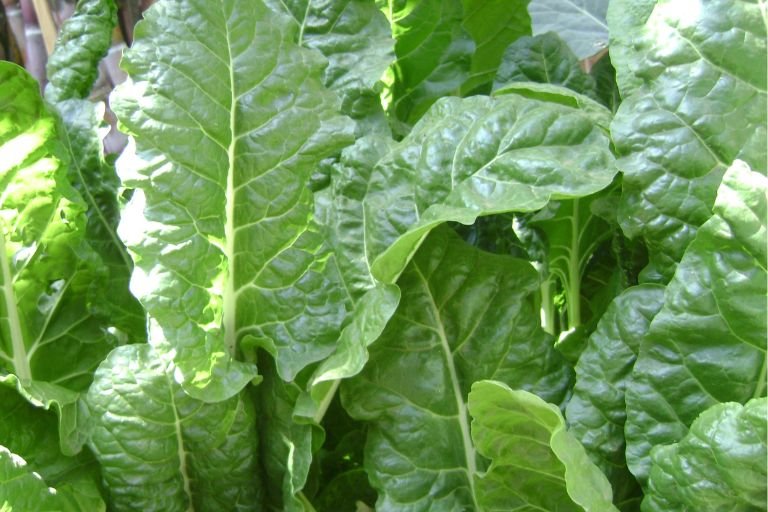
Spinach is often celebrated for its nutritional benefits, but for individuals with acid reflux, it’s important to consider how foods impact their condition. Acid reflux, or gastroesophageal reflux disease (GERD), occurs when stomach acid flows back into the esophagus, causing discomfort and irritation. Dietary choices play a critical role in managing this condition, as certain foods can either trigger or alleviate symptoms.
Among the many leafy greens available, spinach stands out for its versatility and nutrient profile. But how does it affect acid reflux? Is it a trigger food, or can it provide relief? In this article, we’ll explore the acidity of spinach, its effects on acid reflux, and practical tips for incorporating it into a reflux-friendly diet.
Is Spinach Acidic or Alkaline?
Spinach has a mildly acidic natural pH, ranging between 5.5 and 6.8. However, once digested, spinach has an alkaline effect on the body due to its high mineral content, including magnesium, calcium, and potassium. This makes it a favorable choice for people managing acid reflux.
Acidic vs. Alkaline Foods
Foods that leave an alkaline residue after digestion can neutralize stomach acid and reduce reflux symptoms. Spinach’s alkalizing properties make it one of the most recommended leafy greens for those dealing with gastroesophageal reflux disease (GERD).
Spinach and Acid Reflux: Benefits
1. Rich in Alkalizing Minerals
Spinach is packed with magnesium and potassium, which help neutralize stomach acid and soothe the digestive tract.
2. Low in Fat and Calories
Fatty foods are a common trigger for acid reflux because they relax the lower esophageal sphincter (LES). Spinach is naturally low in fat, making it a reflux-friendly option.
3. High in Fiber
Dietary fiber promotes healthy digestion and can help prevent constipation, a condition that can exacerbate acid reflux. One cup of cooked spinach contains approximately 4.3 grams of fiber.
4. Anti-Inflammatory Properties
Spinach contains compounds like beta-carotene and flavonoids, which have anti-inflammatory effects. This can help reduce esophageal irritation caused by acid reflux.
Related to Read: Are Baby Spinach Acidic?
Potential Concerns with Spinach
While spinach is generally safe and beneficial for acid reflux sufferers, some individuals may experience issues:
1. Oxalate Content
Spinach is high in oxalates, which can contribute to kidney stone formation in susceptible individuals. Oxalates do not directly cause acid reflux but may pose risks if consumed in excess.
2. Cooking Methods
How spinach is prepared can influence its effect on acid reflux. For example:
- Raw Spinach: Easier to digest for most people and retains its alkalizing properties.
- Creamed Spinach: Often prepared with dairy and butter, which are high in fat and can trigger acid reflux.
3. Portion Size
Overeating any food, including spinach, can lead to an overfilled stomach, increasing the likelihood of acid reflux. Moderation is key.
How to Include Spinach in an Acid Reflux-Friendly Diet?
To safely incorporate spinach into your diet, consider the following tips:
1. Pair with Alkaline Foods
Combine spinach with other alkaline foods like cucumbers, zucchini, or sweet potatoes for a balanced meal that reduces acidity.
2. Avoid Trigger Ingredients
Avoid adding high-fat dressings, cheese, or acidic condiments like vinegar to spinach dishes.
3. Steam Instead of Frying
Steamed spinach retains its nutrients and is gentle on the stomach. Avoid frying spinach in oil or butter to minimize reflux triggers.
4. Monitor Your Tolerance
Everyone’s tolerance levels differ. Start with small portions of spinach and observe how your body responds.
Author Tip: 7 Kinds of Foods to Avoid with GERD
Spinach-Based Recipes for Acid Reflux
1. Spinach and Quinoa Salad
Ingredients:
- 2 cups fresh spinach
- 1 cup cooked quinoa
- 1/2 cup diced cucumbers
- 1 tbsp olive oil
- A pinch of salt
Instructions: Combine all ingredients in a bowl. Toss with olive oil and enjoy a light, reflux-friendly meal.
2. Spinach and Sweet Potato Smoothie
Ingredients:
- 1 cup fresh spinach
- 1/2 cup cooked sweet potato
- 1 cup almond milk (unsweetened)
- 1 tsp honey (optional)
Instructions: Blend all ingredients until smooth. This nutrient-packed smoothie is soothing and easy to digest.
Author Tip: 7-Day Meal Plan For Gastritis
Scientific Evidence Supporting Spinach for Acid Reflux
Several studies support the inclusion of alkaline foods, including spinach, in managing acid reflux symptoms:
- Alkaline Diets and GERD Relief: A 2018 study in the World Journal of Gastroenterology highlighted the benefits of alkaline foods in reducing GERD symptoms by neutralizing stomach acid.
- Magnesium’s Role: Research published in The American Journal of Clinical Nutrition (2020) emphasized magnesium’s role in reducing acid production and promoting LES function.
- Fiber and Digestive Health: A 2017 study in Nutrients found that high-fiber diets improve digestion and reduce reflux risk.
Final Thoughts
Is spinach acidic? Technically, spinach has a mildly acidic pH, but its alkalizing effect in the body makes it a safe and beneficial choice for those managing acid reflux. By preparing spinach in healthy, low-fat ways and consuming it in moderation, you can enjoy its numerous health benefits without aggravating reflux symptoms.
If you’re unsure about adding spinach to your diet, consult a healthcare provider or dietitian for personalized advice. With mindful choices, spinach can be a delicious and reflux-friendly addition to your meals.
Related Posts



Subscribe for New Racipies
Get mental health tips, updates, and resources delivered to your inbox.
Maple Carrot Oatmeal Cookies

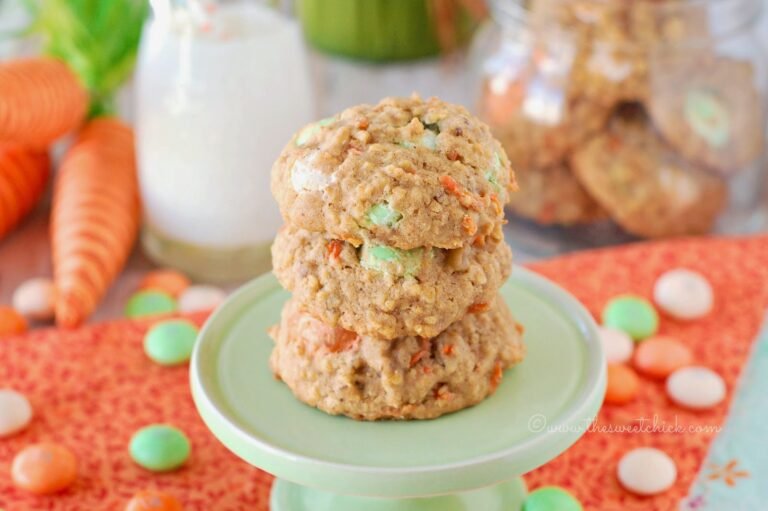
A long drive, friends, family, my birthday, and maple syrup, that pretty much sums up last week.
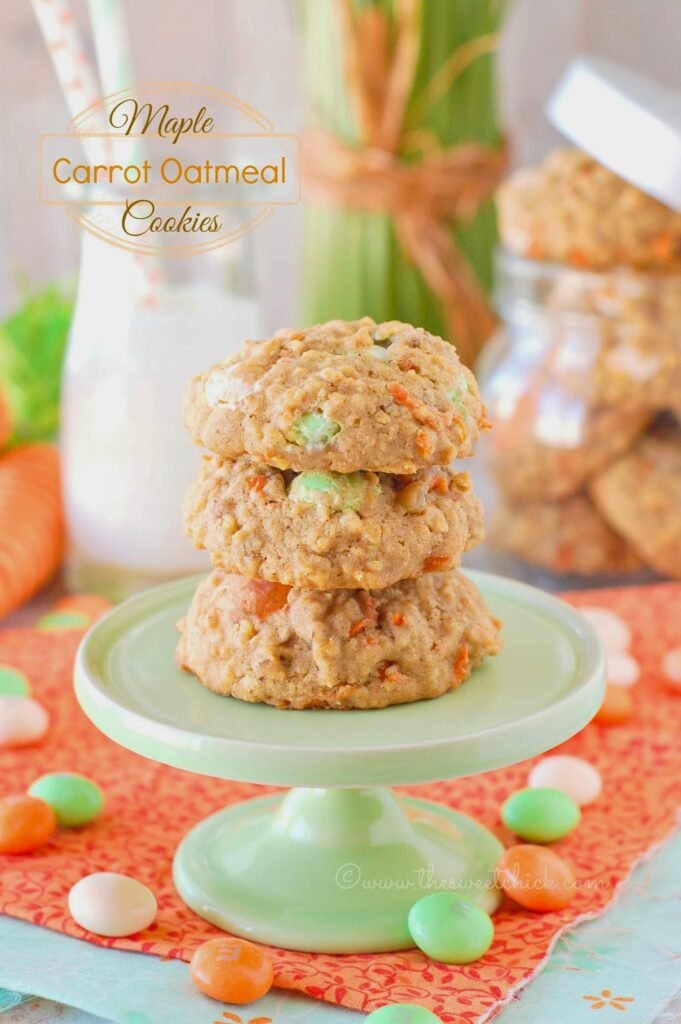
I traveled up to Connecticut to visit family and friends as well as celebrate my birthday. It’s finally sugar season up there. My mom made us a big sugar house meal with ham and kielbasa cooked in maple syrup. The kids were just happy to watch my dad while he boiled the maple water into syrup. My daughter especially loves maple taffy on snow. We were all sugared up by the time we left. I made sure I stocked up on plenty of syrup for my recipes. These Maple Carrot Oatmeal Cookies have a generous amount of pure maple syrup in them that tastes great with the Carrot Cake M&M’s I found at Walmart.

These Carrot Cake M&M’s are actually pretty good. They are made with white chocolate and they taste like carrot cake. I know sometimes, flavored M&M’s are disappointing in their attempt to mimic a flavor, but these hit the nail on the head. I bought an extra bag to taste test first before adding them to my cookies. My son probably ate about half the bag himself.
This cookie recipe is adapted from my Honey Carrot Oatmeal Raisin Cookies. If they tasted good with honey, they taste even better with maple syrup. I swapped out raisins for the M&M’s and added some pecans I had left over from my Maple Pecan Scones. The cookies came out soft, moist and full of flavor. I love the pretty spring colors of the M&M’s. They do bleed out a little into the cookies, but who cares, because they taste so darn good.

So now that I turned the big 4 -0, I really don’t feel any different. I think having young kids keeps me feeling young. I know most people my age have teenagers around, but I am still chasing around a three year old and my oldest is only seven. So I can pretend I am still in my thirties, right? I’ll just keep coloring my grey hair and staying out of the sun so I don’t wrinkle. What are your thoughts?
Maple Carrot Oatmeal Cookies
by The Sweet Chick
Prep Time: 15 minutes
Cook Time: 15 minutes
Keywords: bake dessert snack carrots oatmeal maple syrup Carrot Cake M&M’s Easter cookie American spring
Ingredients (36 cookies)
- 2/3 cup butter, room temperature
- 1 cup maple syrup
- 2 eggs
- 1 cup whole wheat flour
- 3/4 cup all purpose flour
- 2 teaspoons baking powder
- 1/4 teaspoon baking soda
- 1/4 teaspoon salt
- 1 teaspoon ground cinnamon
- 1/2 teaspoon ground nutmeg
- 1 cup grated carrots
- 2 cups quick oats
- 1/2 cup chopped pecans
- 1 cup Carrot Cake M&M’s
Instructions
Preheat oven to 350º F.
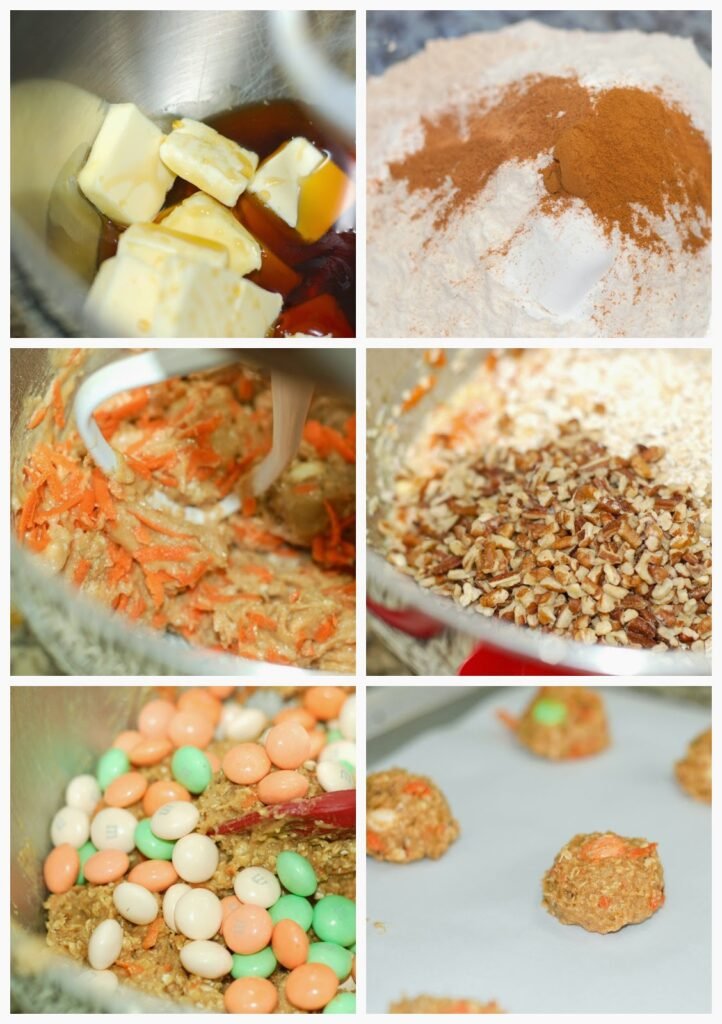
With a mixer, cream the butter and the maple syrup. Then add the eggs and mix well.
In a large bowl sift together the flours, baking powder, baking soda, salt, cinnamon, and nutmeg.
Slowly add the dry ingredients to the wet ingredients and mix until all is incorporated.
Then add the carrots, oats and pecans, mixing until well distributed.
Add the M&M’s and mix well. (I mixed them in by hand because I didn’t want them to break.)
Drop batter by large spoonful or cookie scoop full onto a greased cookie sheet, leaving 2 inches between scoops.
Bake at 350ºF for 15 minutes or until tops are a golden color.
Remove from oven and let cool for 2 minutes, then move cookies to a cooling rack to completely cool.
Enjoy!
This recipe may be shared at these fabulous parties.
Related Posts




Subscribe for New Racipies
Get mental health tips, updates, and resources delivered to your inbox.