
Does Baja Blast Have Caffeine? Taco Bell Sizes, Zero Sugar, and Freeze Guide

Medically reviewed by Dr. Aris Thorne Updated Date: May 14, 2026
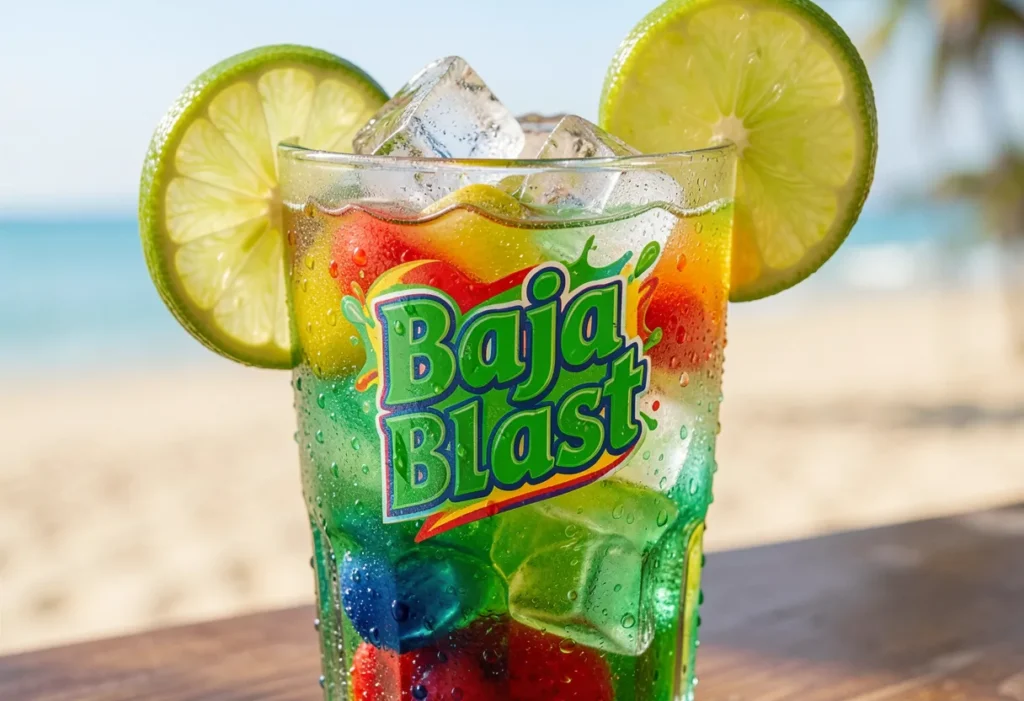
Yes, Baja Blast does contain caffeine. A standard 12-ounce can delivers approximately 54 milligrams, while Taco Bell fountain sizes range from around 70 milligrams all the way up to 115 milligrams depending on cup size. The Zero Sugar version contains the same caffeine level as the original.
Here is something most people ordering at the Taco Bell drive-thru never stop to think about. That bright teal drink sitting in your cup holder is not just flavored sugar water. It contains a meaningful dose of caffeine — and depending on your cup size, you could be getting significantly more than you bargained for. Does Baja Blast have caffeine? Absolutely, and understanding exactly how much matters more than most people realize.
Baja Blast is one of the most beloved fast-food exclusive sodas in America. It has a devoted following, a signature tropical flavor, and a color unlike anything else on the menu. However, its caffeine content is rarely discussed openly — and that gap in knowledge can catch people off guard, especially parents ordering for kids or anyone watching their daily intake.
In this guide, you will find a complete breakdown of caffeine levels across every Taco Bell cup size, a comparison between the original and Zero Sugar versions, what happens with the frozen Freeze format, and everything you need to know to make a smarter choice next time you pull up to the window.
What Is Baja Blast and Why Does Caffeine Matter
Baja Blast is a Mountain Dew flavor developed exclusively for Taco Bell, first launched in 2004. Its distinctive blue-green color and tropical lime flavor have made it a cult favorite across the United States. Because it falls under the Mountain Dew brand, it shares a similar caffeine profile to the original green soda — something many casual drinkers do not realize when they order it.
Caffeine is a naturally occurring stimulant found in coffee, tea, and certain sodas. It works by blocking adenosine receptors in the brain — adenosine being the chemical that makes you feel sleepy as the day progresses. When those receptors get blocked, you feel more alert and energized. According to the FDA’s guidance on caffeine, up to 400 milligrams per day is considered safe for healthy adults. Knowing where Baja Blast falls on that spectrum helps you track your total daily intake accurately.
For a deeper look at how caffeine content compares across popular sodas and energy drinks, our guide on how much caffeine is in Mountain Dew puts these numbers in useful context.
Caffeine Content in Baja Blast by Serving Size
The amount of caffeine in your drink changes significantly depending on whether you grab a can from the store or order a fountain drink at Taco Bell. Here is a clear breakdown of what each serving delivers.
| Serving Size | Caffeine Content |
|---|---|
| 12 oz Can (Retail) | ~54 mg |
| Small Fountain (16 oz) | ~70–75 mg |
| Medium Fountain (20 oz) | ~90 mg |
| Large Fountain (30 oz) | ~110–115 mg |
| Baja Blast Zero Sugar (12 oz) | ~54 mg |
| Baja Blast Freeze (Frozen) | Slightly lower due to ice dilution |
These figures come from PepsiCo’s published nutritional data for Mountain Dew products. Caffeine concentration sits at approximately 13 to 15 milligrams per 100 milliliters — a standard metric used to compare beverages across categories.
One thing worth noting: fountain drink sizes at fast food restaurants are often larger than people expect. A large at Taco Bell holds 30 full ounces, pushing you past 110 milligrams in a single sitting. That is more than a quarter of the FDA’s recommended daily limit before you have had your morning coffee.
Caffeine in Every Taco Bell Baja Blast Fountain Size
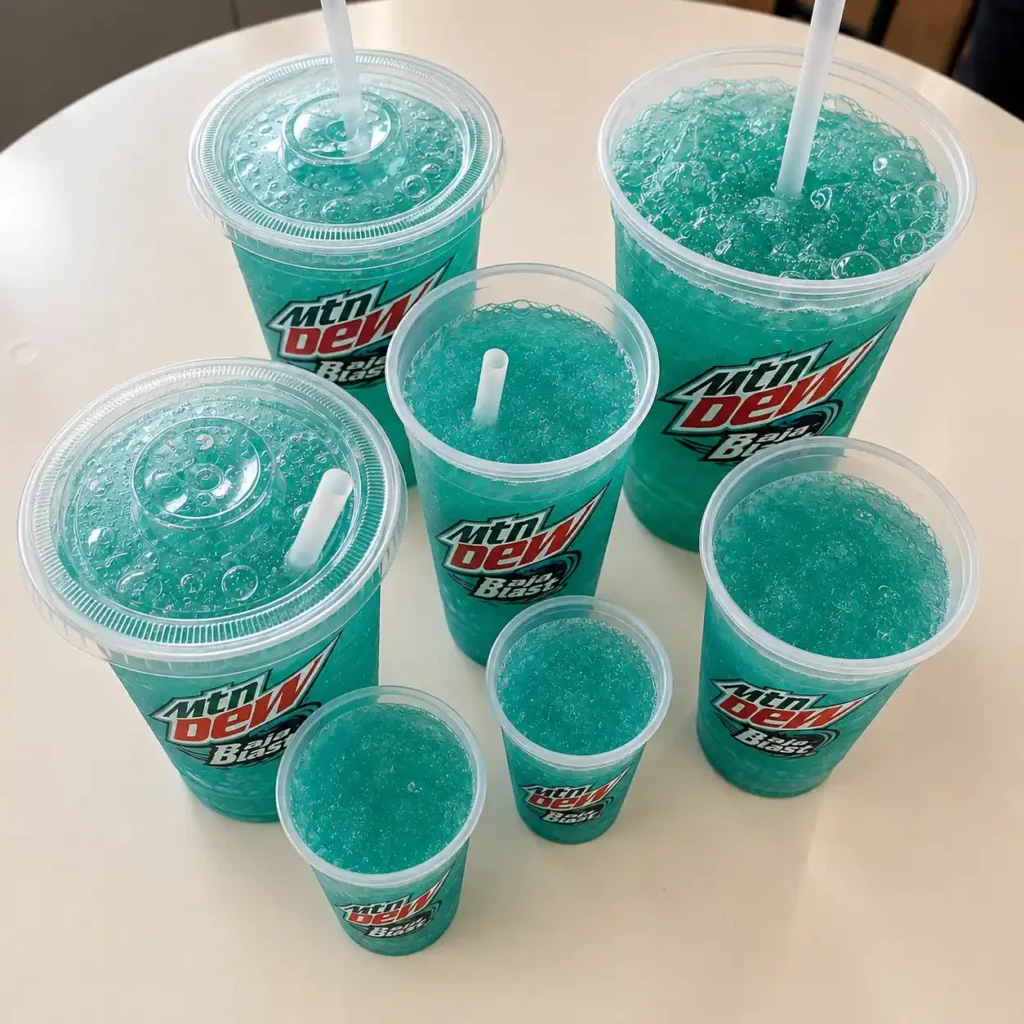
When you order at Taco Bell, the cup you choose matters more than most people think. Each size step up adds a meaningful amount of caffeine to your total daily intake.
Small Cup Details
The small fountain size holds approximately 16 ounces and delivers roughly 70 to 75 milligrams of caffeine. For context, that is comparable to a small cup of home-brewed tea and noticeably more than a standard can of Coca-Cola, which contains around 34 milligrams according to the FDA’s overview of caffeine in common beverages. If you are tracking your total daily intake across all drinks, our caffeine calculator by weight and age makes it easy to stay within safe limits.
Medium Cup Details
The medium size holds around 20 ounces and delivers approximately 90 milligrams. That puts it right in the range of a small brewed coffee. If you have already had coffee earlier in the day, a medium Baja Blast adds substantially to your running caffeine total. Our caffeine calculator can help you track your total intake from all sources throughout the day.
Large Cup Details
The large holds approximately 30 ounces and delivers 110 to 115 milligrams in one drink. That is enough to trigger mild jitteriness, headaches, or difficulty sleeping in people who are sensitive to caffeine — particularly those who do not consume it regularly. The NIH’s research on caffeine and the central nervous system explains clearly how caffeine sensitivity varies from person to person based on body weight, tolerance, and metabolism.
Baja Blast Zero Sugar Caffeine Content
Many people switch to diet or zero sugar sodas assuming they are also reducing their caffeine intake. With Baja Blast Zero Sugar, that assumption does not hold up. The Zero Sugar version contains essentially the same caffeine as the original — approximately 54 milligrams per 12-ounce can.
What the Zero Sugar version does eliminate is the sugar load. The original Baja Blast contains around 46 grams of sugar per 12-ounce can, almost entirely from high fructose corn syrup. The Zero Sugar version replaces that with artificial sweeteners, keeping the flavor profile similar while removing the caloric content.
From a caffeine standpoint, however, the two drinks are functionally identical. If your goal is to reduce caffeine, switching between the regular and zero sugar versions will not help. For a broader look at how zero sugar sodas compare across popular brands, our breakdown of does Pepsi Zero have caffeine covers similar ground with useful comparisons.
Baja Blast Freeze Caffeine Content
The Baja Blast Freeze is the frozen slushie version served at Taco Bell, and it remains one of the chain’s most popular warm-weather menu items. The good news for those watching their caffeine intake is that the Freeze format typically delivers slightly less caffeine than an equivalent fountain drink.
The reason is straightforward. The frozen version mixes the flavored syrup with crushed ice, which dilutes the final product somewhat. The caffeine concentration per ounce ends up marginally lower than the liquid version. However, the exact amount varies by location depending on how each machine is calibrated and how much syrup is used per batch.
As a general estimate, a medium Baja Blast Freeze likely delivers somewhere in the range of 75 to 85 milligrams — somewhat less than a comparable liquid medium, but still a meaningful dose. It is not caffeine-free by any stretch. If you are sensitive to caffeine, the Freeze is not a safe workaround.
Baja Blast vs Other Caffeinated Drinks
How does Baja Blast stack up against the other beverages you likely consume throughout the day? Understanding where it sits on the caffeine spectrum helps you make more informed choices about your total intake.
| Beverage | Serving Size | Caffeine |
|---|---|---|
| Baja Blast (Can) | 12 oz | ~54 mg |
| Coca-Cola Classic | 12 oz | ~34 mg |
| Brewed Black Coffee | 8 oz | ~95 mg |
| Red Bull | 8.4 oz | ~80 mg |
| Monster Energy | 16 oz | ~160 mg |
| Baja Blast Zero Sugar | 12 oz | ~54 mg |
The CDC’s page on healthy eating and sugary drinks links regular consumption of sugary drinks to increased risk of weight gain, type 2 diabetes, tooth decay, and cardiovascular disease. Liquid calories from beverages like Baja Blast are particularly problematic because they do not trigger the same satiety signals as solid food — meaning people often consume far more calories than they intend without feeling full afterward.
For a full comparison of where popular sodas rank, our article on what soda has the most caffeine is a helpful companion read.
The Sugar Content Problem
Caffeine is only part of the nutritional story with Baja Blast. The sugar load in the original version deserves equal attention. A 12-ounce can contains roughly 46 grams of added sugar — almost entirely from high fructose corn syrup. Scale that up to a 30-ounce large fountain drink and the sugar content jumps to well over 100 grams in a single serving.
The CDC’s data on sugar-sweetened beverages links regular consumption of sugary drinks to increased risk of weight gain, type 2 diabetes, tooth decay, and cardiovascular disease. Liquid calories from beverages like Baja Blast are particularly problematic because they do not trigger the same satiety signals as solid food — meaning people often consume far more calories than they intend without feeling full afterward.
The sugar in a large Baja Blast fountain drink far exceeds the American Heart Association’s recommended daily added sugar limits of 36 grams for men and 25 grams for women. This is worth keeping in mind if Baja Blast is a regular habit rather than an occasional treat. Our guide on are burgers healthy touches on a similar theme — how fast food combinations can push daily nutritional limits faster than most people expect.
Who Should Be Cautious With Baja Blast
Most healthy adults can enjoy Baja Blast occasionally without concern. However, certain groups benefit from being more thoughtful about their intake.
Children and Teenagers
Children have smaller body weights and less developed caffeine tolerance than adults. The FDA’s guidance on caffeine safety notes that children and adolescents should consume far less caffeine than healthy adults, with many experts recommending no more than 100 milligrams per day for teens. A large Baja Blast fountain drink at Taco Bell gets a teenager most of the way there in a single drink — before accounting for any other caffeine sources consumed that day.
Pregnant Individuals
Current guidance from the American College of Obstetricians and Gynecologists recommends limiting caffeine intake to under 200 milligrams per day during pregnancy. A large Baja Blast contributes more than half of that limit in one sitting, making it a drink to consume sparingly if at all during pregnancy.
People With Anxiety or Sleep Issues
Caffeine sensitivity varies significantly between individuals. People who experience anxiety, heart palpitations, or chronic insomnia are often more reactive to caffeine than average. According to research published on PubMed Central on caffeine and anxiety, even moderate caffeine doses can amplify anxiety symptoms in sensitive individuals. If you regularly struggle with poor sleep or anxious feelings, tracking your soda intake alongside coffee and other sources is worth doing carefully.
How Baja Blast Compares to Other Mountain Dew Flavors
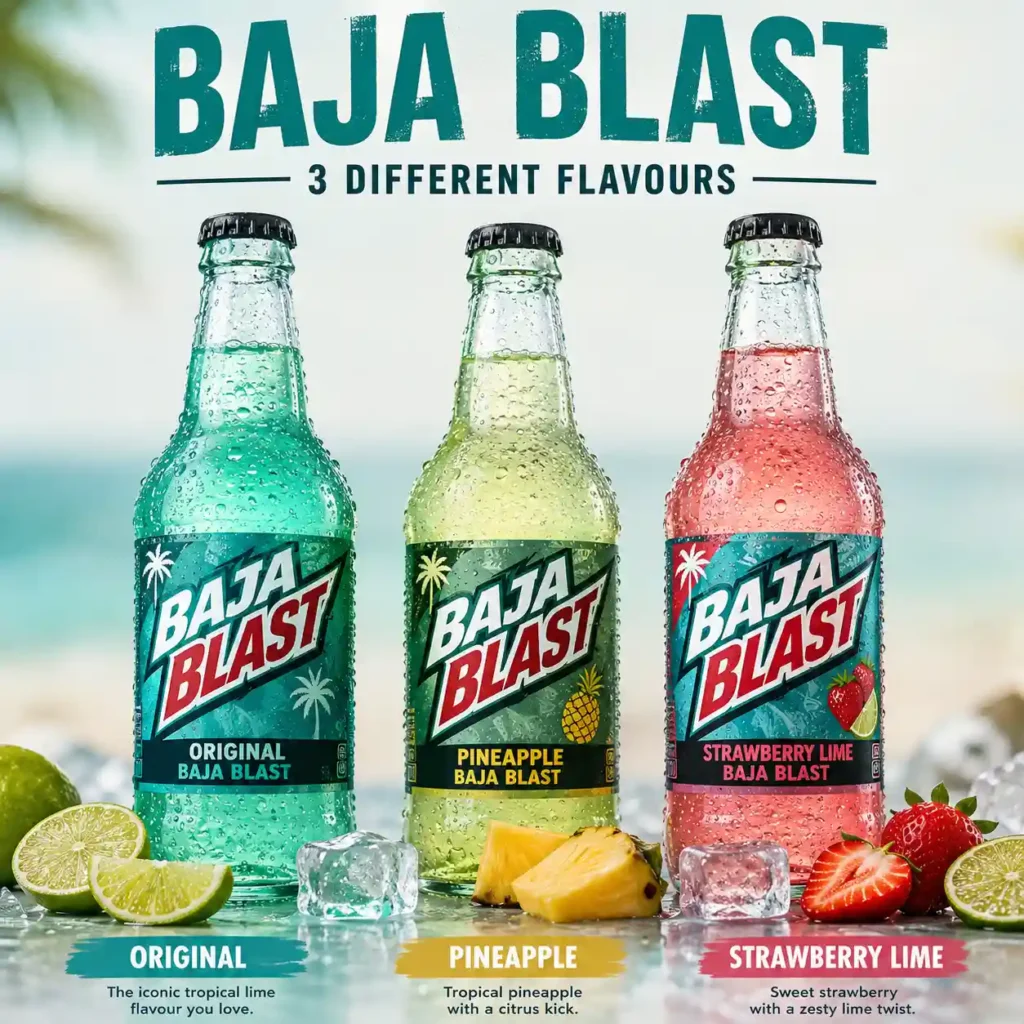
Since Baja Blast is a Mountain Dew product, it naturally invites comparison to other flavors in the lineup. The original green Mountain Dew contains approximately 54 milligrams of caffeine per 12-ounce serving — the same as Baja Blast. Code Red, Voltage, and most other Mountain Dew variants follow a very similar caffeine profile.
The primary difference between Baja Blast and other Mountain Dew flavors is not caffeine content — it is the flavoring agents and colorings that create the tropical taste and signature teal color. Switching between Mountain Dew flavors will not meaningfully change your caffeine intake. If caffeine reduction is your goal, switching to a caffeine-free soda entirely is the more effective approach.
For broader caffeine comparisons across energy drinks and sodas, our guides on Bang energy drink caffeine and Red Bull caffeine content offer useful benchmarks for understanding where your favorite drinks land on the spectrum.
Reading Baja Blast’s Ingredient List
Understanding what goes into Baja Blast beyond caffeine and sugar gives you a more complete picture of what you are consuming. The ingredient list for the original version includes carbonated water, high fructose corn syrup, citric acid, natural and artificial flavors, sodium benzoate as a preservative, caffeine, gum arabic, sodium citrate, erythorbic acid, calcium disodium EDTA, Blue 1, and Yellow 5.
The artificial colorings Blue 1 and Yellow 5 are what create the distinctive teal color. Both are FDA-approved food dyes, though some research — including a study referenced by the Center for Science in the Public Interest — has raised questions about potential behavioral effects of artificial food dyes in children. This is a nuanced area of ongoing research rather than settled science, but it is worth noting for parents making choices for younger children.
Sodium benzoate, used as a preservative, has also attracted scientific attention. According to research available through PubMed, sodium benzoate combined with certain artificial colorings may be associated with increased hyperactivity in some children — though evidence remains mixed and regulators continue to consider these ingredients safe at the levels used in beverages.
Smarter Beverage Choices at Taco Bell
If you enjoy Baja Blast but want to manage your caffeine or sugar intake more thoughtfully, a few simple strategies make a real difference. Ordering a smaller size is the most straightforward adjustment — moving from a large to a small cuts your caffeine intake by roughly 40 milligrams and your sugar by more than half.
Mixing Baja Blast with water or ice at home if you purchase cans is another option that stretches the flavor while diluting the caffeine concentration per serving. Alternating Baja Blast with caffeine-free beverages throughout the day also helps keep your total intake well within comfortable limits.
If you are curious about which beverages pair well with a balanced approach to health, our guide on does decaf coffee have caffeine explores how even supposedly caffeine-free options can contain trace amounts — a good reminder that ingredient awareness matters across all your daily drinks. Similarly, if you enjoy carbonated drinks and want to explore lower-caffeine options, our breakdown of does Sprite have caffeine is a helpful reference.
Frequently Asked Questions
Does Baja Blast Have Caffeine?
Yes, Baja Blast contains caffeine. A standard 12-ounce can provides approximately 54 milligrams. Taco Bell fountain sizes range from about 70 milligrams for a small up to 115 milligrams for a large 30-ounce drink. The caffeine comes from its formulation as a Mountain Dew product, which consistently includes caffeine across its core flavor lineup regardless of the specific variation ordered.
Does Baja Blast Zero Sugar Have Caffeine?
Yes, Baja Blast Zero Sugar contains the same amount of caffeine as the original version — approximately 54 milligrams per 12-ounce can. Switching to the zero sugar version reduces sugar and calorie intake significantly, but it does not reduce caffeine. If your goal is to lower caffeine consumption, choosing a caffeine-free beverage is the only reliable way to achieve that outcome.
How Much Caffeine Is in a Large Baja Blast at Taco Bell?
A large Baja Blast fountain drink at Taco Bell holds approximately 30 ounces and delivers roughly 110 to 115 milligrams of caffeine. That represents more than a quarter of the FDA’s recommended daily caffeine limit for healthy adults. For children, teenagers, pregnant individuals, or anyone sensitive to caffeine, a large size warrants careful consideration before ordering.
Does the Baja Blast Freeze Have Caffeine?
Yes, the Baja Blast Freeze still contains caffeine. However, the frozen format typically delivers slightly less than the equivalent liquid fountain drink because the flavored syrup gets diluted by crushed ice during preparation. A medium Freeze likely contains somewhere in the range of 75 to 85 milligrams, though the exact amount varies by location depending on machine calibration and syrup ratios used.
Is Baja Blast Stronger Than Coffee?
No, Baja Blast is not stronger than brewed coffee. A 12-ounce can of Baja Blast contains approximately 54 milligrams of caffeine, while an 8-ounce cup of brewed black coffee typically delivers around 95 milligrams. Coffee is nearly double the caffeine concentration per fluid ounce. Baja Blast falls in the moderate range for caffeinated sodas — stronger than cola but significantly weaker than coffee or most energy drinks.
Conclusion
Baja Blast has earned its place as one of America’s most recognizable fast-food beverages. Its flavor, color, and Taco Bell exclusivity have made it a genuine cultural staple. However, it is worth knowing exactly what you are getting in every cup — especially when the sizes get large.
The caffeine in a 30-ounce large fountain drink, combined with whatever else you have consumed throughout the day, can push sensitive individuals past comfortable limits quickly. The sugar content in the original version adds another layer worth thinking about for anyone who orders it regularly.
That said, occasional enjoyment of Baja Blast is perfectly reasonable for most healthy adults. The key is awareness. Knowing that does Baja Blast have caffeine — and precisely how much — puts you in a much better position to make a choice that fits your lifestyle and health goals. When in doubt about how caffeine fits into your overall diet, a registered dietitian can offer personalized guidance tailored to your specific needs.
References
- U.S. Food and Drug Administration — Spilling the Beans: How Much Caffeine is Too Much? — https://www.fda.gov/consumers/consumer-updates/spilling-beans-how-much-caffeine-too-much
- NIH PubMed Central — Sugar-Sweetened Beverages and Health Consequences — https://www.ncbi.nlm.nih.gov/pmc/articles/PMC6163457/
- NIH PubMed — Caffeine and the Central Nervous System: Mechanisms of Action — https://pubmed.ncbi.nlm.nih.gov/1356551/
- NIH National Library of Medicine — Caffeine Pharmacology and Safety — https://www.ncbi.nlm.nih.gov/books/NBK209050/
- NIH PubMed Central — Caffeine Use in Children and Adolescents — https://www.ncbi.nlm.nih.gov/pmc/articles/PMC4462044/
- American College of Obstetricians and Gynecologists — Nutrition During Pregnancy — https://www.acog.org/womens-health/faqs/nutrition-during-pregnancy
- NIH PubMed Central — Caffeine and Anxiety: A Review — https://www.ncbi.nlm.nih.gov/pmc/articles/PMC6007565/
- Center for Science in the Public Interest — Food Dyes: A Rainbow of Risks — https://www.cspinet.org/resource/food-dyes-rainbow-of-risks
- PubMed — Sodium Benzoate and Artificial Food Colors in Children’s Behavior — https://pubmed.ncbi.nlm.nih.gov/18604137/
- NIH PubMed Central — Health Effects of Added Sugar in Beverages — https://www.ncbi.nlm.nih.gov/pmc/articles/PMC5836186/
Related Posts

Subscribe for New Racipies
Get mental health tips, updates, and resources delivered to your inbox.
Split Pea Soup, Round And Whole And Filling

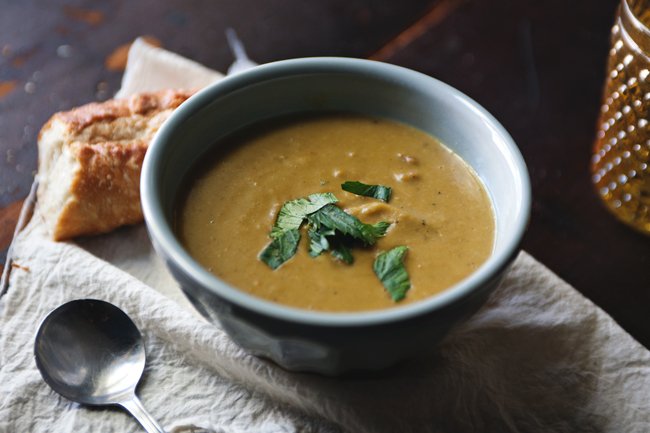
Chris and I split a can of clam chowder the other day. You know, the readymade stuff. I’d forgotten how convenient it was to prepare. You just slap it into a pot and let it come to a boil, and then it’s ready. I’d also forgotten how much I liked it. I hope you’re not shaking your head, shuddering at all the preservatives and chemicals we consumed. Seriously, when you’re in the need for a quick soup fix, canned clam chowder always hits the spot.
And with that, soup season officially began.
After the clam chowder, I immediately found myself craving split pea soup, which I didn’t realize involved tossing a part of a pig into a pot to simmer alongside green split peas and other ingredients. There’s something elusively tantalizing about the smell of smoked meat—it feels round. Round and whole and filling. I think it strikes an instinctual cord in me, the part that huddles as close to a fire as possible until the flames practically lick my hands. No, maybe not that close. I’m a tiny bit afraid of fire.

This soup is a mishmash of legume and vegetables, too. You know what they do? They soften, and sort of melt. The immersion blender finishes the job. The result reminds me of baby food. Green pea puree or something along those lines. Soupy mush in that rare not-quite-yellow, not-quite-green color. Winsome description, I know. But the flavor! I’m not so sure a baby would be able to handle such a taste explosion; it would be too much to process.
I hope you make a huge pot of this soup on a chilly day. You might want to open a couple windows, you’ll be so warmed to the soul.

SPLIT PEA SOUP
Adapted from Bon Appétit
Serves 6
Ingredients:
2 Tbsp butter
1 medium onion
2 cloves garlic
1 cup chopped celery
1 cup chopped peeled carrots
1-1/2 lbs. smoked pork hocks
2 tsp dried marjoram
1 tsp dried oregano
2 cups green split peas
6 cups water
Directions:
Melt butter in heavy large pot or Dutch oven over medium-high heat. Add onion, garlic, celery, and carrots. Sauté until vegetables begin to soften, about 8 minutes. Add pork, marjoram, and oregano; stir 1 minute. Add peas, then water, and bring to boil.
Reduce heat to medium-low. Partially cover pot; simmer soup until pork and vegetables are tender peas are falling apart, stirring often, about 1 hour and 10 minutes.
When ready, remove hocks. Using an immersion blender or regular blender (being careful not to overfill it), puree the soup. Cut pork off bones, dice it, and return to soup. Season with salt and pepper.
Related Posts
Subscribe for New Racipies
Get mental health tips, updates, and resources delivered to your inbox.