
Can You Eat Raw Trout? Risks, Benefits, and Safety Precautions Explained

Medically reviewed by Christiana George Updated Date: January 2, 2026
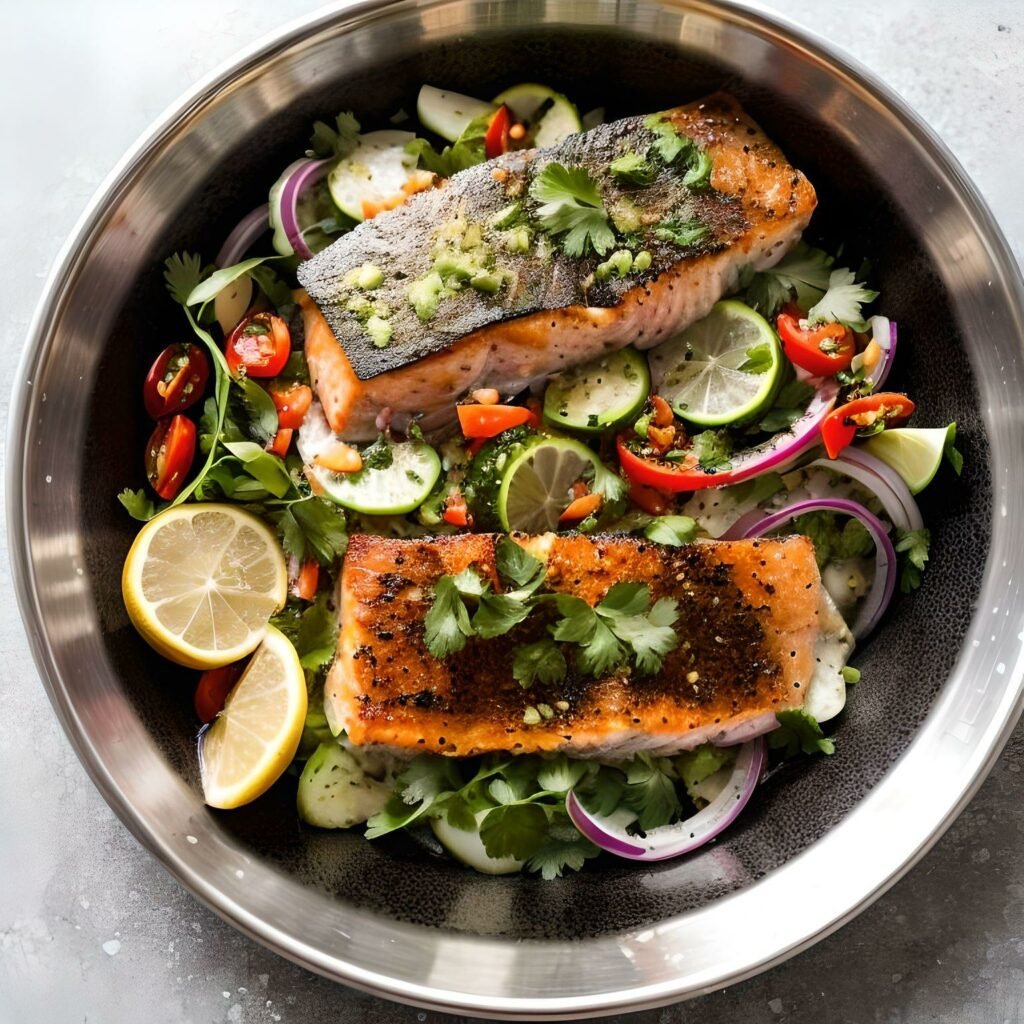
Eating freshwater fishes RAW can be unhealthy Trout is a freshwater fish. You can eat it raw but it is not encouraged. Because there is a higher chance of freshwater fish caring germs and parasites.
People eat raw fish when they’re fishing in a Boat. are you thinking about the question- Can You Eat Raw Trout?
Though freshwater fishes like trout have a higher possibility of carrying parasites, you can eat raw trout. But it’s after freezing. The temperature of freezing should be -35 degrees celsius. It should be frozen for at least 15 hours, if not more. You have to clean the fish properly before eating it.
You should not eat raw freshwater fish as long as you have other options. A lot of factors are considered before eating any raw fish.
Keep on reading the article to know more about the effects and consequences of eating raw Trout.
Can You Eat Raw Trouts?
Freshwater fishes like Trout possess a higher probability of caring germs and parasites. This does not happen in the case of saltwater fish. You can consume raw trouts. But eating raw Trout without freezing enough is not recommended. People often debate trout vs salmon.
A similar question prevails for salmon too, can you eat raw salmon?
You have to freeze it to the minimum limit. Even after that, the fish might contain bacteria on the outer body. Those won’t go without proper cleaning.
So, you can see freezing is a must before eating raw trout. And it’s better to avoid it.
Consequences of Eating Raw Trout
Trout are primarily freshwater fish. Therefore it may carry viruses, germs, parasites, and bacteria. The germs remain intact if you eat raw fish. And that’s why you can get sick from eating it.
Many types of illnesses are due to eating raw fish. Food poisoning is a very common one of them. You can have symptoms like diarrhea and vomiting tendency. It can form tapeworm in your intestine and diseases like anisakiasis and trichinosis.
But when a trout is caught in saltwater, there is less risk of getting sick from eating it.
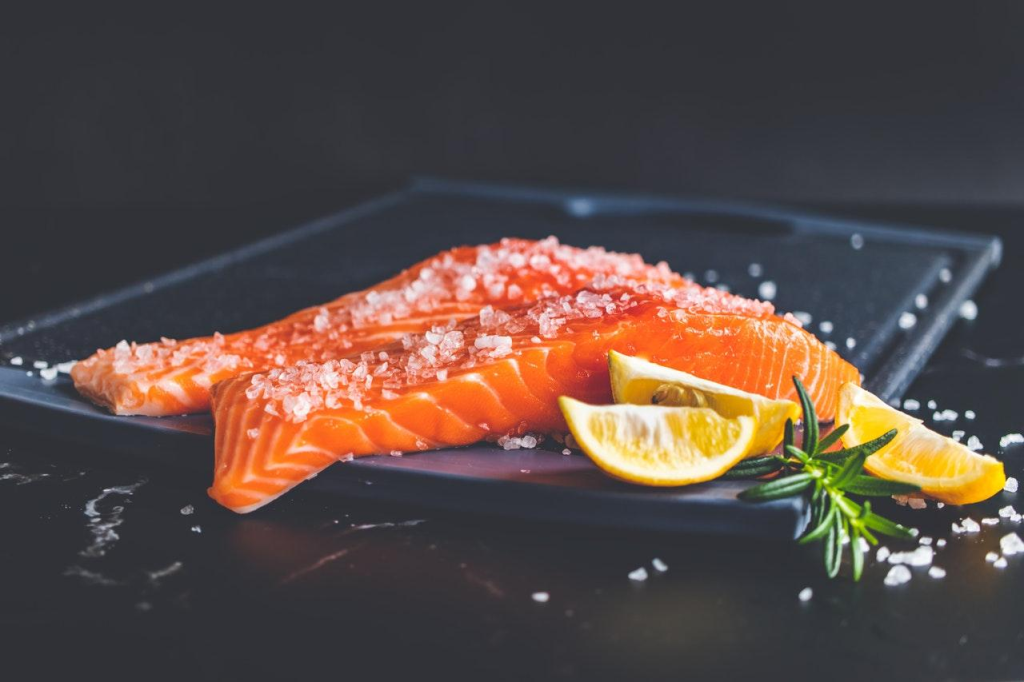
Pros And Cons of Eating Trout
Trout fish is very nutritious. Moreover, the calorie amount is low here. They are rich in protein. Omega 3 is present in abundance in trout fish.
A variety of recipes for Trout fish is available. It is tasty. It is healthy. Along with protein, there is Vitamin B(thiamin, riboflavin, and niacin), vitamin D, Phosphorus, iodine, and iron.
To find a tasty Trout you have to find one living in clean water. Some famous Trout fish species are- Rainbow, Brooke, Brown, and Golden trout. They almost have similar flavors with subtle variations depending on the environment they live.
As we said before, you need to find Trout fish with clean vegetation to taste good. Most Trout species leave on muddy land. This infuses some muddy taste in their meat.
They also have a chemical compound called geosmin in their body which gives a muddy smell and taste. This chemical compound comes from algae and bacteria reacting and forming organic compounds.
To make it taste better, you have to go through a deep cleaning process. Otherwise, your food smells like mud and dirt.
List of Safe And Unsafe Fishes To Eat Raw
Wondering what fish can you eat raw? A list of common fishes that are safe to eat raw is given below:
- Salmon
- Shrimp
- Crab
- Octopus
- Scallops
- Eel
Some fishes have high Mercury level. Mercury can affect your nervous system. So you should eat them at a low limit. A small list of such features is given below:
- Swordfish
- Tuna
- Seabass
- Mackerel
- Blue Marlin
- Yellowtail
Making Raw Fish Safe
We mentioned before that freshwater fish has a higher possibility of getting parasites. But they are safe to eat if frozen at a specific temperature. At very low temperatures the harmful parasites die.
When we are talking about freezing, we do not mean refrigeration. Because parasites won’t die in simple refrigeration. Moreover, the temperature of refrigerators may be similar to the environment they used to live in.
We make a chart of temperature and their corresponding time period of freezing. This chart is maintained to ensure the safety of eating freshwater fish.
| Temperature | Minimum Time |
| Frozen and stored at -20 degree Celsius | 7 days |
| Frozen at -35 degrees celsius & stored at -20 degree Celsius | 1 day |
| Frozen and stored at -35 degrees celsius | 15 hours |
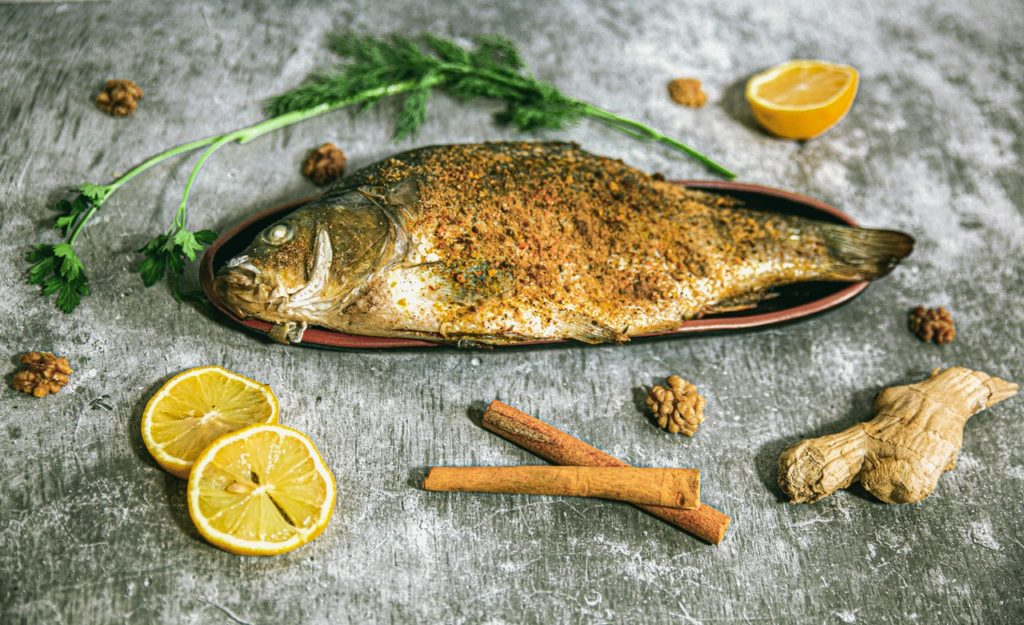
Identifying Fresh Trout
The safety of eating any raw fish highly depends on its freshness. Freshly caught fish poses a lesser threat than stale.
Now, how will you determine if a fish is fresh or not?
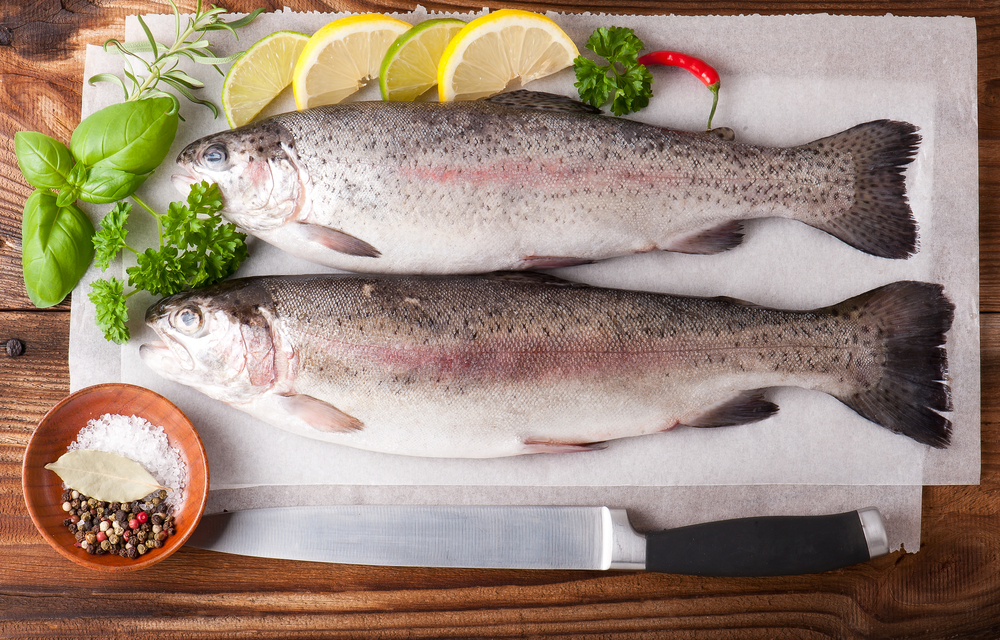
It can be determined by looking at the eyes and gills. Fresh fish has clear eyes. Its gills look bright. Its body will be firm and there will be a natural slim layer over the body.
Salt Water Fish And Fresh Water Fish: Considerable Factors
Fish habitation decides whether it is edible or in edible as raw. The environment of the fish living has a great role in this matter. Because the water in which it lives in, carries germs, viruses, and bacteria.
There is a high level of salt in salt water. These high level of salt kills many parasites and bacteria. We all are familiar with the process of preserving fish in saltwater.
On the other hand, fresh water is beneficial for any parasite to grow. You can have infection transmitted through freshwater fish if you eat them raw.
Trout And Shushi
Sushi is gaining rising popularity due to its nutrition provided by raw fish. You can get a higher dose of protein and Omega 3s by eating it raw. But the case of freshwater fish like Trout is a bit different. It’s the most famous among raw trout recipes.
Sushi is made out of Trout after leaving it to marinate for a long time. Sauce, lemon, and other dressing are used to marinate after cutting the fish into small pieces. It is served with rice vinegar, wasabi, green onion, seaweed strips, ginger, shiso leaves, etc.
Everybody loves sushi. And you can make and serve it very easily at home. If you are looking for sushi accessories, check out the table below.
| ISSEVE Sushi Making Kit | Click Here to Buy |
| aya Sushi Roll Making [Kit] | Click Here to Buy |
Hope you found the products helpful. Now let’s move on to the next segment.
Tips From Pro
Some professional tips for cooking Trout fish are given below:
- Maintain a proper temperature. Because we want to fully cook it, but keep it moist and not overcook.
- Before cooking, slash both sides of the fish meat so that the sides are cooked properly.
- Before taking it out of the stove, insert a fork in the thickest part. Check if it’s properly cooked.
- To bring out the best flavor stream the Trout and moisten it
- To enhance the flavor use butter and lemon
By using the tips above, you can improve your trout cooking immensely.
FAQs
Do Rainbow Trout and Salmon have the same nutrition?
It depends on the raising of rainbow Trout by professionals. If it’s raised too well, then it can be more nutritious than salmon. Rainbow Trout is famous for its high nutrition. You can bring out the flavor with your experienced cooking or have raw Rainbow Trout.
What are the symptoms of infection due to raw Trout?
There can be various symptoms including food poisoning, vomiting, diarrhea, abdominal pain, etc. Major food poisoning can happen due to eating raw or undercooked Trout.
Is it safe to eat half-cooked fish?
Cooking thoroughly is always the best option. But if you personally like eating raw or partially cooked fish then you should choose sea fish. Otherwise, you have to freeze your fish before eating them. It is a must.
Conclusion
Avoiding eating raw Trout is better if you have other options. But if you like it raw, then make sure to freeze it at a specific temperature before eating.
If you had the question- can you eat raw trout? I hope you found your answer to why and why not.
Take care of your health. Stay safe. Bye-bye.
Related Posts






Subscribe for New Racipies
Get mental health tips, updates, and resources delivered to your inbox.
Meyer Lemon Budino

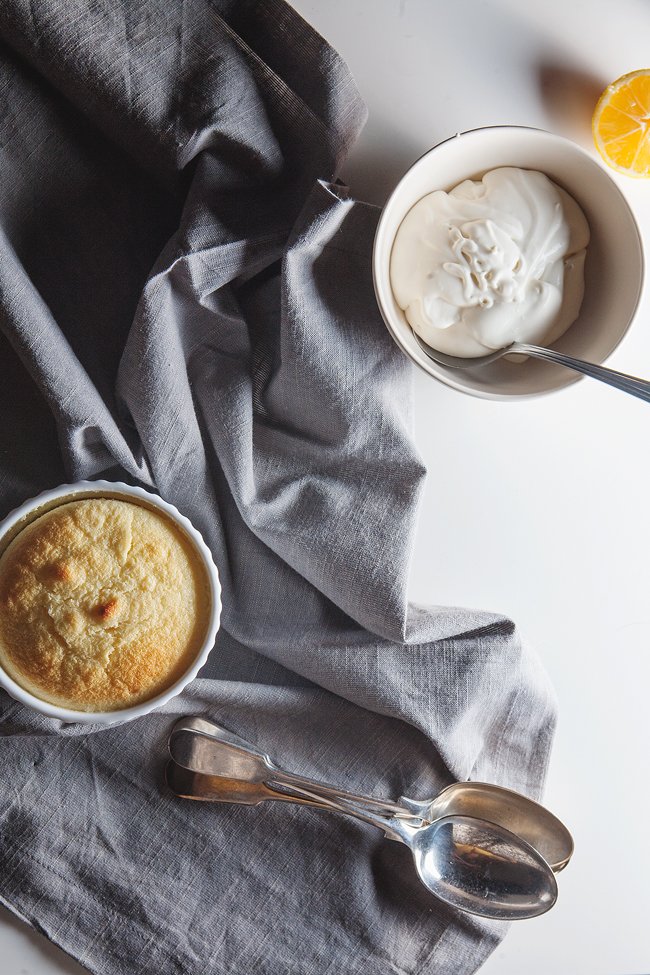
Budino is Italian for pudding, and I’m assuming this recipe is Italian in origin because it comes to us from Craig Stoll, owner of San Francisco’s Delfina. (Oh, SF, any mention of you sends prickles of homesickness down my spine.) What I can tell you is that it’s part souffle, part gooey lemon-y goodness. Especially if it’s countered with a mascarpone whipping cream, which rounds out its fruitiness.
I can also tell you that I love love love Meyer lemons, which I eat, raw, just like oranges, except I cut them in quarters and rip out their flesh with my teeth (kind of like how Chinese people eat oranges—or is this practice more international than I realize?).

I kind of realized along the way (the ‘way’ being the entire circuitous route I’ve taken to learning to bake) that I don’t really care for baked lemon desserts. I’m talking about tarts and pies, and those bar things that people always seem to make a huge fuss over. It’s probably a cultural thing. Chinese people don’t generally cook fruit into desserts, instead, preferring to eat it on its own, so it feels incongruous to pair its freshness and natural-ness with butter, dough, and high temperatures.
But Meyer lemon desserts, they’re in a league of their own. Meyer lemons possess a whole other dimension of floral-ness, a fragrance that reminds me of Asian dessert flavors like green tea and red bean and black sesame. It’s quieter, sweeter, less in-your-face. In fact, I’m rethinking my stance on lemon-y desserts, as long as they’re made with Meyer lemons. I would probably like Meyer-lemon lemon bars, and Meyer-lemon lemon meringue pie, and Meyer-lemon lemon shortbread. I know I like it in this budino.
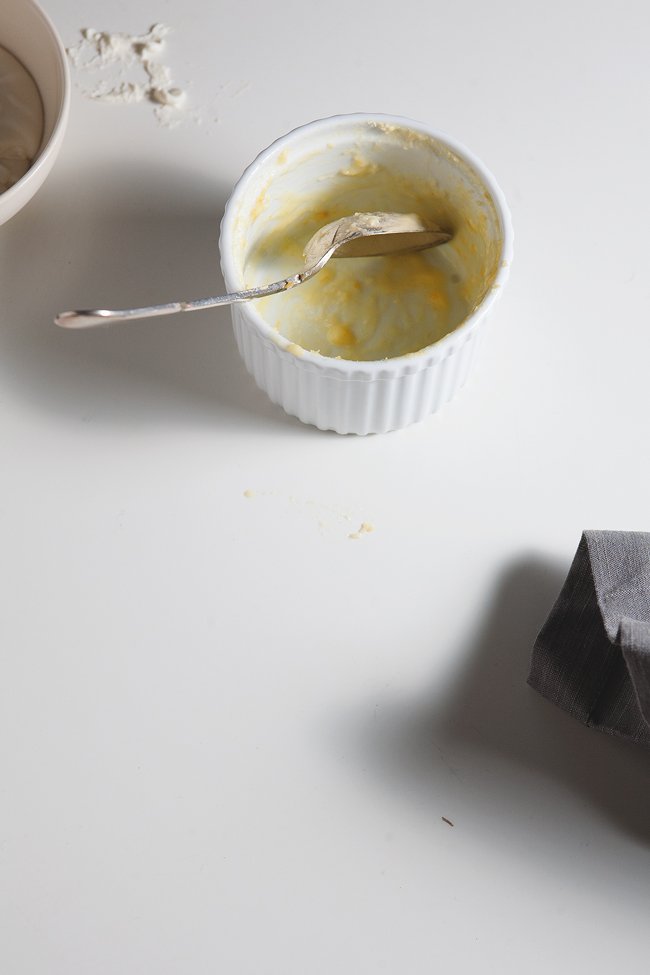
Hint: it’s wonderful warm and fresh out of the oven, BUT if you give it a chance to sit in the fridge overnight, it is even better the next day. By then, three distinct layers will have formed: the dreamy pudding on the bottom, the feathery sponge cake layer on top, and an incredibly lush cheesecake-like layer in between. It is excellent. Excellent!

MEYER LEMON BUDINO
Adapted from Delfina, courtesy of Bon Appétit
Serves 4 to 6
Ingredients:
1/2 cup plus 2 Tbsp sugar
3 large eggs, separated
1/4 cup all purpose flour
1/4 cup + 2 Tbsp fresh Meyer lemon juice
2 Tbsp finely grated Meyer lemon peel
3/4 cup plus 2 tablespoons whole milk
1/4 teaspoon salt
For the mascarpone whipped cream:
1/2 cup chilled mascarpone cheese
1/2 cup chilled whipping cream
2 Tbsp sugar
1/2 tsp vanilla extract
Directions:
Preheat oven to 350 degrees F. Butter 4 to 6 ramekins. Combine 1/2 cup sugar, egg yolks, flour, lemon juice, and lemon peel in large bowl; whisk until well blended. Whisk in milk.
Using an electric mixer, beat egg whites and salt in medium bowl until frothy. Gradually add remaining 2 Tbsp sugar and beat until soft peaks form. Fold beaten egg whites into lemon mixture in 2 additions. Divide mixture among prepared custard cups. Place custard cups in roasting pan. Pour enough hot water into roasting pan to come halfway up sides of custard cups. Bake puddings until tops are golden and spring back when lightly touched, about 25 to 30 minutes (keep an eye on them—in some ovens, they’ll bake faster). Remove cups from water and let cool. Serve warm or cold with mascarpone whipped cream, recipe below.
For the mascarpone whipped cream:
Combine the mascarpone, whipping cream, sugar, and vanilla extract. Whisk until thick soft peaks form. Refrigerate for a few hours.
Related Posts






Subscribe for New Racipies
Get mental health tips, updates, and resources delivered to your inbox.