
Can You Eat Raw Salmon? Facts, Risks, and Delicious Options Explained

Medically reviewed by Christiana George Updated Date: January 2, 2026
Salmon, with its vibrant pink hue and rich flavor, is a beloved seafood choice around the world. But can you eat it raw? The answer is yes, but there’s more to it than a simple yes or no. Let’s dive into the facts, risks, and delicious options when it comes to eating raw salmon.
Is Raw Salmon Safe to Eat?
Raw salmon, often enjoyed in dishes like sushi and sashimi, can be safe to eat, but safety precautions are paramount. Salmon, whether wild-caught or farm-raised, can potentially harbor harmful bacteria and parasites, including the dreaded Anisakis worm.
To make raw salmon safe for consumption, it must undergo a freezing process. The fish needs to be frozen at a specific temperature and duration, typically at -35 degrees Celsius or lower for at least 15 hours. This freezing process effectively kills most parasites, ensuring that the salmon is safe to eat raw.
Related Article: Can You Eat Raw Trout? Risks, Benefits, and Safety Precautions Explained
The Risks of Eating Raw Salmon
Consuming raw salmon without proper freezing can pose significant health risks. The parasites and bacteria present in unprocessed salmon can lead to various illnesses, including food poisoning, gastrointestinal discomfort, and even parasitic infections.
Anisakiasis, caused by the Anisakis worm, is one of the most common parasitic infections associated with raw seafood consumption. Symptoms can include severe abdominal pain, nausea, vomiting, and diarrhea.
Safe Raw Salmon Consumption
Raw salmon consumption is indeed possible, but there are crucial steps and considerations to keep in mind to ensure it’s safe for your palate and your health.
So, if you’re a fan of raw salmon or eager to try it, here are some guidelines to ensure safe consumption:
- Freezing: Always ensure that the salmon has been properly frozen at the recommended temperature and duration to kill parasites.
- Source: Choose high-quality salmon from reputable sources. Sushi-grade salmon is often the best choice for raw consumption.
- Storage: Keep frozen salmon in a freezer until you’re ready to prepare it. Thaw it in the refrigerator, not at room temperature.
- Preparation: When preparing raw salmon dishes, maintain cleanliness and hygiene in your kitchen. Use clean utensils and cutting boards, and wash your hands thoroughly.
- Symptoms: Be aware of any unusual symptoms after consuming raw salmon, and seek medical attention if you experience severe discomfort or illness.
Identifying Fresh Salmon
The freshness of raw fish is paramount. You can determine the freshness of salmon by examining its eyes, gills, and body texture. Fresh salmon should have clear eyes, bright gills, and firm flesh with a natural slim layer.
Saltwater vs Freshwater Fish
The habitat of fish plays a significant role in their suitability for raw consumption. Saltwater fish, due to the high salt content in their environment, tend to carry fewer parasites and bacteria, making them safer for raw consumption. In contrast, freshwater fish pose a higher risk due to the potential for parasite growth in freshwater environments.
The Pros and Cons of Eating Raw Salmon
Raw salmon is not only a culinary delight but also a nutritious choice. Here are some pros and cons to consider:
Pros:
- Nutrient-rich: Raw salmon is packed with nutrients, including Omega-3 fatty acids, which are excellent for heart health.
- Protein: Salmon is a high-quality source of protein.
- Low in Calories: It’s relatively low in calories, making it a healthy choice for weight-conscious individuals.
- Versatility: You can enjoy raw salmon in various forms, from sushi and sashimi to poke bowls and tartare.
Cons:
- Health Risks: The risk of foodborne illness and parasitic infections exists if the salmon is not properly frozen.
- Taste Preferences: Some people may not enjoy the taste or texture of raw salmon.
- Availability: Finding high-quality, sushi-grade salmon can be challenging, depending on your location.
Sushi, Sashimi, and Beyond
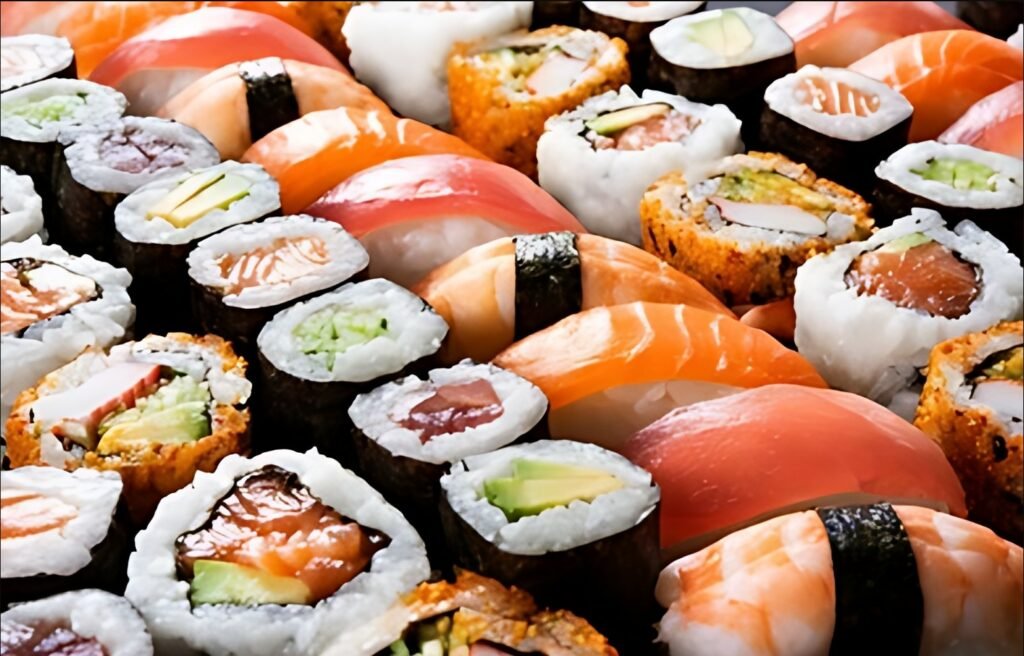
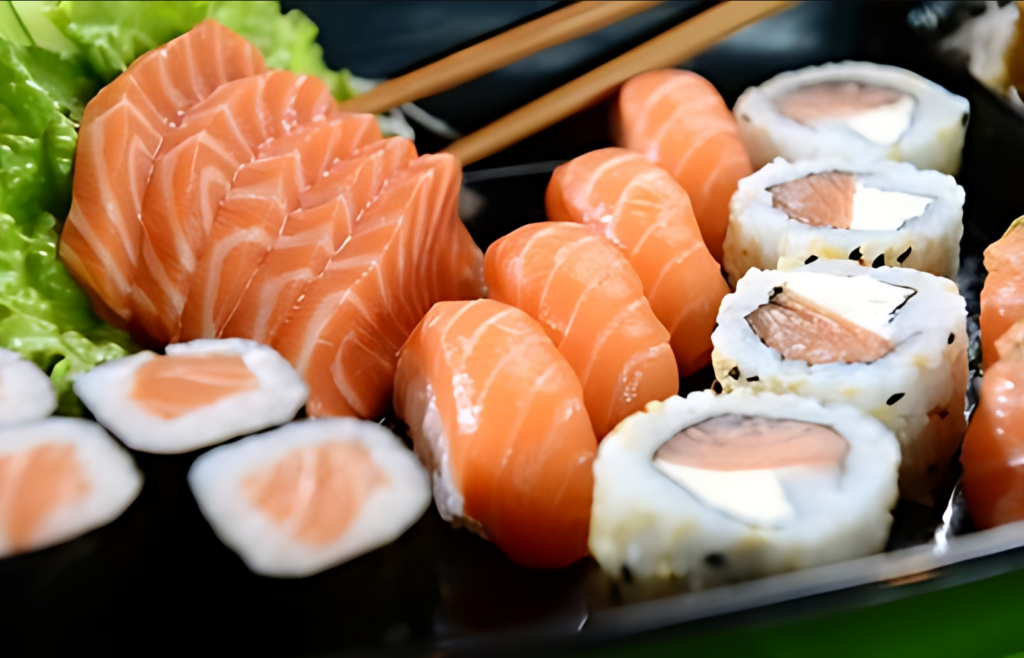
When it comes to raw salmon, sushi and sashimi are the most popular choices. Sushi typically features vinegared rice, raw fish (including salmon), and various toppings, while sashimi consists of thinly sliced raw seafood, often served with soy sauce and wasabi.

But the world of raw salmon doesn’t end there. Consider trying salmon poke bowls, tartare, ceviche, or even a homemade salmon crudo with citrus and herbs. These dishes offer unique flavor experiences and showcase the versatility of raw salmon in culinary creations.
Related Article: Trout vs Salmon: Navigating the Depths of Flavor, Biology, and Angling Adventures
Bottom Line
Yes, you can eat raw salmon, but it must be properly frozen to eliminate health risks associated with parasites. Enjoyed safely, raw salmon offers a delicious and nutritious option for seafood enthusiasts, whether you prefer the classic elegance of sushi or the bold flavors of salmon tartare. Remember to prioritize safety, quality, and hygiene in your raw salmon culinary adventures.
Related Posts





Subscribe for New Racipies
Get mental health tips, updates, and resources delivered to your inbox.
Blueberry Yum Yum Smoothie

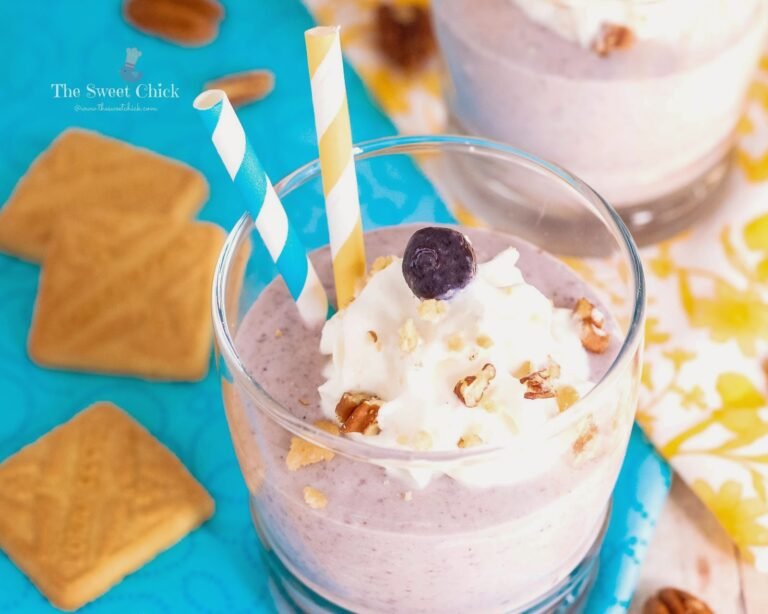

I had never heard of a Blueberry Yum Yum dessert until one of my neighbors suggested I make it. Of course I did. It’s super easy and oh my, it is so delectable. It’s a no bake layer cake made with crushed Lorna Doone shortbread cookies, blueberry pie filling, whipped topping, cream cheese, powdered sugar, and pecans. What’s not to like about that? I thought it would be perfect to make as a dessert smoothie. Yeah, I know it’s not a healthy smoothie, but sometimes you have to be bad. You can use low fat whipped topping and cream cheese if it makes you feel better. Me, I’m sticking to the good stuff.

Williams-Sonoma contacted me to be a part of their Smoothie Week with their first installment being “Not Your Typical Smoothie”. I think this fits the bill. I am a dessert girl, so of course I had to make a dessert smoothie.

I used my Blentec to make this, but in all fairness it should work in any blender. If you don’t have a blender you should check out Williams-Sonoma, they have a sale on blenders and free shipping going on right now.
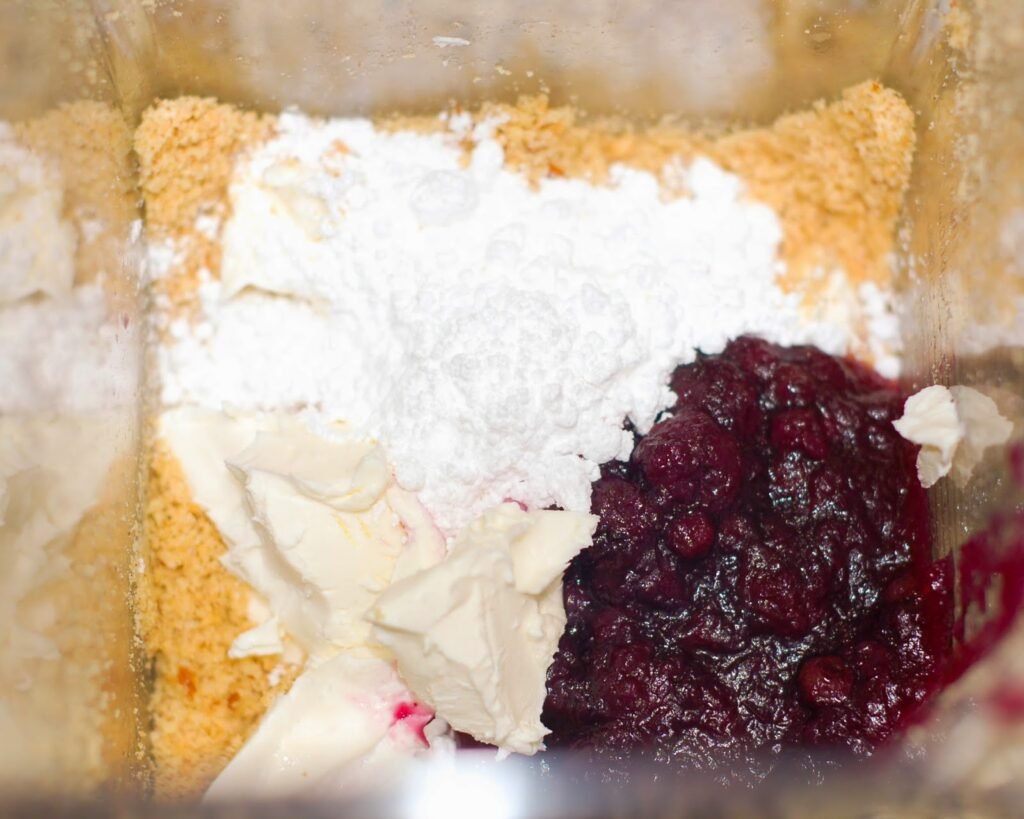
The cookies crumble fairly easy and I had pre-chopped the nuts, so it all worked smoothly. As for the pie filling, my neighbor had given me an industrial sized can of blueberry pie filling that I ended up freezing because I hadn’t used it all. Now, I had a good excuse to use it.

I left the frozen whipped topping for last and the milk. I added 1/4 cup because I like my smoothies thick, but you can add more if you like.

And that’s it. You can add more cookie crumbles or pecans to the top if you want. It makes one 12 oz. serving or two 6 oz. servings. Depends how greedy you are. It is really good though, so I would keep it all to myself. It tastes just like the dessert, except in a drinkable form. Enjoy!
Blueberry Yum Yum Smoothie
by The Sweet Chick
Prep Time: 10 minutes
Keywords: blender dessert snack beverage blueberry pie filling Lorna Doone Cookies whipped topping shake American
Ingredients (2 servings)
- 10 Lorna Doone shortbread cookies
- 1/4 cup chopped pecans
- 1/3 cup blueberry pie filling
- 2 oz. cream cheese
- 1/4 cup powdered sugar
- 1 cup frozen whipped topping
- 1/2 cup milk (or less, if you want a thicker smoothie)
Instructions
Add the cookies and pecans to your blender and pulse until cookies become crumbs.
Then add pie filling, cream cheese, and powdered sugar. Pulse until smooth.
Lastly, put in the whipped topping and milk. Pulse until well blended.
Pour and serve immediately.
Notes
This recipe makes one 12 oz. serving or two 6 oz. servings.
Although Williams-Sonoma contacted me to participate in their Smoothie Week, this is not a sponsored post. All thoughts and opinions are my own.
Related Posts





Subscribe for New Racipies
Get mental health tips, updates, and resources delivered to your inbox.