
Dr Pepper Caffeine Content: How Much Caffeine Is in Dr Pepper? (Complete Guide by Size & Comparison)

Medically reviewed by Dr. Aris Thorne Updated Date: May 2, 2026
In my daily medical practice, patients frequently ask about their daily beverage habits. They often sit in my exam room feeling exhausted and confused about their afternoon energy slumps. Consequently, I always review their liquid calorie and daily stimulant intake. A question that comes up almost every single week involves the exact dr pepper caffeine content.
People genuinely love this unique, 23-flavor soda blend. However, they rarely understand what it actually does to their delicate metabolic systems. Therefore, I want to break down the science clearly and thoroughly.
We will explore exactly how much of this active compound you consume in various serving sizes. Furthermore, we will compare it directly to other popular sodas and morning coffee. Let us dive into the clinical facts so you can make empowered, healthy decisions today.
TL;DR: Quick Overview
- Yes, this popular 23-flavor beverage contains a moderate amount of active stimulants.
- A standard 12-ounce can delivers exactly 41 milligrams of the compound.
- This specific level is slightly higher than classic Coke but lower than diet colas.
- The zero-sugar and diet variations maintain the exact same stimulant profile.
- Fast-food fountain versions, like those at McDonald’s, follow the same exact formulation.
- Healthy adults can safely process this amount within standard medical guidelines.
Analyzing the Stimulant Levels in This Popular Soda
Many patients assume that fruit-flavored or dark sodas naturally lack energy-boosting compounds. First of all, this is a major clinical misconception. Yes, this specific beverage absolutely contains a moderate dose of stimulants.
The manufacturer deliberately adds these active chemicals during the production process. A standard twelve-ounce can provides approximately 41 milligrams to your central nervous system.
This specific dose delivers a very noticeable, yet mild, physiological lift. Therefore, it ranks right in the middle of the commercial soft drink spectrum. It is not overly aggressive, but it certainly keeps your brain alert.
Detailed Stimulant Chart Across Various Sizes
Knowing exactly what goes into your body is a crucial preventative health measure. I always tell my patients to memorize the numbers for their favorite drinks. Here is a comprehensive breakdown of the typical amounts found in standard commercial servings.
| Serving Size | Approximate Milligrams |
| Standard 12 oz Can | 41 mg |
| Standard 16 oz Bottle | ~55 mg |
| Standard 20 oz Bottle | ~68 mg |
| Metric 500 ml Bottle | ~68 mg |
| Large 32 oz Fountain | ~110 mg |
| Concentration Per 100ml | ~10–11 mg |
Diet and Zero Sugar Variations Explained
Metabolic health is a massive priority when I counsel patients on nutrition. Many people successfully switch to diet sodas to rapidly reduce their daily caloric intake. Naturally, they want to know if the sugar-free option alters their energy boost.
The short clinical answer is no. The diet version maintains the exact same chemical profile as the original recipe. You will still consume exactly 41 milligrams per twelve-ounce can.
Furthermore, the newer Zero Sugar variation follows this exact same rule. The manufacturer simply replaces the heavy fructose corn syrup with artificial sweeteners. Consequently, you avoid the massive blood glucose spike but keep the mild mental clarity.
Breaking Down the Amounts by Serving Size
When you visit a convenience store, the massive cup sizes can be highly deceiving. Many patients heavily underestimate how much liquid they actually consume in one sitting. As a result, they ingest far more stimulating compounds than they originally intended. Let us look at the specific metrics for each container type.
If you grab a standard twenty-ounce plastic bottle, you consume about 68 milligrams. This amount is roughly comparable to a weak cup of home-brewed tea.
However, if you purchase a massive thirty-two-ounce fountain drink, the dynamics change rapidly. Consequently, you ingest a hefty 110 milligrams in one single serving. This specific dose can certainly trigger mild anxiety or jitters in highly sensitive individuals.
The scaling logic here is strictly proportional. The manufacturer does not hide sudden chemical spikes in larger bottles. The concentration remains perfectly steady at about 10 to 11 milligrams per 100 milliliters.
Exploring the Blackberry Flavor Profile
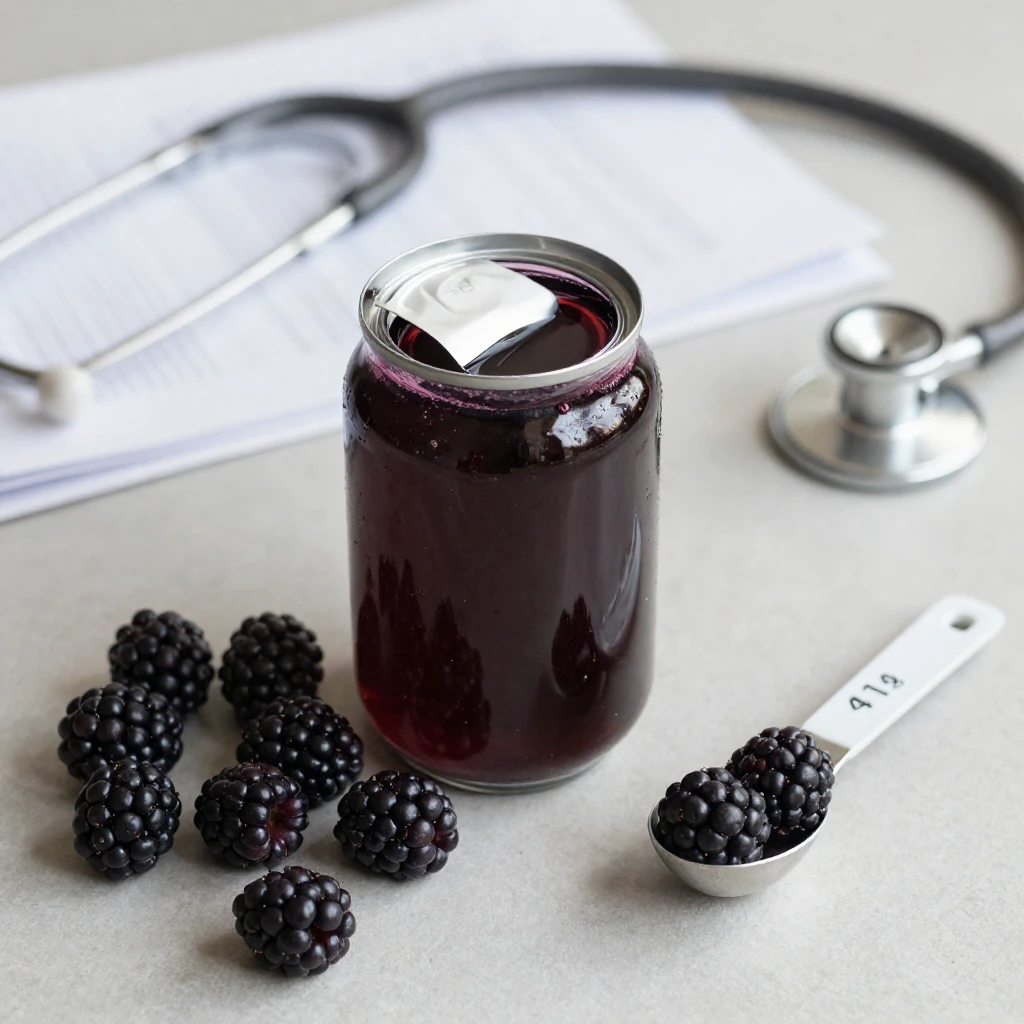
Beverage companies constantly release exciting new flavor variations to attract consumers. Recently, a blackberry variant hit the grocery store shelves. Many patients immediately asked me if this fruity addition altered the physiological effects.
Medically speaking, the unique flavor profile does not change the core chemical structure. The blackberry version still contains the standard 41 milligrams per standard can.
The core difference lies strictly in the artificial and natural flavoring agents used. Therefore, switching to this new fruity variation will not lower your daily intake whatsoever.
Soda Showdown: Comparing Leading Cola Brands
To truly understand these clinical numbers, we must establish a clear commercial baseline. I always use classic colas and black coffee as standard reference points in my medical practice.
| Beverage Type (12 oz) | Approximate Content |
| 23-Flavor Blend | 41 mg |
| Classic Pepsi | 38 mg |
| Classic Coke | 34 mg |
| Brewed Black Coffee | 80–100 mg |
As a result, you can clearly see that our primary beverage is slightly stronger than Coke. It provides a tiny bit more energy than a standard Pepsi. However, coffee is still the reigning champion. A standard cup of coffee holds more than double the power of these commercial sodas.
The Science: Why This Soda Contains Stimulants
Patients often wonder why beverage companies add these specific chemicals to non-coffee drinks. The answer is actually rooted deeply in food science and taste perception.
Primarily, the active compound functions as a crucial flavor enhancer. It adds a very specific, sharp bitterness to the liquid profile. This distinct bitterness perfectly balances the overwhelming sweetness of the heavy corn syrup.
Without this added chemical, the soda would taste unbearably sweet and syrupy. Furthermore, it mimics the traditional formulation of classic colas dating back over a century. The energizing effect is technically a secondary physiological benefit to the flavor chemistry.
Fast Food Offerings: McDonald’s Specifics
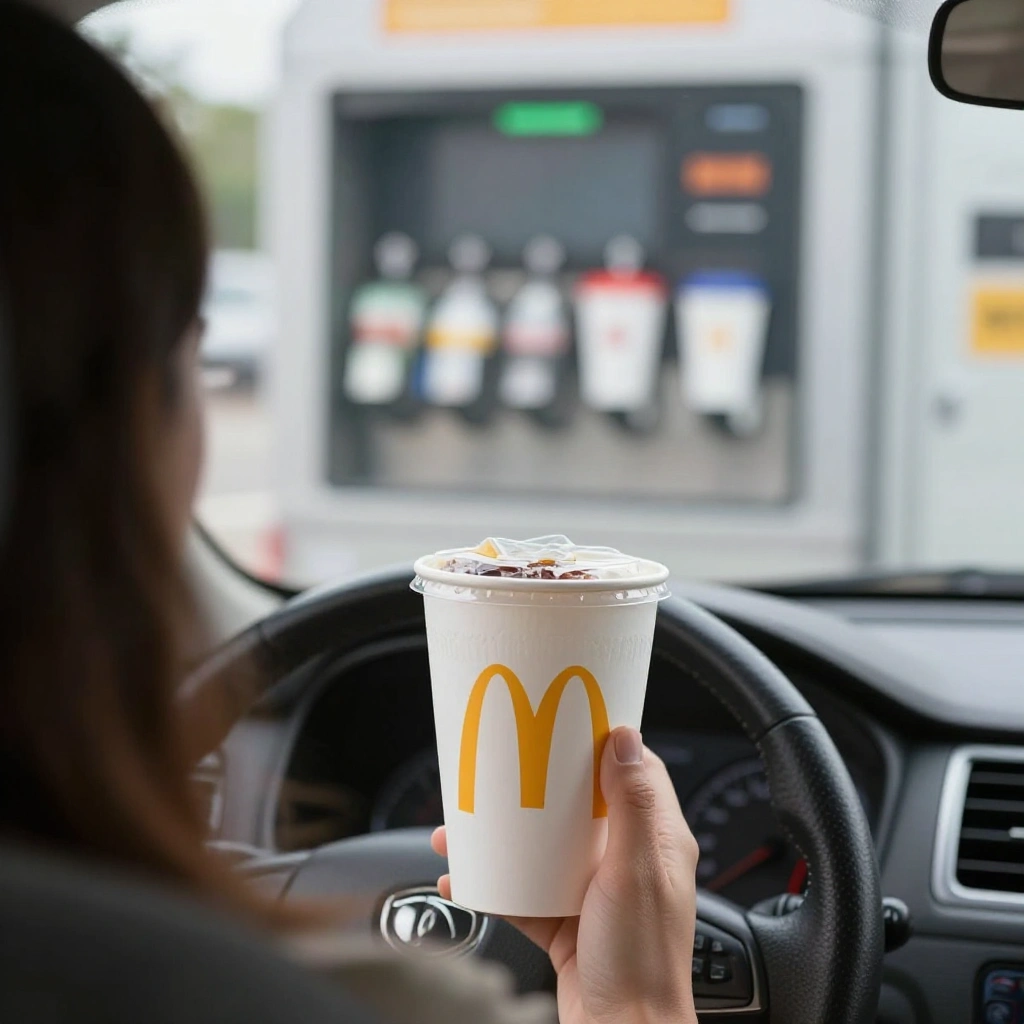
Drive-thru windows present a unique challenge for dietary tracking. Many patients swear that fast-food fountain drinks taste completely different than canned versions. They often ask if the restaurant alters the chemical formulation.
Specifically, McDonald’s uses the exact same standardized syrup formula as the bottling plants. Therefore, the baseline chemical levels remain perfectly consistent.
However, the final concentration might vary slightly based on ice dilution and machine calibration. Overall, a medium fast-food cup will deliver the expected, standard physiological dose.
Manufacturer Guidelines and Corporate Policy
Understanding corporate manufacturing standards helps us verify nutritional claims. The parent company enforces a very strict, standardized formulation policy across all its major facilities.
This rigorous consistency ensures that every single can delivers the exact same physiological experience. Whether you buy it in New York or California, the chemical profile remains strictly identical.
As a medical professional, I appreciate this strict standardization. It allows patients to accurately track their daily nutritional intake without fear of sudden chemical variations.
Is This Beverage Considered Highly Stimulating?
So, is this specific dark soda considered highly stimulating to the human brain? The short clinical answer is no. It falls very safely into the moderate category for completely healthy adults.
However, context is always incredibly important when discussing your daily dietary intake. It ranks notably lower than modern commercial energy drinks.
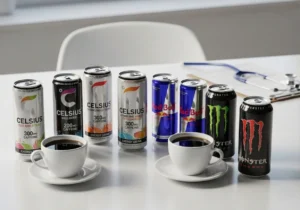
Popular energy brands easily contain anywhere from 150 to 300 milligrams per serving. Therefore, this soda sits comfortably at the lower end of the modern commercial spectrum.
A Clinical Perspective on Beverage Health
In my medical practice, I constantly evaluate how daily habits impact long-term human wellness. Consuming fast-food beverages regularly is a massive risk factor for chronic metabolic disease. We must look far beyond the immediate energy boost and examine the broader physiological consequences.
The Food and Drug Administration sets very clear daily limits for safe adult consumption. A healthy adult can safely process up to 400 milligrams daily without severe adverse effects. Therefore, drinking one or two standard cans fits easily within this safe medical threshold.
However, the most obvious clinical concern is the massive sugar load. A single can contains an astonishing amount of high fructose corn syrup. Consequently, your pancreas must pump out excess insulin to clear the heavy glucose from your bloodstream. Over time, this constant demanding cycle leads directly to dangerous cellular insulin resistance.
Comprehensive Soft Drink Stimulant Chart
To help my patients make better choices, I provide expanded context for commercial beverages. Let us look at a broader spectrum of popular convenience store options.
Mountain Dew actually leads the traditional soda pack with an impressive 54 milligrams. Our primary 23-flavor soda follows closely behind at 41 milligrams.
Then we see classic Pepsi at 38 milligrams and standard Coke at 34 milligrams. Finally, clear sodas like Sprite or 7-Up generally contain zero active stimulating compounds.
Therefore, choosing a clear soda is usually your best option if you want to avoid stimulants entirely.
High-Risk Groups Who Should Limit Intake
Despite the moderate levels, certain vulnerable individuals must strictly avoid these dark beverages. First of all, pregnant people should heavily restrict their daily intake to protect fetal development.
Excessive consumption links directly to low birth weights and other severe gestational complications. Furthermore, pediatric patients lack the complex metabolic capacity to handle even mild stimulants safely.
Children who consume these sodas frequently exhibit severe behavioral issues and massive sleep disruptions. Finally, patients with diagnosed arrhythmias or severe anxiety disorders should completely abstain. Drinking any moderate stimulants will rapidly exacerbate their uncomfortable physical symptoms.
Frequently Asked Questions
What is the exact amount of the active compound in a standard serving?
A standard twelve-ounce can contains exactly 41 milligrams of the active compound. This precise measurement ensures a consistent, mild energy boost without overwhelming your system. It is carefully formulated to provide just enough stimulation for a quick afternoon pick-me-up without causing a heavy crash later in the day.
Does the beverage contain any active stimulating compounds?
Yes, the beverage formulation absolutely includes a moderate dose of stimulating chemicals. These active ingredients are specifically blended to naturally increase daily alertness and improve mental focus. However, the overall dosage remains low enough to prevent the severe jittery feelings often associated with heavily caffeinated energy drinks.
How does its strength compare to classic cola brands?
Yes, it is slightly stronger than standard Coke, which only contains about 34 milligrams per twelve-ounce serving. While the 7-milligram difference is relatively small, sensitive individuals might still easily notice the extra physical lift it provides. It offers a slightly more robust alternative for consumers looking to step up their energy from traditional colas.
Is this beverage stronger than a typical morning brew of coffee?
No, standard drip coffee is considerably stronger and usually contains almost double the active compounds. A typical eight-ounce cup of home-brewed coffee easily yields between 80 to 100 milligrams of stimulants per serving. Therefore, this carbonated beverage is much better suited as a light afternoon refresher rather than a heavy, primary morning wake-up call.
Do the sugar-free variations contain the same exact chemical profile?
Yes, the zero-sugar versions maintain the exact same 41-milligram chemical profile as the original sugary formula. This means you can successfully cut out the extra calories and carbohydrates without sacrificing your preferred daily energy boost. The manufacturing process carefully preserves these exact stimulant levels to ensure a perfectly consistent experience across all dietary varieties.
Conclusion
Navigating confusing nutritional labels can be incredibly difficult when you are prioritizing your overall health. As a physician, I firmly believe that detailed nutritional knowledge is your ultimate preventative medicine.
Understanding exactly what you drink every single day empowers you to make smarter lifestyle choices. This unique 23-flavor soda is undoubtedly a massive staple of modern American pop culture. However, we must always view our dietary choices through a highly comprehensive clinical lens.
We have clearly established that this beverage delivers a moderate but impactful physiological dose. A large fountain cup quickly pushes you well over a quarter of your safe daily limit. Furthermore, the massive sugar content presents a much more immediate threat to your metabolic system. Occasional consumption might be perfectly fine for a completely healthy, active adult. Yet, relying on it for daily hydration is a clinically dangerous, long-term habit.
Always meticulously monitor your total daily intake from all possible dietary sources. If you regularly struggle with chronic fatigue or poor sleep, consider replacing these commercial sodas. Drink much more pure water, prioritize high-quality sleep, and consult your primary care doctor immediately. Hopefully, this comprehensive medical guide clearly answers your questions regarding Dr Pepper caffeine content.
Evidence-Based References:
- Harvard T.H. Chan School of Public Health—Caffeine: Health Benefits and Risks
- PubMed — Caffeine content of energy drinks, carbonated sodas, and other beverages
- PubMed — The caffeine contents of non-alcoholic beverages
- U.S. Food and Drug Administration (FDA) — Spilling the Beans: How Much Caffeine is Too Much?
- PubMed — Is caffeine a flavoring agent in cola soft drinks?
Related Posts
Subscribe for New Racipies
Get mental health tips, updates, and resources delivered to your inbox.
Melty Chai Ice Cream With Honeycomb

I am long overdue with a post, yet would you believe me if I told you that nothing I’ve cooked lately has turned out well?
There was a cauliflower gratin that drowned in too much cheese sauce, there was a papaya lassi that in theory sounded great, but in practice turned out bland and nothing, nothing, could fix it. There were blueberry scones that confirmed what I already knew: I don’t like scones. There was carnitas, which actually turned out wonderfully, but since I didn’t take any pictures, it’s like it never happened. Remind me to share it with you some time.
Do you ever have weeks like this? Weeks where all your efforts seem in vain, where you can’t even make a batch of banana bread muffins without botching it somehow? (I forgot to mix the butter in until the very last minute. Oops.) These have been discouraging times.
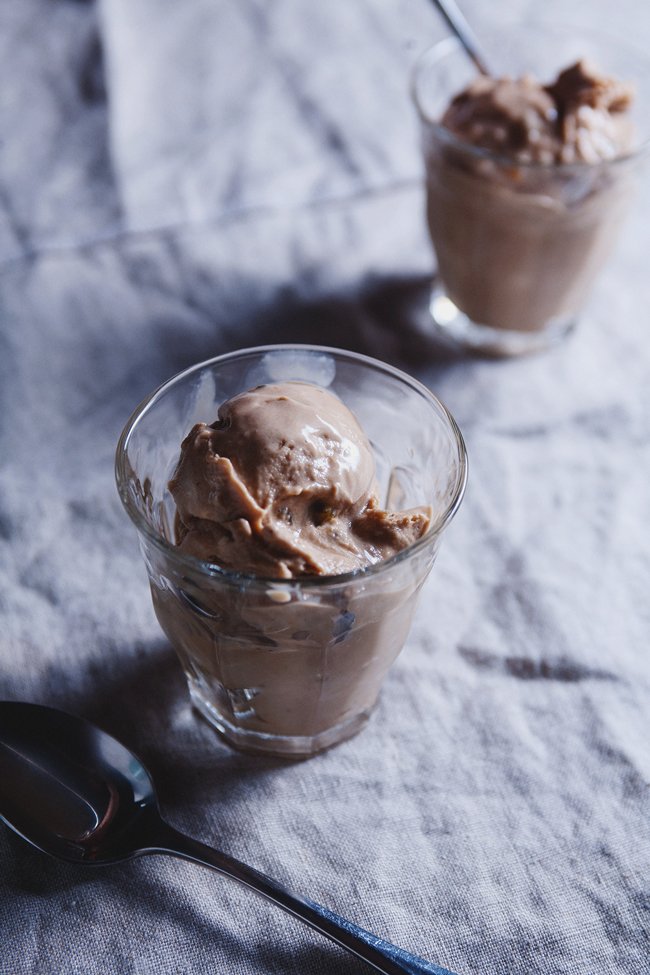
I’ve finally hit upon a recipe that I like, a lot. It came out tasting the way I imagined, pretty much perfect, and I’m actually excited that there’s quite a bit left over in the fridge. Most importantly, it feels true to me. The only negative is that it’s really melty. But c’mon guys, it’s chai ice cream! And there’s honeycomb in it! Melty or not, it tastes pretty spectacular.
I thought I’d share. I need to share. I’m so tired of keeping all this frustration to myself, and I’m pretty sure you all understand. So with that caveat, plow ahead. I’m sure that with a little bit of tinkering, I’ll get it right. Plus, I think where I went wrong is that I didn’t freeze it long enough before churning it (try to refrigerate the custard overnight if you can).
Here’s the honeycomb. It hardens in the ice cream to about the consistency of cookie dough.

MELTY CHAI ICE CREAM WITH HONEYCOMB
Makes about 1 quart
Ingredients:
- 1-1/2 cups whole milk
- 1-1/2 cups heavy cream
- 2 Tbsp loose black tea leaves (such as assam)
- 3/8 to 1/2 tsp chai masala (recipe below)
- 1/2 cup + 2 Tbsp sugar
- 6 egg yolks
- about 1/2 pound honeycomb, cut into bite-sized pieces
- 1/2 tsp vanilla
Directions:
In a medium saucepan, bring milk and heavy cream to a simmer. Remove from heat. Place an infuser with the loose tea leaves and spices in the milk mixture and steep for about 20 minutes.
In a separate medium bowl, whisk the yolks and sugar until combined. Slowly add the milk mixture, whisking all the while. Return the mixture to the medium saucepan and turn the heat on to medium-low. Heat, stirring frequently, until the mixture coats the back of the spoon and swiping a finger through leaves a line. Stir in the vanilla and transfer to a container, covered with saran wrap. Store in fridge at least 4 hours, although overnight is optimal.
The next day, churn the ice cream according to your manufacturer’s instructions, adding the honeycomb towards the end. Freeze until the ice cream is at the consistency you like.
CHAI MASALA
Adapted from The Hathi Cooks
Will make more than you need, but you can keep it around and make chai whenever you feel like it. A little goes a long way.
Ingredients:
4 tsp ground black pepper
3 tsp ground ginger
1 tsp ground cinnamon
1 tsp ground cardamom
pinch nutmeg
Directions:
Combine and store in an airtight container.
Related Posts
Subscribe for New Racipies
Get mental health tips, updates, and resources delivered to your inbox.