
Are Lean Cuisines Healthy? Secrets Revealed!

Medically reviewed by Christiana George Updated Date: January 2, 2026
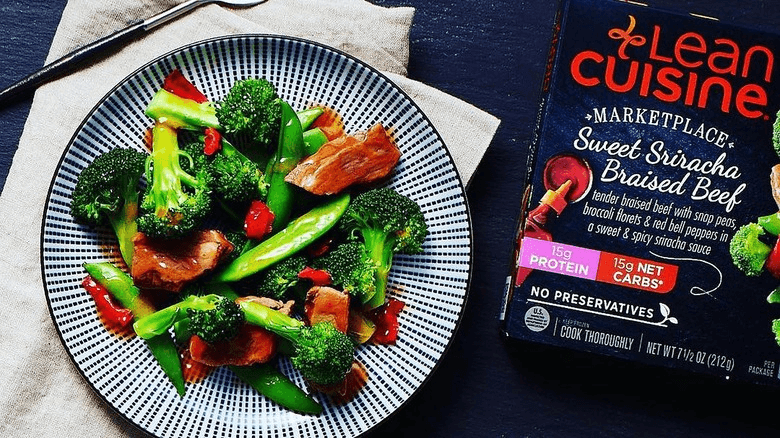
Lean cuisine is a term used to refer to foods that are lower in fat and calories. It’s a very popular diet trend, especially for those looking to lose weight. But aside from the benefits, there are several side effects too.
So, you want to know are lean cuisines healthy?
Lean cuisines are frequently criticized for having fewer nutritious ingredients. They are blamed for contributing to weight gain and bad health. The good news is that some lean foods support a healthier lifestyle. However, some lean cuisines are truly not what they advertise and promise to serve.
Here, we investigate whether lean cuisine is good or bad for you. So let’s get started.
So, are lean cuisines healthy or not?
The answer is very simple. Lean cuisines are supposed to have less fat and cholesterol. Additionally, they should serve you with fewer calories. If a lean cuisine has these characteristics then it’s healthy for you.
If you are searching for ways to eat healthier and lose weight, it is important what you’re eating. Unbalanced eating habits can result in health issues.
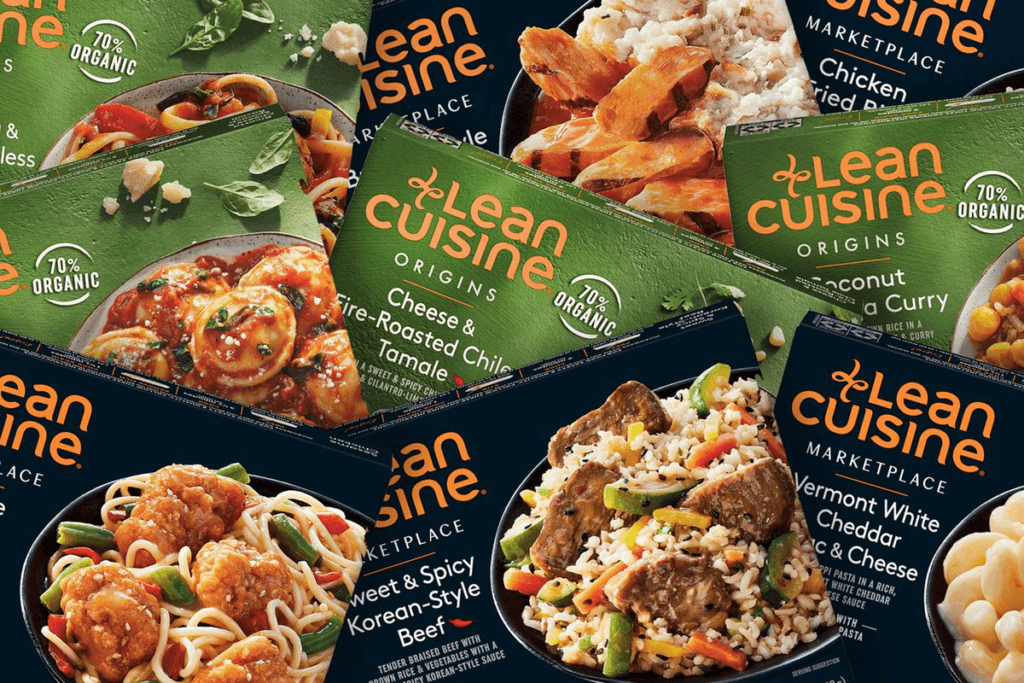
Lean Cuisine is a term used to refer to the eating habits of people who follow a particular diet. The concept came up after the success of the movie Fat, Sick, and Nearly Dead starring Mark Sisson and Joe Cross.
Many people who wanted to improve their health were inspired by this film. As a result, it became a widely accepted idea.
If we check the nutritional values of lean cuisine, it’ll clear out all the doubts. Let’s look at the nutrition facts to get a better analysis of the food.
What are the Nutrition Facts of Lean Cuisines?
There are many low-cuisine food recipes available to choose from. We’ve chosen the favorite of most people, Chicken Enchilada Suiza.
Let’s have a quick overview of the nutrition table.
| Nutrients | Amount | Daily value % per 255 grams |
| Calories | 281 | 14% |
| Protein | 10g | 20% |
| Carbs | 51g | 17% |
| Fat | 4g | 5% |
| Fiber | 3.1g | 11% |
| Sugar | 7g | 14% |
The table below shows the nutrition facts per one serving (255 g) of lean cuisine.
| Nutrients | Amount | Daily value % per 255 grams |
| Total fat | 4g | 5% |
| Cholesterol | 20.4 mg | 7% |
| Sodium | 520.2 mg | 23% |
| Total carbohydrate | 51g | 17% |
| Dietary fiber | 3.1g | 11% |
| Total sugars | 7g | 14% |
| Protein | 10g | 20% |
| Vitamin-C | 1.3 mg | 1% |
| Iron | 1.1 mg | 6% |
| Calcium | 150.5 mg | 12% |
| Potassium | 339.2 mg | 7% |
So, the table shows that lean cuisines contain many vital nutrients. For our body to function properly, these nutrients are necessary. The only concerning part we think is the sodium level. People with cardiovascular disease may not find it suitable.
You might be wondering, does lean cuisine have a lot of carbohydrates? Let’s quickly review the pie chart below.
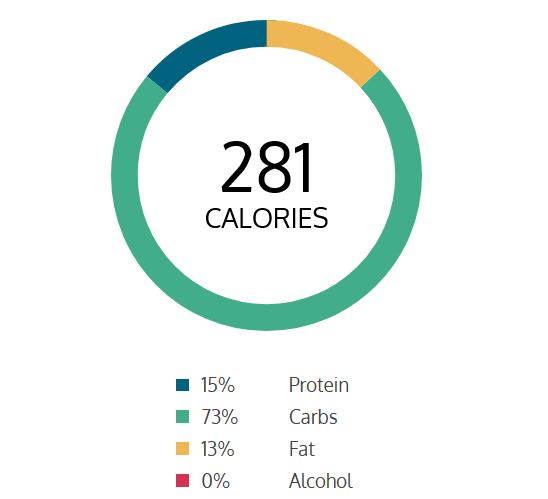
So, the pie chart shows that most of the calories of lean cuisine come from carbohydrates. It’s a good thing since carbohydrates are crucial to our body.
What are Some Myths About Lean Cuisine?
There are some myths in the air about lean cuisines. We’re here to bust some myths. So, let’s begin.
Myth 1: Lean Cuisines Can Make you Lose Weight.
It’s true to some extent that lean cuisines don’t add weight. Lean cuisines cannot make you lose weight. However, losing weight depends on some other important factors. Such as your carbohydrate intake, your protein intake, and exercise.
Also losing is not a quick procedure, it takes time. A person’s genetics and hormones also affect the overall body weight. Hence, burning more calories compared to the calories taken is not enough to lose weight.
Myth 2: Lean Cuisines Have Fewer Calories
In the nutritional fact section, we’ve seen that lean cuisines may contain 200-450 calories per serving. As a result, having lean cuisine regularly can make you gain calories faster. Those calories will gradually add weight to the body.
The daily recommended value of calories for adults is around 1000 to 1500 calories. So, having 3 or more servings of lean cuisine can surpass the DV and add extra calories. Extra calories mean extra weight in the body.
What are the Health Benefits of Lean Cuisines?
Lean cuisines are filled with dietary fiber, carbohydrates, vitamins, and minerals.Let’s talk in detail about the advantages to your health.
Reason 1: Fiber-rich
Our bodies require fiber as a vital component. Fiber comes in two varieties: soluble fiber and insoluble fiber.
Gaining a healthy weight and lowering bad cholesterol are all benefits of fiber. Fibers also reduce the risk of diabetes, heart disease, and even cancer.
Lean cuisines contain 3.1 grams of dietary fiber per 255 servings. That’s almost 11% of the daily recommended value of fiber intake. Try to combine lean cuisines with other fiber-rich food sources, it’ll help you to meet your daily intake of fiber.
Reason 2: No Added Preservatives.
Preservatives are chemical substances used to store foods and keep them fresh. Preservative prevents producing bacterias in the food. However, too much preservative in the body can cause hypersensitivity, neurological dysfunction, and even cancer.
Some of the most harmful preservatives are sodium nitrate, potassium bromate, BHA, etc. Luckily, we don’t have any in lean cuisines.
Reason 3: Serves Enough Protein
Protein helps muscle mass, increases strength, and lowers blood pressure. Lean cuisines contain a total of 10 grams of protein. Around 0.8 grams of protein per kilogram of body weight is recommended per day.
For instance, a 55kg person should take 44 grams of protein per day. So, one serving of 255 lean dishes can provide 20% of the daily value. So, lean cuisines are a good source of quickly filling out protein needs.
Reason 4: Vitamin C
Our bodies require vitamin C because it aids in the healing of damaged tissues. You get 1% of your recommended daily intake of vitamin C from one serving of lean cuisines.
Vitamin C prevents heart disease, neutralizes blood pressure, and improves memory. Also, a lack of vitamin C in the body causes skin, hair, and dental damage.
Reason 5: Rich in Potassium
Potassium is undoubtedly the most important elements in the body. One serving of lean cuisine provides 339 mg of potassium, which is 7% of the DV. Potassium helps to synthesize protein and metabolize carbs in the body.
Additionally, it supports the healthy operation of the body’s cells and nerves. Therefore, a deficiency in potassium can lead to serious health issues.
Now you might be thinking, are frozen lean cuisines healthy?
Because of their nutritional content, frozen lean foods are thought to be healthy. However, they are processed with high-level sodium and other chemical agents. As a result, it’s harmful to the body rather than beneficial.
What are the Long-Term Side Effects of Lean Cuisines?
Well regardless of having so many nutrients, lean cuisine is unhealthy too for some reasons. Let’s explore those reasons in detail.
Reason 1: High Amount of Sodium
Lean foods contain a lot of salt or sodium. The daily recommended salt intake is around 6 grams. 255 grams of lean cuisines contain 520.2 mg of sodium, which is 23% of DV.
Excessive sodium intake increases blood pressure, chances of heart attack, and even stroke. Doctors recommend cutting down on extra sodium from the diet Hence, next time while having lean cuisines keep the recommended intake in mind.
Reason 2: High in Potassium
Potassium is one of the most crucial components of the body. One serving of lean cuisine provides 339.2 mg of potassium, which is 7% of the DV. Potassium helps to synthesize protein and metabolize carbs in the body.
However, excess potassium intake can cause potassium overdose. When the body fails to process the extra potassium it results in nausea, vomiting, and fatigue.
Also read:
Is Mac and Cheese Healthy? Calories, Nutrition, and a Awesome Recipe
Summary
Lean cuisines are foods that are low in fat and calories. Lean cuisines are healthy foods for people who cut calories. You can either buy them chilled or frozen.
The only difference between the two is that the frozen ones are freshly prepared and have a longer shelf life. Nonetheless, it’s also true that compared to other high-calorie foods lean cuisine serves pretty low. Almost 72% of lean cuisines are carbohydrates.
Lean cuisines are also loaded with vitamins and minerals such as vitamin C, fiber, potassium, and calcium. These nutrients are a must for healthy body function. Hence, people who want to maintain a healthy diet can have lean cuisines.
FAQs
Are the calories on Lean Cuisine accurate?
No, you can’t accurately count on calories. Calorie counts may vary despite the mentioned value in the packaging. Many studies have found that actual calories differ from the calories written in the package. However, it’s not really a big deal.
What are the healthiest frozen dinners to eat?
Frozen foods are generally not healthy but there are some frozen foods that are healthier. Such as lean cuisine chicken teriyaki, veggie scramble, Kellogg’s plant-based protein bowl, etc. Their low-calorie counts make them a comparatively healthier choice.
Can you cook ready meals in an air fryer?
Yes is the answer. Lean cuisines are frozen goods that can be cooked using an air fryer. What’s more, is that air fryers can perfectly cook your frozen food compared to normal cooking. Also, it can save you some time on the go.
Conclusion
So that was all about Lean Cuisines for today. Hope we’ve covered everything and cleared out every aspect of your query.
Now you’d be able to decide are lean cuisines healthy or not. Don’t hesitate to send us your feedback and suggestions.
We’ll catch up with you in the next one. Till then stay fit and healthy. Goodbye.
Related Posts




Subscribe for New Racipies
Get mental health tips, updates, and resources delivered to your inbox.
Radish Greens: Superfood or Acid Reflux Trigger?

The Hidden Star of Radishes—Radish Greens
When we think of radishes, our minds often picture the crunchy, peppery root that brightens up salads and garnishes dishes. But did you know that the leafy tops of radishes, commonly discarded, are a nutritional powerhouse? Radish greens are quickly gaining attention as a superfood packed with vitamins, minerals, and antioxidants. Yet, for those dealing with acid reflux, these greens pose a pressing question: are they safe to eat, or could they exacerbate symptoms?
Understanding the acidity or alkalinity of foods is crucial for acid reflux sufferers, as diet plays a pivotal role in managing this condition. In this article, we’ll uncover whether radish greens are acidic, their health benefits, and how they interact with acid reflux. By the end, you’ll know how to make an informed decision about including them in your diet.
Radish Greens 101: What Makes Them Special?
What Are Radish Greens? A Nutritional Powerhouse
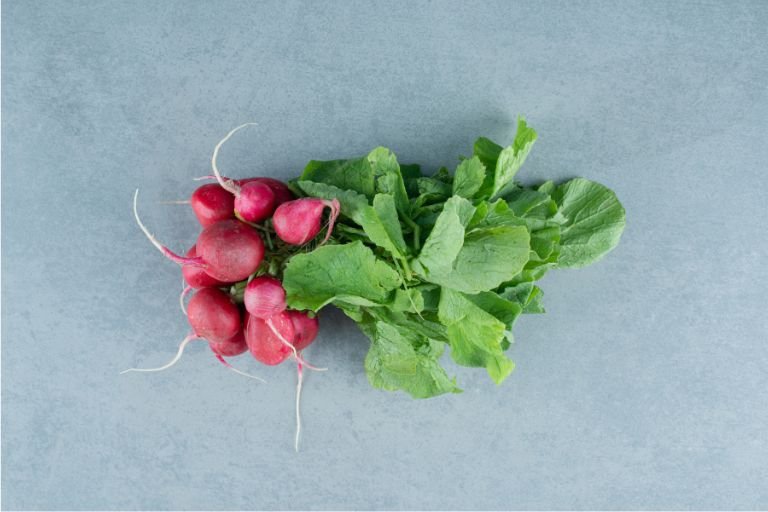
Radish greens are the leafy tops of the radish plant, often overlooked and discarded despite their exceptional nutritional value. Unlike the root, the greens boast a slightly peppery, earthy flavor, making them a versatile ingredient for soups, salads, and stir-fries.
These greens are not only edible but highly nutritious. They belong to the cruciferous vegetable family, which includes other superfoods like kale, broccoli, and cauliflower. Historically, radish greens have been used in traditional cuisines and even for their medicinal properties. Their rising popularity in the culinary world has encouraged more people to appreciate their health benefits and experiment with creative ways to use them.
Whether you sauté, blend, or eat them raw, radish greens bring a burst of flavor and nutrition to your plate. But how do they fit into a diet designed to manage acid reflux? Let’s explore.
Nutritional Profile of Radish Greens
Radish greens are nutrient-dense, meaning they pack a ton of vitamins and minerals into every bite. Some of the key nutrients include:
- Vitamin C: Boosts immunity, promotes healthy skin, and acts as a powerful antioxidant.
- Iron: Supports healthy blood production and combats fatigue.
- Calcium: Strengthens bones and teeth.
- Fiber: Aids digestion and supports gut health.
- Vitamin A: Essential for vision and skin health.
In addition to these nutrients, radish greens are low in calories and rich in phytochemicals, which help fight inflammation and oxidative stress. Their high fiber content makes them excellent for digestion, which could have indirect benefits for acid reflux management.
Acidity in Focus: Are Radish Greens Acidic or Alkaline?
The pH Level of Radish Greens Explained
Radish greens are considered to be mildly alkaline. The pH level of food determines whether it’s acidic, neutral, or alkaline. Foods with a pH above 7 are alkaline, while those below 7 are acidic. Radish greens typically have a pH closer to neutral or slightly alkaline, making them less likely to trigger acid reflux in comparison to highly acidic foods.
However, the pH of radish greens can be influenced by how they’re prepared. For instance, cooking methods like steaming or boiling can alter their chemical composition slightly. It’s worth noting that the alkalinity of radish greens may help balance the acidic environment in the stomach, potentially reducing reflux symptoms for some people.
Acidic Foods vs. Alkaline Foods: Why It Matters for Acid Reflux
Acid reflux occurs when stomach acid flows back into the esophagus, causing uncomfortable symptoms like heartburn, regurgitation, and a sour taste. It is therefore very important to take care of acidity of food you are eating.
Acidic foods, such as citrus fruits and tomatoes, can aggravate reflux symptoms by relaxing the lower esophageal sphincter (LES) or irritating the esophagus.
On the other hand, alkaline foods can help neutralize stomach acid and soothe the digestive tract. This is why understanding the pH of radish greens is crucial for acid reflux sufferers. While they are not as alkaline as spinach or cucumbers, their mildly alkaline nature makes them a better choice than highly acidic foods.
Author Tip: 7 Kinds of Foods to Avoid with GERD
Radish Greens and Acid Reflux: Friend or Foe?
How Radish Greens May Help Manage Acid Reflux?
Radish greens can be a great addition to a reflux-friendly diet due to their nutrient profile. The high fiber content in radish greens promotes healthy digestion by regulating bowel movements and preventing constipation, which can reduce pressure on the LES. This, in turn, lowers the risk of acid reflux episodes.
Additionally, radish greens contain antioxidants and anti-inflammatory compounds that may soothe irritation in the esophagus and stomach lining. For some individuals, these properties may help minimize the discomfort associated with acid reflux. However, this is highly individualized and depends on how the greens are prepared and consumed.
When Radish Greens Could Worsen Symptoms?
Despite their health benefits, radish greens may not be suitable for everyone. Some factors that could make radish greens aggravate acid reflux include:
- Raw Consumption: Eating raw radish greens may be harsh on the stomach, especially for those with sensitive digestive systems.
- Large Portions: Overeating, even with healthy foods, can increase abdominal pressure and trigger reflux.
- Individual Sensitivity: Some people are sensitive to cruciferous vegetables, which may lead to bloating or indigestion, potentially worsening reflux symptoms.
Smart Ways to Add Radish Greens to a Reflux-Friendly Diet
Cooked vs. Raw: Which Is Better for Acid Reflux?
Cooking radish greens can make them easier to digest and reduce their potential to trigger reflux. Steaming or sautéing the greens not only softens their texture but also makes their nutrients more bioavailable. Cooking also minimizes the sharp, peppery flavor, which can sometimes irritate the stomach.
Raw radish greens, while nutritious, might be too harsh for individuals with severe reflux. If you enjoy them raw, consider blending them into smoothies with alkaline fruits like bananas or pairing them with a creamy, low-fat dressing to balance their acidity.
Pairing Radish Greens with Alkaline Foods
Combining radish greens with other alkaline or reflux-friendly foods can help mitigate any potential irritation. Here are some ideas:
- Pair them with roasted sweet potatoes or quinoa for a balanced meal.
- Add them to soups with alkaline vegetables like zucchini and carrots.
- Top them on a baked potato with low-fat Greek yogurt.
These combinations not only enhance the flavor but also ensure that your meal is easier on the stomach.
Portion Control: Keep It Gentle on Your Stomach
As with any food, moderation is key. Start with a small portion of radish greens (e.g., a handful cooked) to gauge how your body reacts. Avoid eating large amounts in one sitting, as this can increase abdominal pressure and exacerbate reflux symptoms.
Alternatives to Radish Greens for Acid Reflux Sufferers
Alkaline Leafy Greens to Consider
If radish greens don’t sit well with you, there are other leafy greens that are gentler on the stomach:
- Spinach: Highly alkaline and easy to digest.
- Swiss Chard: A versatile, nutrient-packed alternative.
- Kale: Packed with vitamins but milder in flavor.
Author Tip: Are Salads Healthy?
Mild, Reflux-Friendly Veggies
For those who prefer non-leafy options, consider these reflux-friendly vegetables:
- Cucumbers: Hydrating and soothing.
- Zucchini: Mild in flavor and highly digestible.
Author Tip: Are Cucumbers Acidic?
Lifestyle Tweaks to Manage Acid Reflux Effectively
Mindful Eating Habits for Better Digestion
- Chew your food thoroughly to aid digestion.
- Avoid overeating by having smaller, more frequent meals throughout the day.
Avoiding Common Triggers Beyond Food
- Minimize stress, as it can worsen reflux.
- Avoid lying down immediately after meals to prevent acid from flowing back into the esophagus.
Incorporating Exercise for Acid Reflux Relief
Regular physical activity can improve digestion and help maintain a healthy weight, reducing the likelihood of reflux symptoms.
Conclusion: Are Radish Greens a Good Choice for Acid Reflux Sufferers?
Radish greens are a nutrient-dense, mildly alkaline food that can offer numerous health benefits. However, their impact on acid reflux varies from person to person. For some, they may soothe digestive issues, while for others, they could be a trigger.
Cooking them, controlling portion sizes, and pairing them with alkaline foods can make radish greens a reflux-friendly option. As always, listen to your body and consult a healthcare professional for personalized advice.
FAQs: Radish Greens, Acidity, and Acid Reflux
Q1: Are radish greens acidic or alkaline?
Radish greens are mildly alkaline, making them a better choice than acidic foods for reflux sufferers.
Q2: Can I eat radish greens raw if I have acid reflux?
Raw radish greens may be too harsh for some individuals; cooking is recommended to reduce their impact.
Q3: Are radish greens healthier than spinach or kale for acid reflux?
It depends on individual tolerance. Spinach and kale are also excellent choices for reflux-friendly diets.
Q4: How should I prepare radish greens to avoid acid reflux?
Steam or sauté radish greens and pair them with alkaline foods for optimal results.
Q5: What other leafy greens can I eat if radish greens trigger my reflux?
Spinach, Swiss chard, and arugula are great alternatives.
Related Posts
Subscribe for New Racipies
Get mental health tips, updates, and resources delivered to your inbox.