
Are Salads Healthy? The Truth About Nutrient-Rich Greens
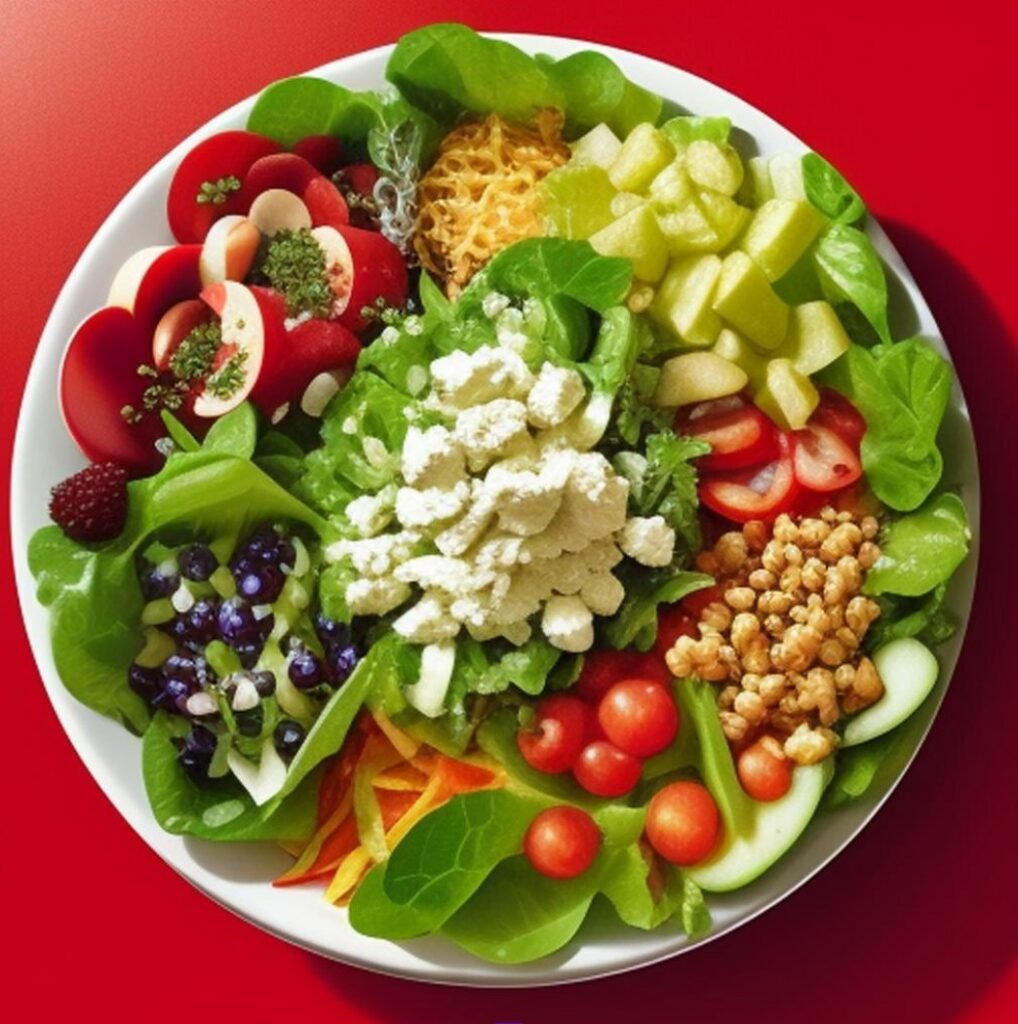
Healthy eating isn’t always easy. You have to wade through all sorts of conflicting information before you can find what works best for you.
For example, it seems like just about everyone has an opinion on whether or not salads are healthy. But there are so many ways that people define healthy. So it’s hard to know what’s true and what’s hype! Are salads healthy as we think?
Yes, they are, as long as you prepare them right! The health benefits of salads come from the combination of fresh vegetables and fruits packed with vitamins, minerals, and antioxidants. These nutrients have been linked to a lower risk of chronic diseases like heart disease, diabetes, and cancer.
In this guide, we’ll explore some extraordinary benefits of salads and more! Let’s start with what’s in that bowl.
Are Salads Healthy?- What Makes Them Healthy?
Salads are, in their most simple form, just greens (or other veggies) or fruits with a dressing – you know, like the kind you’d eat at Applebee’s or Wendy’s.
These mixtures of fruits or veggies have a reputation for being the foods that you eat when you’re trying to lose weight or live a healthier lifestyle in general. But they are much more than that!
Here are some ways that salads can help improve your quality of life, no matter what your goals might be.
Low in Calories
One of the healthiest things about salads is that they are low in calories. It means you can eat a lot of them without feeling guilty and without having to worry about packing on the pounds.
However, make sure you are not including any calorie or fat-rich add-ons and dressing like mayonnaise.
Full of Fiber, Vitamins, and Minerals
Salads are full of fiber, vitamins, and minerals, making them an excellent option for a healthy meal. Fiber helps to keep you feeling full, while the retained vitamins and minerals in the raw, uncooked veggies or fruits provide essential nutrients for your body.
Plus, since most vegetables are naturally low in fat, salads make it easy to eat healthier without having to worry about overdoing it on carbs or fat. Plus, they’re delicious!
Hydrates You Internally
We all know that we need to drink eight glasses of water a day, but sometimes it’s hard to get in all our H2O. Did you know that eating water-rich foods like salads can help you meet your daily quota?
Studies show that for every cup of lettuce or spinach you eat, you’ll take in about four cups of water!
Also, other veggies like cucumber, tomatoes, and fruits like watermelon and apples are also water-enriched salad items.
Keep Your Digestive System in Good Shape
Salads are a great way to keep your digestive system in good shape. They’re packed with fiber, which helps keep things moving along smoothly. Plus, the nutrients in salads help keep your gut healthy.
Lower Risks of Colorectal Cancer
The study found that people who eat five or more servings of fruits and vegetables per day had a 20% lower risk of developing colorectal cancer. Vegetables, in particular, can help you meet your daily requirement for fiber, folate, potassium, vitamin A, vitamin C, calcium, and iron, which help to keep your cells healthy.
How Much Salad is Healthy for Consumption?
You might be surprised to learn that there is no one-size-fits-all answer to this question. It depends on factors like your age, activity level, and overall health. Generally speaking, a healthy person can have up to three cups of salad per day without any adverse effects.
The U.S. Department of Agriculture (USDA) also recommends that adults should eat 2 to 3 cups of vegetables per day, which you can easily meet by incorporating a salad into your daily routine.
Salads also provide essential nutrients such as vitamins A, C, E, and K; minerals like iron and calcium; antioxidants like beta-carotene; folate; lutein; potassium; omega-3 fatty acids. Consuming salads will provide a substantial amount of these nutrients in your daily nutritional value requirement.
Fruit Salad Vs Vegetable Salad: Which One is Healthier?
We all know that salads are healthy, right? But what exactly makes them so good for us? Is it the fruits or vegetables that are the key ingredients?
Vegetable salads are generally healthier than fruit salads because they contain more vitamins, minerals, fiber, and a higher amount of complex carbs. Also, vegetables contain less calories than fruits. Fruits like bananas and mangos are calorie-rich, hence should be avoided by dieters.
Moreover, fruits have fructose which is fruit sugar, naturally in them. However, this is not harmful; you should eat them in moderation.
However, both types of salads can be part of a healthy diet and included in salads. The reason is simple: the human body needs both fruits and vegetables to lead a healthy life.
Therefore, it is important to include fruits in your daily diet. But ensure that vegetables take up the majority of your salad diet because they are comparatively healthier.
Healthy Salad Dressing Suggestions
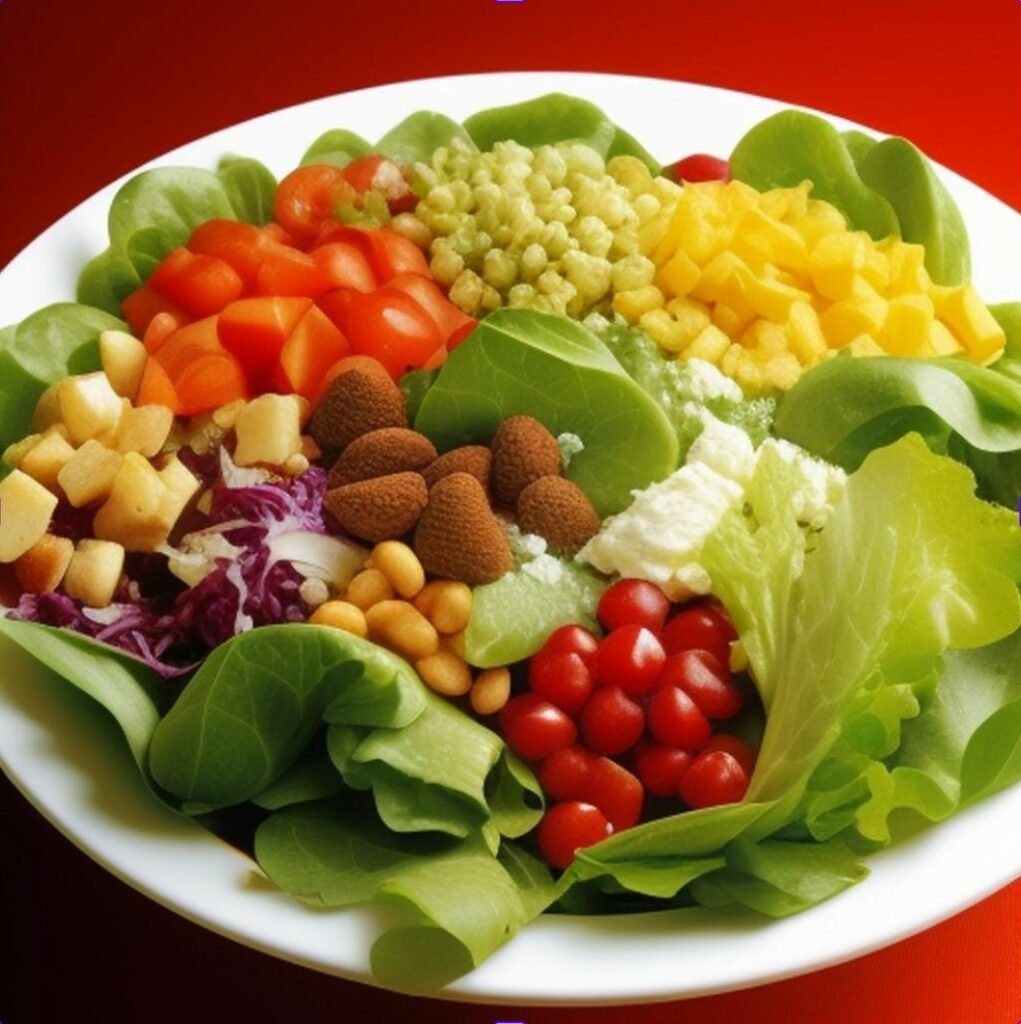
Does dressing make any difference? Well yes, the dressing should also be well-chosen to keep your salad as healthy as possible. Moreover, it’s the taste-bringer, giving your salad the perfect flavor.
Here are some healthy dressing options.
- You can’t go wrong with a classic vinaigrette made with olive oil and vinegar.
- For something a little different, try a tahini-based dressing or citrusy dressing made with orange and lemon juice.
- Finally, for an extra healthy option, you can make your own salad dressing using apple cider vinegar mixed with agave nectar for sweetness and a dash of salt.
Healthier Salad Toppings Ideas
We all know that salads are a healthier option when it comes to meals- yes, they are! But the meter of healthiness can come down instantly if you choose unhealthy toppings.
Let’s take a closer look at some of the most healthy salad toppings to get a better idea.
- Add some protein to your salad with boiled shredded chicken or hard-boiled eggs.
- For a heartier meal, consider adding nuts (such as almonds), avocado, chickpeas, beans (such as kidney beans), raisins, or walnuts.
- You can add oven-roasted chickpeas – a great source of protein and fiber.
- Try boiled Quinoa – high in protein and full of iron.
However, make sure you don’t overdo it though!
Not-So-Healthy Salad Toppings
When it comes to salads, we often think of them as a healthy meal option. However, some salad toppings can turn your healthy meal into an unhealthy one.
For example-
- Adding croutons or fried onions can make your salad high in calories and fat.
- Similarly, bacon bits may seem like an easy way to add flavor, but they’re also loaded with sodium.
- Avoid ranch dressing or creamy dressings such as blue cheese or thousand islands.
- Ensure you avoid high-calorie foods like cheese, cashew nuts, or other fatty and salted nuts.
Final Tips About Adding Extras to your Salad Bowl
Are salads healthy? Of course, they are; however, it mostly depends on what you add to it.
The next time you’re at the grocery store, be sure to pick up some extra toppings for your salad. Add some diced fruits or vegetables, a handful of nuts or seeds, and a light dressing.
Store these extras in separate containers to keep them fresh until you can add them to your salads. You can also make these extras ahead of time and just save them in the fridge until needed!
Lastly, just because it is healthy to consume salad doesn’t mean you should overdo it. Excess to anything is bad for health, no matter how nutritious it is. As mentioned 2-4 cups of salad per day divided between your lunch and dinner are enough to provide the daily required nutrients for your body.
FAQs
Are salads good for weight loss?
Salads are extremely beneficial for weight loss. The high fiber content and complex carbs in vegetables help to keep you full for a long time, so you don’t eat here and there and gain weight. The consumption of lettuce in salads also leads to weight loss in overweight people due to the high water content in lettuce.
Is it healthy to eat a salad every day?
Yes! Salad is a great way to get your daily dose of vitamins, minerals, and fiber. Not to mention, it can help you lose weight and stay hydrated. As a healthy adult, 2-3 cups of salad every day is more than enough.
So go ahead and enjoy a salad every day!
Is Caesar salad Healthy?
Yes, caesar salad can be healthy! Though it varies based on the ingredients used, a typical caesar salad includes leafy greens packed with vitamins and minerals. Make sure you check on the ingredients included from where you order the salad.
Final Thought
Everybody knows that leafy green salads are healthy and good for you, but it turns out that their benefits don’t stop there. A wide variety of nutrients, antioxidants, and minerals can be found in salads, making them an excellent addition to any diet and helping to prevent a wide range of health problems and diseases.
Eating salads regularly can benefit your health and well-being on a daily basis.
So, if you ask me – ‘are salads healthy’ – of course they are! If you haven’t already included salads in your diet regularly, start now!
Related Posts



Subscribe for New Racipies
Get mental health tips, updates, and resources delivered to your inbox.
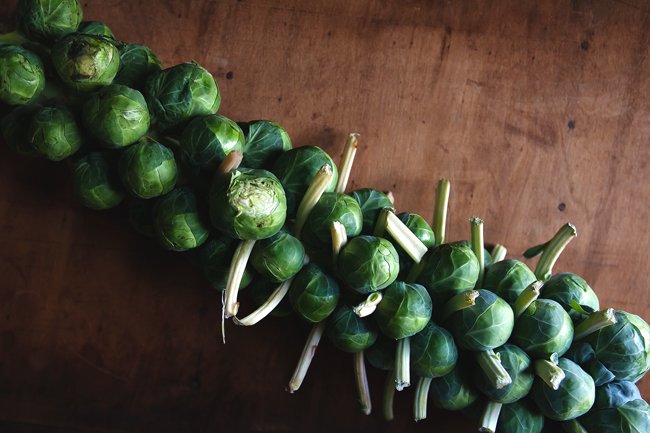
Brussels Sprouts, Momofuku-style

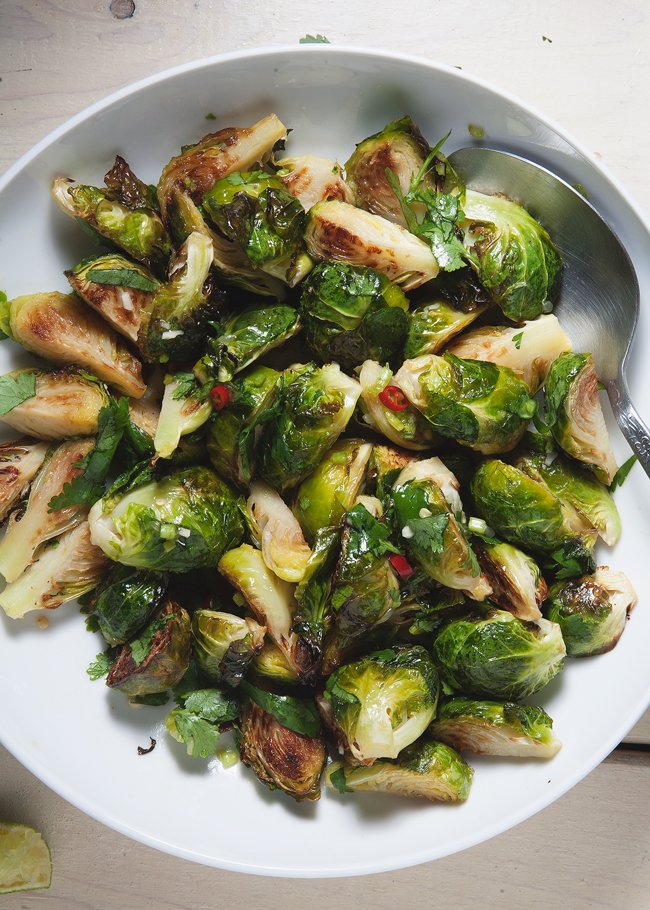
I’ve been testing out a couple Thanksgiving recipes (my contributions to Thursday’s dinner) and was floored by this brussels sprouts recipe. If you’re still planning a side dish, I submit this one as a contender.

This recipe is by David Chang of Momofuku fame. Enough said, maybe?
If not, consider the brilliance behind this recipe: it take a standard fall/winter ingredient and infuses it with a lively combination of tart, spicy, sweet, and savory, effectively transforming stodgy old brussels sprouts into a stunner. And a delectable one at that. I’m all for food makeovers.
Anyway, this one’s going on the Thanksgiving spread—and winter rotation. I hope you give it a try!
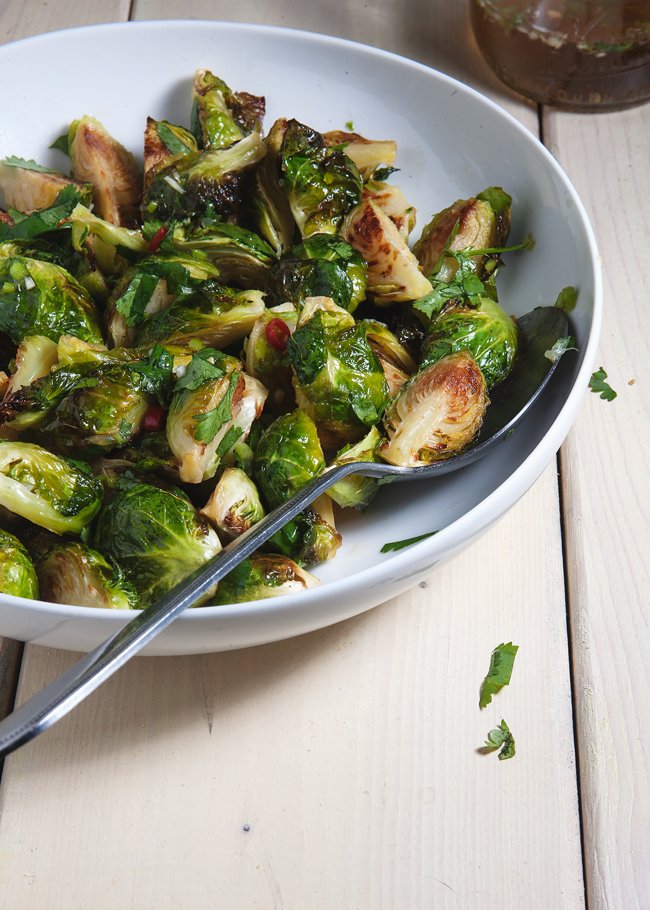
BRUSSELS SPROUTS, MOMOFUKU-STYLE
Adapted from Momofuku via Food52
Serves 4
Ingredients:
2 lbs. Brussels sprouts
2 Tbsp vegetable oil
1/2 cup chopped cilantro leaves
For the vinaigrette:
2 Tbsp thinly-sliced cilantro stems
1/2 cup fish sauce
1/4 cup water
2 tablespoons rice vinegar
Juice of 1 lime
1/4 cup sugar
1 garlic clove, minced
1 to 3 red bird’s-eye chiles, thinly sliced, seeds intact
Directions:
Combine all the ingredients for the vinaigrette and set aside (it can be made up to a week in advance if stored in the fridge).
Preheat oven to 400 degrees F. Trim the sprouts, cutting off the dry part of the stem and peeling away any yellow or loose leaves. Dry very well. Cut the sprouts in halves, large ones in quarters. Toss them with the oil, then lay them, cut sides down, in one layer on a large baking sheet (you may need two). Roast for about 15 minutes, then, if they’re browning, flip them with a spatula. Continue roasting until they’re tender and nicely brown, another 10 minutes or so.
When ready to serve, toss with dressing to taste and cilantro leaves.
Related Posts

Subscribe for New Racipies
Get mental health tips, updates, and resources delivered to your inbox.