
Are Sugar Snap Peas Acidic? Snap Peas and Acid Reflux

Sugar snap peas are a beloved vegetable known for their sweet, crisp taste and nutritional benefits. They’re often enjoyed as a fresh snack, in salads, or as a side dish. However, for individuals dealing with acid reflux, understanding the acidity of foods they consume is crucial for managing symptoms.
Acid reflux occurs when stomach acid flows back into the esophagus, causing discomfort such as heartburn, chest pain, and regurgitation. Certain foods can either trigger or relieve acid reflux symptoms based on their pH level, and sugar snap peas are often a source of confusion in this regard. Are these peas acidic or alkaline, and do they help or hinder acid reflux?
In this article, we will thoroughly explore whether sugar snap peas are acidic or alkaline, how they impact acid reflux, and whether they’re safe for consumption by those affected by this condition. Understanding this will help those with acid reflux make informed dietary choices.
What Are Sugar Snap Peas?
Sugar snap peas, also called snap peas, are a hybrid variety of peas that combine the sweetness of snow peas and the crunchiness of garden peas. Unlike other peas, which are typically harvested for the seeds inside the pods, sugar snap peas are eaten whole, including the pod. The peas inside are tender and sweet, while the pod remains crunchy, offering a satisfying texture. These peas are a cool-season vegetable, typically grown in early spring or late fall, and they are widely popular in many culinary traditions due to their mild flavor and versatility.
Nutritionally, sugar snap peas are a great source of vitamins and minerals, including vitamin C, vitamin K, folate, potassium, and fiber. They are low in calories and contain no fat, making them an ideal option for people looking to maintain a healthy diet. Due to their high fiber content, snap peas also promote digestive health, but this can also raise questions about their suitability for those with sensitive stomachs or conditions like acid reflux.
Are Sugar Snap Peas Acidic?
When discussing food and its impact on acid reflux, one of the first questions that come up is whether a particular food is acidic or alkaline. Foods that are acidic can increase the production of stomach acid, leading to symptoms of acid reflux. On the other hand, alkaline foods tend to neutralize stomach acid, making them beneficial for people suffering from acid reflux.
So, are sugar snap peas acidic? The answer is no; sugar snap peas are not considered acidic. In fact, they are generally classified as mildly alkaline. Their pH level falls between 6 and 7, which is close to neutral. This means they don’t increase acidity in the stomach, making them a safe choice for individuals looking to avoid triggering acid reflux symptoms. Their alkaline nature can help balance the stomach’s pH, reducing the likelihood of acid reflux and making them an excellent addition to an acid reflux-friendly diet.
pH Level of Sugar Snap Peas
To understand why sugar snap peas are not acidic, it’s important to look at their pH level. The pH scale ranges from 0 to 14, with lower values indicating acidic substances and higher values indicating alkaline substances. A pH of 7 is considered neutral, meaning it is neither acidic nor alkaline. Foods with a pH level below 7, such as citrus fruits, tomatoes, and coffee, are considered acidic, while those with a pH level above 7 are considered alkaline.
Sugar snap peas typically have a pH level around 6.5 to 7, which places them within the neutral to slightly alkaline range. This makes them a safer food option for individuals with acid reflux, as they are less likely to trigger or worsen symptoms. It’s important to note that while sugar snap peas are not highly alkaline, they do not possess the high acidity that could contribute to acid reflux flare-ups.
Snap Peas vs. Other Vegetables
When considering the acidity of various vegetables, sugar snap peas stand out as a mild and neutral option. While some vegetables, such as tomatoes and onions, are more acidic and can exacerbate acid reflux symptoms, sugar snap peas are far less likely to cause any discomfort. In fact, many vegetables with high water content, such as cucumbers and zucchini, are also considered alkaline and are well-tolerated by those with acid reflux.
On the other hand, vegetables like spinach and kale, while incredibly healthy, have a slightly more acidic profile, making them less suitable for some individuals with acid reflux. The mild nature of sugar snap peas places them in a favorable category for people looking to manage their acid reflux through their diet.
How Sugar Snap Peas Affect Acid Reflux?
Acid reflux occurs when the valve that separates the stomach from the esophagus malfunctions, allowing stomach acid to escape into the esophagus. This leads to irritation and discomfort. For people with acid reflux, managing the acidity of foods is essential for minimizing symptoms. But how exactly do sugar snap peas affect acid reflux?
Snap Peas and Digestive Health
Sugar snap peas are known for their high fiber content, which can be beneficial for digestive health. Fiber plays an essential role in keeping the digestive system functioning smoothly by promoting regular bowel movements and preventing constipation. For those with acid reflux, a healthy digestive system can help reduce the risk of reflux episodes.
In addition to fiber, sugar snap peas contain other important nutrients, such as vitamins C and K, that contribute to overall digestive health. They also support the immune system and provide antioxidants that may help reduce inflammation in the esophagus, which is often irritated in acid reflux sufferers.
Can Snap Peas Trigger Acid Reflux Symptoms?
While sugar snap peas are generally safe for people with acid reflux, it’s important to remember that everyone’s digestive system reacts differently. In some cases, individuals with particularly sensitive stomachs may find that high-fiber foods like sugar snap peas cause bloating or gas, which could worsen acid reflux symptoms.
However, these symptoms are typically more related to the fiber content of the peas rather than their acidity. For the majority of people with acid reflux, sugar snap peas are a good choice since they are low in acid and contain nutrients that support digestive health. If you experience discomfort after eating snap peas, it may be worth adjusting the portion size or preparing them in a way that’s easier on your stomach, such as steaming them to reduce their fiber’s roughness.
Are Sugar Snap Peas Good for Acid Reflux?
Yes, sugar snap peas are generally considered beneficial for individuals with acid reflux. Their mildly alkaline nature and rich nutritional profile make them a great addition to an acid reflux-friendly diet. The fiber in snap peas promotes healthy digestion, which can help prevent constipation and other digestive issues that could trigger acid reflux symptoms.
Moreover, sugar snap peas have anti-inflammatory properties that can be helpful for individuals suffering from inflammation in the esophagus, which is common in acid reflux. Their antioxidants, particularly vitamin C, help reduce inflammation and protect against damage caused by stomach acid.
Nutritional Benefits of Sugar Snap Peas
Research supports the benefits of Sugar snap peas for health. They are packed with essential vitamins and minerals, including:
- Vitamin C: Boosts the immune system and supports skin health.
- Vitamin K: Important for bone health and blood clotting.
- Folate: Crucial for cell growth and tissue repair.
- Fiber: Supports digestive health and promotes regular bowel movements.
- Potassium: Helps regulate blood pressure and balance fluids in the body.
These nutrients not only help with digestive health but also provide numerous other health benefits, making sugar snap peas an excellent choice for anyone looking to improve their overall well-being.
Anti-inflammatory Properties
Chronic inflammation plays a significant role in the development and exacerbation of acid reflux. Fortunately, sugar snap peas contain antioxidants that help fight inflammation. These antioxidants, such as vitamin C, help protect cells from damage caused by free radicals, reducing the risk of esophageal irritation and other inflammation-related symptoms.
Incorporating anti-inflammatory foods like sugar snap peas into your diet can help manage and prevent the discomfort associated with acid reflux. By reducing inflammation in the esophagus, snap peas may provide relief from some of the more painful symptoms of acid reflux.
Are Sugar Snap Peas Alkaline or Acidic?
As discussed earlier, sugar snap peas are slightly alkaline, with a pH level close to neutral. Their mild alkalinity makes them a good food choice for individuals dealing with acid reflux, as alkaline foods help neutralize excess stomach acid. Alkaline foods are often recommended for people with acid reflux because they can soothe the digestive system and reduce the likelihood of reflux episodes.
Alkaline Foods and Their Role in Acid Reflux
Alkaline foods, such as sugar snap peas, bananas, and cucumbers, help maintain a balance in the body’s pH levels. This can be beneficial for people who suffer from acid reflux, as excess acidity in the stomach can lead to irritation and discomfort. By incorporating alkaline foods into your diet, you can help prevent the overproduction of stomach acid and promote a healthier digestive system.
Are Sugar Snap Peas Inflammatory?
Sugar snap peas are not inflammatory. In fact, they possess anti-inflammatory properties that can help reduce inflammation in the body, including the esophagus. Chronic inflammation is often a major contributor to acid reflux, so consuming foods that help reduce inflammation can provide relief for those who suffer from this condition.
The antioxidants in sugar snap peas, particularly vitamin C and other phytonutrients, play a significant role in combating inflammation. By adding snap peas to your diet, you can help protect against inflammation-related damage to the esophagus and reduce symptoms of acid reflux.
The Impact of Sugar Snap Peas on Inflammation
By including sugar snap peas in your diet, you may experience a reduction in inflammation due to their antioxidant content. This is particularly beneficial for people with acid reflux, as inflammation in the esophagus can exacerbate symptoms such as heartburn and regurgitation. Eating foods with anti-inflammatory properties like sugar snap peas can provide long-term relief and prevent the recurrence of painful acid reflux episodes.
Are Sugar Snap Peas Hard to Digest?
For most people, sugar snap peas are not difficult to digest. However, because they contain a significant amount of fiber, individuals with sensitive stomachs may experience some discomfort, such as bloating or gas, after consuming them. This is especially true if the peas are eaten in large quantities or if the digestive system is not accustomed to high-fiber foods.
If you find sugar snap peas difficult to digest, you can try steaming them or consuming them in smaller portions. Cooking can help break down the fiber, making the peas easier on the digestive system. Alternatively, you can experiment with other vegetables that are easier to digest, such as zucchini or cucumbers, which also have a mild impact on acid reflux.
Conclusion
Sugar snap peas are a safe and healthy option for people with acid reflux, offering a low-acid, alkaline alternative to other vegetables that may exacerbate symptoms. Their fiber content supports digestion, while their anti-inflammatory properties help reduce the irritation caused by acid reflux. However, as with any food, it’s important to pay attention to individual reactions. If sugar snap peas cause discomfort, it may be best to reduce portions or try different cooking methods. Overall, incorporating sugar snap peas into your diet can contribute to better digestive health and relief from acid reflux symptoms.
FAQs
Are snap peas good for acid reflux?
Yes, sugar snap peas are low in acid and can aid in digestion, making them a good option for people with acid reflux.
Are sugar snap peas alkaline or acidic?
Sugar snap peas are alkaline, meaning they can help neutralize stomach acid and may help prevent acid reflux symptoms.
Are sugar snap peas inflammatory?
No, sugar snap peas are not inflammatory. In fact, they contain antioxidants that help reduce inflammation in the body.
Are sugar snap peas hard to digest?
While most people can digest sugar snap peas easily, their fiber content may cause discomfort for those with sensitive stomachs.
Can sugar snap peas trigger acid reflux symptoms?
For most people, sugar snap peas do not trigger acid reflux symptoms. However, the high fiber content may cause some discomfort in sensitive individuals.

Related Posts


Subscribe for New Racipies
Get mental health tips, updates, and resources delivered to your inbox.
Can You Eat Raw Trout? Risks, Benefits, and Safety Precautions Explained

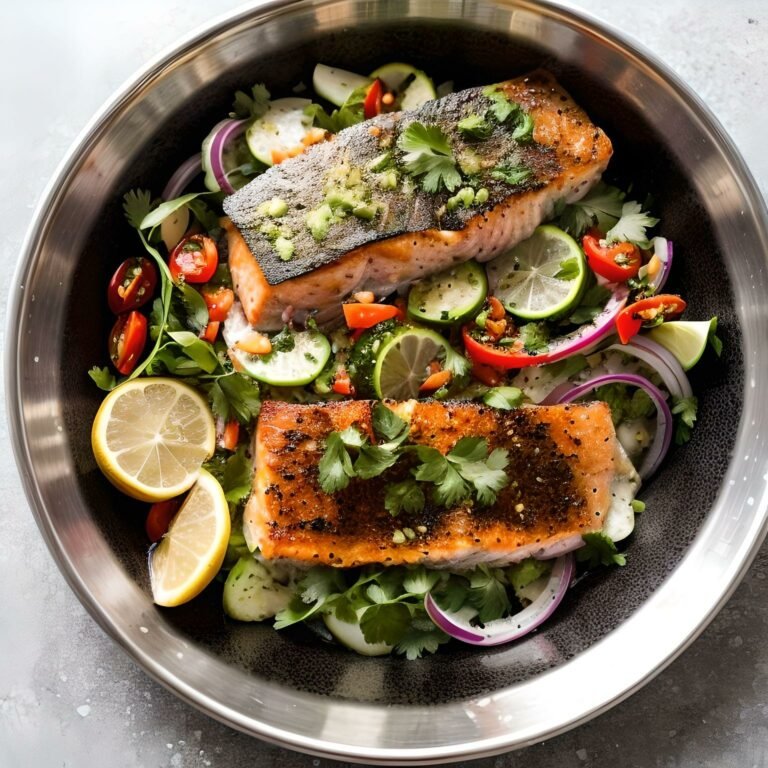
Eating freshwater fishes RAW can be unhealthy Trout is a freshwater fish. You can eat it raw but it is not encouraged. Because there is a higher chance of freshwater fish caring germs and parasites.
People eat raw fish when they’re fishing in a Boat. are you thinking about the question- Can You Eat Raw Trout?
Though freshwater fishes like trout have a higher possibility of carrying parasites, you can eat raw trout. But it’s after freezing. The temperature of freezing should be -35 degrees celsius. It should be frozen for at least 15 hours, if not more. You have to clean the fish properly before eating it.
You should not eat raw freshwater fish as long as you have other options. A lot of factors are considered before eating any raw fish.
Keep on reading the article to know more about the effects and consequences of eating raw Trout.
Can You Eat Raw Trouts?
Freshwater fishes like Trout possess a higher probability of caring germs and parasites. This does not happen in the case of saltwater fish. You can consume raw trouts. But eating raw Trout without freezing enough is not recommended. People often debate trout vs salmon.
A similar question prevails for salmon too, can you eat raw salmon?
You have to freeze it to the minimum limit. Even after that, the fish might contain bacteria on the outer body. Those won’t go without proper cleaning.
So, you can see freezing is a must before eating raw trout. And it’s better to avoid it.
Consequences of Eating Raw Trout
Trout are primarily freshwater fish. Therefore it may carry viruses, germs, parasites, and bacteria. The germs remain intact if you eat raw fish. And that’s why you can get sick from eating it.
Many types of illnesses are due to eating raw fish. Food poisoning is a very common one of them. You can have symptoms like diarrhea and vomiting tendency. It can form tapeworm in your intestine and diseases like anisakiasis and trichinosis.
But when a trout is caught in saltwater, there is less risk of getting sick from eating it.
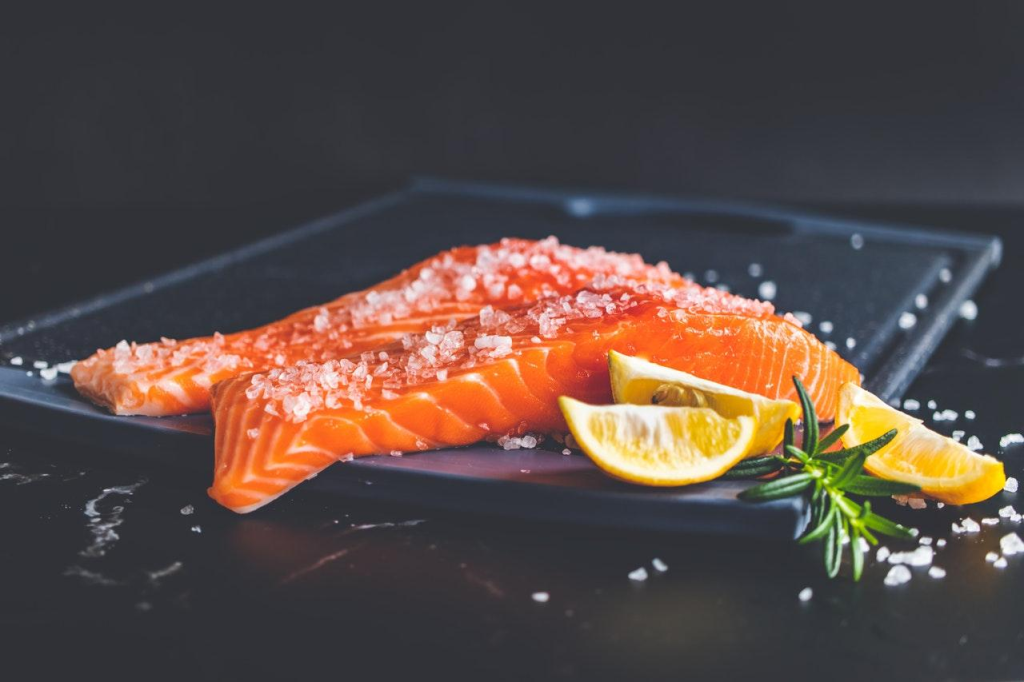
Pros And Cons of Eating Trout
Trout fish is very nutritious. Moreover, the calorie amount is low here. They are rich in protein. Omega 3 is present in abundance in trout fish.
A variety of recipes for Trout fish is available. It is tasty. It is healthy. Along with protein, there is Vitamin B(thiamin, riboflavin, and niacin), vitamin D, Phosphorus, iodine, and iron.
To find a tasty Trout you have to find one living in clean water. Some famous Trout fish species are- Rainbow, Brooke, Brown, and Golden trout. They almost have similar flavors with subtle variations depending on the environment they live.
As we said before, you need to find Trout fish with clean vegetation to taste good. Most Trout species leave on muddy land. This infuses some muddy taste in their meat.
They also have a chemical compound called geosmin in their body which gives a muddy smell and taste. This chemical compound comes from algae and bacteria reacting and forming organic compounds.
To make it taste better, you have to go through a deep cleaning process. Otherwise, your food smells like mud and dirt.
List of Safe And Unsafe Fishes To Eat Raw
Wondering what fish can you eat raw? A list of common fishes that are safe to eat raw is given below:
- Salmon
- Shrimp
- Crab
- Octopus
- Scallops
- Eel
Some fishes have high Mercury level. Mercury can affect your nervous system. So you should eat them at a low limit. A small list of such features is given below:
- Swordfish
- Tuna
- Seabass
- Mackerel
- Blue Marlin
- Yellowtail
Making Raw Fish Safe
We mentioned before that freshwater fish has a higher possibility of getting parasites. But they are safe to eat if frozen at a specific temperature. At very low temperatures the harmful parasites die.
When we are talking about freezing, we do not mean refrigeration. Because parasites won’t die in simple refrigeration. Moreover, the temperature of refrigerators may be similar to the environment they used to live in.
We make a chart of temperature and their corresponding time period of freezing. This chart is maintained to ensure the safety of eating freshwater fish.
| Temperature | Minimum Time |
| Frozen and stored at -20 degree Celsius | 7 days |
| Frozen at -35 degrees celsius & stored at -20 degree Celsius | 1 day |
| Frozen and stored at -35 degrees celsius | 15 hours |
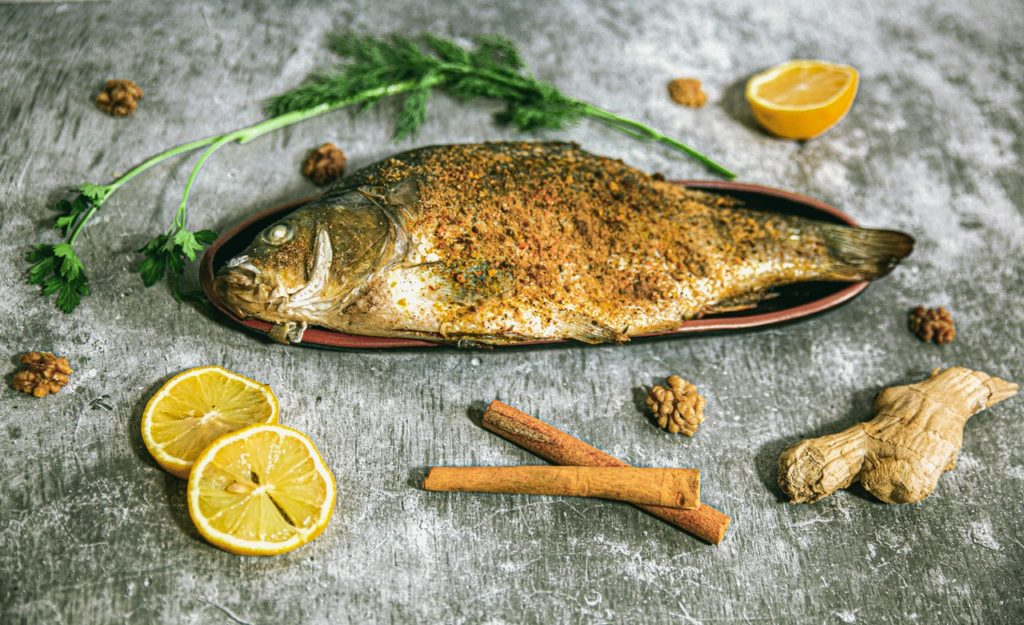
Identifying Fresh Trout
The safety of eating any raw fish highly depends on its freshness. Freshly caught fish poses a lesser threat than stale.
Now, how will you determine if a fish is fresh or not?
It can be determined by looking at the eyes and gills. Fresh fish has clear eyes. Its gills look bright. Its body will be firm and there will be a natural slim layer over the body.
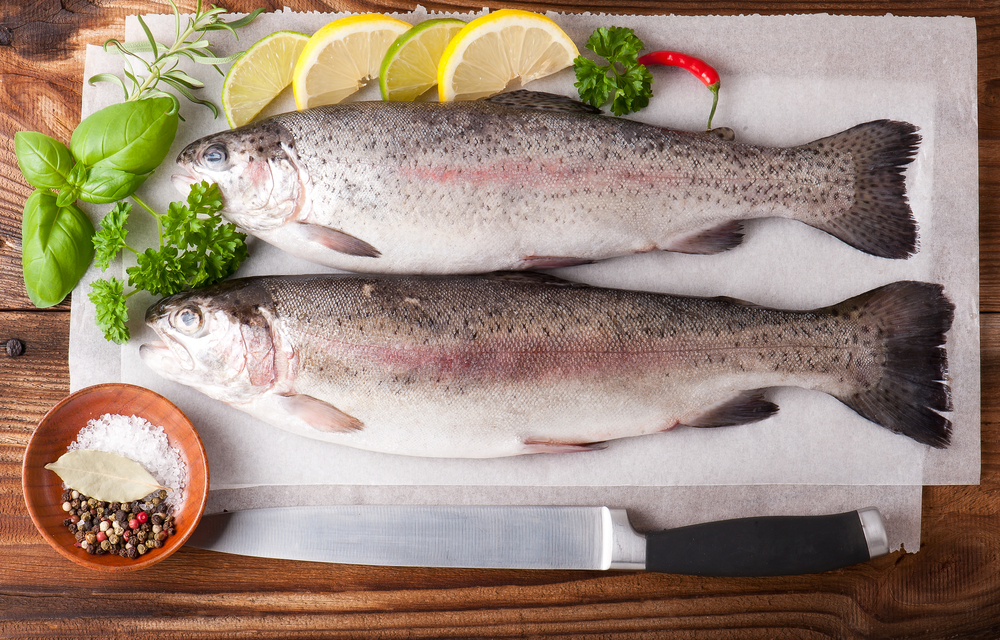
Salt Water Fish And Fresh Water Fish: Considerable Factors
Fish habitation decides whether it is edible or in edible as raw. The environment of the fish living has a great role in this matter. Because the water in which it lives in, carries germs, viruses, and bacteria.
There is a high level of salt in salt water. These high level of salt kills many parasites and bacteria. We all are familiar with the process of preserving fish in saltwater.
On the other hand, fresh water is beneficial for any parasite to grow. You can have infection transmitted through freshwater fish if you eat them raw.
Trout And Shushi
Sushi is gaining rising popularity due to its nutrition provided by raw fish. You can get a higher dose of protein and Omega 3s by eating it raw. But the case of freshwater fish like Trout is a bit different. It’s the most famous among raw trout recipes.
Sushi is made out of Trout after leaving it to marinate for a long time. Sauce, lemon, and other dressing are used to marinate after cutting the fish into small pieces. It is served with rice vinegar, wasabi, green onion, seaweed strips, ginger, shiso leaves, etc.
Everybody loves sushi. And you can make and serve it very easily at home. If you are looking for sushi accessories, check out the table below.
| ISSEVE Sushi Making Kit | Click Here to Buy |
| aya Sushi Roll Making [Kit] | Click Here to Buy |
Hope you found the products helpful. Now let’s move on to the next segment.
Tips From Pro
Some professional tips for cooking Trout fish are given below:
- Maintain a proper temperature. Because we want to fully cook it, but keep it moist and not overcook.
- Before cooking, slash both sides of the fish meat so that the sides are cooked properly.
- Before taking it out of the stove, insert a fork in the thickest part. Check if it’s properly cooked.
- To bring out the best flavor stream the Trout and moisten it
- To enhance the flavor use butter and lemon
By using the tips above, you can improve your trout cooking immensely.
FAQs
Do Rainbow Trout and Salmon have the same nutrition?
It depends on the raising of rainbow Trout by professionals. If it’s raised too well, then it can be more nutritious than salmon. Rainbow Trout is famous for its high nutrition. You can bring out the flavor with your experienced cooking or have raw Rainbow Trout.
What are the symptoms of infection due to raw Trout?
There can be various symptoms including food poisoning, vomiting, diarrhea, abdominal pain, etc. Major food poisoning can happen due to eating raw or undercooked Trout.
Is it safe to eat half-cooked fish?
Cooking thoroughly is always the best option. But if you personally like eating raw or partially cooked fish then you should choose sea fish. Otherwise, you have to freeze your fish before eating them. It is a must.
Conclusion
Avoiding eating raw Trout is better if you have other options. But if you like it raw, then make sure to freeze it at a specific temperature before eating.
If you had the question- can you eat raw trout? I hope you found your answer to why and why not.
Take care of your health. Stay safe. Bye-bye.
Related Posts




Subscribe for New Racipies
Get mental health tips, updates, and resources delivered to your inbox.