Is Almond Yogurt Acidic? Almond Yogurt and Acid Reflux
Medically reviewed by Aneeza Pervez Updated Date: January 2, 2026
Introduction: The Rise of Plant-Based Yogurts
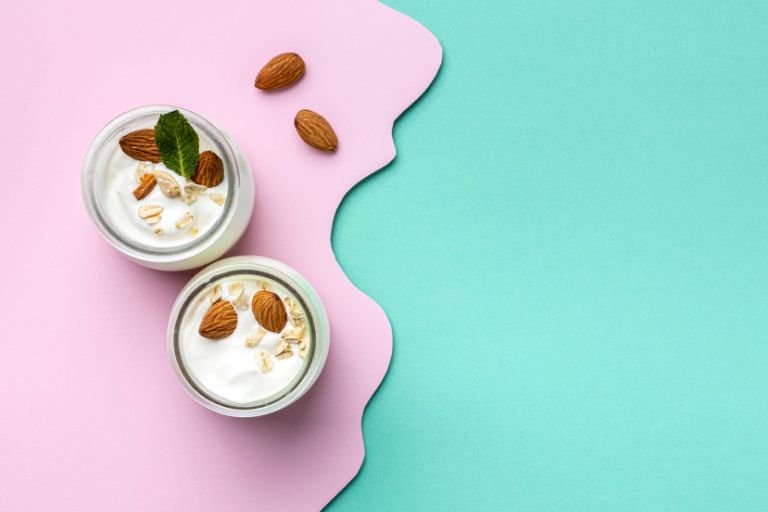
As plant-based diets continue to grow in popularity, almond yogurt has emerged as a nutritious and delicious alternative to traditional dairy yogurt. Made from almond milk, this yogurt caters to individuals who are lactose-intolerant, vegan, or simply seeking healthier options. However, for those dealing with acid reflux, the big question remains: Is almond yogurt acidic, and can it trigger or soothe acid reflux symptoms?
This article dives deep into the pH level of almond yogurt, its nutritional value, potential impact on acid reflux, and tips for consuming it safely. By the end, you’ll know whether almond yogurt deserves a spot in your reflux-friendly diet.
Understanding Acid Reflux and Its Triggers
What Is Acid Reflux?
Acid reflux, also known as gastroesophageal reflux disease (GERD), is a condition where stomach acid flows back into the esophagus. This occurs due to a weakened or relaxed lower esophageal sphincter (LES), the muscle that keeps stomach contents in place.
Common Symptoms of Acid Reflux Include:
- Heartburn: A burning sensation in the chest or throat.
- Regurgitation: The sour or bitter taste of stomach acid in the mouth.
- Bloating, nausea, or persistent coughing.
- Difficulty swallowing or a feeling of a lump in the throat.
Acid reflux can be managed by dietary changes, making it crucial to understand which foods soothe or aggravate symptoms.
What Triggers Acid Reflux?
Certain foods and beverages can weaken the LES or increase stomach acid production, triggering reflux. Common culprits include:
- Acidic foods such as citrus fruits and tomatoes.
- High-fat and fried foods.
- Carbonated drinks and caffeine.
- Spicy ingredients and chocolate.
- Dairy products in individuals who are lactose-intolerant.
But where does almond yogurt fall on this list? To answer this, we need to examine its pH level and nutritional profile.
Author Tip: 7 Kinds of Foods to Avoid with GERD
Is Almond Yogurt Acidic or Alkaline?
The pH of Almond Yogurt
Almond yogurt is slightly acidic, with a pH level ranging between 4.5 and 5.0. While this places it in the acidic category, it is significantly less acidic than dairy-based yogurts, which can have a pH as low as 4.0. The exact acidity depends on the brand, added ingredients, and fermentation process.
Why Almond Yogurt May Be Less Acidic Than Dairy Yogurt?
Almond yogurt is made from almond milk, which is naturally low in acid and slightly alkaline. While fermentation is necessary to turn almond milk into yogurt (which introduces some acidity), almond yogurt tends to be gentler on the digestive system compared to dairy yogurts.
Nutritional Profile of Almond Yogurt
Key Nutrients in Almond Yogurt
Almond yogurt is packed with essential nutrients that make it a healthy choice for many:
- Low Fat Content: Almond yogurt typically contains less fat compared to dairy yogurt, especially saturated fat, which can be a trigger for acid reflux.
- Calcium and Vitamin D: Many almond yogurts are fortified with these nutrients, essential for bone health.
- Low Lactose: Being plant-based, almond yogurt is naturally lactose-free, making it ideal for those with lactose intolerance or dairy sensitivities.
- Protein: Although lower in protein than dairy yogurt, almond yogurt provides moderate amounts, especially in fortified versions.
- Probiotics: Fermented almond yogurt often contains probiotics, which promote gut health and aid digestion.
Health Benefits of Almond Yogurt
Following is the list of almond yogurt health benefits:
- Digestive Support: Probiotics in almond yogurt can improve gut health and reduce bloating.
- Anti-Inflammatory Properties: Almonds are rich in healthy fats and antioxidants, which may help reduce inflammation in the digestive tract.
- Low Acidity: Compared to dairy products, almond yogurt is less acidic and gentler on the stomach.
- Weight Management: Almond yogurt is lower in calories and fat, making it a suitable choice for maintaining a healthy weight – an important factor in managing acid reflux.
Almond Yogurt and Its Impact on Acid Reflux
Benefits of Almond Yogurt for Acid Reflux
- Lower Acidity: Almond yogurt’s relatively low acidity compared to dairy yogurt makes it less likely to irritate the esophagus.
- Lactose-Free: For individuals who experience reflux symptoms triggered by dairy, almond yogurt offers a safe and nutritious alternative.
- Rich in Probiotics: Probiotics can support digestion, balance stomach bacteria, and improve gut health, which may help alleviate reflux symptoms.
- Light and Easily Digestible: Almond yogurt is less heavy than full-fat dairy yogurt, reducing the likelihood of triggering reflux.
When Almond Yogurt Might Aggravate Symptoms?
While almond yogurt is generally considered reflux-friendly, certain factors could aggravate symptoms:
- Added Sugars: Sweetened almond yogurts can increase stomach acid production. Choose unsweetened versions for better results.
- Flavorings: Ingredients like chocolate or citrus flavoring may trigger reflux.
- Overeating: Consuming large portions of almond yogurt can increase stomach pressure and lead to reflux.
Author Tip: Almond Oil and Acid Reflux
Tips for Including Almond Yogurt in a Reflux-Friendly Diet
Choose Unsweetened and Plain Almond Yogurt
Opt for plain almond yogurt without added sugars, artificial sweeteners, or acidic flavorings. This ensures that the yogurt remains gentle on your stomach.
Pair Almond Yogurt with Alkaline Foods
Combine almond yogurt with reflux-friendly, alkaline ingredients like:
- Bananas
- Melons
- Rolled oats
- Leafy greens
This combination helps neutralize stomach acid and reduces the risk of triggering symptoms.
Use Almond Yogurt in Creative Ways
- Smoothies: Blend almond yogurt with alkaline fruits like pears, bananas, or spinach for a nutritious, reflux-friendly smoothie.
- Salad Dressings: Use almond yogurt as a base for creamy, non-acidic salad dressings.
- Toppings: Add almond yogurt to oatmeal or whole-grain pancakes for a healthy, satisfying breakfast.
Alternatives to Almond Yogurt for Acid Reflux
If almond yogurt doesn’t suit your taste or dietary needs, consider these alternatives:
Coconut Yogurt
Made from coconut milk, this yogurt is also lactose-free and slightly alkaline, making it a good option for reflux sufferers.
Oat Yogurt
Oat-based yogurt is high in fiber and gentle on the stomach, offering another dairy-free choice.
Soy Yogurt
Soy yogurt provides more protein than almond yogurt and is usually well-tolerated by those with acid reflux.
Lifestyle Changes to Manage Acid Reflux
Practice Mindful Eating
- Eat smaller, more frequent meals to avoid overloading your stomach.
- Chew food thoroughly and eat slowly to aid digestion.
Avoid Common Triggers
Identify and eliminate trigger foods like spicy dishes, caffeine, and fried items from your diet.
Maintain a Healthy Weight
Excess weight can increase abdominal pressure, leading to acid reflux. Incorporate regular physical activity and a balanced diet to manage your weight effectively.
Conclusion: Is Almond Yogurt Acidic and Safe for Acid Reflux?
Almond yogurt is slightly acidic but less so than dairy-based yogurts, making it a generally safe choice for individuals with acid reflux. Its lactose-free nature, probiotics, and nutrient content add to its appeal as a reflux-friendly food.
To incorporate almond yogurt safely into your diet, choose unsweetened versions, pair it with alkaline ingredients, and consume it in moderation. As always, monitor your symptoms and consult with a healthcare provider if necessary.
FAQs: Almond Yogurt and Acid Reflux
Q1: Is almond yogurt acidic or alkaline?
Almond yogurt is slightly acidic but less so than dairy yogurt, making it a gentler option for acid reflux sufferers.
Q2: Can almond yogurt trigger acid reflux?
Almond yogurt is unlikely to trigger reflux if consumed in moderation and without added sugars or acidic flavorings.
Q3: Is almond yogurt better than dairy yogurt for acid reflux?
Yes, almond yogurt is often better tolerated due to its lower acidity and lack of lactose.
Q4: How can I incorporate almond yogurt into my diet?
Use almond yogurt in smoothies, as a topping for oatmeal, or as a base for creamy salad dressings.
Q5: What are some alternatives to almond yogurt?
Coconut yogurt, oat yogurt, and soy yogurt are excellent dairy-free alternatives for reflux sufferers.
Subscribe for New Racipies
Get mental health tips, updates, and resources delivered to your inbox.
How Much Caffeine in Tim Hortons Coffee? Full Caffeine Chart for Every Size & Drink (2026 Guide)

A small (10 oz) Tim Hortons brewed coffee has about 140mg of caffeine; a medium (14 oz) contains ~205mg, and a large (20 oz) reaches ~270mg. Espresso shots add ~64mg each. Caffeine varies by roast and preparation. If you’re sensitive or managing health conditions, check portions and consult your provider.
As a food blogger with a strong focus on nutrition and smarter beverage choices, one question I hear constantly is how much caffeine in a medium Tim Hortons coffee actually contains. Many people grab their daily drive-thru coffee without realizing how much caffeine they’re consuming—and that can add up quickly.
I’ve heard from readers who experience morning jitters, afternoon crashes, anxiety, or trouble sleeping, only to discover their regular coffee habit was playing a bigger role than they thought. A medium coffee may seem harmless, but caffeine levels can vary based on roast type, drink size, and custom add-ons.
That’s why understanding what’s in your cup matters, especially if you also drink energy drinks, soda, or pre-workout beverages throughout the day. For a personalized approach to tracking your intake, try using a caffeine calculator by weight and age to determine your optimal daily limit.
In this guide, I’ll break down exactly how much caffeine is in a medium Tim Hortons coffee, compare popular menu options, and help you make smarter decisions for your energy and overall wellness.
TL;DR: Quick Overview
- A standard medium brewed cup delivers roughly 205 to 210 mg of this active stimulant.
- A small serving contains approximately 140 mg.
- Large servings scale up significantly, packing between 270 and 290 mg per cup.
- Single espresso shots contain a much lower amount, typically around 60 to 75 mg.
- Sweetened French Vanilla drinks provide substantially less stimulation than standard brewed roasts.
- Always monitor your daily intake closely to prevent unwanted sleep disturbances and anxiety.
Pro Tip: Curious how Tim Hortons compares to other chains? Check out our breakdowns of McDonald’s coffee caffeine content and Starbucks caffeine content for side-by-side comparisons.
Understanding the Primary Stimulant Levels
When analyzing beverage menus, brewed coffee consistently ranks as the primary stimulant source. The tim hortons coffee caffeine amount varies substantially based on how the beans are processed.
Many people mistakenly believe that all dark liquids contain identical stimulant profiles. However, the brewing method dictates how much active chemical extracts into the water. According to the FDA’s guidance on caffeine, understanding these variations is key to safe consumption.
Furthermore, factors like water temperature and roast profile influence the final cup. Therefore, relying on standard estimates helps you manage your daily health safely. If you’re concerned about coffee’s impact on digestion, you might also want to explore whether coffee is acidic and how that affects sensitive stomachs.
If you consume multiple cups daily, you must track these tim hortons coffee caffeine levels carefully. Doing so prevents accidental overconsumption later in the afternoon.
Complete Tim Hortons Caffeine Chart Breakdown
To simplify your daily health tracking, I highly recommend using a visual reference tool. A reliable tim hortons caffeine chart helps you quickly assess your morning order.
This specific reference guide compares the most popular items across standard serving sizes. Therefore, you can easily adjust your beverage choice based on your current physical needs.
| Drink Type | Small | Medium | Large |
|---|---|---|---|
| Standard Brewed | ~140 mg | ~205 mg | ~270–290 mg |
| Classic Iced | ~130 mg | ~190 mg | ~280 mg |
| French Vanilla | ~60–80 mg | ~80–100 mg | ~120–140 mg |
| Single Espresso | — | ~60–75 mg | — |
Using this tim hortons caffeine content chart allows you to make rapid, informed decisions. Simply match your usual order to the estimated milligram count provided above.
Want more comparisons? See how these numbers stack up against Red Bull caffeine or Mountain Dew’s caffeine content when planning your daily stimulant intake.
Exploring How Much Caffeine in a Medium Tim Hortons Coffee

Patients frequently ask me about the most popular serving size ordered at the drive-thru. They specifically want to know exactly how much caffeine in a medium tim hortons coffee exists.
Recently, I interviewed a patient suffering from severe mid-morning anxiety attacks. We traced her symptoms directly back to her daily medium double-double habit. Research from the Anxiety and Depression Association of America confirms that caffeine can mimic anxiety symptoms in sensitive individuals.
A standard medium cup typically contains an impressive 205 to 210 milligrams of the active stimulant. This number is actually quite substantial from a clinical perspective. It easily equals the potency of two standard cups of home-brewed instant coffee. When you consume this amount rapidly, your blood concentration spikes very quickly.
Consequently, your central nervous system receives a massive jolt of artificial alertness. This powerful surge blocks your natural adenosine receptors almost immediately. For many healthy adults, this 210 mg dose provides the perfect amount of functional focus.
However, if you are a slow metabolizer—as studied by the National Institutes of Health on caffeine metabolism—this single medium cup might overwhelm your system.
Furthermore, drinking two medium cups rapidly pushes you past the generally accepted daily safety threshold. Therefore, I always advise treating a medium serving as a highly potent clinical dose.
You must respect this beverage and monitor how your body responds to it physically. If your heart races after a medium cup, you must downsize your order tomorrow.
Examining Small and Large Brewed Portions
If a medium feels too intense, you must adjust your daily portion size immediately. Understanding the Tim Hortons small coffee caffeine content is crucial for sensitive individuals.
A small cup delivers a much more manageable 140 milligrams to your system. This lower amount provides a gentle lift without overwhelming your adrenal glands.
Conversely, we must seriously evaluate the Large coffee Tim Hortons caffeine concentration. Upgrading to a large dramatically increases your total daily chemical intake.
A large cup contains a staggering 270 to 290 milligrams of the active compound. Drinking just one large cup fulfills over half of your recommended daily allowance. Therefore, you should reserve large cups for situations requiring extreme, sustained mental focus.
Looking for lower-caffeine alternatives? Explore our guide to yerba mate, a naturally energizing beverage with a smoother caffeine release profile.
Evaluating Large Iced Coffee Content
During the hot summer months, consumers rapidly switch to chilled beverage options. They frequently ask me about the specific Large iced coffee Tim Hortons caffeine levels.
Interestingly, iced versions typically contain slightly less stimulation than their steaming hot counterparts. This reduction happens because the added ice actively dilutes the concentrated liquid base.
However, a large iced option still packs a powerful 240 to 280 milligram punch. The exact number fluctuates depending on exactly how much ice the barista adds.
Even with the dilution, this remains a very potent central nervous system stimulant. You must consume it slowly to avoid shocking your digestive system. For those managing acid reflux, understanding whether coffee is acidic can help you make smarter choices about temperature and timing.
The French Vanilla Content Profile
Many individuals prefer sweeter, flavored beverages over the harsh bitterness of a traditional dark roast. Consequently, the Tim Hortons French vanilla caffeine numbers are highly requested in my blogs.
This popular creamy drink actually contains a significantly lower stimulant concentration. The recipe relies heavily on flavored syrups and dairy powders rather than pure brewed extracts. So, exactly How much caffeine in Tim Hortons French Vanilla can you expect? A small serving contains a very mild 60 to 80 milligrams.
If you upgrade, How much caffeine is in a Medium French vanilla from Tim Hortons? A medium delivers roughly 80 to 100 milligrams, while a large reaches 120 to 140 milligrams. This makes the French Vanilla an excellent choice for individuals managing generalized anxiety disorders.
Craving something sweet but mindful of caffeine? Try our pumpkin spice marshmallow puffs for a treat that satisfies without the jitters.
Espresso Availability and Shot Potency
Beyond traditional drip brewing, many consumers prefer the intense flavor profile of pulled shots. People frequently ask me, does Tim Hortons have espresso available on their menu?
Yes, they absolutely offer these concentrated shots for their specialty beverages. However, patients often misunderstand How much caffeine in Tim Hortons espresso shot actually exists.
A single shot typically contains only 60 to 75 milligrams of the active chemical. While the flavor tastes incredibly bold, the actual stimulant volume remains relatively low. Data from the Mayo Clinic’s caffeine database confirms that espresso’s concentration doesn’t always equal higher total caffeine.
Therefore, adding a single shot to your morning routine is usually quite safe. It provides a sharp flavor enhancement without pushing you into dangerous biological territory.
Analyzing the Iced Latte Variations
Specialty cold drinks combining concentrated shots and cold milk are incredibly popular right now. Understanding the specific Tim Hortons iced latte caffeine numbers requires basic addition.
The total stimulant volume depends entirely on how many shots the barista pours. A standard small or medium iced latte usually contains one or two shots.
Therefore, you can expect a very moderate 80 to 150 milligram range per drink. The added milk also slows down the gastric absorption rate significantly. Consequently, lattes provide a much smoother, longer-lasting energy curve than plain black drip coffee.
Steeped Tea Alternatives
Sometimes your stomach simply cannot tolerate the high acidity of dark roasted beans. For these patients, I often recommend exploring the Steeped tea caffeine Tim Hortons menu options.
Traditional black tea contains significantly lower stimulant levels than any drip roast. A standard steeped tea typically ranges from 20 to 50 milligrams per serving. For perspective, you can compare this to whether Brisk tea has caffeine in our beverage guides.
This number fluctuates depending on exactly how long the tea bag remains submerged. A longer steep time actively pulls more of the chemical into the hot water. Regardless, tea provides a very gentle, soothing lift that rarely triggers heart palpitations.
Comparing Strength Across Beverage Types
To optimize your daily wellness, you must compare beverage categories logically and scientifically. Understanding the hierarchy of beverage strength helps you make rapid, healthy decisions.
Standard brewed drip roasts easily rank as the absolute strongest option available. They consistently deliver the highest milligram count per fluid ounce consumed.
Next in strength are the specialty espresso drinks, like lattes and standard cappuccinos. Following those, steeped black teas offer a very moderate, manageable energy boost.
Finally, the highly sweetened French Vanilla options provide the lowest stimulant impact overall. By knowing this basic ranking, you can easily select a drink that matches your physiological needs.
Energy drink curious? Before reaching for that can, review our analysis of Celsius caffeine content or Ghost caffeine content to understand total daily intake.
Why Beverage Stimulant Levels Fluctuate

You might wonder why these milligram numbers are always presented as approximate ranges. In reality, beverage extraction is an imperfect chemical process that varies daily.
First of all, the exact brew time alters the chemical composition of the final liquid. If the water contacts the beans longer, the stimulant concentration actively increases.
Furthermore, natural variations in agricultural bean crops cause minor internal chemical differences. Also, the exact amount of ice added to cold cups changes total liquid volume.
The Food and Drug Administration notes that agricultural products naturally vary in chemical density. Therefore, you must always treat these published numbers as reliable clinical estimates, not absolute guarantees.
For deeper insights, the Harvard T.H. Chan School of Public Health offers excellent research on beverage variability.
Clinical Safety: Are These Levels High?
As a medical professional, I must address the overall safety of these specific menu items. Many people ask if these standard daily levels are considered dangerously high.
Generally speaking, these beverages fall into a moderate to high clinical range. The Food and Drug Administration states that 400 milligrams daily is safe for healthy adults—a guideline you can explore further in their official caffeine consumer update.
Therefore, drinking one medium cup perfectly aligns with established medical safety protocols. It leaves you plenty of room to consume other foods without exceeding the limit.
However, consuming two large cups actively pushes you into a potentially toxic biological zone. Moderation and careful daily tracking are absolutely vital for your long-term cardiovascular health.
Identifying High-Risk Groups
While healthy adults easily metabolize these beverages, specific populations must exercise extreme caution. The Centers for Disease Control and Prevention issues clear warnings for vulnerable demographic groups.
Pregnant individuals must drastically limit their intake to protect fetal cardiovascular development. High stimulant doses easily cross the placental barrier and elevate fetal heart rates. The American College of Obstetricians and Gynecologists recommends limiting caffeine to 200mg daily during pregnancy.
Furthermore, individuals diagnosed with clinical anxiety disorders should avoid large servings entirely. These powerful stimulants directly mimic the terrifying physical sensations of a panic attack.
Finally, anyone suffering from severe insomnia or cardiac arrhythmias must restrict their consumption. Drinking a large beverage can easily trigger dangerous heart palpitations and ruin your sleep architecture. Research from the Sleep Foundation confirms caffeine’s significant impact on sleep quality.
Recognizing Excessive Consumption Symptoms
Even perfectly healthy individuals occasionally push past their unique metabolic boundaries. You must learn to recognize the early physical warning signs of chemical overconsumption.
The most prominent early symptom is usually a rapid, uncomfortable increase in resting heart rate. You might feel your heart aggressively pounding against your rib cage.
Additionally, you may experience severe hand tremors, excessive sweating, and profound digestive cramping. If you consume these beverages late in the afternoon, severe insomnia becomes highly likely.
If you notice these specific red flags, you must stop drinking the liquid immediately. Drink plenty of plain, filtered water to help your kidneys flush the chemical out faster.
Managing digestive sensitivity? If coffee triggers discomfort, explore our guide on foods to avoid with GERD for symptom-relief strategies.
Frequently Asked Questions
How much caffeine is in a medium Tim Hortons coffee?
A medium Tim Hortons brewed coffee contains roughly 205–210 mg caffeine. That’s a potent boost—stronger than many home-brewed cups. Perfect for morning fuel, but track your total daily intake. If you’re sensitive, start with a small. Small awareness prevents jitters or sleep trouble. Your body deserves mindful fueling, not guesswork.
What is the strongest drink at Tim Hortons?
The large brewed drip roast tops the menu at roughly 270–290 mg caffeine. That’s serious fuel—nearly three-quarters of the FDA’s daily limit. If you need maximum stimulation, this delivers. But proceed with caution: high caffeine raises risks for anxiety or palpitations. Balance energy with calm. Your long-term health matters more than short-term power.
Does Tim Hortons coffee have more caffeine than espresso?
Yes—a medium drip coffee (205 mg) packs nearly triple the caffeine of a single espresso shot (60–75 mg). Espresso is concentrated, but total volume matters. If you want steady energy, drip wins. If you prefer quick, small sips, espresso fits. Choose based on your tolerance, timing, and total daily intake goals, according to PubMed.
How much caffeine is in Tim Hortons French Vanilla?
French Vanilla ranges from 60–140 mg caffeine, depending on size. A medium typically holds 80–100 mg. That’s milder than dark roast—but not caffeine-free. Flavor doesn’t change stimulant content. If you’re watching intake, check the label. Small choices create big comfort. Track your total daily caffeine across all beverages wisely.
Is it safe to drink a large size every day?
One large Tim Hortons coffee (~280 mg) fits within the FDA’s 400 mg daily limit for most healthy adults. But that leaves little room for other caffeine sources. If you notice anxiety, poor sleep, or palpitations, scale back. Hydrate well. Listen to your body. Moderation—not elimination—supports sustainable, calm energy throughout your day.
Conclusion
Understanding your daily nutritional intake is the absolute cornerstone of preventive health and wellness. As we have thoroughly explored, knowing how much caffeine in a medium Tim Hortons coffee exists is crucial.
That standard medium cup delivers roughly 210 milligrams, which is a highly significant clinical dose. While this provides excellent mental clarity for the morning, it rapidly consumes your daily safety allowance.
As a medical doctor, I constantly remind my patients to treat these beverages with clinical respect. They are not merely flavored water; they are potent central nervous system stimulants.
If you struggle with anxiety, poor sleep, or digestive issues, you must evaluate your cup size. Downgrading from a large to a small, or switching to a mild French vanilla, can drastically improve your daily symptoms.
Always listen closely to your body’s unique metabolic signals and adjust your morning habits accordingly. By making smart, informed choices at the drive-thru, you can enjoy your morning ritual while completely protecting your long-term health.
Explore our comprehensive caffeine calculator tool or compare Tim Hortons to other favorites like Dr. Pepper caffeine content and Pepsi caffeine levels for complete beverage awareness.
Evidence-Based References
- FDA: Spilling the Beans on Caffeine. https://www.fda.gov/consumers/consumer-updates/spilling-beans-how-much-caffeine-too-much
- Mayo Clinic: Caffeine Content for Coffee, Tea, Soda and More. https://www.mayoclinic.org/healthy-lifestyle/nutrition-and-healthy-eating/in-depth/caffeine/art-20049372
- Harvard T.H. Chan School of Public Health: Caffeine. https://nutritionsource.hsph.harvard.edu/caffeine/
- CDC: Caffeine and Health. https://www.cdc.gov/healthy-weight-growth/rethink-your-drink/
- NIH: Caffeine Metabolism and Individual Variation. https://pmc.ncbi.nlm.nih.gov/articles/PMC11515775/
- Sleep Foundation: Caffeine and Sleep. https://www.sleepfoundation.org/nutrition/caffeine-and-sleep
- Anxiety and Depression Association of America: Caffeine and Anxiety
- American College of Obstetricians and Gynecologists: Nutrition During Pregnancy. https://www.acog.org/womens-health/quizzes/nutrition-during-pregnancy
- PubMed: Caffeine, coffee, and appetite control. https://pubmed.ncbi.nlm.nih.gov/28446037/
- World Health Organization: Caffeine Safety Guidelines. https://www.who.int/tools/elena/interventions/caffeine-pregnancy
Subscribe for New Racipies
Get mental health tips, updates, and resources delivered to your inbox.