
Is Apple Butter Acidic? Everything You Need to Know

Medically reviewed by Aneeza Pervez Updated Date: January 7, 2026
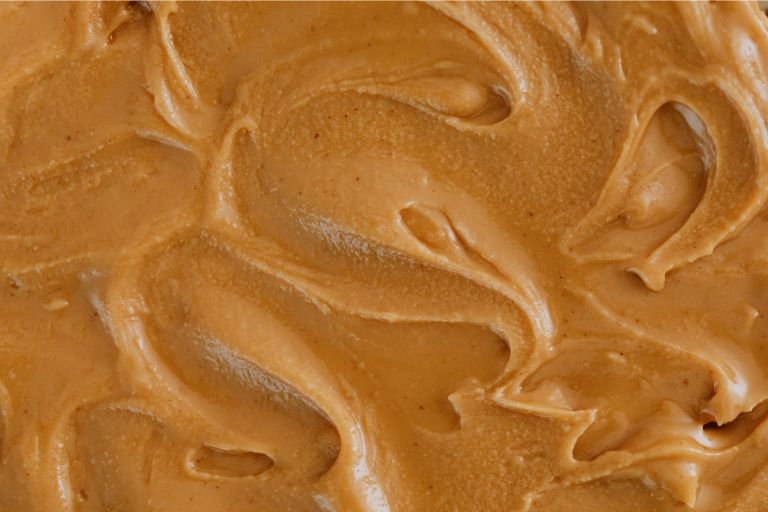
Apple butter is a delightful spread loved by many for its sweet and spiced flavor. Made by slowly cooking apples with sugar and spices until thick and caramelized, it is often a go-to topping for bread, pancakes, and even oatmeal. But, if you’re someone who deals with acid reflux or heartburn, you might wonder whether apple butter is acidic and whether it’s safe to consume.
The acidity of apple butter and its potential effects on acid reflux depends on various factors like the type of apples used, added ingredients, and individual dietary sensitivities. In this comprehensive guide, we’ll explore whether apple butter is high in acid, its role in acid reflux, and alternative options for those dealing with GERD (gastroesophageal reflux disease). Additionally, we’ll discuss how different types of apples, butter, and other foods can impact your digestive health. Let’s dive in.
What is Apple Butter?
Apple butter is a slow-cooked spread made by reducing apples with sugar, spices, and sometimes a dash of lemon juice or cider vinegar. The long cooking process caramelizes the sugars in the apples, giving the spread its rich, dark color and intensified flavor.
The pH level of apple butter typically falls around 3.5 to 4.0, making it moderately acidic. This is due to the natural acidity of apples, especially when certain tart varieties are used. The addition of sugar and spices like cinnamon or cloves does not significantly alter its acidity but may make the spread more tolerable to some.
Unlike butter made from dairy, apple butter contains no fat. However, it’s essential to understand how the acidity of this spread may interact with sensitive digestive systems, especially for individuals prone to acid reflux.
Author Tip: Are Red Apples Acidic?
Is Apple Butter Acidic?
Yes, apple butter is acidic, primarily due to the natural acids found in apples such as malic acid and citric acid. The cooking process intensifies these flavors, concentrating both the sweetness and acidity. However, the degree of acidity can vary depending on the apple variety used.
For example, Granny Smith apples are more acidic than Fuji or Gala apples. If the apple butter contains additional acidic ingredients like lemon juice, its overall acidity may increase. Compared to fresh apples or applesauce, apple butter’s acidity is similar but its thicker consistency may make it harder to digest for some individuals.
Is Apple Butter High in Acid?
Apple butter is relatively high in acid compared to raw apples or applesauce. The cooking process not only reduces the water content but also concentrates the natural acids found in the fruit.
Factors influencing the acidity of apple butter include:
- Apple Variety: Tart apples like Granny Smith contain more malic acid than sweeter varieties like Fuji or Gala.
- Added Ingredients: Lemon juice or cider vinegar, often used for preservation or flavor enhancement, can increase acidity.
- Sugar Content: While sugar doesn’t add acidity, it can mask the sour taste, making the spread seem less acidic.
For a milder option, homemade apple butter made with low-acid apples and minimal additives may be preferable.
Apple Butter and Acid Reflux: Safe or Risky?
For individuals with acid reflux or GERD, consuming apple butter can be tricky. Its acidic nature might irritate the esophageal lining, especially if eaten in large amounts or on an empty stomach. The spices commonly used in apple butter, such as cinnamon and cloves, can also act as triggers for acid reflux in some people.
To minimize risks, consider these tips:
- Limit Portion Size: Consume small amounts to avoid overloading your stomach.
- Pair with Low-Acid Foods: Spread apple butter on non-acidic bases like whole-grain bread or oatmeal.
- Opt for Homemade Versions: Control the acidity by choosing low-acid apples and avoiding acidic additives.
What Makes Apple Butter Acidic?
As per the research, several factors contribute to the acidity of apple butter:
- Malic Acid: Naturally present in apples, this compound gives apple butter its tangy flavor.
- Prolonged Cooking: Slow cooking intensifies the acidic profile by concentrating the natural components.
- Added Ingredients: Lemon juice or cider vinegar is often added for flavor or preservation, further increasing acidity.
The choice of spices can also impact the perceived acidity, with warming spices like cloves and nutmeg potentially aggravating reflux symptoms.
Can People with GERD Eat Apple Butter?
People with GERD or acid reflux should approach apple butter cautiously. While it’s not strictly off-limits, the following considerations can help:
- Choose Low-Acid Recipes: Use sweet apple varieties like Gala or Fuji and skip acidic additives.
- Avoid Eating on an Empty Stomach: Consuming apple butter with a balanced meal can reduce its impact.
- Watch for Triggers: Monitor how your body reacts and adjust your intake accordingly.
How to Reduce the Acidity of Apple Butter
If you love apple butter but struggle with its acidity, here are some ways to make it gentler on your stomach:
- Use Low-Acid Apples: Choose varieties like Fuji, Gala, or Golden Delicious.
- Skip Acidic Additives: Avoid adding lemon juice or vinegar to the recipe.
- Balance with Sweetness: Add a touch of honey or maple syrup to offset the tartness.
Cooking apple butter at a lower temperature for a longer time can also reduce its sharpness.
Which Butter is Best for Acid Reflux?
Butter, whether salted or unsalted, is typically low in acidity but high in fat, which can slow digestion and exacerbate acid reflux symptoms. Unsalted butter is generally a better choice as it lacks the additional sodium, which can irritate sensitive stomachs.
For those with chronic acid reflux, plant-based alternatives like almond butter or sunflower seed butter may be easier to digest. These spreads are not only low in acidity but also packed with healthy fats and nutrients.
Alternatives to Apple Butter for Acid Reflux Sufferers
If apple butter proves too acidic, consider these alternatives:
- Pumpkin Butter: Lower in acid and rich in fiber.
- Nut Butters: Almond or cashew butter are creamy, nutritious options.
- Banana Spread: Made from mashed bananas, this is naturally low in acid.
Recipes: Pumpkin Soynut Butter Chocolate Chip Cookies
Chocolate Peanut Butter Chip Cookies
How to Enjoy Apple Butter Without Triggering Acid Reflux?
You don’t have to give up apple butter entirely if you have acid reflux. By making a few adjustments, you can still enjoy this delicious spread:
- Choose Low-Acid Apples: Use varieties like Gala or Fuji when making homemade apple butter.
- Limit Sugar and Spices: Excess sugar and spices like cloves or nutmeg can irritate the stomach.
- Pair Wisely: Spread apple butter on low-acid bases like whole-grain bread or rice cakes.
- Watch Your Portions: Stick to small servings to minimize the risk of reflux.
Homemade apple butter gives you control over the ingredients, allowing you to customize it to your dietary needs.
Is Cinnamon Apple sauce Good for Acid Reflux?
Cinnamon applesauce can be a soothing treat, but it depends on the ingredients. Cinnamon itself is not acidic, but it can sometimes act as a trigger for acid reflux in sensitive individuals. Store-bought applesauce may contain added sugars and preservatives that increase acidity.
To make it reflux-friendly:
- Choose Unsweetened Applesauce: Avoid brands with added sugar or acidic preservatives.
- Use Low-Acid Apples: Opt for sweeter apple varieties when preparing homemade applesauce.
- Limit Cinnamon: Use small amounts of cinnamon or omit it entirely if it triggers your symptoms.
Homemade cinnamon applesauce made with low-acid apples is a better option, as you have complete control over the ingredients.
What Foods Neutralize Stomach Acid Immediately?
When acid reflux strikes, certain foods can help neutralize stomach acid and provide quick relief. Here are some of the best options:
- Bananas: Low in acid and rich in potassium, bananas are gentle on the stomach.
- Oatmeal: A great high-fiber option that can absorb excess acid.
- Ginger: Known for its anti-inflammatory properties, ginger can soothe the digestive system.
- Almond Milk: A low-acid alternative to dairy that can coat the stomach.
- Melons: Fruits like cantaloupe and honeydew are low in acidity and hydrating.
Drinking water or herbal teas, such as chamomile or licorice root tea, can also help dilute stomach acid and provide relief.
FAQs on Apple Butter and Acid Reflux
1. Is apple butter safe for GERD sufferers?
Apple butter may be too acidic for some GERD sufferers. Opt for small portions or homemade versions with low-acid apples.
2. Which apple variety is best for acid reflux?
Gala and Fuji apples are the best options as they are low in acidity.
3. Does eating raw apples help acid reflux?
Raw apples can sometimes help neutralize stomach acid, but low-acid varieties are best.
4. Can cinnamon worsen acid reflux?
Cinnamon may trigger acid reflux in some individuals, especially if consumed in large quantities.
5. What are other reflux-friendly spreads?
Try almond butter, sunflower seed butter, or hummus as reflux-friendly alternatives to apple butter.
Conclusion
Apple butter is a delicious and versatile spread, but its acidity can pose challenges for those with acid reflux or GERD. Understanding its natural acidity, preparation methods, and how to pair it with digestive-friendly foods can help you enjoy apple butter without discomfort. Opt for homemade versions with low-acid apples and minimal additives for a gentler option. By being mindful of portions and combinations, you can savor the sweet and spiced goodness of apple butter safely.
Related Posts




Subscribe for New Racipies
Get mental health tips, updates, and resources delivered to your inbox.
Are Apples Good for Your Teeth?

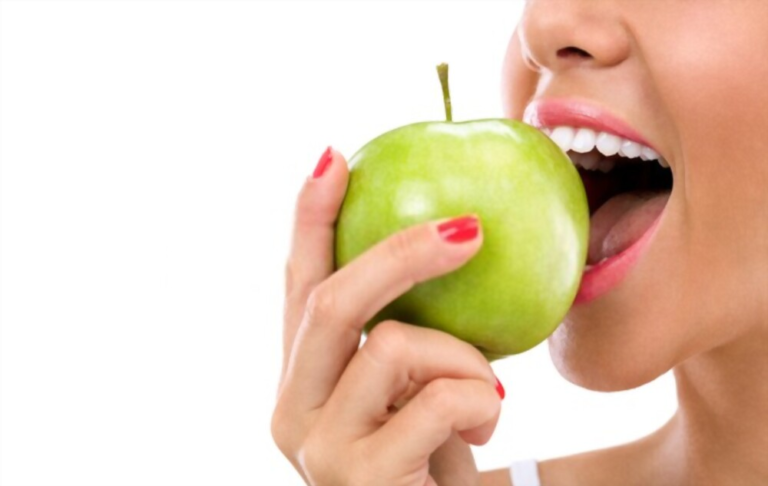
You are already familiar with the adage, “an apple a day keeps the doctor away.” The new question, however, is whether apples also keep the dentist away. There is some debate about whether apples are beneficial to your teeth or not.
So, are apples good for your teeth? Apples are good for your teeth because they help clean and freshen your teeth and fight bad breath. Dietary fiber in apples, mostly found in the peel, functions as a toothbrush, scraping away plaque and removing other food particles from the teeth. The acidity of apples also aids in the eradication of harmful germs that produce bad breath.
However, too much of anything can be detrimental. Eating too many apples can harm your teeth! But there is no need to worry. You can take measures to ensure this does not happen. Here is an in-depth look at how apples affect your teeth.
How Are Apples Good for Your Teeth?
Dentists frequently recommend apples for a variety of health benefits.
Apples are nature’s toothbrush
You can get the benefits of nature’s toothbrush by biting into the fibrous texture of an apple, ideally with the peel on. Crisp fruits (like apples) and vegetables help eliminate plaque and bacteria that cause cavities. You can finish off your dinner with a tasty apple, for your teeth’s benefit!
Apples are beneficial to your gums
Apples are high in vitamins, particularly vitamin C, which benefits your gums. For example, vitamin C (found in apples) protects your gums healthily and prevents infection. You risk becoming ill if you do not consume enough Vitamin C. Furthermore, a lack of Vitamin C will lead to gum swelling and bleeding, especially if you already have gum disease.
Apples include a lot of vitamins and minerals
Apples contain a variety of minerals and vitamins in addition to Vitamin C. Apples contain malic acid, which, when consumed, causes salivation. Saliva is necessary for oral health. Apples also contain calcium, which helps to strengthen teeth and bones. They also contain fiber, which the body requires for general health, especially gastrointestinal system health.
Chewing on an apple increases saliva production
Apples contain malic acid, which causes salivation during chewing. This fact is amazing! Saliva acts as a rinse for the teeth. Saliva in your mouth is a barrier against bacteria and inhibits plaque formation.
Examining the mouths of people after chewing either fresh or dried apples has shown that plaque is eliminated, but only from the protruding surfaces of the teeth.
Some plaque will, however, remain in the crevices and interdental regions, which are particularly susceptible to cavities and periodontal disease due to plaque accumulation.
Even frequent apple chewing is not a substitute for excellent oral hygiene, which includes flossing and interdental brushing.
Can Apples Affect Your Teeth Negatively?
So what impact does eating apples have on your teeth? The acidity of apples may be harmful to oral health. Correct; acidic foods can cause dentin damage in your mouth. Dentin is the tooth layer immediately under tooth enamel. The acidity of an apple can dissolve dentine and cause tooth damage.

However, studies have shown that chewing an apple may not remove dental plaque but may promote plaque rebuilding within the first 24 hours. Still, it does cause an immediate decrease in salivary bacterial viability comparable to that reported after tooth brushing.
The sugar content of the modern apple is higher
As a result of plant hybridization, the sugar content of apples has increased by 50% over the years. Unfortunately, people have grown accustomed to a sweeter apple, which is less healthy for your teeth. According to the United States Department of Agriculture, modern apples have as much sugar as four tablespoons of table sugar. It is essential to know this because sugar can promote tooth decay.
Gala, Fuji, and Pink Lady varieties currently contain about 15% sugar. Sugar content was formerly 10% or less. One apple with a 15% sugar content contains approximately four teaspoons!
This information should cause you to reconsider eating apples, especially between meals and in juice form. According to studies, consuming a lot of fruit and fruit juices is a primary cause tooth decay in adults. It is alarming for youngsters. Fruit juice should only be given to children in diluted form, if at all.
Therefore you should encourage your children to consume apples mixed with other healthy foods. For instance, you may serve them Honeycrisp apple salad with walnuts and pumpkin seeds. It will become their favorite afternoon treat in no time!
Apples have a high acidity level
Apples are a great source of critical nutrients for the body. If you are concerned about your oral health, the acid concentration in some apples is close to that of soda. Sodas have a typical pH in the range of 2.5 to 3.5, and many apples have a pH in the range of 3.0-4.0.
| Type of Apple | pH Level |
| Ida Red | 3.0 |
| Granny | 3.0 |
| Amri | 3.8 |
| Golden | 4.0 |
| Red Chief | 4.0 |
| Golden Delicious | 4.2 |
| Double Red | 4.2 |
| Spartin | 4.3 |
| Red Golden | 4.3 |
| Jona Gold | 4.3 |
| Sky Spur | 4.8 |
| Gala | 6.2 |
Acid can erode tooth enamel. Cavities are unavoidable if there is no barrier between your dentin and microorganisms. Certain fruits have a high acidic content.
As a result, dentists advocate eating acidic fruits like apples as desserts at the end of a meal, rather than as snacks during the day.
Is the Acidity in Apples Bad for My Teeth?
Apples may be as acidic as soft drinks. However, the detrimental effects of acidity in meals such as processed meats and coffee can be easily avoided by following the instructions below:
Pair your apple with another snack
Perhaps a tiny slice of cheese, a glass of milk, or some crackers might be appropriate. Other foods, primarily those high in calcium, will assist in balancing out the acidity of the apple. To help you out, you can do the following:
Cut them up and put them in yogurt
Apples can be consumed by slicing them into thin slices and dipping them in your desired yogurt. This snack of apples mixed with yogurt is high in calcium. Try adding a little honey to the yogurt if your preference gravitates towards a sweeter flavor.
Eating Applesauce
If you loathe biting into apples, applesauce is a good alternative. Make sure to consume just applesauce that has no added sugar. Including anything with added sugar will invalidate any dental benefits provided by this fruit.
Roast Them
Alternatively, you can cut the apples into thin slices, sprinkle them with cinnamon, and roast them in your oven. This snack is not only tasty, but it can also help fight bad breath and remove harmful bacteria from the mouth.
Rinse well with a glass of water
You should drink a glass of water after eating apples. Water aids in the removal of acid and food particles from between the teeth. To counteract the effects of acid erosion, you can also drink milk or eat cheese, which contains calcium.
Do not brush your teeth immediately
It is not advisable to brush your teeth shortly after eating sugary food. Sugar acts like sandpaper, causing tooth enamel deterioration. Brushing also softens and makes teeth more vulnerable to acid because teeth are porous. Brush your teeth at least 30 minutes after consuming sweet treats.
Conclusion
An apple’s high acidity aids in the elimination of germs in the mouth that cause bad breath. While some individuals are concerned that apple acidity would damage their enamel, the sugar content in apples neutralizes potentially harmful acids while making it easier for your body to absorb healthy ones.
The fiber component of apples aids in keeping teeth and gums clean and free of bacterial growth. Because they are crisp, apples enhance salivation, strengthening teeth and preventing cavities.
Related Posts






Subscribe for New Racipies
Get mental health tips, updates, and resources delivered to your inbox.