
Is Cabbage Juice Acidic? Cabbage Juice and Acid Reflux

Medically reviewed by Aneeza Pervez Updated Date: January 2, 2026
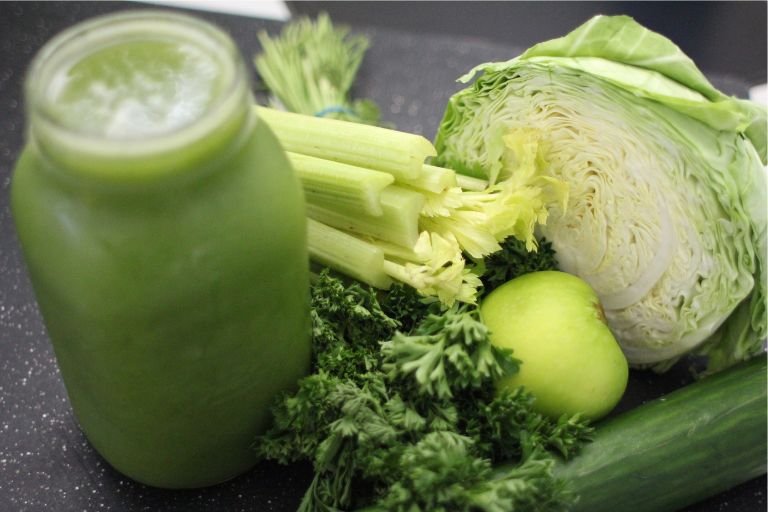
Exploring Cabbage Juice and Its Benefits for Acid Reflux
Cabbage juice has long been praised as a natural remedy for digestive issues, particularly due to its soothing and healing properties. Whether consumed for its high nutrient content or to address specific health concerns, cabbage juice has gained attention in the wellness community. However, for those dealing with acid reflux, a common question arises: Is cabbage juice acidic, and is it safe to drink if you suffer from reflux?
In this article, we’ll dive deep into the nutritional profile of cabbage juice, its pH level, and its potential effects on acid reflux. If you’re looking for answers, read on to find out if cabbage juice is the right addition to your diet.
Understanding Acid Reflux: What You Should Know
What Is Acid Reflux?
Acid reflux occurs when stomach acid travels back up into the esophagus, leading to symptoms like heartburn, a sour taste in the mouth, and discomfort. This condition can be occasional or chronic, and its triggers vary from person to person.
Common causes of acid reflux include:
- Overeating or eating large meals.
- Consuming trigger foods like spicy, acidic, or fatty items.
- A weakened lower esophageal sphincter (LES).
Why Diet Plays a Crucial Role in Acid Reflux?
Your diet is a significant factor in managing acid reflux symptoms. Certain foods can worsen reflux by increasing stomach acid, irritating the esophagus, or relaxing the LES. Conversely, other foods and drinks can soothe the digestive system, making them ideal for acid reflux sufferers.
Author Tip: 7-Day Meal Plan For Gastritis
Let’s see where cabbage juice fits in this spectrum.
Is Cabbage Juice Acidic or Alkaline?
The pH Level of Cabbage Juice
Cabbage juice is naturally alkaline, with a pH level of about 6.0 to 6.5. This makes it mildly alkaline compared to other juices, such as orange or tomato juice, which are highly acidic. The alkalinity of cabbage juice makes it a potential ally in neutralizing stomach acid and soothing the digestive system.
Why Alkaline Foods and Drinks Help with Acid Reflux?
Alkaline foods and drinks like cabbage juice can help balance the body’s pH levels and reduce the irritation caused by stomach acid. They may provide relief by creating a less acidic environment in the stomach, which is particularly beneficial for acid reflux sufferers.
Nutritional Profile of Cabbage Juice
What Makes Cabbage Juice a Superfood?
Cabbage juice is packed with essential nutrients that support overall health. Here’s a breakdown of its key components:
- Vitamins: Rich in vitamin C, vitamin K, and B vitamins, which support immune function and cellular health.
- Minerals: Contains potassium, magnesium, and calcium, which contribute to healthy digestion and pH balance.
- Antioxidants: Loaded with antioxidants like polyphenols and sulfur compounds that fight inflammation.
- Fiber: Aids in digestion and promotes gut health.
Health Benefits of Cabbage Juice
- Digestive Healing: The amino acid glutamine found in cabbage juice may help heal the lining of the stomach and reduce irritation.
- Anti-Inflammatory Properties: Its antioxidants may combat inflammation in the esophagus and stomach lining.
- Supports Gut Health: Cabbage juice may promote the growth of beneficial gut bacteria.
- Low-Calorie Option: It’s a nutrient-dense, low-calorie beverage suitable for most diets.
Cabbage Juice and Its Effect on Acid Reflux
How Cabbage Juice Can Benefit Acid Reflux Sufferers?
- Neutralizes Stomach Acid: Its alkaline nature can help neutralize excess stomach acid, reducing reflux symptoms.
- Soothes the Esophagus: The natural compounds in cabbage juice may reduce irritation and inflammation caused by acid reflux.
- Aids Digestion: Its fiber content supports smoother digestion, preventing bloating and pressure on the LES.
When Cabbage Juice Might Worsen Reflux?
While cabbage juice is generally well-tolerated, some individuals may experience discomfort due to:
- Overconsumption: Drinking too much cabbage juice can lead to bloating or gas, which may aggravate reflux symptoms.
- Raw Nature: Raw cabbage juice may be harder to digest for some, especially if consumed in large quantities.
- Individual Sensitivities: People with a sensitivity to cruciferous vegetables may not tolerate cabbage juice well.
Tips for Consuming Cabbage Juice Safely
1. Start with Small Quantities
Begin with half a cup of cabbage juice per day and gradually increase the amount as your body adjusts.
2. Use Fresh, Organic Cabbage
To maximize the benefits, prepare your juice using fresh, organic cabbage to avoid pesticide residues.
3. Add Soothing Ingredients
Combine cabbage juice with reflux-friendly ingredients like carrots, celery, or ginger for added flavor and digestive benefits.
4. Consume at the Right Time
Drink cabbage juice on an empty stomach or between meals to prevent bloating and discomfort.
Reflux-Friendly Alternatives to Cabbage Juice
If cabbage juice doesn’t suit your taste or digestive system, consider these alternatives:
- Aloe Vera Juice: Known for its soothing properties, aloe vera juice may reduce acid reflux symptoms.
- Chamomile Tea: A caffeine-free option that can help calm the digestive tract.
- Banana Smoothie: Alkaline and rich in potassium, bananas are a great reflux-friendly food.
Author Tip: 7 Kinds of Foods to Avoid with GERD
Lifestyle Changes to Improve Acid Reflux
1. Adopt Smaller, Frequent Meals
Eating smaller meals throughout the day can reduce stomach pressure and lessen reflux episodes.
2. Identify and Avoid Trigger Foods
Keep a food diary to determine which foods worsen your symptoms and eliminate them from your diet.
3. Maintain a Healthy Weight
Excess weight can increase pressure on the stomach, worsening acid reflux.
4. Practice Mindful Eating
Eat slowly and chew your food thoroughly to aid digestion and prevent overeating.
Conclusion: Is Cabbage Juice Safe for Acid Reflux?
Cabbage juice is not only alkaline but also nutrient-rich, making it a potentially excellent choice for individuals with acid reflux. Its soothing properties, combined with its ability to neutralize stomach acid, can provide relief for many sufferers. However, as with any dietary addition, moderation is key, and it’s important to listen to your body’s response.
If you’re considering adding cabbage juice to your diet, start with small amounts and consult a healthcare professional, especially if you have pre-existing digestive conditions.
FAQs: Cabbage Juice and Acid Reflux
Q1: Is cabbage juice acidic or alkaline?
Cabbage juice is mildly alkaline, with a pH of about 6.0 to 6.5.
Q2: Can cabbage juice cure acid reflux?
While it may help soothe symptoms and promote digestive health, it’s not a cure. Acid reflux often requires a combination of dietary changes and lifestyle adjustments.
Q3: How much cabbage juice should I drink for acid reflux?
Start with half a cup per day and monitor how your body responds.
Q4: Can raw cabbage juice cause bloating?
Yes, some individuals may experience bloating or gas due to the raw nature of cabbage juice.
Q5: Are there other juices that help with acid reflux?
Yes, aloe vera juice, carrot juice, and watermelon juice are also considered reflux-friendly options.
Related Posts



Subscribe for New Racipies
Get mental health tips, updates, and resources delivered to your inbox.
Are Figs Acidic? Understanding the Facts Behind Their pH Level

Figs, known for their sweet, chewy texture and distinctive flavor, are a favorite among fruit lovers. But one common question arises: are figs acidic? Whether you’re curious for dietary reasons or simply exploring their nutritional profile, this guide will help you understand the pH levels of figs, their effects on digestion, and their overall health benefits.
What Makes Figs So Special?
Figs, prized since ancient times, have earned their place in culinary and medicinal traditions. Their naturally sweet flavor and high nutritional value make them a beloved fruit. But when it comes to balancing your diet, especially for those sensitive to acidic foods, understanding the pH of figs is crucial.
What Does pH Mean, and Why Does It Matter?
The pH scale measures how acidic or alkaline a substance is, ranging from 0 (highly acidic) to 14 (highly alkaline), with 7 being neutral. Foods on either extreme can impact the body’s pH balance and digestion. For individuals with conditions like acid reflux, GERD, or a sensitive stomach, knowing the pH of foods is essential for better health management.
Author Tip: 7 Kinds of Foods to Avoid with GERD
Are Figs Acidic or Alkaline?
The pH of Fresh Figs
Fresh figs are mildly acidic, with a pH range of 5.05 to 5.98. This places them closer to the neutral zone, making them less likely to cause acid-related issues compared to highly acidic foods like citrus fruits or vinegar.
Dried Figs: A Slight Shift
Dried figs tend to be slightly more acidic due to the concentration of sugars and reduced water content. However, they remain on the lower end of acidity, making them a safe option for most diets.
Author Tip: Are Fig Bars Acidic?
Nutritional Composition of Figs
Figs are a nutritional powerhouse. Here’s a quick breakdown:
| Nutrient | Fresh Figs (per 100g) | Dried Figs (per 100g) |
| Calories | 74 | 249 |
| Carbohydrates | 19.2g | 63.9g |
| Dietary Fiber | 2.9g | 9.8g |
| Sugars | 16.3g | 47.9g |
| Protein | 0.75g | 3.3g |
Rich in vitamins like A, K, and folate, and minerals like potassium, calcium, and magnesium, figs provide essential nutrients that support overall health.
Health Benefits of Figs
- Digestive Support
Figs are rich in dietary fiber, aiding digestion and preventing constipation. Their natural enzymes also promote gut health. - Bone Health and Heart Benefits
High calcium and potassium levels help strengthen bones and regulate blood pressure. Figs also contain antioxidants that combat free radicals. - Managing Blood Sugar Levels
Despite their sweetness, figs have a low glycemic index and can help regulate blood sugar when consumed in moderation.
Figs and Digestive Health
For individuals dealing with acid reflux or GERD, figs can be a gentle addition to the diet. Their natural alkalinity, combined with a high fiber content, supports smoother digestion and reduces acid build-up in the stomach.
Figs in an Alkaline Diet
How Figs Fit into an Alkaline-Based Diet?
Figs are classified as mildly acidic when measured, but they have an alkalizing effect on the body after digestion. This makes them a perfect addition to an alkaline diet, which emphasizes foods that help maintain a healthy internal pH balance.
Figs work well in balancing acidic foods like meats, grains, and processed snacks. By including figs in your meals, you can create a harmonious diet that promotes optimal health and reduces the risk of acid-related issues.
Balancing Acidic and Alkaline Foods
While figs are alkalizing, pairing them with other nutrient-dense foods ensures you maintain dietary variety. Combine figs with leafy greens, nuts, or whole grains for a balanced meal.
Author Tip: 7-Day Meal Plan For Gastritis
Cooking and Eating Figs: Do They Affect pH?
Recipes Featuring Figs
Figs are versatile and can be enjoyed in many forms:
- Fresh figs: Enjoy them raw as a snack or on salads.
- Dried figs: Add to trail mixes or bake into cookies.
- Cooked figs: Use them in jams, sauces, or savory dishes like fig-glazed chicken.
The Impact of Preparation Methods on Acidity
Cooking methods can slightly alter the pH of figs. For example:
- Raw figs retain their natural pH and nutrients.
- Dried figs are more concentrated, which can slightly increase their acidity.
Regardless of preparation, figs remain a nutrient-rich choice.
Are Figs Suitable for Everyone?
Figs and Allergies
Although rare, some people may experience an allergic reaction to figs, especially those with latex or birch pollen allergies. Symptoms can range from mild irritation to more severe reactions. If you’re unsure, start with small quantities and monitor your body’s response.
Considerations for Specific Conditions
For individuals with diabetes, figs can be consumed in moderation due to their natural sugars. Their high fiber content helps regulate blood sugar, but portion control is essential. Additionally, those with kidney issues should consult a doctor before adding figs to their diet, as figs are rich in potassium.
Scientific Insights on Figs
Research-Backed Health Claims
Scientific studies confirm the health benefits of figs. A 2023 study in the Journal of National Library of Medicine highlighted that figs contain polyphenols, flavonoids, and other antioxidants that reduce oxidative stress and promote overall wellness.
Studies on pH and Digestive Impact
Research indicates that while figs are slightly acidic, their post-digestion alkalizing effect makes them beneficial for individuals with acid reflux or similar conditions.
Frequently Asked Questions
Do figs cause heartburn?
Figs are unlikely to cause heartburn due to their low acidity. In fact, their fiber content may help reduce acid reflux symptoms. However, consuming them in excess could lead to digestive discomfort.
Are figs acidic when cooked?
Cooking figs doesn’t significantly change their acidity. While moisture loss during cooking, especially drying or baking, can slightly concentrate their natural acids, they remain mildly acidic. The biggest impact on the final dish’s acidity comes from other added ingredients, not the cooking process itself.
Are figs high in acidity?
Figs are mildly acidic, with a pH ranging from approximately 5.0 to 6.0. This places them closer to neutral than highly acidic fruits like lemons or limes. While they do contain some natural acids, their overall impact on the body is considered alkalizing after digestion, making them generally well-tolerated.
When should you not eat figs?
Individuals with fig allergies, which can sometimes be linked to latex or birch pollen allergies, should avoid them. Those with kidney problems should consult a doctor due to figs’ high potassium content. Due to their natural sugars, moderation is advised for those with diabetes. Overconsumption can also cause diarrhea due to their high fiber content.
What is the least acidic fruit?
In general, melons like cantaloupe and honeydew are among the least acidic fruits, often having a pH above 6.0. Bananas are also relatively low in acidity, typically ranging from 4.5 to 5.2 on the pH scale. These fruits are often recommended for individuals with acid reflux or sensitive stomachs.
Are figs cool or hot?
In traditional Chinese medicine (TCM), figs are considered to have a neutral to slightly cooling thermal nature. This means they are not considered heating or cooling to the body significantly, making them suitable for consumption year-round for most individuals according to TCM principles.
Conclusion
In conclusion, while figs possess a slightly acidic pH, their post-digestive alkalizing effect, coupled with a rich nutritional profile, makes them a valuable addition to a balanced diet. From supporting digestive health and bone strength to potentially aiding in blood sugar management, figs offer a range of benefits. Consuming them in moderation and being mindful of individual sensitivities, such as allergies or potassium intake for those with kidney issues, will allow you to fully enjoy the advantages of this ancient and versatile fruit.
Related Posts
Subscribe for New Racipies
Get mental health tips, updates, and resources delivered to your inbox.