
Is Coconut Yogurt Acidic? Coconut Yogurt and Acid Reflux

Medically reviewed by Aneeza Pervez Updated Date: January 2, 2026

Coconut yogurt has gained popularity as a delicious, dairy-free alternative to traditional yogurt, but its pH properties raise questions for individuals managing acid reflux. Is coconut yogurt acidic, or does it have alkalizing effects on the body? Understanding its pH and impact on digestion is essential for those looking to incorporate it into a reflux-friendly diet.
Made from the creamy flesh of coconuts, coconut yogurt is a plant-based, probiotic-rich food often touted for its health benefits. While it’s known for being lactose-free and gut-friendly, its effect on acid reflux varies depending on preparation methods, added ingredients, and individual tolerance. In this article, we’ll explore whether coconut yogurt is acidic, how it affects acid reflux, and whether it’s a smart choice for those seeking digestive relief.
Understanding Acidity and Alkalinity in Foods
What Defines a Food’s Acidity or Alkalinity?
The acidity or alkalinity of food is determined by its pH level, which ranges from 0 (highly acidic) to 14 (highly alkaline). Foods with a pH below 7 are acidic, those above 7 are alkaline, and foods at 7 are neutral. However, a food’s metabolic effect—how it behaves once digested—can differ from its natural pH.
Importance of pH Balance for Acid Reflux
The body’s optimal pH is slightly alkaline, around 7.4. Consuming excessive acidic foods can disrupt this balance, leading to conditions like acid reflux. Incorporating alkaline or neutral foods helps soothe the digestive tract and reduces symptoms.
How Acidic Foods Contribute to Reflux?
Acidic foods like citrus fruits, tomatoes, and carbonated drinks can irritate the esophagus and exacerbate reflux symptoms. Replacing these with alkaline or mildly acidic options, such as coconut yogurt, can be beneficial.
Author Tip: 7-Day Meal Plan For Gastritis
Is Coconut Yogurt Acidic or Alkaline?
Natural pH of Coconut Yogurt
Coconut yogurt typically has a slightly acidic to neutral pH, ranging from 5.5 to 6.5. This makes it less acidic than dairy-based yogurts, which can have a pH as low as 4.4. The fermentation process, which introduces probiotics, is responsible for its mild acidity.
Metabolic Effect of Coconut Yogurt
Despite its slightly acidic pH, coconut yogurt has an alkalizing effect on the body once metabolized. This is because coconut contains alkaline minerals like potassium and magnesium, which help neutralize excess acid in the stomach.
Does Coconut Yogurt Aggravate Acid Reflux?
Coconut yogurt is generally well-tolerated by acid reflux sufferers. According to research, its lactose-free composition and probiotics promote healthy digestion, reducing the likelihood of reflux episodes. However, flavored or sweetened varieties may contain added sugars or acidic ingredients that could trigger symptoms.
Related to Read: Is Greek Yogurt Acidic?
Benefits of Coconut Yogurt for Acid Reflux
Lactose-Free and Gentle on the Stomach
Unlike traditional yogurt, coconut yogurt is completely lactose-free, making it a suitable alternative for individuals with lactose intolerance or sensitive stomachs. This reduces the risk of bloating, gas, or discomfort—common triggers of acid reflux.
Probiotics and Digestive Health
Coconut yogurt is rich in probiotics, which are beneficial bacteria that support gut health. Probiotics help maintain a healthy microbiome, improving digestion and reducing inflammation in the esophagus caused by acid reflux.
Alkaline Minerals for pH Balance
The magnesium, potassium, and calcium in coconut yogurt work to neutralize stomach acid, alleviating symptoms of acid reflux and promoting a balanced pH in the digestive system.
Comparing Coconut Yogurt to Dairy Yogurt
Acidity Levels
Dairy-based yogurts, especially those made from cow’s milk, tend to be more acidic than coconut yogurt due to their higher lactose content and fermentation process. This makes coconut yogurt a better choice for individuals managing acid reflux.
Digestibility
Coconut yogurt is easier to digest for most people because it lacks lactose and casein, two compounds found in dairy that can trigger digestive discomfort and reflux.
Nutritional Differences
While dairy yogurt is a rich source of protein and calcium, coconut yogurt provides medium-chain triglycerides (MCTs) from coconut, which are easily digestible fats that boost energy and metabolism.
Incorporating Coconut Yogurt Into a Reflux-Friendly Diet
Use Coconut Yogurt as a Snack
Enjoy coconut yogurt as a light snack topped with alkaline fruits like bananas or melons. Avoid acidic fruits like pineapples or citrus to prevent reflux symptoms.
Add Coconut Yogurt to Smoothies
Blend coconut yogurt with spinach, cucumber, and almond milk to create a refreshing, alkaline smoothie that soothes the digestive tract.
Coconut Yogurt in Recipes
Use coconut yogurt as a substitute for sour cream in dressings, dips, or as a base for sauces. Its creamy texture and mild flavor make it a versatile ingredient.
Author Tip: 7 Kinds of Foods to Avoid with GERD
Common Misconceptions About Coconut Yogurt and Acidity
Is All Coconut Yogurt Alkalizing?
Not all coconut yogurt has an alkalizing effect. Flavored varieties with added sugars or artificial ingredients can be acid-forming. Opt for plain, unsweetened coconut yogurt for the best results.
Does Coconut Yogurt Contain Dairy?
No, coconut yogurt is entirely plant-based and free from dairy. This makes it an excellent choice for vegans or those with dairy allergies.
Is Homemade Coconut Yogurt Better?
Homemade coconut yogurt allows greater control over ingredients, ensuring it remains free from added sugars and preservatives. This can enhance its benefits for acid reflux sufferers.
Coconut Yogurt vs. Other Dairy-Free Alternatives
Coconut Yogurt vs. Almond Yogurt
Both are excellent dairy-free options, but almond yogurt is slightly more alkaline due to the natural pH of almonds. However, coconut yogurt’s MCTs and creamy texture provide unique advantages.
Coconut Yogurt vs. Soy Yogurt
Soy yogurt is high in protein but can be harder to digest for individuals sensitive to soy. Coconut yogurt, with its gentle composition, is often a better choice for acid reflux sufferers.
Coconut Yogurt vs. Oat Yogurt
Oat yogurt is neutral to mildly alkaline, making it another reflux-friendly option. However, coconut yogurt’s alkalizing minerals give it an edge for maintaining a balanced pH.
Final Thoughts on Coconut Yogurt and Acid Reflux
Coconut yogurt is a mildly acidic, plant-based alternative to traditional yogurt that offers significant benefits for acid reflux sufferers. Its probiotics, lactose-free composition, and alkaline minerals make it a soothing and digestive-friendly choice. Whether enjoyed as a snack, blended into smoothies, or incorporated into recipes, coconut yogurt can be a versatile and nutritious addition to a reflux-friendly diet. However, always opt for plain, unsweetened varieties to maximize its benefits and avoid added sugars or artificial ingredients.
FAQs
- Is coconut yogurt acidic?
Coconut yogurt is slightly acidic but has an alkalizing effect on the body after digestion. - Can coconut yogurt help with acid reflux?
Yes, coconut yogurt’s probiotics and alkaline minerals make it a great choice for managing acid reflux symptoms. - Is flavored coconut yogurt bad for acid reflux?
Flavored varieties may contain added sugars and acidic ingredients, which can trigger reflux. Plain coconut yogurt is the best option. - How does coconut yogurt compare to dairy yogurt?
Coconut yogurt is less acidic, easier to digest, and free from lactose, making it a better option for reflux sufferers. - Can I make coconut yogurt at home?
Yes, homemade coconut yogurt allows you to control ingredients and avoid added sugars or preservatives, enhancing its benefits.
Related Posts



Subscribe for New Racipies
Get mental health tips, updates, and resources delivered to your inbox.
Split Pea Soup, Round And Whole And Filling

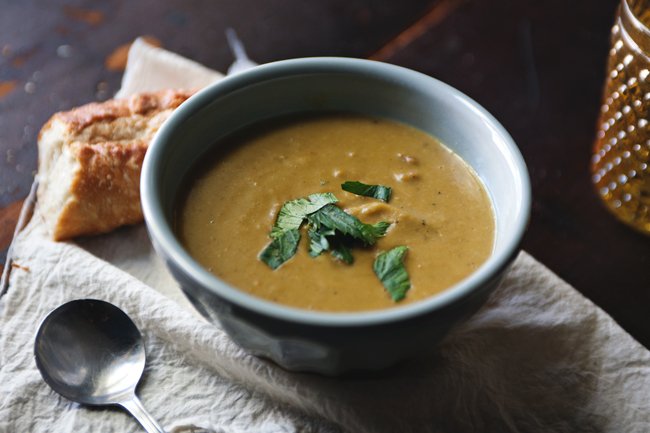
Chris and I split a can of clam chowder the other day. You know, the readymade stuff. I’d forgotten how convenient it was to prepare. You just slap it into a pot and let it come to a boil, and then it’s ready. I’d also forgotten how much I liked it. I hope you’re not shaking your head, shuddering at all the preservatives and chemicals we consumed. Seriously, when you’re in the need for a quick soup fix, canned clam chowder always hits the spot.
And with that, soup season officially began.
After the clam chowder, I immediately found myself craving split pea soup, which I didn’t realize involved tossing a part of a pig into a pot to simmer alongside green split peas and other ingredients. There’s something elusively tantalizing about the smell of smoked meat—it feels round. Round and whole and filling. I think it strikes an instinctual cord in me, the part that huddles as close to a fire as possible until the flames practically lick my hands. No, maybe not that close. I’m a tiny bit afraid of fire.

This soup is a mishmash of legume and vegetables, too. You know what they do? They soften, and sort of melt. The immersion blender finishes the job. The result reminds me of baby food. Green pea puree or something along those lines. Soupy mush in that rare not-quite-yellow, not-quite-green color. Winsome description, I know. But the flavor! I’m not so sure a baby would be able to handle such a taste explosion; it would be too much to process.
I hope you make a huge pot of this soup on a chilly day. You might want to open a couple windows, you’ll be so warmed to the soul.

SPLIT PEA SOUP
Adapted from Bon Appétit
Serves 6
Ingredients:
2 Tbsp butter
1 medium onion
2 cloves garlic
1 cup chopped celery
1 cup chopped peeled carrots
1-1/2 lbs. smoked pork hocks
2 tsp dried marjoram
1 tsp dried oregano
2 cups green split peas
6 cups water
Directions:
Melt butter in heavy large pot or Dutch oven over medium-high heat. Add onion, garlic, celery, and carrots. Sauté until vegetables begin to soften, about 8 minutes. Add pork, marjoram, and oregano; stir 1 minute. Add peas, then water, and bring to boil.
Reduce heat to medium-low. Partially cover pot; simmer soup until pork and vegetables are tender peas are falling apart, stirring often, about 1 hour and 10 minutes.
When ready, remove hocks. Using an immersion blender or regular blender (being careful not to overfill it), puree the soup. Cut pork off bones, dice it, and return to soup. Season with salt and pepper.
Related Posts





Subscribe for New Racipies
Get mental health tips, updates, and resources delivered to your inbox.