
Is Peppermint Tea Acidic? Peppermint Tea and Acid Reflux

Medically reviewed by Aneeza Pervez Updated Date: January 5, 2026
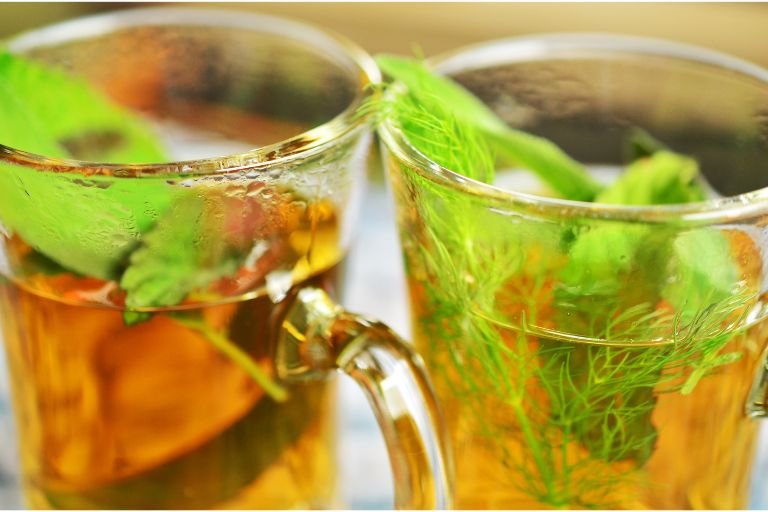
Peppermint tea is a soothing, caffeine-free beverage that’s often enjoyed for its refreshing flavor and digestive benefits. It’s a popular remedy for issues like bloating, nausea, and indigestion. However, if you’re dealing with acid reflux or GERD (gastroesophageal reflux disease), you may wonder: “Is peppermint tea acidic, and is it safe for acid reflux?”
While peppermint tea is not acidic (its pH level is close to neutral, around 6.0 to 7.0), it is not always suitable for those with acid reflux. Despite its alkalinity, peppermint can relax the lower esophageal sphincter (LES), which is the muscle that prevents stomach acid from flowing back into the esophagus. For this reason, peppermint tea may trigger or worsen acid reflux symptoms in some individuals.
In this article, we’ll explore the relationship between peppermint tea and acid reflux, its health benefits, and tips for deciding whether it’s the right choice for your digestive health.
Is Peppermint Tea Acidic or Alkaline?
Peppermint tea is considered alkaline to neutral, with a pH level between 6.0 and 7.0. Unlike acidic beverages such as coffee, citrus juices, or sodas, peppermint tea does not contribute to acidity in the stomach.
However, despite its neutral pH, peppermint tea is not always reflux-friendly. Its effect on the lower esophageal sphincter (LES) is a key factor in determining whether it’s safe for acid reflux sufferers. Peppermint has a natural muscle-relaxing property that can weaken the LES, potentially allowing stomach acid to flow back into the esophagus.
Nutritional Profile and Benefits of Peppermint Tea
Peppermint tea offers a range of health benefits, particularly for digestion, thanks to its soothing properties. Here are some of the key nutritional and health highlights:
1. Naturally Caffeine-Free
Peppermint tea is an excellent alternative to caffeinated beverages like coffee and black tea, which can worsen acid reflux by stimulating stomach acid production.
2. Rich in Antioxidants
Peppermint tea contains antioxidants, such as flavonoids, that combat free radicals and reduce inflammation in the body.
3. Digestive Benefits
- Eases Bloating: Peppermint tea is widely used to relieve bloating and gas.
- Improves Digestion: It promotes the production of bile, aiding in the digestion of fats.
4. Anti-Inflammatory Properties
The menthol in peppermint has anti-inflammatory effects, which can help soothe the digestive tract.
5. Relieves Nausea
Peppermint tea is a popular remedy for nausea and motion sickness.
6. Low Calorie
Peppermint tea is virtually calorie-free, making it a light and hydrating beverage.
Does Peppermint Tea Trigger Acid Reflux?
Although peppermint tea is alkaline and beneficial for digestion in many cases, it can trigger or worsen acid reflux symptoms in some people. Here’s why:
1. Relaxation of the Lower Esophageal Sphincter (LES)
- Peppermint naturally relaxes smooth muscles, including the LES, which separates the stomach from the esophagus. When the LES relaxes too much, stomach acid can flow back into the esophagus, causing heartburn and reflux symptoms.
2. Increased Stomach Acid Sensitivity
- While peppermint doesn’t increase stomach acid production, it can make the esophagus more sensitive to the acid that refluxes. This is why some people experience a burning sensation after drinking peppermint tea.
3. Individual Sensitivities
- Some people with GERD are more sensitive to peppermint’s effects than others. While one person may tolerate peppermint tea well, another might find that it triggers symptoms.
Who Should Avoid Peppermint Tea?
Peppermint tea is not ideal for everyone, especially those who:
- Have severe GERD or frequent acid reflux: Peppermint tea may worsen symptoms by relaxing the LES.
- Experience heartburn after drinking peppermint tea: If peppermint tea consistently triggers symptoms, it’s best to avoid it.
- Have esophageal ulcers or hiatal hernia: These conditions can make the esophagus more sensitive to peppermint’s muscle-relaxing effects.
Alternatives to Peppermint Tea for Acid Reflux
If peppermint tea doesn’t work for you, there are other reflux-friendly herbal teas that can provide soothing benefits without aggravating symptoms:
1. Ginger Tea
- Ginger tea is an excellent option for acid reflux sufferers. It has anti-inflammatory properties and helps soothe the stomach while reducing nausea and indigestion.
2. Chamomile Tea
- Chamomile tea has calming and anti-inflammatory effects, making it a great choice for reducing stress and relieving reflux symptoms.
3. Licorice Root Tea
- Deglycyrrhizinated licorice (DGL) tea can help coat the esophagus and stomach lining, reducing irritation caused by acid reflux.
4. Marshmallow Root Tea
- Marshmallow root tea contains mucilage, which soothes and protects the esophagus from stomach acid.
5. Fennel Tea
- Fennel tea aids digestion, reduces bloating, and has a calming effect on the stomach.
Frequently Asked Questions About Peppermint Tea and Acid Reflux
1. Is peppermint tea bad for acid reflux?
For some individuals with acid reflux, peppermint tea can relax the LES and trigger symptoms. However, others may tolerate it well. It’s best to monitor your body’s response.
2. Why does peppermint tea cause heartburn in some people?
Peppermint tea can relax the LES, allowing stomach acid to flow back into the esophagus, which may cause heartburn in sensitive individuals.
3. Can peppermint tea help with digestion?
Yes, peppermint tea is known to improve digestion, relieve bloating, and reduce gas. However, its muscle-relaxing effects may worsen acid reflux for some people.
4. Should I avoid all peppermint products if I have GERD?
Not necessarily. Some people with GERD may tolerate small amounts of peppermint in foods or teas, while others may need to avoid it completely. Start with small amounts and assess your tolerance.
5. What is the best herbal tea for acid reflux?
Ginger tea, chamomile tea, and licorice root tea are often considered the best herbal teas for acid reflux due to their soothing and anti-inflammatory properties.
Final Thoughts
Peppermint tea, while alkaline and soothing for many, may not be the best choice for acid reflux sufferers due to its ability to relax the lower esophageal sphincter (LES). This relaxation can lead to stomach acid flowing back into the esophagus, causing heartburn and discomfort.
If you enjoy peppermint tea and notice no adverse effects, it can be a refreshing and beneficial addition to your diet. However, for those who find that it triggers reflux symptoms, switching to reflux-friendly alternatives like ginger tea or chamomile tea may be a better option.
As with any dietary decision, it’s important to listen to your body and consult with a healthcare professional if you’re unsure about incorporating peppermint tea into your routine.
Related Posts



Subscribe for New Racipies
Get mental health tips, updates, and resources delivered to your inbox.
Bacon Fat Gingersnaps

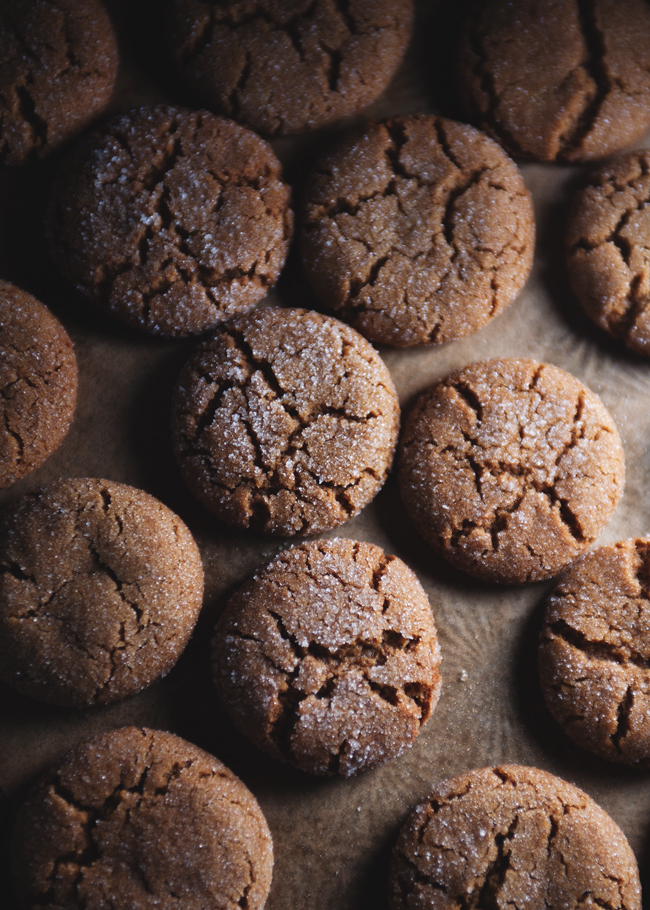
We’re going back to California tomorrow (or today rather, as I write these posts the night before) for the holidays and we’ll be gone an entire two-and-a-half weeks! There’s still so much to do, so I’m keeping this post short. And then I must return to packing and meeting last-minute work deadlines and cleaning out the fridge (urgh).
After that, I foresee freeeeedom and warm-ish weather and long drives down the 1. We’re putting up the tree with my family, seeing friends, and hitting up all our old haunts. One of these days, I will write a long ode to California, but for now, I’m leaving you with a recipe for bacon fat gingersnaps.

I’m guessing you can tell why these cookies are special. Yup! They’re made with bacon fat. While the idea is that you’ve been collecting bacon drippings all along, saving it in a little bowl so you can re-use it for other recipes (something I vividly remember my mom doing when I was younger), I had to go out and buy a pound-and-a-half of bacon especially for this recipe, and then spent the better part of an hour frying it up. Later that night, and for days after, we reheated the strips and used them for sandwiches and omelettes and other such delights. These foods all benefit from bacon, I’m sure you would agree, so it wasn’t too much trouble for me.
The cookies themselves taste smoky and exotic, hardly like bacon, although you can tell there’s something in there that contributes an inexplicable… savoriness? Huskiness? I’m definitely not a slap-bacon-on-it-and-call-it-a-day kind of gal, by the way. But I do like my ginger-flavored sweets, and I love the softness of these cookies. (which begs the question: are they technically gingersnaps then? Aren’t gingersnaps supposed to be, I dunno, snappy?)
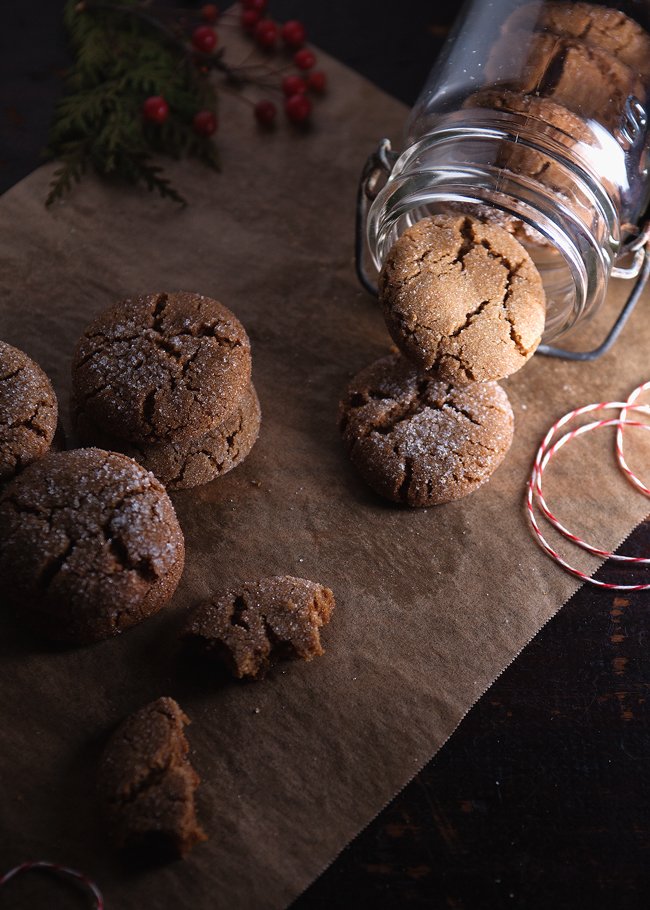
I also love the origin of this recipe, which comes from Cathy Horyn, the renowned New York Times FASHION editor who got the recipe from her mother. Yes! So I suppose this recipe is an old-new take on a classic gingersnap recipe that is perfect for the holidays.
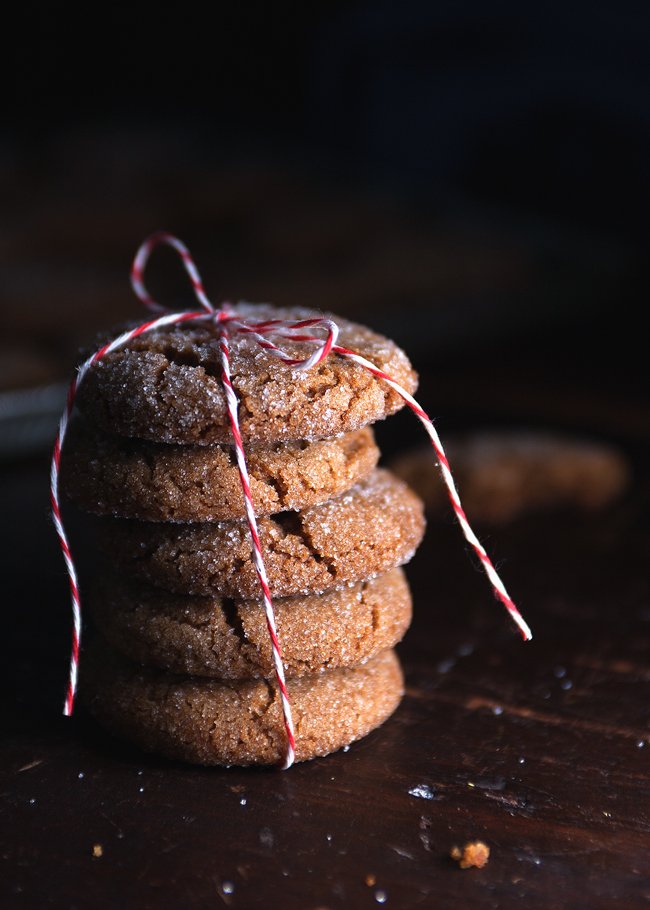
BACON FAT GINGERSNAPS
Adapted from Leite’s Culinaria
Makes 3 dozen or so
Ingredients:
- 3/4 cup bacon drippings (from 1 1/2 to 2 pounds bacon), at room temperature
- 1/2 cup granulated sugar, plus more for the work surface
- 1/2 cup brown sugar
- 1/4 cup molasses (not blackstrap) or cane syrup
- 1 large egg
- 2 cups all-purpose flour
- 1 1/2 teaspoons kosher salt
- 2 teaspoons baking soda
- 2 teaspoons ground ginger
- 1/2 teaspoon ground allspice
- 1/2 teaspoon ground cinnamon
Directions:
Mix all the ingredients together until a smooth, stiff dough forms. Wrap it tightly with plastic wrap and refrigerate for at least a few hours and up to 2 days.
Preheat oven to 350 degrees F. Line 2 baking with parchment paper. In a small bowl, pour about 1/4 cup sugar. Break off 1-Tbsp chunks of the cookie dough and roll them into balls. Then roll them around in the sugar to coat and place them on the baking sheets, 2 inches apart.
Bake the cookies 10 to 12 minutes, until dark brown. Let cool.
Related Posts




Subscribe for New Racipies
Get mental health tips, updates, and resources delivered to your inbox.