
Is Pumpkin Puree Acidic? A Detailed Look for Acid Reflux Sufferers

Medically reviewed by Aneeza Pervez Updated Date: January 2, 2026
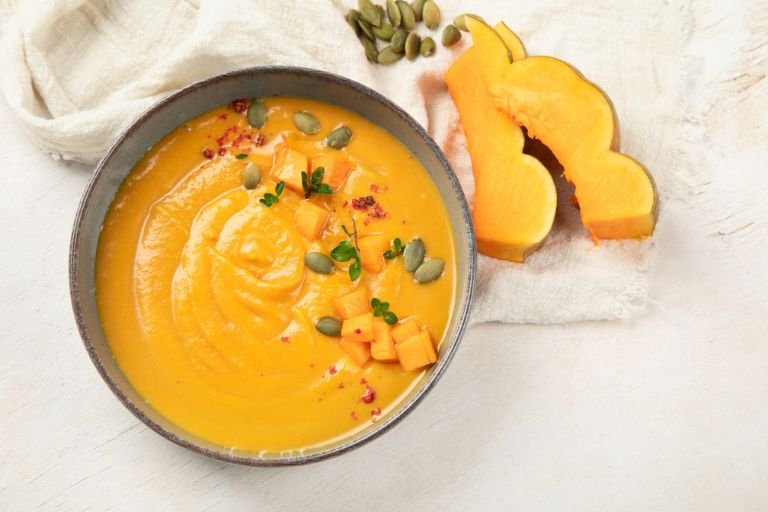
Acid reflux, or gastroesophageal reflux disease (GERD), is a digestive condition characterized by the backflow of stomach acid into the esophagus. This leads to symptoms like heartburn, regurgitation, and discomfort that can significantly impact quality of life. For individuals managing acid reflux, dietary choices play a vital role in symptom control. Certain foods can trigger flare-ups, while others may help soothe the digestive tract. One ingredient that often sparks curiosity is pumpkin puree. Is pumpkin puree acidic, and can it impact acid reflux symptoms?
Pumpkin puree, a staple in many kitchens, is celebrated for its versatility in cooking and baking. From soups and pies to smoothies and baby food, its rich flavor and nutritional profile make it a popular choice. However, its acidity level is an important consideration for those with sensitive stomachs. This article delves into the acidity of pumpkin puree, how it compares to other purees, and its overall role in an acid reflux-friendly diet.
What Is Pumpkin Puree?
Defining Pumpkin Puree and Its Uses
Pumpkin puree is a smooth, mashed form of cooked pumpkin, often used as a base ingredient in various recipes. It is made by cooking and blending pumpkin flesh until it achieves a creamy texture. While you can make it at home with fresh pumpkins, canned pumpkin puree is a convenient alternative widely available in stores.
Common Uses in Cooking and Baking
Pumpkin puree serves as the backbone for numerous recipes, such as:
- Pumpkin Pie: A traditional dessert, especially during fall and holiday seasons.
- Soups and Stews: Adds a creamy, rich texture to savory dishes.
- Baked Goods: Frequently used in muffins, breads, and pancakes for added moisture and flavor.
- Smoothies: A nutritious addition for its creamy consistency and subtle sweetness.
Nutritional Benefits of Pumpkin Puree
Pumpkin puree is not only versatile but also nutrient-rich:
- High in Vitamins: A great source of vitamin A (from beta-carotene), vitamin C, and vitamin E, all of which support immune function and skin health.
- Rich in Fiber: Promotes healthy digestion and helps stabilize blood sugar levels.
- Packed with Antioxidants: Compounds like beta-carotene help combat oxidative stress and inflammation.
- Low in Calories: Makes it a diet-friendly ingredient for those watching their caloric intake.
These benefits make pumpkin puree a valuable addition to a balanced diet, provided it aligns with individual dietary sensitivities.
Is Pumpkin Acidic or Alkaline?
Exploring the pH Level of Pumpkin
The pH scale determines whether a food is acidic, neutral, or alkaline:
- Pumpkin’s pH Level: Fresh pumpkin has a pH ranging from 4.9 to 5.5, which places it on the mildly acidic side of the spectrum. Despite this, its acidity is far lower than that of highly acidic foods like tomatoes or citrus fruits.
Fresh Pumpkin vs. Canned Puree
- Fresh Pumpkin:
- Typically less processed.
- Retains more of its natural properties, including a slightly milder acidity.
- Ideal for homemade pumpkin puree.
- Canned Pumpkin Puree:
- Convenient and consistent in texture.
- May contain added ingredients like preservatives, slightly altering its pH.
- Always check labels to ensure no added sugars or spices that could increase acidity.
Pumpkin’s Comparison to Other Foods
- Carrots: Similar in pH, also mildly acidic but often well-tolerated.
- Tomatoes: Much more acidic, with a pH around 3.5–4.0.
- Apples: Vary depending on the variety but generally more acidic than pumpkin.
Though pumpkin leans slightly acidic, it is much gentler on the digestive system than many other fruits and vegetables.
Is Pumpkin Puree Acidic?
Factors Influencing the Acidity of Pumpkin Puree
- Preparation Method:
- Homemade puree made from fresh pumpkin may have a more neutral acidity compared to processed versions.
- Overcooking can sometimes intensify flavors and potentially alter the pH slightly.
- Added Ingredients:
- Sugar: Often added in recipes, can increase acidity and act as a trigger for acid reflux.
- Spices: Ingredients like cinnamon or nutmeg are common in pumpkin-based dishes and are typically mild but can affect some individuals.
- Preservatives: Found in some canned varieties, may subtly alter the pH or irritate sensitive stomachs.
Pumpkin Puree Compared to Other Purees
- Tomato Puree: Highly acidic with a pH around 4.0, often a trigger for acid reflux.
- Apple Puree: Varies by apple type but usually ranges from 3.0 to 4.0, making it more acidic than pumpkin.
- Carrot Puree: Similar to pumpkin in acidity but slightly milder in flavor.
Pumpkin puree’s mild acidity makes it a better choice for those with acid reflux compared to other popular purees. However, the overall impact depends on the preparation and the individual’s tolerance to specific foods.
Pumpkin Recipes for Acid Reflux Management
Pumpkin puree can be a versatile ingredient in an acid reflux-friendly diet. To create GERD-friendly dishes, focus on using low-fat and non-spicy ingredients.
Pumpkin Soup
Pumpkin soups are an excellent choice, as they offer soothing properties while being easy on the stomach. A simple recipe would be a Pumpkin Soup made by sautéing onions and garlic (in moderation), adding pumpkin puree, low-sodium vegetable broth, and a touch of thyme and ginger. Puree the mixture until smooth, and enjoy a creamy, comforting soup without triggering acid reflux.
Pumpkin Muffins
For a satisfying snack or dessert, Pumpkin Muffins can be made using pumpkin puree, whole wheat flour, and a small amount of honey for sweetness. Use unsweetened applesauce to replace any oils or fats, and opt for a small serving to keep portions in check. Baking at a low temperature will help retain the natural flavors of pumpkin while reducing acidity.
To further minimize the impact of acidity, avoid adding high-fat ingredients like heavy cream or large amounts of sugar. Stick to simple seasoning like cinnamon and ginger, which are often tolerated better by people with acid reflux.
More Recipes:
Pumpkin Spice Crepes with a Cinnamon Mascarpone Filling
Pumpkin Soynut Butter Chocolate Chip Cookies
Biscoff Pumpkin Cupcakes with Marshmallow Fluff Frosting
Healthy Substitutes for Pumpkin Puree
Sweet Potato Puree
For those who find pumpkin puree too acidic or are looking for variety, there are several healthy alternatives that are gentler on the stomach. Sweet Potato Puree is an excellent substitute, offering a smooth texture and natural sweetness. Sweet potatoes are rich in vitamins A and C and are a good source of fiber, which can aid in digestion and alleviate constipation—common concerns for acid reflux sufferers.
Carrot Puree
Another suitable option is Carrot Puree, which provides a similar mild flavor profile to pumpkin. Carrots are naturally low in acidity and rich in beta-carotene, supporting digestive health without triggering reflux symptoms.
Butternut Squash Puree
Additionally, Butternut Squash Puree is another great option, offering a sweet, nutty taste with a creamy texture that is gentle on the digestive tract.
These alternatives are not only nutritious but also versatile, allowing you to create GERD-friendly meals and snacks without sacrificing flavor.
Conclusion
While pumpkin puree does have a mild acidity, its overall impact on acid reflux depends largely on individual sensitivities and portion sizes. In moderation, pumpkin can provide nutritional benefits, such as being rich in vitamins, fiber, and antioxidants, while being gentler on the stomach compared to more acidic foods like tomatoes. When preparing pumpkin dishes for acid reflux management, focus on low-fat, mild recipes, and use appropriate substitutions when needed. Experiment with recipes and alternatives to find what works best for your digestive health.
FAQs
- Is pumpkin puree good for acid reflux?
Pumpkin puree is mildly acidic but generally well-tolerated by most acid reflux sufferers. It can be a good choice for soothing the digestive tract, especially when prepared without added sugars or spices.
- Can pumpkin puree trigger acid reflux?
While pumpkin puree is not highly acidic, it can trigger acid reflux in some individuals, particularly if consumed in large portions or combined with acidic ingredients like tomatoes or citrus.
- How does pumpkin puree compare to other purees for acid reflux?
Compared to highly acidic purees like tomato or apple puree, pumpkin puree is gentler on the stomach, making it a better choice for those managing acid reflux or GERD.
- What are some GERD-friendly pumpkin recipes?
Some GERD-friendly pumpkin recipes include low-fat pumpkin soups, pumpkin muffins made with whole wheat flour, and pumpkin smoothies. Avoid high-fat ingredients and excessive sugar to keep these recipes reflux-friendly.
- Can I substitute pumpkin puree with other purees for acid reflux?
Yes! If pumpkin puree causes discomfort, you can try substitutes like sweet potato puree, carrot puree, or butternut squash puree, which are all low in acidity and provide similar texture and nutrients.
- What portion size of pumpkin puree is safe for acid reflux?
Portion size varies from person to person, but consuming small amounts of pumpkin puree (e.g., 1/4 to 1/2 cup per serving) is generally safe for most people with acid reflux. Moderation is key to avoiding flare-ups.
- What are the benefits of pumpkin puree for digestion?
Pumpkin puree is rich in fiber, which supports healthy digestion and can help alleviate constipation, a common issue for those with acid reflux. It also contains antioxidants that help reduce inflammation in the digestive system.
Related Posts




Subscribe for New Racipies
Get mental health tips, updates, and resources delivered to your inbox.
Chocolate Peppermint M&M; Fudge

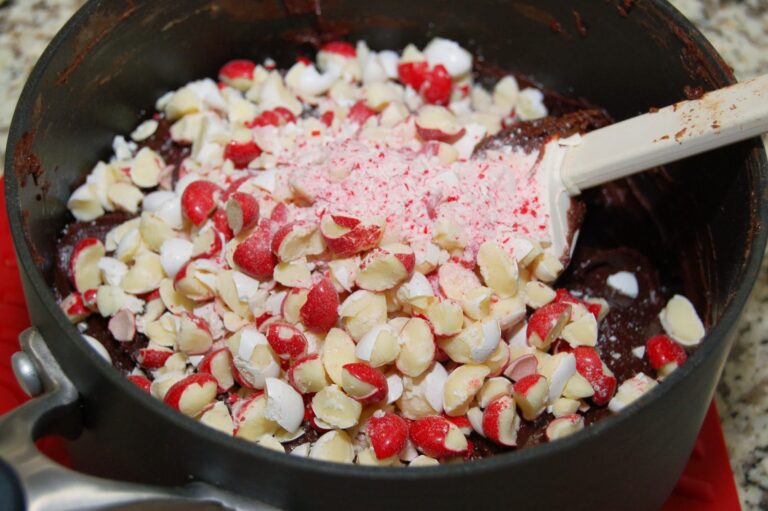

So what do you do when you have a bag of broken M&Ms? You make fudge! I was so excited to find Peppermint M&M’s this year, but then my butter fingers acted up again and I dropped one of the bags. So when I went to open it, I cried a little seeing my pretty M&Ms dented, chipped, and cracked.
I could have just eaten the bag and drowned my sorrows, but I may have ended up with peppermint overload. I do love peppermint, but it needs to be mixed with other flavors. The Peppermint Cheesecake Rice Krispie Treats I made before Thanksgiving are a perfect example of mixing up the flavors. This time, I mixed it up with chocolate. Peppermint and chocolate always go well together.

I hope everyone had a great Thanksgiving. I spent it with my family up north. The kids did very well on the 14 hour drive up. Thank goodness. I got to catch up with friends and family. Had a few date nights with the hubby since mom was available to watch the kids. It was fun, but the cold weather wasn’t. I was glad to come back to my new home down south. I don’t regret the move. I even drove by my old house to see if I missed it and I didn’t. I certainly don’t miss the kitchen, my new one has so much more room to work in.

Even though the M&Ms were a bit broken, I broke them up a little more to make more bit sized pieces.

I love how easy and fast this recipe is to put together. Just melt the chocolate with the condensed milk, then add the M&M’s and Peppermint Pigsy Dust.

Ahh..peppermint…the smell of Christmas. I know not everyone loves peppermint, but those that do will love this fudge.

I dressed up the top of the fudge with additional M&Ms. I think it looks pretty festive. I do like the combination of the white chocolate and peppermint in the M&Ms with the chocolate. This fudge would be great all dolled up in a box and given as a gift to a fellow peppermint lover for the holidays.
Chocolate Peppermint M&M Fudge
by The Sweet Chick
Prep Time: 15 minutes
Cook Time: 5-10 minutes
Keywords: no bake stove top dessert chocolate chips Peppermint M&Ms sweetened condensed milk Christmas fudge American winter
Ingredients (36 pieces)
- 3 cups semi-sweet chocolate chips
- 1 can (14 oz.) sweetened condensed milk
- 1 cup crushed Peppermint M&Ms
- 2 teaspoons Peppermint Pigsy Dust
Additional Toppings
- 36 Peppermint M&Ms
Instructions
In a medium saucepan over low heat, melt the chocolate chips and milk until smooth.
Remove from heat, stir in the M&Ms and Pigsy Dust until completely incorporated.
Then spread the mixture evenly onto a parchment paper lined 8″ x 8″ pan or glass dish.
If you wish, place additional M&M’s evenly across the mixture, pressing gently to make sure they adhere.
Place the container in the fridge and chill until set (about 2 hours).
Remove from fridge and gently lift the parchment paper to remove the fudge from the pan.
If the fudge is too hard to remove, let it sit out a room temperature for about a half hour and then remove it from the pan and slice it into squares.
Note: If you want straight edges, use a sharp knife and clean it after every cut. I also slice off about a quarter inch around the entire perimeter to get better squares. But don’t waste the slivers, keep them in the fridge and add them to your coffee or hot cocoa.
Related Posts






Subscribe for New Racipies
Get mental health tips, updates, and resources delivered to your inbox.