
Is Pumpkin Soup Acidic? A Comforting Meal or a Trigger?

Medically reviewed by Aneeza Pervez Updated Date: January 2, 2026
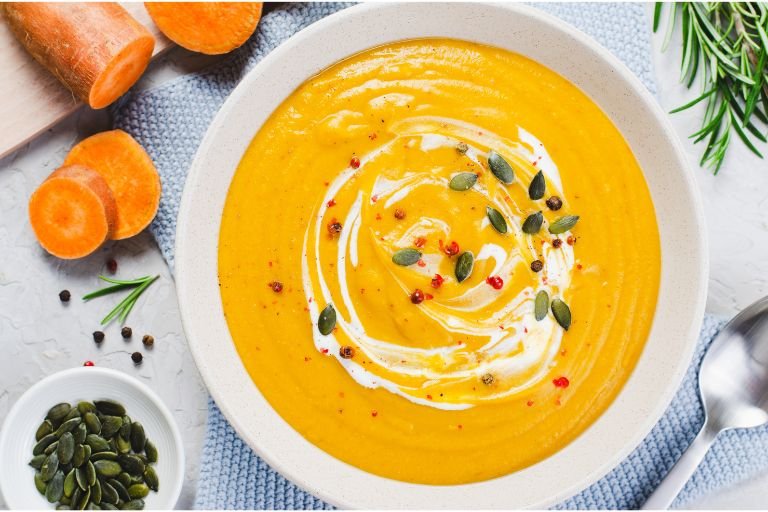
Pumpkin soup is a warm, creamy dish that many people enjoy during chilly weather or festive holidays. Its natural sweetness and smooth texture make it a favorite comfort food. But for those dealing with acid reflux or GERD (gastroesophageal reflux disease), the big question is: Is pumpkin soup acidic?
If you’re managing acid reflux, understanding how certain foods affect your symptoms is essential. In this article, we’ll explore whether pumpkin soup is acidic, how it impacts acid reflux, and how to make it reflux-friendly. We’ll also provide tips for enjoying pumpkin soup without discomfort and discuss its health benefits, making it a must-read for soup lovers who prioritize their digestive health.
What Makes a Food Acidic or Alkaline?
Before diving into the acidity of pumpkin soup, let’s understand what makes a food acidic or alkaline:
- Acidic Foods: Foods with a low pH level (below 7) are considered acidic. Examples include citrus fruits, tomatoes, and vinegar.
- Alkaline Foods: Foods with a pH level above 7 are alkaline. Examples include leafy greens, bananas, and cucumbers.
- Neutral Foods: Foods with a pH level close to 7 are considered neutral, such as water.
Is Pumpkin Soup Acidic?
1. The pH Level of Pumpkin
Pumpkin itself is slightly acidic, with a pH level between 4.9 and 5.5. However, this level of acidity is relatively mild compared to acidic foods like lemons or coffee.
2. How Pumpkin Soup’s Ingredients Affect Acidity
The overall acidity of pumpkin soup depends on the ingredients used in its preparation:
- Broth: Many recipes use chicken or vegetable broth, which are neutral to slightly acidic.
- Cream or Dairy: Adding cream or milk can slightly lower the acidity, making the soup more reflux-friendly.
- Spices and Seasonings: Acidic spices like chili powder or vinegar can increase the soup’s acidity and potentially trigger acid reflux.
3. Pumpkin Soup: A Reflux-Friendly Option?
Despite its mild acidity, pumpkin soup is often considered reflux-friendly due to its soothing texture, high nutrient content, and the ability to modify its ingredients to suit sensitive stomachs.
Related to Read: Is Pumpkin Puree Acidic?
Pumpkin Soup and Acid Reflux: Friend or Foe?
Acid reflux occurs when stomach acid flows back into the esophagus, causing symptoms like heartburn, chest discomfort, and a sour taste in the mouth. Certain foods can trigger or worsen these symptoms, but pumpkin soup might not be one of them.
1. Why Pumpkin Soup May Be Beneficial for Acid Reflux?
- Rich in Fiber: Pumpkin is high in fiber, which aids digestion and prevents constipation, a known reflux trigger.
- Low in Fat: Unlike creamy, heavy soups made with butter or cheese, pumpkin soup can be prepared with minimal fat, making it less likely to relax the lower esophageal sphincter (LES).
- Nutrient-Dense: Packed with vitamins A, C, and E, pumpkin helps heal and soothe irritated tissues in the digestive tract.
2. Potential Triggers in Pumpkin Soup
While pumpkin itself is mild, certain recipes may include ingredients that could trigger reflux:
- Spices: Black pepper, chili, or nutmeg may irritate the stomach lining.
- Acidic Additions: Ingredients like vinegar or tomato paste can increase the soup’s acidity.
- Portion Size: Overeating, even reflux-friendly foods, can trigger acid reflux by putting pressure on the stomach.
3. Individual Sensitivities
Each person reacts differently to foods. While many find pumpkin soup soothing, others may need to tweak the recipe or eat it in moderation to avoid symptoms.
How to Make Pumpkin Soup Reflux-Friendly?
If you’re a fan of pumpkin soup but worry about acid reflux, here’s how to make it more reflux-friendly:
1. Choose Gentle Ingredients
- Opt for low-acid broths or plant-based milk (like almond or oat milk) instead of heavy cream.
- Avoid using onions or garlic in the recipe, as they can trigger reflux in some individuals.
2. Skip Acidic Additions
- Refrain from adding vinegar, lemon juice, or tomato-based ingredients.
- Instead, use herbs like thyme, parsley, or dill for flavor.
3. Keep It Low-Fat
- Avoid adding excessive butter or oils. Stick to light olive oil if needed.
- Use a minimal amount of cream to keep the soup light.
4. Portion Control
Serve smaller portions to avoid putting unnecessary pressure on your stomach, which can trigger reflux symptoms.
5. Eat It Warm, Not Hot
Extremely hot foods can irritate the esophagus, so let your soup cool to a comfortable temperature before eating.
Reflux-Friendly Pumpkin Soup Recipe
Ingredients:
- 2 cups pumpkin puree (fresh or canned, unsweetened)
- 2 cups low-sodium vegetable broth
- 1 cup unsweetened almond milk (or another plant-based milk)
- 1 tbsp olive oil
- 1 tsp ground turmeric
- 1 tsp dried parsley
- Pinch of salt
Instructions:
- In a large pot, heat olive oil over medium heat.
- Add the pumpkin puree and stir gently for 2-3 minutes.
- Slowly add vegetable broth and almond milk, stirring continuously.
- Season with turmeric, parsley, and a pinch of salt. Avoid over-seasoning.
- Let the soup simmer for 10-15 minutes.
- Serve warm with a garnish of fresh parsley or a dollop of plant-based yogurt.
This simple, soothing recipe is perfect for anyone managing acid reflux.
Recipes: Pumpkin Spice Crepes with a Cinnamon Mascarpone Filling
Pumpkin Soynut Butter Chocolate Chip Cookies
Health Benefits of Pumpkin Soup for Acid Reflux
Pumpkin soup isn’t just delicious; it also offers numerous health benefits, especially for those dealing with digestive issues:
1. High in Antioxidants
Pumpkins are rich in beta-carotene, a powerful antioxidant that supports overall digestive health and reduces inflammation in the esophagus.
2. Supports Immune Health
The vitamin C content in pumpkin helps repair tissue damage in the esophagus caused by acid reflux.
3. Promotes Healthy Digestion
The natural fiber in pumpkin helps regulate bowel movements, reducing the risk of bloating and gas, which can worsen reflux.
4. Alkalizing Effect
While mildly acidic, pumpkin’s nutrient composition can have an alkalizing effect on the body, helping balance stomach acid.
FAQs About Pumpkin Soup and Acid Reflux
1. Is pumpkin soup acidic?
Pumpkin soup is mildly acidic but can be made reflux-friendly by avoiding trigger ingredients like spices and acidic additions.
2. Can pumpkin soup cause acid reflux?
Pumpkin soup is unlikely to cause acid reflux if prepared with gentle ingredients and consumed in moderation.
3. What makes pumpkin soup reflux-friendly?
Pumpkin soup is high in fiber, low in fat, and nutrient-dense, which helps support healthy digestion and reduces reflux risk.
4. Can I eat pumpkin soup every day?
Yes, but eat it in moderation and ensure it’s made with reflux-safe ingredients to avoid potential triggers.
5. Are canned pumpkins safe for acid reflux?
Canned pumpkin is safe for reflux if it’s unsweetened and free from added acids or preservatives.
Conclusion
Pumpkin soup is a mildly acidic, nutrient-rich dish that can be enjoyed by most individuals with acid reflux. By using reflux-friendly ingredients, avoiding trigger spices, and consuming it in moderation, you can savor this comforting soup without worrying about heartburn or discomfort.
Whether it’s for a cozy dinner or a festive celebration, pumpkin soup can be a satisfying, reflux-friendly meal. Try the tips and recipes in this guide to enjoy its flavor and benefits while keeping acid reflux at bay.
If you found this article helpful, share it with others who might be looking for reflux-safe dietary options!
Related Posts






Subscribe for New Racipies
Get mental health tips, updates, and resources delivered to your inbox.
Chicken Quesadilla Wonton Cups



Hope everyone had a nice Easter. We finally had some nice weather here. We were able to spend some time outdoors. The bunny dropped off a few gifts for the kids and left them some jelly bean filled eggs to search for. The kids and I made an Easter cake with some green tinted coconut and Peep bunnies. You can see the pictures on my Instagram. I was going to make a baked ham with maple syrup for dinner with some mashed potatoes and carrots, but I ended up donating all of it to my neighbors and their unexpected guests. We had burgers on the grill instead. Not very Easter-ish, but so very good. Now I am getting ready for the next holiday, Cinco de Mayo, with some Chicken Quesadilla Wonton Cups.

My family had really loved the Chicken Parmesan Wonton Cups I made a back in January, so I was excited to try another version. We eat a lot of chicken quesadillas, so why not try it in a wonton cup.
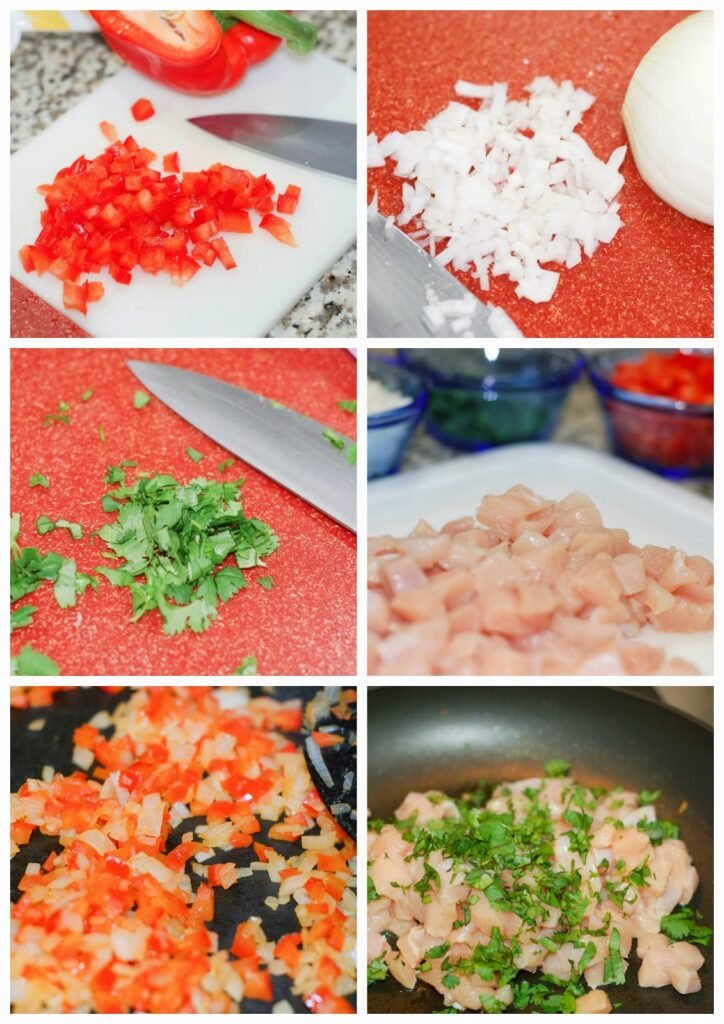
I usually use dried cilantro in my quesadillas, but I wanted to try fresh cilantro this time. It smells so good and even the leaf by itself tastes good. The only other seasoning I added was Sazon Goya with coriander and annatto. It adds a lot of great flavor and turns the chicken a pretty orange color. You can find it with other Goya products in the grocery store or you can make your own version here.

I also added some black beans to the mix. These came seasoned in the can, but you can get the plain ones too. Before filling the wonton wraps, you do need to pre-bake them for about 7 minutes. I just pop them in while I am mixing all the filling together.

Then it’s time to start layering. Sprinkle a little cheese on the bottom of each wonton cup, then add the chicken filling, and finally a little bit more cheese.

These came out even better than anticipated. The fresh cilantro made such a big difference in the flavor. I couldn’t stop eating them. I am convinced that everything tastes better in a wonton cup. My husband ate his plain, but I topped mine with a dollop of sour cream and chopped tomatoes. You can also top it with a little bit of salsa or guacamole. These Chicken Quesadilla Wonton Cups would make a great appetizer for a Cinco de Mayo party or any party. You can set up a little bar where guests can add their own toppings.

I am making myself hungry just by looking at these pictures. I think I need to make some more of these very soon.
Chicken Quesadilla Wonton Cups
by The Sweet Chick
Prep Time: 15-20 minutes
Cook Time: 25-30 minutes
Keywords: bake appetizer snack chicken cheese cilantro wonton wraps Cinco de Mayo Mexican Southwest spring
Ingredients (36 wonton cups)
For the wonton cups
- 2-4 teaspoons vegetable oil
- 1/2 cup finely chopped onion
- 1/2 cup finely chopped red pepper
- 1 lb boneless, skinless chicken breast, chopped
- 2 tablespoons chopped, fresh cilantro
- 1 packet Sazon Goya con Culantro y Achiote (coriander & annatto)
- 1/2 cup canned black beans (seasoned or plain)
- 1 package (8 oz.) shredded mexican cheese blend (Sargento or Kraft brands are good)
- 36 wonton wrappers
Optional toppings
- finely chopped tomatoes
- sour cream
- fresh cilantro
- guacamole
- salsa
Instructions
For the wonton cups
Preheat oven to 350°F.
In a medium skillet over medium/medium low heat, place 1 teaspoon oil and let warm up for 1-2 minutes.
Add chopped onion and pepper and cook until soft. About 6-8 minutes (Add another teaspoon of oil if needed). Then remove from pan and set aside.
Add a teaspoon of oil, chopped chicken, and cilantro to the pan, sprinkle with the Sazon Goya and cook thoroughly. Approximately 6-8 minutes on the same heat setting.
Remove from pan, drain, and place in a medium bowl. Add the onion, peppers, and beans to the chicken and mix until well blended.
Line greased mini muffin tins with the wonton wraps, pressing down gently to mold the shape.
Place wraps in the oven and bake for 7 minutes, then remove.
Add a pinch of shredded cheese to the bottoms of each cup, then with a spoon, evenly distribute the chicken mixture on top of the cheese.
Sprinkle the remaining cheese over the chicken mixture, evenly distributing over each wonton cup.
Place the wonton cups in the oven and bake at 350°F for 10 minutes or until cheese melts.
Remove from oven and allow to cool slightly before carefully removing from muffin tin. Serve warm.
Optional toppings
You can eat them plain or top them with chopped tomatoes, a dollop of sour cream, a bit of fresh chopped cilantro, guacamole, or salsa. Either way enjoy!
This recipe may be shared at these fabulous parties.
Related Posts





Subscribe for New Racipies
Get mental health tips, updates, and resources delivered to your inbox.