
Kale Avocado Salad, And Searching, Searching

Medically reviewed by Christiana George Updated Date: January 2, 2026
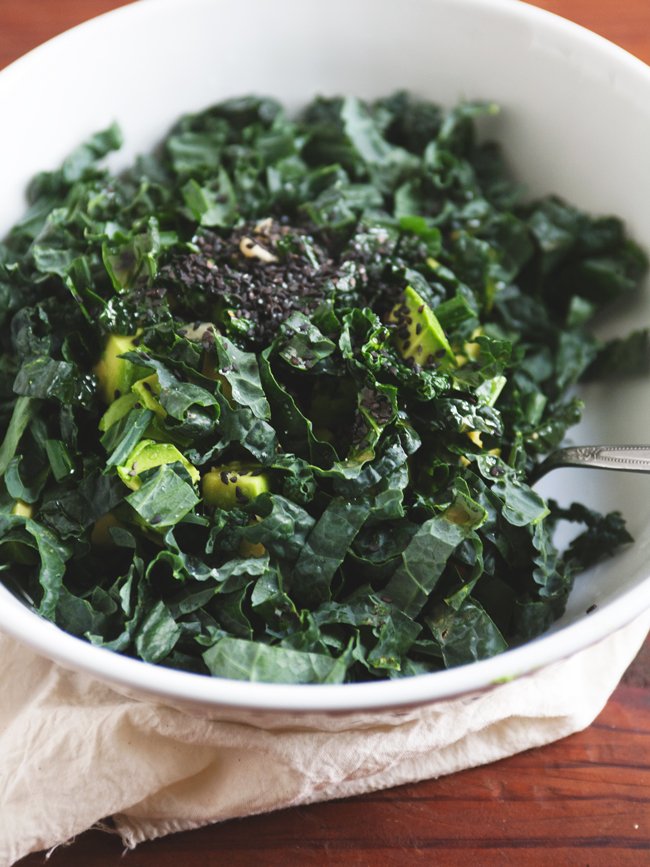
There’s a certain urgency I feel when I’m at the farmer’s market and I’m deciding what I want to buy, and it’s not a good urgency. It’s the urgency caused by a thousand heads of kale peeking out at me from the reusable bags of their well-intentioned shoppers. It’s an urgency that then leads me to examine the many varieties of kale that are on sale, trying to overcome the fact that I find most vegetables utterly repugnant. It’s an urgency that brings out feelings of guilt and anxiety and SHAME, because no self-respecting adult should feel so abhorrent towards plants and their nutritional content.
I guess I have an uneasy relationship with vegetables. Kale, with its gray-green and fibrous leaves, exemplifies everything funny I feel towards them. I want to like it though, and therein lies the problem. I mean, it’s a pretty cool vegetable: its color makes me swoon, its texture reminds me of the skin of a dinosaur, and it’s so damn healthy it hurts. I just can’t get over the taste.
So what else is a person to do in such a situation except brute force it? Try as many kale recipes as possible until she finds one to her liking? That’s what I’ve been trying to do, and this recipe is a step forward in my learning to like it.

It originally caught my eye because of the pairing of kale with avocado. Um, I love avocado. Avocado has the power to correct the taste of anything, just like tomatoes, or soy sauce. Avocado makes me think of California. It also makes me think of Chile, except it’s called palta there and Chileans pile it on hot dogs and it is delicious.
So wouldn’t it make perfect sense that avocado complements kale? In the salad, creamy countered tough… and what a successful experiment in contrasts it was. Along with the citrus-y dressing, this salad mellowed the toughness of the kale with notes of sweet and tart.
It was lovely. I ate the whole thing singlehandedly! Also, if you don’t mind the discoloration of avocado, it tastes better after you’ve left the flavors hang out together for awhile. It was delicious with scrambled eggs for lunch.
I’ll keep searching (a blessing and a curse, never being satisfied with a recipe) but it’s good to know that I’ve got a solid kale recipe in my arsenal.

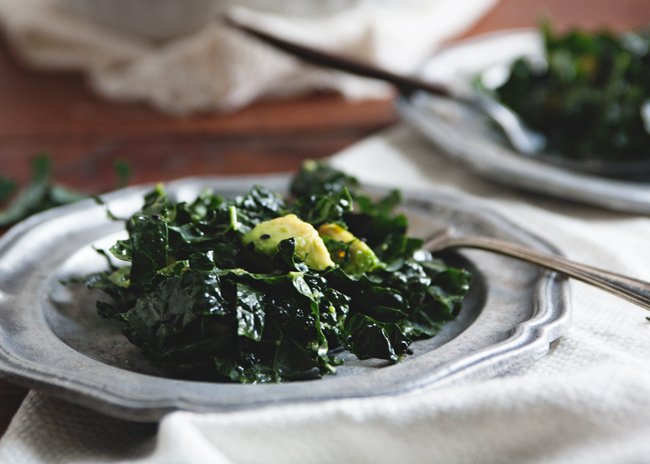
KALE AVOCADO SALAD
Adapted from Saveur
Serves 6
Ingredients:
- 1⁄2 cup orange juice
- 3 Tbsp fresh lemon juice
- 2 tsp soy sauce
- 1 clove garlic, smashed and chopped into a paste
- 4 Tbsp extra-virgin olive oil
- 2 avocados, halved, pitted, and peeled
- 2 Tbsp black sesame seeds
- 1 bunch kale (about 3⁄4 lb.), stemmed and finely chopped
- Kosher salt and freshly ground black pepper, to taste
Directions:
Whisk together juices, soy sauce, and garlic in a bowl. Slowly whisk in oil. Set aside.
Cut the avocados into 1⁄2″ cubes. Put cubed avocados, half sesame seeds, and kale into a serving bowl. Toss kale mixture with dressing and season generously with salt and pepper.
Related Posts



Subscribe for New Racipies
Get mental health tips, updates, and resources delivered to your inbox.
Are Yellow Beans Acidic? Yellow Beans and Acid Reflux

Introduction to Yellow Beans and Digestive Health
Yellow beans, often referred to as wax beans, are a variety of green beans known for their vibrant color, mild flavor, and versatility in cooking. These beans are rich in nutrients and low in calories, making them a popular choice for healthy meals. However, for individuals managing acid reflux or GERD (gastroesophageal reflux disease), it’s important to determine whether yellow beans are acidic and how they impact digestion.
This article explores the acidity of yellow beans, their effect on acid reflux, and the best ways to include them in a reflux-friendly diet.
Nutritional Profile of Yellow Beans
Yellow beans are nutrient-dense and packed with vitamins, minerals, and antioxidants. Here’s what you get in a 1-cup serving (about 125 grams) of cooked yellow beans:
- Calories: 44
- Carbohydrates: 10 grams
- Protein: 2.5 grams
- Fiber: 4 grams, promoting gut health and digestion.
- Vitamin C: 20% of the daily recommended intake, supporting immunity and tissue repair.
- Vitamin A: Essential for skin and eye health.
- Potassium: Helps regulate blood pressure and muscle function.
- Iron: Supports red blood cell production and oxygen transport.
Yellow beans are also low in fat, making them an excellent choice for a heart-healthy diet.
Understanding the Acidity of Yellow Beans
Are Yellow Beans Acidic or Alkaline?
Yellow beans are considered mildly alkaline to neutral, with a pH range of approximately 6.0 to 6.5. This makes them a low-acid food, suitable for individuals with acid reflux or those following a low-acid diet.
Why Yellow Beans Are Gentle on Digestion?
- Low Acidity: Their mild pH level means they are less likely to trigger acid reflux compared to highly acidic foods.
- High Fiber Content: Fiber promotes smooth digestion and prevents symptoms like bloating and constipation, which can aggravate reflux.
- High Water Content: Hydrating and easy to digest, yellow beans are gentle on the stomach.
Related to Read: Are Black Beans Acidic?
Yellow Beans and Acid Reflux
Do Yellow Beans Trigger Acid Reflux?
Yellow beans are unlikely to trigger acid reflux because of their low acidity and high nutritional value. Unlike spicy, fatty, or acidic foods, yellow beans are easy on the digestive system and can be safely included in a reflux-friendly diet.
Benefits of Yellow Beans for Acid Reflux
- Promotes Digestive Health: The fiber in yellow beans supports gut motility and helps prevent conditions like bloating and indigestion.
- Low Fat Content: High-fat foods often worsen reflux symptoms, but yellow beans are naturally low in fat.
- Anti-Inflammatory Properties: Antioxidants in yellow beans may reduce inflammation in the digestive tract.
Potential Concerns
While yellow beans are generally safe, eating them in large quantities may cause gas or bloating in sensitive individuals, which can indirectly aggravate reflux symptoms. Cooking beans thoroughly and eating them in moderation can help minimize these effects.
Related to Read: Are Lima Beans Good for Acid Reflux?
How to Safely Include Yellow Beans in a GERD-Friendly Diet?
To maximize the benefits of yellow beans without triggering reflux, follow these tips:
Cooked vs. Raw Yellow Beans
Cooking yellow beans softens their fibers, making them easier to digest. Steaming, boiling, or sautéing are preferred methods for preparing them in a reflux-friendly way.
Portion Control
Stick to moderate servings—about 1 cup per meal. Overeating, even low-acid foods like yellow beans, can put pressure on the stomach and worsen reflux.
Pair with Non-Acidic Foods
Combine yellow beans with alkaline or neutral foods such as quinoa, chicken, or leafy greens for a balanced and reflux-safe meal.
Avoid High-Fat Preparations
Skip frying or adding heavy cream-based sauces to yellow beans. Instead, use olive oil and herbs for flavor without triggering reflux.
Author Tip: 7 Kinds of Foods to Avoid with GERD
Delicious and GERD-Friendly Yellow Bean Recipes
Steamed Yellow Beans with Olive Oil
- Ingredients: Yellow beans, olive oil, and a pinch of salt.
- Preparation: Steam the beans until tender, then drizzle with olive oil and sprinkle with salt for a light, reflux-friendly side dish.
Yellow Bean Stir-Fry
- Ingredients: Yellow beans, zucchini, and carrots sautéed in a small amount of olive oil.
- Preparation: Stir-fry the vegetables over medium heat until tender. Avoid using spicy or acidic sauces.
Yellow Bean and Quinoa Salad
- Ingredients: Cooked yellow beans, quinoa, and fresh spinach.
- Preparation: Toss the ingredients with a light olive oil dressing for a nutritious and reflux-safe meal.
Health Benefits of Yellow Beans Beyond Acid Reflux
Yellow beans offer numerous health benefits that extend beyond their role in managing acid reflux:
- Supports Weight Management: Low in calories and high in fiber, yellow beans promote satiety and help with weight control.
- Boosts Heart Health: The potassium and fiber in yellow beans support healthy blood pressure and cholesterol levels.
- Enhances Immunity: Vitamin C strengthens the immune system and aids in wound healing.
- Promotes Bone Health: Vitamin K and calcium in yellow beans support strong bones and prevent bone-related conditions.
Tips for Managing Acid Reflux
While yellow beans are a great addition to a reflux-friendly diet, managing acid reflux often requires additional lifestyle adjustments:
- Eat Smaller, More Frequent Meals: Large meals can increase stomach pressure and worsen reflux.
- Avoid Trigger Foods: Stay away from spicy, fatty, or highly acidic foods like citrus and tomatoes.
- Stay Upright After Eating: Wait at least 2–3 hours before lying down to prevent acid backflow.
- Elevate Your Head While Sleeping: Use a wedge pillow or raise the head of your bed to reduce nighttime reflux.
- Drink Water Throughout the Day: Hydration supports digestion but avoid drinking large amounts during meals to prevent bloating.
Author Tip: 7-Day Meal Plan For Gastritis
Conclusion
Yellow beans are a mildly alkaline, nutrient-rich vegetable that can be safely enjoyed by individuals with acid reflux or GERD. Their low acidity, high fiber content, and ease of digestion make them an excellent choice for a reflux-friendly diet. By cooking yellow beans properly and pairing them with non-acidic foods, you can enjoy their health benefits without triggering discomfort.
FAQs
Are yellow beans acidic or alkaline?
Yellow beans are mildly alkaline to neutral, with a pH range of 6.0 to 6.5.
Can yellow beans trigger acid reflux?
Yellow beans are unlikely to trigger acid reflux due to their low acidity and high nutritional value.
Is it better to eat cooked or raw yellow beans for acid reflux?
Cooked yellow beans are easier to digest and less likely to cause discomfort compared to raw beans.
How much yellow beans can I eat with GERD?
Stick to moderate portions, about 1 cup per meal, to avoid overloading your stomach.
Can yellow beans be included in a low-acid diet?
Yes, their mild alkalinity and digestive benefits make them an excellent choice for a low-acid diet.
Related Posts



Subscribe for New Racipies
Get mental health tips, updates, and resources delivered to your inbox.