
Citrus Salad With Rosemary And Olives

Medically reviewed by Christiana George Updated Date: January 6, 2026

My favorite food group is fruit, and citruses are probably my favorite fruit group. While the fruit world never fails to delight, I think we need their effervescence most this time of the year. Their brightness counterbalances the season’s otherwise drab palette (which a visit to the farmer’s market demonstrates with rows and rows of… potatoes), and I could eat them endlessly.
If there’s one time where I truly feel food is too beautiful to eat, it’s now.
I am newly but officially in love with Cara Cara oranges. You would never guess that such an ordinary exterior gives way to the most vividly orange interior. And they taste so perfect, as sweet as can be. Blood oranges are pretty rad themselves. Their brilliant flesh intensifies any salad, flashes of ruby red and very showy. And meyer lemons, well, given this blog’s name, I think it’s pretty clear where I stand on lemons.
Unfortunately, they’re not very easy to come by here in New York. But that fact only makes them dearer. In fact, I think the overall inaccessibility of fruit has only emphasized just how important they are to me.
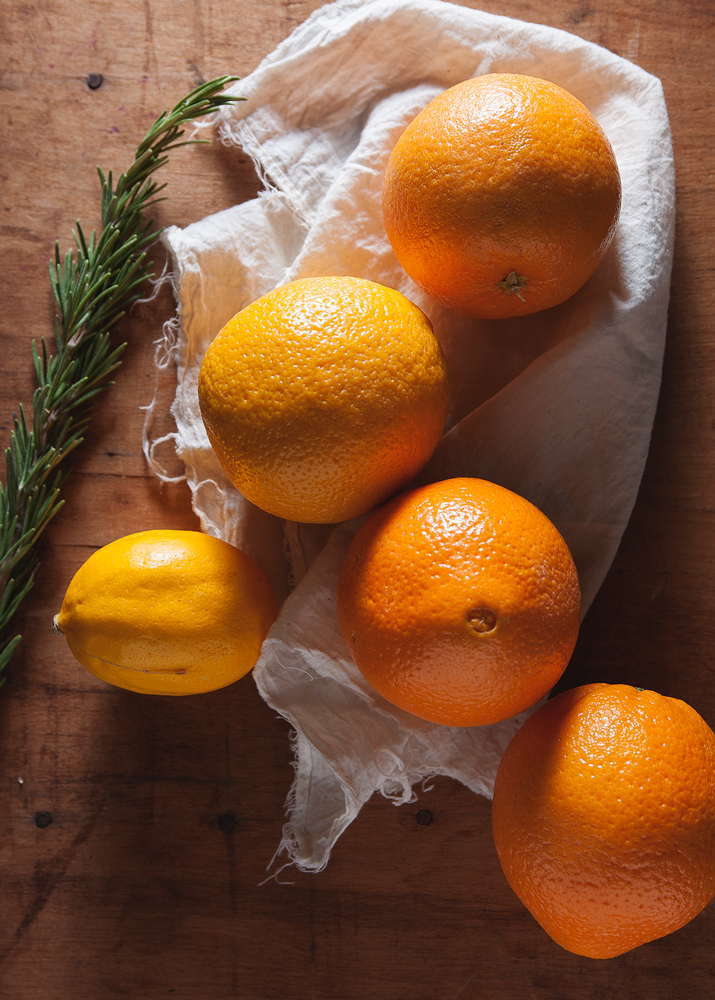
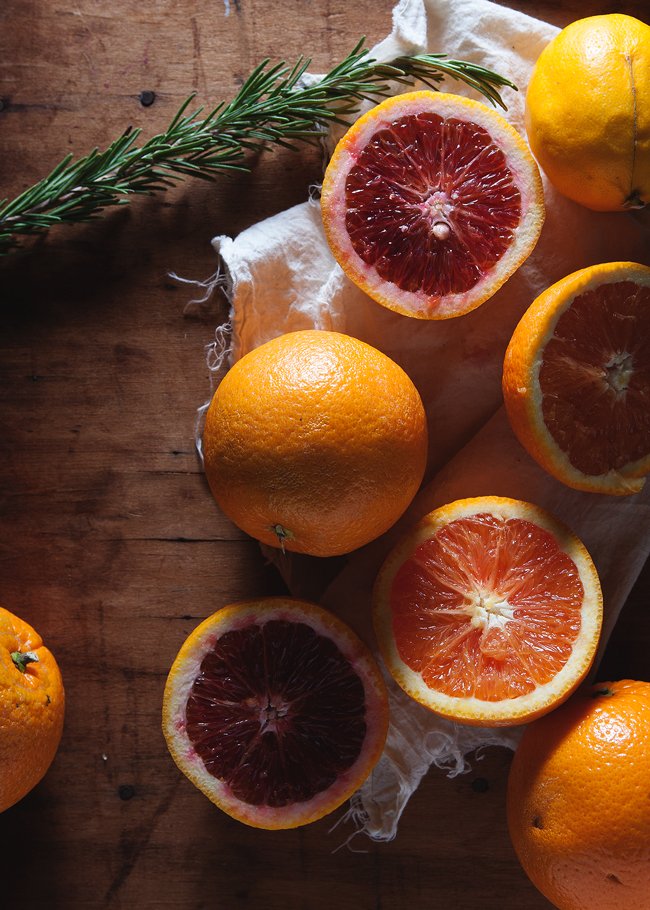
This salad is exactly what you should be eating now. We’re all coming out of the previous year feeling slightly shameful of our holiday excess, with renewed vows to eat thoughtfully and healthily. It’s like citruses came along just in time to save the day.
To keep this from being a fruit salad, by which I mean inherently sweet, there’s a fried rosemary and olive topping that adds just the right note of bitterness. I also decided to put everything over a bed of arugula and generously sprinkle sea salt on top, which heightens this salad’s savory nature. And with the addition Meyer lemon, I believe we cover all of the basic tastes: bitterness, sweetness, sourness, and saltiness. (Don’t mention umami, okay? Unless you want to throw in some mushrooms and call it a day.)

I’ll leave you with this quote from The Shipping News. I think it pretty much sums up my spirit:
“Suddenly he could see his father, see the trail of ground cherry husks leading from the garden around the edge of the lawn where he walked while he ate them. The man had a passion for fruit. Quoyle remembered purple-brown seckle pears the size and shape of figs, his father taking the meat off with pecking bites, the smell of fruit in their house, litter of cores and peels in the ashtrays, the grape cluster skeletons, peach stones like hens’ brains on the windowsill, the glove of banana peel on the car dashboard. In the sawdust on the basement workbench galaxies of seeds and pits, cherry stones, long white date pits like spaceships. strawberries in the refrigerator, and in June the car parked on a country road and the father on his knees picking wild strawberries in the weeds. The hollowed grapefruit skullcaps, cracked globes of tangerine peel.”




CITRUS SALAD WITH ROSEMARY AND OLIVES
From Bon Appétit
Serves 3 to 4
Ingredients
Vegetable oil
2 3-inch sprigs of rosemary
kosher salt
5 pitted, oil-cured black olives
2 cara cara oranges
2 blood oranges
1 meyer lemon
extra virgin olive oil
freshly-ground black pepper
a handful of arugula per person
Directions
Pour vegetable oil into a small heavy saucepan to a depth of 1/2-inch and turn on stove to medium. Using a deep-fry thermometer, heat the oil until it reaches 350 degrees F. Add the rosemary sprigs to oil and fry until crisp and bright green, 10 to 15 seconds.
Transfer to a paper towel–lined plate and season lightly with kosher salt. Add 10 pitted oil-cured black olives to oil; fry until bubbling stops, about 4 minutes. Place on plate with rosemary. Strip rosemary leaves from sprigs; mince. Chop olives.
Using a small, sharp knife, cut peel and white pith from the oranges and lemon. Cut crosswise into 1/2-inch rounds.
Put a bed of arugula on a serving plate. Arrange the citruses over. Season lightly with salt and freshly ground black pepper. Drizzle lightly with olive oil. Sprinkle chopped rosemary and olives over oranges.
Related Posts





Subscribe for New Racipies
Get mental health tips, updates, and resources delivered to your inbox.
Are Avocado Toasts Acidic? Understanding the Debate

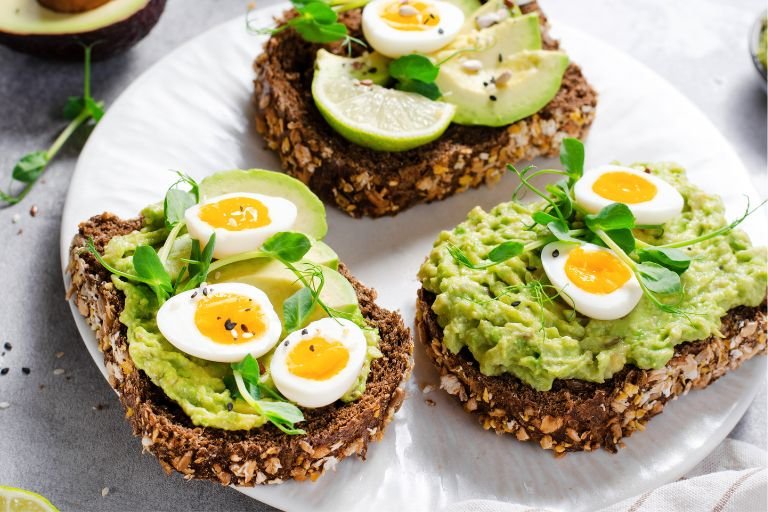
Avocado toast has taken the culinary world by storm, becoming a beloved breakfast and brunch staple for millions. Its unique combination of creamy avocado and crispy bread is not just delicious but also packed with nutritional benefits. However, many questions arise about this trendy dish: are avocado toasts acidic or alkaline? Does it cause acid reflux? What makes it so popular? In this guide, we’ll dive deep into the science, myths, and benefits of avocado toast, exploring how it impacts digestion and overall health.
Whether you’re an avocado toast enthusiast or curious about its growing fame, this post will provide everything you need to know to enjoy it without any digestive discomfort.
Why Is Avocado Toast a Popular Choice?
The Rise of Avocado Toast in Breakfast Culture
Avocado toast has become a cultural phenomenon, making appearances in brunch menus worldwide. But how did this humble dish gain such widespread fame? The trend started in the early 2010s, spurred by social media influencers flaunting its vibrant green aesthetic. Beyond the Instagram appeal, it resonated with people seeking a healthy, simple, and delicious breakfast option.
Nutritional Profile of Avocado and Bread
Avocado is packed with healthy monounsaturated fats, fiber, vitamins like B6 and K, and minerals like potassium. Meanwhile, bread, especially whole-grain varieties, provides complex carbs and additional fiber. Together, they create a balanced meal that keeps you satiated for hours.
Common Misconceptions About Its Health Benefits
Despite its nutritional perks, avocado toast isn’t a magical superfood. Some think it’s inherently low-calorie or suitable for all diets, but portion control is key. Overloading on avocados or pairing them with refined bread can offset its health benefits.
Is Avocado Toast Acidic or Alkaline?
The Chemical Properties of Avocados
Avocados are slightly alkaline-forming due to their mineral content, particularly potassium and magnesium. However, the exact impact on the body’s pH depends on the individual’s overall diet.
How Bread Impacts the pH Balance of Avocado Toast
Bread, particularly refined white bread, is slightly acidic. Combining avocado with whole-grain bread, which is less acidic, can create a more balanced meal.
Scientific Insights Into Digestion and Acid Reflux
Research suggests that while avocados are not a common trigger for acid reflux, the way they’re prepared matters. Pairing them with high-fat spreads or heavy toppings could exacerbate symptoms in sensitive individuals.
Related to Read: Are Avocados Acidic and Good for Acid Reflux?
Avocado Toast and Acid Reflux: Friend or Foe?
Do Avocados Worsen Acid Reflux Symptoms?
For most people, avocados are unlikely to trigger acid reflux. However, their high-fat content might cause discomfort in individuals with GERD.
Preparing Avocado Toast to Minimize Acidity Risks
To make avocado toast reflux-friendly, avoid adding acidic toppings like tomatoes or citrus. Stick to calming additions like cucumber slices or a drizzle of olive oil.
Ideal Toppings and Ingredients to Neutralize Stomach Acid
Sprinkle alkaline-rich chia seeds or layer on banana slices for a soothing twist. A touch of honey can also add sweetness while maintaining stomach balance.
Is Avocado Toast Good for an Upset Stomach?
Digestive Benefits of Avocados and Whole Grains
Avocado’s fiber and healthy fats can support digestion, while whole-grain bread promotes gut health. This duo can be a gentle option for sensitive stomachs when eaten in moderation.
When Avocado Toast Might Aggravate Stomach Discomfort
For some, the richness of avocados may feel heavy, especially if consumed in large quantities. Toast topped with spicy ingredients or extra oil may also be hard to digest during stomach upset.
Alternative Easy-to-Digest Recipes
For a lighter option, mash avocado with a pinch of salt and spread it on gluten-free or rice crackers. This is easier to digest while still flavorful.
Why Shouldn’t You Eat Avocado Toast in the Morning?
Exploring Myths About Morning Consumption
Contrary to popular belief, avocado toast isn’t universally suitable for every morning. While nutritious, it might not align with certain digestive patterns or energy needs.
Timing and Portion Sizes Matter
Eating too much avocado early in the day can cause sluggishness due to its high-fat content. Sticking to half an avocado and pairing it with lean protein like eggs can be more energizing.
Potential Downsides of Morning Avocado Toast
For individuals sensitive to fats, avocados may trigger mild discomfort if consumed first thing in the morning. Adjusting portion sizes or saving it for a mid-morning snack can help.
Why Avocado Might Not Be Good for You?
Rare Cases of Avocado Intolerance
Some individuals experience mild allergies or digestive reactions to avocados. Symptoms may include bloating or nausea after consumption.
High-Calorie Content and Its Impact
Avocados are nutrient-dense but calorie-rich. Consuming them excessively can hinder weight-loss goals or lead to overconsumption of fats.
Popular Controversies Around Avocados
One buzz worthy claim is that “avocados are killing the environment.” The water-intensive farming practices associated with avocado production have sparked debates about sustainability.
The Benefits and Myths About Avocado
Exploring “Benefits of Avocado Sexually”
Avocados are rumored to boost sexual health due to their high vitamin E content and heart-friendly fats. While there’s no direct scientific link, their role in promoting overall health is undeniable.
Nutritional Advantages Beyond Acidity Concerns
From supporting heart health to improving skin elasticity, avocados are a powerhouse of nutrients that go beyond their alkalinity debate.
Tips for Consuming Avocados Without Risks
Stick to ripe avocados, store them properly to avoid spoilage, and pair them with complementary foods to maximize their benefits.
Foods That Neutralize Stomach Acid Immediately
Quick Remedies for Acid Reflux and Stomach Discomfort
Sometimes, stomach acid can strike when you least expect it. To calm this discomfort, certain foods work wonders in neutralizing excess acidity. Options like bananas, oatmeal, ginger tea, and even chewing sugar-free gum can provide quick relief. These foods are easy on the stomach and help maintain balance in your digestive system.
Complementary Foods to Pair with Avocado Toast
To enhance the alkalinity of avocado toast, consider pairing it with toppings that naturally reduce acidity. Sliced cucumbers, steamed spinach, or a sprinkle of chia seeds can add flavor while improving digestive harmony. A drizzle of honey or almond butter also introduces mild sweetness without overwhelming your stomach.
List of Alkaline Foods for Better Digestive Balance
Incorporating alkaline foods into your diet promotes better gut health. Alkaline options like leafy greens, sweet potatoes, and melon are not only nutrient-dense but also work harmoniously with avocado toast. Drinking water with lemon (though initially acidic) metabolizes into an alkaline state, helping balance pH levels effectively.
Author Tip: 7-Day Meal Plan For Gastritis
FAQs
Is It Healthy to Eat Avocado Toast Every Day?
Eating avocado toast daily can be healthy if you maintain portion control and variety in your toppings. Avocados are nutrient-packed, offering essential fats, fiber, and vitamins. However, balance is key. Consider alternating with other nutrient-dense meals to avoid overloading on calories or fats.
What are the Benefits of Consistent Avocado Consumption?
Regular consumption of avocados can support heart health, improve skin elasticity, and even aid in weight management due to their satiating properties. They’re also rich in potassium, helping maintain electrolyte balance.
How to Balance with Other Dietary Requirements?
While avocados are healthy, they shouldn’t overshadow other food groups. Pair your avocado toast with lean proteins or a side of fresh fruit to create a well-rounded meal. This ensures you’re getting a variety of nutrients essential for overall health.
Why Do People Scoff at Avocado Toast When Avocados Are Cheap and Nutritious?
Avocado toast often gets labeled as overpriced or pretentious because it’s become a symbol of trendy eating habits. However, the cost-effectiveness depends on location and preparation methods.
How to Make Avocado Toast Affordable?
Buy avocados in bulk during their peak season, store them correctly to avoid waste, and use whole-grain bread from local bakeries or homemade recipes. Adding seasonal vegetables or leftover toppings can further cut costs while keeping it nutritious.
What Other Ingredients Can I Add to Avocado Toast?
Avocado toast serves as a blank canvas, making it versatile for various dietary preferences and flavors.
Creative Toppings for Added Flavor and Nutrition
For a protein boost, add a poached egg, smoked salmon, or tofu scramble. Veggies like roasted peppers, cherry tomatoes, or sautéed mushrooms can elevate the dish. Want a little sweetness? Sliced strawberries or pomegranate seeds add a delightful twist.
Balancing Acidity with Alkalizing Options
Neutralize potential acidity by adding alkalizing ingredients such as kale, zucchini ribbons, or sprouts. A sprinkle of nuts or seeds not only enhances crunch but also contributes to a balanced pH.
Why Is Avocado Toast So Popular?
The popularity of avocado toast transcends its taste. Its rise reflects broader societal shifts toward health-conscious eating and visual appeal in food.
What Other Ingredients Can I Add to Avocado Toast?
Avocado toast is a versatile base for endless creative toppings. For added protein, try a poached egg, smoked salmon, or tofu scramble. Boost flavor with roasted peppers, cherry tomatoes, or sautéed mushrooms. Balance acidity with alkalizing options like kale, zucchini ribbons, or sprouts. For a sweet twist, add strawberries or pomegranate seeds.
Final Note
Avocado toast is more than just a breakfast trend—it’s a versatile, nutritious dish that can fit into a variety of dietary patterns. By understanding how to balance its acidity, complement its flavors with the right toppings, and optimize its nutritional value, you can enjoy this dish without guilt or digestive discomfort.
Experiment with creative combinations, keep portion sizes in check, and most importantly, listen to your body’s needs. Whether you’re indulging in a classic preparation or trying a bold twist, avocado toast can remain a delicious and healthful part of your routine.
Related Posts



Subscribe for New Racipies
Get mental health tips, updates, and resources delivered to your inbox.