
Sour Cherry Popsicles

Medically reviewed by Christiana George Updated Date: June 8, 2023

Three siblings, the oldest not being over twelve, live across the street from me. I know their names by heart because I frequently hear their mom or dad yelling at them from the stoop. “I’m counting to three, and you guys had better be ready!” Dad yells every morning. “Stop pushing your little sister and hurry up!” is Mom’s constant refrain in the evenings. I can’t really imagine their life beyond these snapshots, so in my mind, they’re in a constant state of being scolded.
Life’s tough for a kid, you know? The fetters of childhood, with its enforced bedtimes, endless rules, constant nagging, can really wear away at a person after awhile. My mom excelled at telling my sister and me what to do, and we’d wear her rules like chain mail (protective but heavy as hell). I especially remember wishing I could eat sweets whenever I wanted. I wished it fiercely actually. But chocolate bars were pretty much out of the question except around Halloween and Valentine’s Day, cake was sequestered to birthdays, and ice cream was a summer afternoon activity only.
Then I went away to college, where I spent a majority of my first year’s meal points on the junkiest food I could get my hands on. Freshman Fifteen is not a myth people. I got a little tubby. I went home that summer and walked it all off, vowing to myself that I’d never practice such hedonism ever again. Some lessons have to be learned the hard way.
Now that I’m a mature adult, I’ve finally got a handle on my mom’s perspective. Kids should not be able to do whatever they want. Rules are there for a reason. Imagine if the kids across the street had no parents to stop them from being late for school or bullying their little sister! Imagine if I’d allowed my sweet tooth to run rampant! It’s a funny thing when your thinking switches gears and you start weighing consequences and repercussions, practicing moderation.

I’m pretty sure I would’ve loved these popsicles as a kid, but the beauty of them is that they’re made almost completely from real fruit. What kind of treat works out so perfectly like that? They’re able to be enjoyed guilt-free by both children and adults like.
I have to confess, I didn’t think much of sour cherries when I first saw them. They’re soft and small, the runt of the cherry family. And their color, averaging around fire engine red, screams under-ripe. In short, they go against my every intuition as a cook and as an eater. But temper them with a bit of sugar, and the flavor pops. It’s distinctively cherry, but with undertones of warm spices. I can see why they’re beloved by pie- and jam-makers alike.
Be warned though: sour cherries live the shortest of lives. They blink in and out of existence in a matter of weeks. Our season’s over already, but perhaps you can still find them in your markets? If not, save this recipe for next year because it’s incredibly easy and indulgent. In a good way.

I wanted to end this post with a bit of a catch-up, as it’s just now hitting me how long it’s been since my last post. This summer has whizzed by in its customary manner, hasn’t it?
I guess the biggest announcement I should make—although it’s terribly overdue—is that my blog turned two! In June! I’m horrible at this sentimental stuff, but suffice it to say, this sweet little space means so very much to me. It’s taken on a life of its own, and in the process, exposed me to the whole exhilarating world of food blogging. Thank you for hanging in there, dear readers!
Likewise, the opportunities that have come my way have been kind of mind-boggling. The most recent is just a little too much: I shot my first cookbook! And not my own! It’ll come out next spring, a book all about healthy (and delicious!) smoothies. I don’t want to say too much about it, but thank you to those who made it possible! My heart overflows with appreciation.
And finally, the people I’ve met! This summer has consisted of a string of blogger meetings (good food always the backdrop). And the people behind some of my favorite blogs are just as wonderful as I imagined, which I already knew in my heart to be true, because how could you not share your very essence when pouring all your patience and love into a task as all-consuming as blogging? I can now call them real-life friends. Thank you, lovely people you! I hope I get the chance to meet many more of you in the future (Brianne, I’m lookin’ at you especially)!

SOUR CHERRY POPSICLES
Makes 8 1/3-cup size popsicles
Ingredients:
2/3 cup water
2/3 cup sugar
3 cups pitted sour cherries (a little over a pound of whole cherries)
Directions:
Make a simple syrup by cooking the sugar and water in a small saucepan until the sugar dissolves, stirring a few times. Turn off the heat and let the syrup cool to room temperature.
Process the cherries in a food processor or with an immersion blender until completely blended. You should have about 2 cups of blended cherries. Stir in the cooled simple syrup. Pour the mix into popsicle molds (I use this guy) and slip the popsicles into the freezer until frozen, about 4 hours.
To remove, let the mold rest on the counter for a few minutes. Alternatively, run the mold under lukewarm water for about 20 seconds. They should slip out with a tug.
Related Posts






Subscribe for New Racipies
Get mental health tips, updates, and resources delivered to your inbox.
Are Watermelons Healthy? Nutrition Facts and Health Benefits

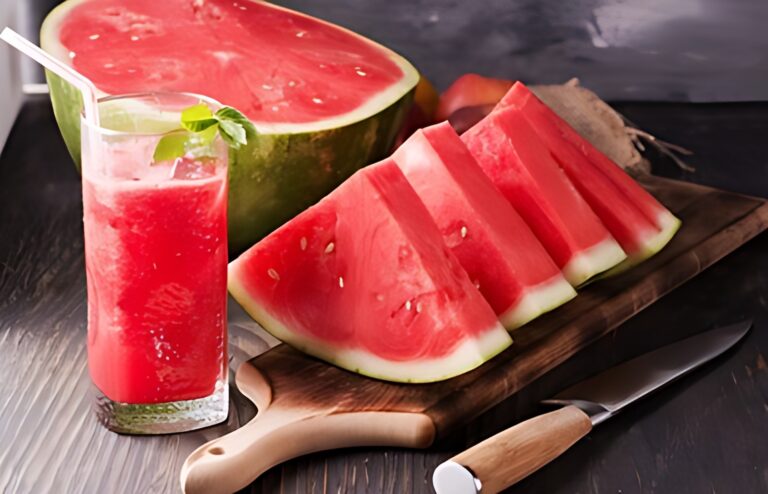
Watermelon is a delicious and refreshing fruit that is also very healthy. It is packed with nutrients, including vitamins A and C, potassium, and magnesium.
Watermelon also contains lycopene and citrulline, two plant compounds that may have health benefits. Yet, the question lingers: Are watermelons truly healthy?
Join us on a journey through the nutrition facts and health benefits of this beloved fruit to uncover the delicious truth. Read on!
Are Watermelon Healthy?
Yes, watermelon is a healthy fruit. It is low in calories and fat, and it is a good source of vitamins A and C, as well as potassium and magnesium. Watermelon also contains antioxidants, which can help protect the body from damage.
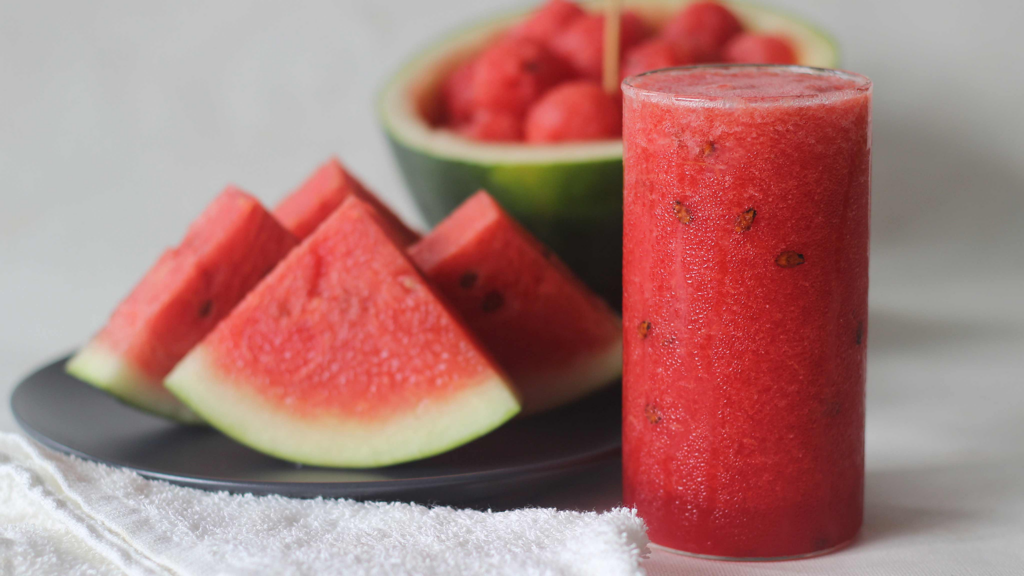
1 Cup Diced Watermelon nutritional content (157 grams):
| Nutrient | Amount | Percent Daily Value (%DV) |
| Calories | 46 | 2% |
| Fat | 0.2 g | <1% |
| Saturated fat | 0 g | 0% |
| Polyunsaturated fat | 0.1 g | <1% |
| Monounsaturated fat | 0.1 g | <1% |
| Cholesterol | 0 mg | 0% |
| Sodium | 1.5 mg | <1% |
| Potassium | 170 mg | 5% |
| Carbohydrates | 11 g | 4% |
| Dietary fiber | 0.6 g | 2% |
| Sugars | 9.4 g | |
| Protein | 0.9 g | 2% |
| Vitamin A | 865 IU | 17% |
| Vitamin C | 12 mg | 20% |
| Calcium | 11 mg | 1% |
| Iron | 0.4 mg | 2% |
| Magnesium | 15 mg | 4% |
Watermelon is a good choice for people who are trying to lose weight or maintain a healthy weight. It is also a good choice for people with diabetes or other dietary restrictions.
Top 5 Health Benefits of Watermelon
Watermelon has long been considered a nutritious, healthy fruit that’s both delicious and fun to eat- but are there real health benefits to adding it to your diet? It turns out that the answer is yes.
While most people associate watermelon with hot summer days and picnics, this fruit actually has several nutritional benefits that make it an excellent addition to your diet year-round.
Here are some of the many benefits of watermelon that will have you eat it daily! (in no particular order)
Good for Weight Loss
You must be wondering how watermelon is good for weight loss.
Watermelon is low in calories but high in water content, making it an excellent food for weight loss. The high water content can help you feel full and eat less overall, and the nutrients in watermelon may help boost your metabolism.
Besides, the fiber content increases too, which can help you feel full longer, making you less likely to overeat later.
Prevents Growth of Cancer Cells
In addition to being loaded with vitamins and nutrients, watermelon also contains lycopene, an antioxidant known to lower the risk of developing certain types of cancer by protecting cells from damage, for example, prostate cancer and other cancers.
Keeps You Hydrated
Watermelons are high in water content. So, it makes them an excellent way to stay hydrated while providing several essential nutrients.
Improves Hair Growth
People often say that consuming a lot of watermelons is suitable for your hair because it provides the essential hydration needed to keep strands and follicles healthy. While this may be true, there are other ways to care for your hair.
Anti-inflammatory Properties
Recent research has shown that watermelon may have anti-inflammatory properties. These properties help reduce the body’s inflammatory responses and improve symptoms of allergies, asthma, inflammatory bowel disease, rheumatoid arthritis, and type 2 diabetes.
Watermelon Side Effects Due To Overeating
Did you know that consuming too much watermelon can cause health problems?
It might seem counterintuitive, but there are three health risks of consuming watermelon (that you didn’t know about). Here they are. You’ll never look at the popular summer fruit the same way again.
Risks Of Too Much Vitamin A
Too much vitamin A can be dangerous as it can increase the risk of osteoporosis and cancer. For pregnant women, too much vitamin A can cause congenital disabilities.
There is also a chance that some people will experience allergic reactions to eating watermelon due to the fact that they are allergic to melon or cucumber, both of which are in the same family as watermelons.
Risks Of Too Much Lycopene
Lycopene is what gives watermelon its rich red color. It has been thought to protect against cancer, heart disease, and macular degeneration. However, too much lycopene can also be harmful to some people with diabetes or kidney problems.
Also, eating large amounts of lycopene-rich foods may result in diarrhea, stomach cramps, nausea, vomiting, and dizziness.
Risk of too much fructose
Watermelon is a high fructose (fruit sugar) fruit. According to the USDA, 100 grams of watermelon has 6 grams of fruit sugar. Studies have also shown that overconsumption of high-fructose fruits has been linked to increased body weight, belly fat, and triglycerides.
Risks Of Too Much Oxalic Acid
Oxalic acid is the compound that makes many fruits and vegetables taste sour, apples, oranges, and rhubarb. It also has a mild laxative effect, so people who eat a lot of these foods will sometimes get an upset stomach or diarrhea.
Although the concentration of oxalic acid in watermelon is less than 0.5%, it is still there. And consuming too much oxalic acid can lead to oxalate kidney stones or gout.
Risk Of Too Much Citric Acid
Because the fruit contains an acid called citric acid, which is present in high concentrations when the watermelon is under-ripe, this could be bad for tooth enamel. Usually, a cup of watermelon contains around 12 milligrams of vitamin C, which can be easily overconsumed if you do not control the portion.
Watermelon vs Watermelon Juice- Which One is Healthy?
Watermelon is delicious, but in order to reap the maximum benefits, it should be consumed as whole fruit, not in juice form.
The first problem with watermelon juice is that it lacks the fiber that comes from the skin and pulp of fresh watermelon. A cup of watermelon contains around two to three grams of fiber, while only trace amounts are found in one cup of watermelon juice.
Consuming less than 20 grams of fiber daily can lead to constipation and other digestive problems. This is definitely something to consider if you’re relying on watermelon juice for your daily dose.
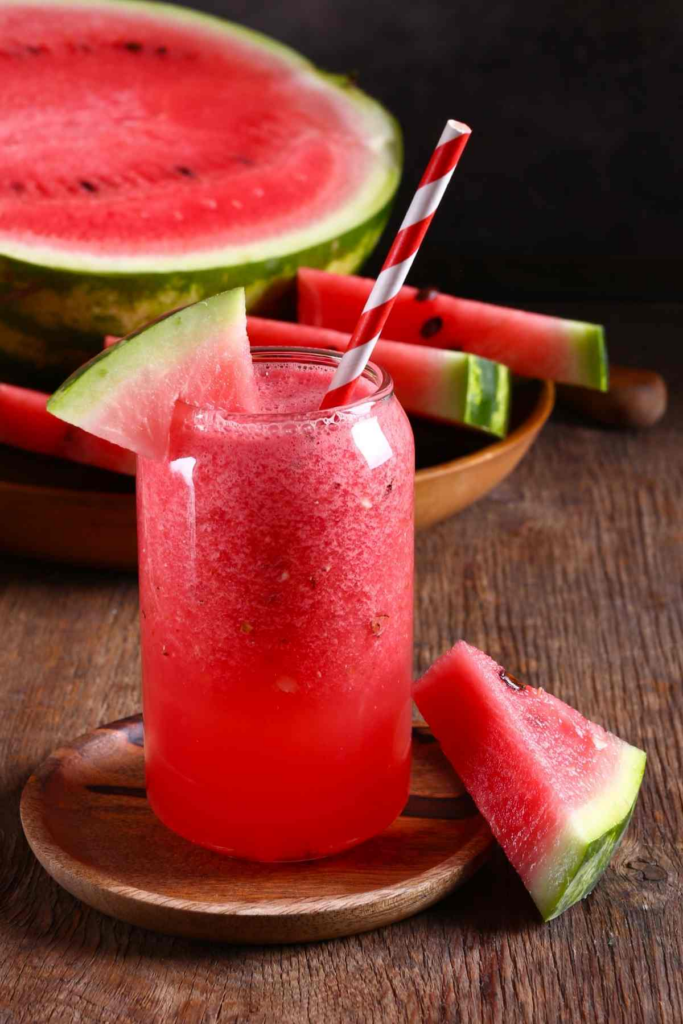
Is Watermelon Water Good For You?
Although you will get the same amount of hydration from watermelon juice as you would with consuming the fruit, you risk consuming additional sugar through the juice.
It is evident that fruit juices contain added sugar. So, when the added sugar in the juice is combined with the natural fructose of watermelon, you tend to consume a lot of sugar at once.
Therefore, consuming whole watermelon fruit instead of juice is a healthy option.
How many watermelons Should I Consume Every Day?
Watermelon has high amounts of lycopene and even more significant benefits when combined with selenium, zinc, and copper. It contains other nutrients like beta-carotene (vitamin A), lutein, potassium, folate, and vitamin C.
That said, some caveats can come with overeating watermelon. Eating excessive watermelon over a short time can harm one’s health, as you have seen above.
You might have yet to realize this, but the amount of watermelon a person should consume varies. Some people will be able to have a little more than others and still stay within the recommended daily serving size. Consuming a maximum of one or two cups of watermelon won’t do any harm to a healthy individual.
If you are too concerned about how much is right for you, speak with your doctor or calculate the nutritional information from the chart above.
FAQs
Are watermelons healthy for diabetics?
For people with diabetes, the sugar in watermelons can be problematic if consumption is not controlled. Watermelons have natural sugars called fructose, which can trigger the condition when consumed too much at a time.
Are watermelons healthy for pregnancy?
Watermelon is one of the healthiest fruits to consume during pregnancy. Pregnant women suffer from constipation, so the high fiber content in watermelon helps ease it.
This fruit also keeps their body hydrated and nourished. Also, the numerous healthy vitamins and minerals in the fruit are good for fetal development.
Is watermelon good for diarrhea?
Diarrhea means excessive loss of water from the body. Since watermelon is rich in water, consuming it when you are suffering from diarrhea can help your body with hydration.
In this case, consuming watermelon juice is better to avoid the fiber intake, as drinking too much fiber during diarrhea can increase the condition.
Are watermelons good for gastritis?
Watermelon is a safe fruit to eat even if you have gastritis. It won’t trigger or worsen the condition because watermelon is a low-acidic or alkaline fruit.
A fully ripe watermelon has a pH level of 9. It helps to neutralize the acid produced in gastritis.
Final Thought
Are watermelons healthy? Yes, watermelons are healthy fruit as mother nature has instilled many good things in them; we all know that. But excess of anything has an adverse effect, and that’s what I was trying to show you.
You might have been stuffing your tummy with watermelon, thinking it won’t affect your health negatively. Although it won’t harm you in a single day or two, you should stop immediately if you continue doing it for the entire summer season.
Related Posts






Subscribe for New Racipies
Get mental health tips, updates, and resources delivered to your inbox.