
Melty Chai Ice Cream With Honeycomb

Medically reviewed by Christiana George Updated Date: June 8, 2023
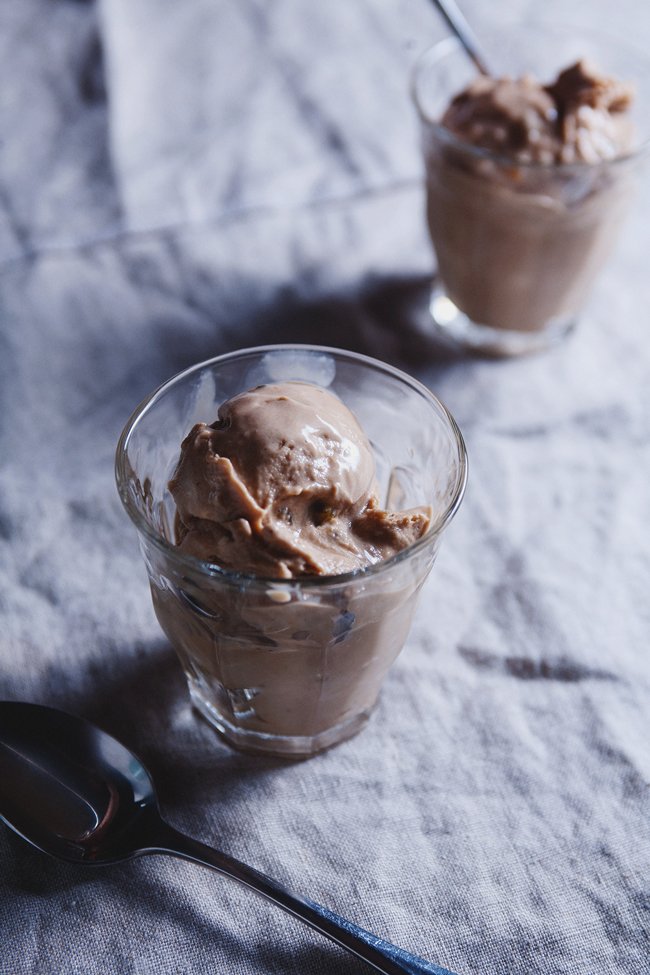
I am long overdue with a post, yet would you believe me if I told you that nothing I’ve cooked lately has turned out well?
There was a cauliflower gratin that drowned in too much cheese sauce, there was a papaya lassi that in theory sounded great, but in practice turned out bland and nothing, nothing, could fix it. There were blueberry scones that confirmed what I already knew: I don’t like scones. There was carnitas, which actually turned out wonderfully, but since I didn’t take any pictures, it’s like it never happened. Remind me to share it with you some time.
Do you ever have weeks like this? Weeks where all your efforts seem in vain, where you can’t even make a batch of banana bread muffins without botching it somehow? (I forgot to mix the butter in until the very last minute. Oops.) These have been discouraging times.
I’ve finally hit upon a recipe that I like, a lot. It came out tasting the way I imagined, pretty much perfect, and I’m actually excited that there’s quite a bit left over in the fridge. Most importantly, it feels true to me. The only negative is that it’s really melty. But c’mon guys, it’s chai ice cream! And there’s honeycomb in it! Melty or not, it tastes pretty spectacular.
I thought I’d share. I need to share. I’m so tired of keeping all this frustration to myself, and I’m pretty sure you all understand. So with that caveat, plow ahead. I’m sure that with a little bit of tinkering, I’ll get it right. Plus, I think where I went wrong is that I didn’t freeze it long enough before churning it (try to refrigerate the custard overnight if you can).
Here’s the honeycomb. It hardens in the ice cream to about the consistency of cookie dough.

MELTY CHAI ICE CREAM WITH HONEYCOMB
Makes about 1 quart
Ingredients:
- 1-1/2 cups whole milk
- 1-1/2 cups heavy cream
- 2 Tbsp loose black tea leaves (such as assam)
- 3/8 to 1/2 tsp chai masala (recipe below)
- 1/2 cup + 2 Tbsp sugar
- 6 egg yolks
- about 1/2 pound honeycomb, cut into bite-sized pieces
- 1/2 tsp vanilla
Directions:
In a medium saucepan, bring milk and heavy cream to a simmer. Remove from heat. Place an infuser with the loose tea leaves and spices in the milk mixture and steep for about 20 minutes.
In a separate medium bowl, whisk the yolks and sugar until combined. Slowly add the milk mixture, whisking all the while. Return the mixture to the medium saucepan and turn the heat on to medium-low. Heat, stirring frequently, until the mixture coats the back of the spoon and swiping a finger through leaves a line. Stir in the vanilla and transfer to a container, covered with saran wrap. Store in fridge at least 4 hours, although overnight is optimal.
The next day, churn the ice cream according to your manufacturer’s instructions, adding the honeycomb towards the end. Freeze until the ice cream is at the consistency you like.
CHAI MASALA
Adapted from The Hathi Cooks
Will make more than you need, but you can keep it around and make chai whenever you feel like it. A little goes a long way.
Ingredients:
4 tsp ground black pepper
3 tsp ground ginger
1 tsp ground cinnamon
1 tsp ground cardamom
pinch nutmeg
Directions:
Combine and store in an airtight container.
Related Posts
Subscribe for New Racipies
Get mental health tips, updates, and resources delivered to your inbox.
Aunt Jemima Pancake Mix Recipe

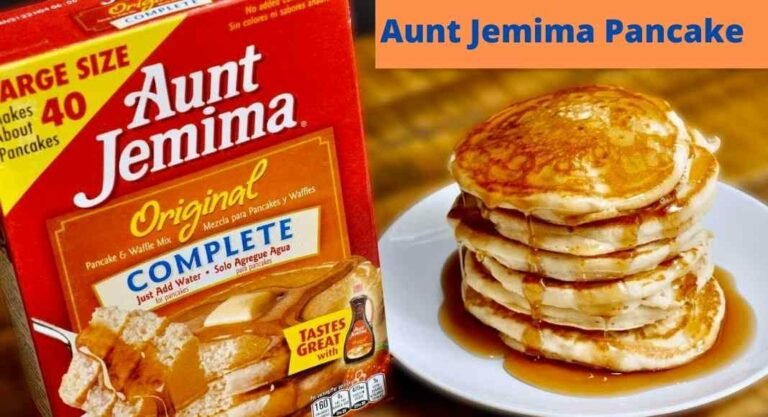
Aunt jemima pancake mix recipe is a very popular flour based dish which is prepared using a mixture of wheat flour, baking powder and salt.
The recipe is easy to prepare and the pancakes are easy to make in a frying pan or in an electric skillet. These pancakes are served with butter and maple syrup.
Aunt Jemima Pancake Mix Ingredients
The ingredients in Aunt Jemima pancake mix typically include enriched wheat flour, leavening agents (baking powder, baking soda), salt, and sugar. Some varieties may also contain milk, eggs, and other ingredients.
You can find a complete list of ingredients on the packaging of the product or by visiting the manufacturer’s website. It is always important to read the label carefully and follow the instructions on the package when using any packaged food product.
Preparation Method for Aunt Jemima Pancake Mix Recipe
To make pancakes using Aunt Jemima pancake mix, simply follow the instructions on the package. The basic method involves mixing the pancake mix with water, vegetable oil, and an egg (if using), and then cooking the batter in a skillet or griddle until the pancakes are golden brown on both sides.
Here is a simple recipe that you can use as a guide:
Ingredients:
- 1 cup of Aunt Jemima pancake mix
- 1 cup of water
- 1 tablespoon of vegetable oil
- 1 egg (optional)
Instructions:
- In a large bowl, combine the pancake mix, water, vegetable oil, and egg (if using). Mix until the batter is smooth and free of lumps.
- Heat a large skillet or griddle over medium heat. Lightly grease the surface with oil or butter.
- Pour the batter onto the skillet or griddle in small circles, using about ¼ cup of batter for each pancake.
- Cook the pancakes for 1-2 minutes, or until bubbles form on the surface and the edges begin to look cooked.
- Carefully flip the pancakes and cook for an additional 1-2 minutes, or until the other side is golden brown.
- Serve the pancakes warm, topped with butter and maple syrup, fruit, or your favorite toppings. Enjoy!
Note: The exact cooking time may vary depending on the size and heat of your skillet or griddle. Adjust the heat as needed to prevent the pancakes from burning.
Aunt Jemima Pancake Mix Calories
The total calories of this dish are 662 KCAL per serving which is derived from the fat content of 20 gms per serving. Apart from this, it also contains proteins of 24 gms, carbohydrates of 85 gms, sodium content of 730 mgs per serving and cholesterol content of 20 mgs per serving. This dish can be prepared using other ingredients as well such as whole wheat flour or all purpose flour instead of all purpose flour alone which can reduce the number of calories by 30%.
Aunt jemima pancake mix recipe is a delicious and healthy dish which can be prepared using the above mentioned ingredients. This can also be used as a snack in between meals.

Aunt Jemima Pancake Mix Recipe Nutrition Facts
This recipe makes 1 serving. Each serving has about:
- 200 calories
- 31 grams of carbs
- 3 grams of protein
- 5 grams of fat (mostly unsaturated)
Enjoy!
5 Different aunt jemima pancake mix recipes
- Basic Pancakes: This recipe is for classic, fluffy pancakes that are perfect for a hearty breakfast or brunch. Simply follow the instructions on the Aunt Jemima pancake mix package, adding a tablespoon of melted butter and a teaspoon of vanilla extract to the batter for extra flavor. Top with butter, maple syrup, and your favorite fruit for a delicious breakfast treat.
- Blueberry Pancakes: For a fruity twist on classic pancakes, fold in a cup of fresh or frozen blueberries into the batter before cooking. The blueberries will burst and add a sweet, juicy flavor to the pancakes. Top with more fresh blueberries and a drizzle of honey for a tasty breakfast.
- Banana Pancakes: Mash a ripe banana and stir it into the pancake batter before cooking. The banana will add natural sweetness and a rich, creamy texture to the pancakes. Top with sliced bananas and a dollop of whipped cream for a decadent breakfast treat.
- Chocolate Chip Pancakes: Stir in a handful of chocolate chips into the pancake batter before cooking for a delicious chocolatey twist on classic pancakes. The chocolate chips will melt and create pockets of rich, gooey chocolate in every bite. Top with more chocolate chips and a drizzle of melted chocolate for an indulgent breakfast.
- Oatmeal Pancakes: Add ¼ cup of quick-cooking oats to the pancake batter before cooking for a hearty, wholesome breakfast. The oats will add texture and nutrition to the pancakes, making them a filling and satisfying breakfast option. Top with sliced bananas and a drizzle of honey for added flavor and sweetness.
Related Posts
Subscribe for New Racipies
Get mental health tips, updates, and resources delivered to your inbox.