
Durban Mince Curry Recipe

Medically reviewed by Christiana George Updated Date: June 8, 2023

Durban mince curry recipe is a south African dish that is made with mince, curry powder and vegetables. this recipe is quick and easy to make and will take you less than 30 minutes.
I’ve been meaning to share this Durban mince curry recipe for quite some time now. I’m not much of a cook but i do love experimenting with food so when i get the chance, I’m always trying out new recipes or different variations of old recipes.
My kids are pretty fussy so it takes me a while to get something that they actually like but when they do, I’ll try my best to remember it for future reference! I still haven’t found anything that beats their favorite chicken nuggets though!
This Durban mince curry recipe is one of those recipes that i’ve been experimenting with for the past couple of weeks. it started off as a normal mince curry recipe but then i decided to add some veggies to it and it turned out absolutely delicious! I’m not sure how authentic this recipe is but my kids loved it, so that’s all that matters, right?
| Level: Easy | Recipe type: Curry |
| Prep time: 10 mins Cook time: 30 mins Total time: 40 minutes | Cuisine: African Yield: 4 Serves |
Ingredients:
For this durban mince curry recipe, you will need:
Mince – 500g/ 1lb 2 oz.
Onions – 2 large or 3 small. sliced thinly.
Green pepper – 1 large or 2 small. sliced thinly. (optional)
Carrots – 4 medium sized carrots. diced finely. (optional)
Sweet corn – 1-2 cups of frozen sweet corn kernels (optional) (i don’t usually use sweet corn in my mince curry but my kids love them). you can also use fresh or canned corn.
Tomatoes – 2 large or 3 small. diced finely.
Tomato paste – 3 tbsp (optional)
Curry powder – 2 tbsp. (i use a mild curry powder) you can also use garam masala instead of curry powder. or use a combination of both.
Turmeric powder – 1 tsp (optional) this is not usually found in traditional mince curry but i love the flavour it brings to the dish so i add it anyway! if you are not a fan of turmeric, then just leave it out! OR if you are using fresh tomatoes, add half a tsp of turmeric to the minced meat with some salt and pepper before frying. that’s what i usually do! if using canned tomatoes, then there is no need for adding any turmeric as the cans already have them in them!
Cumin seeds – 1tsp (optional) i love adding cumin seeds to my mince curry as it adds a lovely flavour to the dish. so if you have them, go ahead and add them!
Black pepper – 1/2 tsp
Red chilli powder – 1 tsp or more to taste (optional) i don’t use chilli powder in my mince curry. i don’t like spicy food. but if you love spice, then add a little chilli powder to your liking! if using fresh tomatoes, then add 1/2 tsp of chilli pepper instead of red chilli powder.
Salt – to taste (optional) i always taste my curry and salt at the end to make sure it’s perfect! adjust according to your own preference!
Method:
- Heat oil in a pan and add the onions. stir fry for about 5 minutes or until the onions become slightly golden.
- Add the ginger-garlic paste and saute for 30 seconds till fragrant.
- Add the minced meat and fry till browned on all sides.
- Add all the spice powders – turmeric, red chilli powder, black pepper, salt (if using) and 1/2 cup of water or more depending on how thick you want your curry to be!
- Mix well and let it cook for 7-10 minutes on a low flame, stirring occasionally. if using fresh tomatoes, then add them now! cover with a lid and let it cook for 10-15 minutes or until tender! if using canned tomatoes, then there is no need to cook for this long! just throw them in with everything else and you’re done! 🙂
- When done cooking, sprinkle garam masala powder and give a quick stir.
- Serve with steamed rice or rotis!

Nutrition Facts:
| 500 g mutton mince meat | 1410 calories per 500gm |
| 2 large Onions Raw | 13 Calories per serving |
| 1 large Peppers, Sweet, Green Raw | 4 Calories per serving |
| 4 Carrots Raw | 11 Calories per serving |
| 1 cup Sweet Yellow Corn 1 Cup, Kernels | 15 Calories per serving |
| 2 large Tomatoes, Red, Ripe Raw, Year Round Average | 7 Calories per serving |
| 2 tbsp Curry Powder | 5 Calories per serving |
| 1/2 tsp Pepper, Black | 0 Calories per serving |
| 1 tsp red chili powder | 8 Caloriesper serving |
Enjoy it!
Related Posts






Subscribe for New Racipies
Get mental health tips, updates, and resources delivered to your inbox.
Is Peppermint Tea Acidic? Peppermint Tea and Acid Reflux

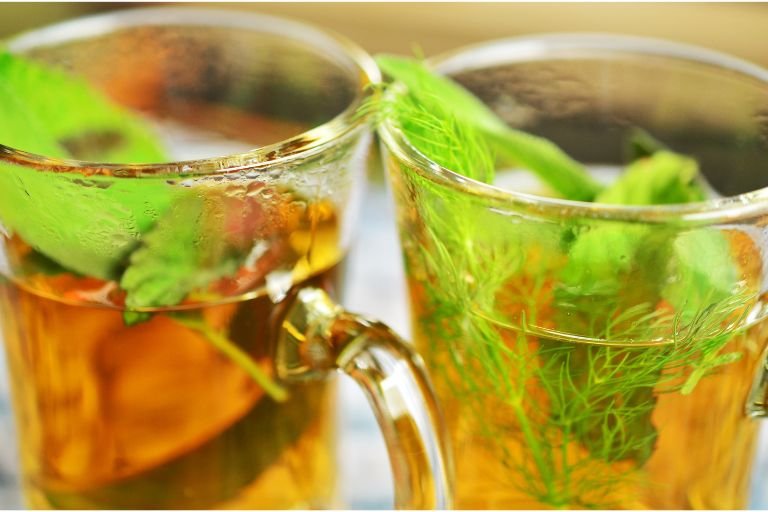
Peppermint tea is a soothing, caffeine-free beverage that’s often enjoyed for its refreshing flavor and digestive benefits. It’s a popular remedy for issues like bloating, nausea, and indigestion. However, if you’re dealing with acid reflux or GERD (gastroesophageal reflux disease), you may wonder: “Is peppermint tea acidic, and is it safe for acid reflux?”
While peppermint tea is not acidic (its pH level is close to neutral, around 6.0 to 7.0), it is not always suitable for those with acid reflux. Despite its alkalinity, peppermint can relax the lower esophageal sphincter (LES), which is the muscle that prevents stomach acid from flowing back into the esophagus. For this reason, peppermint tea may trigger or worsen acid reflux symptoms in some individuals.
In this article, we’ll explore the relationship between peppermint tea and acid reflux, its health benefits, and tips for deciding whether it’s the right choice for your digestive health.
Is Peppermint Tea Acidic or Alkaline?
Peppermint tea is considered alkaline to neutral, with a pH level between 6.0 and 7.0. Unlike acidic beverages such as coffee, citrus juices, or sodas, peppermint tea does not contribute to acidity in the stomach.
However, despite its neutral pH, peppermint tea is not always reflux-friendly. Its effect on the lower esophageal sphincter (LES) is a key factor in determining whether it’s safe for acid reflux sufferers. Peppermint has a natural muscle-relaxing property that can weaken the LES, potentially allowing stomach acid to flow back into the esophagus.
Nutritional Profile and Benefits of Peppermint Tea
Peppermint tea offers a range of health benefits, particularly for digestion, thanks to its soothing properties. Here are some of the key nutritional and health highlights:
1. Naturally Caffeine-Free
Peppermint tea is an excellent alternative to caffeinated beverages like coffee and black tea, which can worsen acid reflux by stimulating stomach acid production.
2. Rich in Antioxidants
Peppermint tea contains antioxidants, such as flavonoids, that combat free radicals and reduce inflammation in the body.
3. Digestive Benefits
- Eases Bloating: Peppermint tea is widely used to relieve bloating and gas.
- Improves Digestion: It promotes the production of bile, aiding in the digestion of fats.
4. Anti-Inflammatory Properties
The menthol in peppermint has anti-inflammatory effects, which can help soothe the digestive tract.
5. Relieves Nausea
Peppermint tea is a popular remedy for nausea and motion sickness.
6. Low Calorie
Peppermint tea is virtually calorie-free, making it a light and hydrating beverage.
Does Peppermint Tea Trigger Acid Reflux?
Although peppermint tea is alkaline and beneficial for digestion in many cases, it can trigger or worsen acid reflux symptoms in some people. Here’s why:
1. Relaxation of the Lower Esophageal Sphincter (LES)
- Peppermint naturally relaxes smooth muscles, including the LES, which separates the stomach from the esophagus. When the LES relaxes too much, stomach acid can flow back into the esophagus, causing heartburn and reflux symptoms.
2. Increased Stomach Acid Sensitivity
- While peppermint doesn’t increase stomach acid production, it can make the esophagus more sensitive to the acid that refluxes. This is why some people experience a burning sensation after drinking peppermint tea.
3. Individual Sensitivities
- Some people with GERD are more sensitive to peppermint’s effects than others. While one person may tolerate peppermint tea well, another might find that it triggers symptoms.
Who Should Avoid Peppermint Tea?
Peppermint tea is not ideal for everyone, especially those who:
- Have severe GERD or frequent acid reflux: Peppermint tea may worsen symptoms by relaxing the LES.
- Experience heartburn after drinking peppermint tea: If peppermint tea consistently triggers symptoms, it’s best to avoid it.
- Have esophageal ulcers or hiatal hernia: These conditions can make the esophagus more sensitive to peppermint’s muscle-relaxing effects.
Alternatives to Peppermint Tea for Acid Reflux
If peppermint tea doesn’t work for you, there are other reflux-friendly herbal teas that can provide soothing benefits without aggravating symptoms:
1. Ginger Tea
- Ginger tea is an excellent option for acid reflux sufferers. It has anti-inflammatory properties and helps soothe the stomach while reducing nausea and indigestion.
2. Chamomile Tea
- Chamomile tea has calming and anti-inflammatory effects, making it a great choice for reducing stress and relieving reflux symptoms.
3. Licorice Root Tea
- Deglycyrrhizinated licorice (DGL) tea can help coat the esophagus and stomach lining, reducing irritation caused by acid reflux.
4. Marshmallow Root Tea
- Marshmallow root tea contains mucilage, which soothes and protects the esophagus from stomach acid.
5. Fennel Tea
- Fennel tea aids digestion, reduces bloating, and has a calming effect on the stomach.
Frequently Asked Questions About Peppermint Tea and Acid Reflux
1. Is peppermint tea bad for acid reflux?
For some individuals with acid reflux, peppermint tea can relax the LES and trigger symptoms. However, others may tolerate it well. It’s best to monitor your body’s response.
2. Why does peppermint tea cause heartburn in some people?
Peppermint tea can relax the LES, allowing stomach acid to flow back into the esophagus, which may cause heartburn in sensitive individuals.
3. Can peppermint tea help with digestion?
Yes, peppermint tea is known to improve digestion, relieve bloating, and reduce gas. However, its muscle-relaxing effects may worsen acid reflux for some people.
4. Should I avoid all peppermint products if I have GERD?
Not necessarily. Some people with GERD may tolerate small amounts of peppermint in foods or teas, while others may need to avoid it completely. Start with small amounts and assess your tolerance.
5. What is the best herbal tea for acid reflux?
Ginger tea, chamomile tea, and licorice root tea are often considered the best herbal teas for acid reflux due to their soothing and anti-inflammatory properties.
Final Thoughts
Peppermint tea, while alkaline and soothing for many, may not be the best choice for acid reflux sufferers due to its ability to relax the lower esophageal sphincter (LES). This relaxation can lead to stomach acid flowing back into the esophagus, causing heartburn and discomfort.
If you enjoy peppermint tea and notice no adverse effects, it can be a refreshing and beneficial addition to your diet. However, for those who find that it triggers reflux symptoms, switching to reflux-friendly alternatives like ginger tea or chamomile tea may be a better option.
As with any dietary decision, it’s important to listen to your body and consult with a healthcare professional if you’re unsure about incorporating peppermint tea into your routine.
Related Posts




Subscribe for New Racipies
Get mental health tips, updates, and resources delivered to your inbox.