
Is Broccoli acidic? Broccoli and Acid Reflux: Good or bad

Medically reviewed by Christiana George Updated Date: January 2, 2026
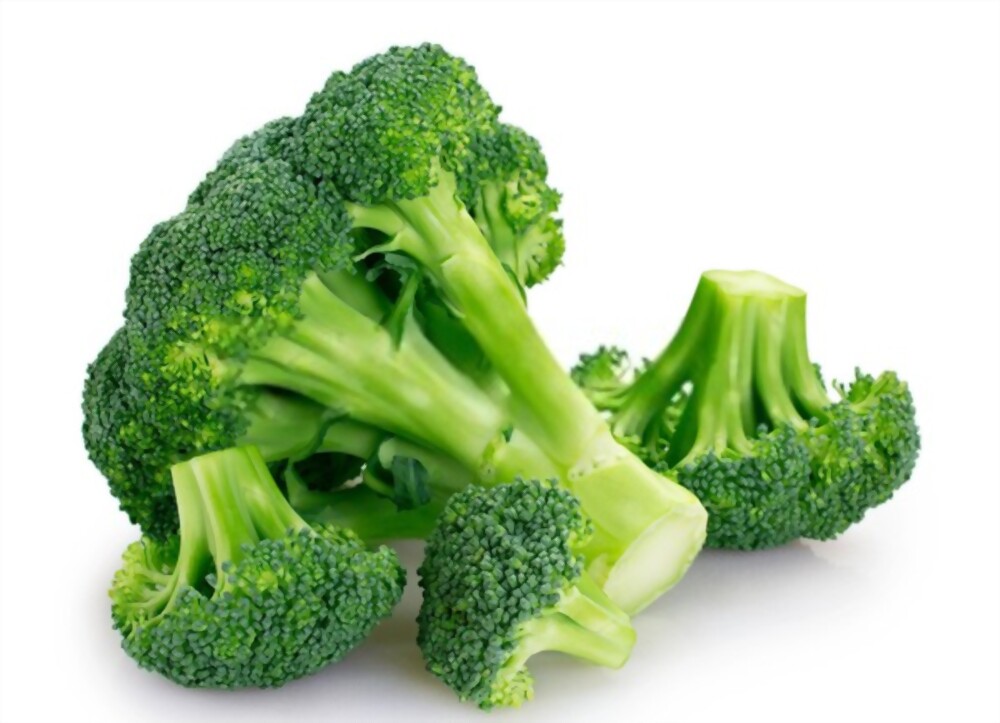
Broccoli is a member of the cabbage family known for its high fiber content and anticancer properties. In addition, it’s often touted as one of the healthiest vegetables on the planet because of its high concentration of antioxidants. It’s also a great source of vitamin C, folate, and calcium. But, despite being loaded with nutrients, many still want to know – is broccoli acidic?
Broccoli has slightly acidic PH of around 6.30-6.85. Since it is almost neutral, it does not make the environment within the stomach more acidic. Even though broccoli is slightly acidic, it actually functions as an alkaline-producing agent within the body. In addition, broccoli contains essential vitamins like A, C, and K. It is rich in antioxidants and fibers, which improve eye health, reduce cancer risk, and help to maintain healthy blood pressure.
Read on to find out more information about whether or not broccoli is acidic.
Broccoli – Acidic, Alkaline, or Neutral?
Broccoli has a PH of around 6.30 – 6.85, which is slightly acidic.
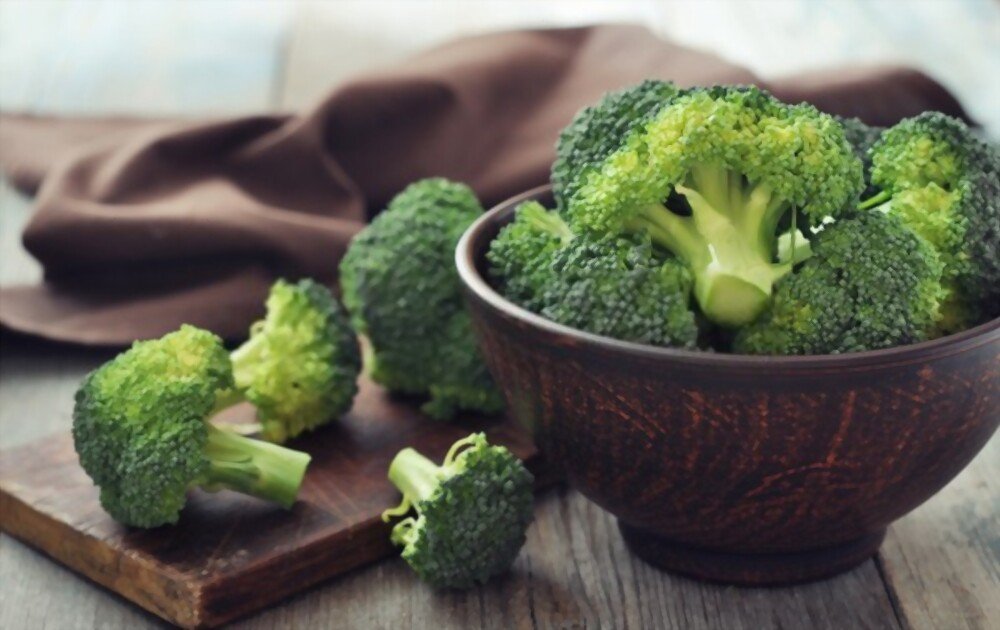
Since broccoli is almost neutral, it does not provoke acid reflux symptoms for most GERD sufferers. Moreover, broccoli actually functions as an alkaline-forming compound in the body.
This means that eating broccoli leads to formation of alkaline compounds in the body. This does not, however, change the body’s pH. The body’s pH is regulated very tightly, and not affected by foods.
So, broccoli is slightly acidic – but close to neutral, is unlikely to provoke GERD symptoms, and has no effect on the body’s pH.
pH of Broccoli
The pH of Broccoli is around 6.30-6.85. The table shows the pH of Broccoli in different types and forms.
| Broccoli | pH Value (Approximate) |
| Broccoli ( Fresh or Raw) | 6.70 |
| Broccoli (Steamed) | 6.62 |
| Broccoli ( Boiled) | 6.88 |
| Broccoli ( Baked) | 6.13 |
| Broccoli, frozen, cooked | 6.30 – 6.85 |
| Broccoli, Rabe | 6-7 |
Broccoli acid reflux: Is this True?
Broccoli is a vegetable loaded with lots of nutritional benefits. It is a member of the brassica family, which also includes cabbage and brussel sprouts. Broccoli contains high levels of vitamins A, C, K, lutein, and folate. It is also an excellent source of fiber, calcium, and iron.
However, this leafy green is not without its downsides. Like many other cruciferous vegetables, broccoli is high in sulfur compounds.
While not harmful for your health, foods high in sulfur can have some unpleasant effects. Sulfur compounds are the cause of the odors associated with passing gas.
So, the sulfur in broccoli is definitely not unhealthy, but it does make your flatulence more odorous.
Despite the smells that may be associated, broccoli has a number of health benefits.
- Vitamin C has a beneficial role in reducing inflammation in the body. It is also important in various tissues’ ability to heal.
- The folates present in broccoli also reduce acid reflux symptoms. In fact, a research study concluded that regular intake of B vitamins reduces the risk of esophagitis ( a condition caused by acid reflux).
But, if your acid reflux is associated with gas or indigestion, foods like broccoli can intensify these associated symptoms. This is because broccoli contains a significant amount of dietary fiber, which is not digested by the human digestive system. Eating broccoli can lead to gas within the digestive system, which can cause a sense of bloating.
Also read:
Are Mangoes Acidic? [Mango And Acid Reflux Good Or Bad]
Is broccoli rabe acidic?
Broccoli rabe has a pH of around 6-7, which is very slightly acidic. But once cooked it becomes alkaline. Broccoli rabe is a rich source of vitamins like A, C, and K.

It is high in folates and fibers that keep you full for a long time. Broccoli rabe is rich in water. It aids in digestion, improves vision, and contains folic acid, which is known to be important in preventing some types of birth abnormalities.
Is steamed broccoli acidic?
The pH of steamed broccoli does not differ significantly from the pH of raw broccoli. You can eat your broccoli the way you want either cooked or steamed.
Steaming is a better way of cooking vegetables than boiling. When vegetables are boiled, a lot of their vitamin and mineral contents are lost in the cooking water. When vegetables are steamed, these nutrients remain in the vegetable. So, steamed broccoli is a great choice!
Is broccoli cheese soup acidic?
Broccoli cheddar soup is delicious, and a hearty fall favorite of many people. Here, the concern is not necessarily the pH. Broccoli cheese soup is a heavy, cream-based soup.
Because of these characteristics, it can trigger GERD gastroesophageal reflux disease (GERD) symptoms. GERD is a condition in which stomach acid is allowed to flow up into the esophagus, irritating the lining of the esophagus.
For those who suffer from GERD, it is preferable to eat broth-based soups instead of heavier, cream-based soups. So, regardless of pH considerations, broccoli cheddar soup may not be the best option for GERD sufferers.
7 Ways in which broccoli is good for you
Broccoli is good for you because it’s a great source of vitamin C, vitamin K, and dietary fiber. It can also help maintain a healthy weight and reduce the risk of heart disease, cancer, and other chronic diseases.
| Nutrients Name | Amount per 91 grams raw Broccoli |
| Carbohydrate | 6 grams |
| Protein | 2.6 gram |
| Fat | 0.3 grams |
| Fiber | 2.4 grams |
| Vitamin C | 135% of the RDI |
| Vitamin B9 (Folate) | 14% of the RDI |
| Potassium | 8% of the RDI |
| Phosphorus | 6% of the RDI |
| Selenium | 3% of the RDI |
| Vitamin A | 11% of the RDI |
| Vitamin K | 116% of the RDI |
Detoxification of harmful contaminants
Phytochemicals such as glucoraphanin, and glucobrassicin have significant roles in the human body. These components help detoxify the body. It helps neutralize the stomach acids and remove harmful compounds from the body.
Reducing Obesity
Study found, Broccolis microgreens juice helps to lose weight by enhancing insulin sensitivity and modulating gut microbiota.
Broccoli contains compounds like glucosinolates which are converted to secondary metabolites during digestion. These compounds directly interfere with myrosinase enzymes. It is important in breaking down body fat.
Cardiac health
Broccoli is heart healthy. Because High amounts of selenium and glucosinolates in broccoli produce redox-regulated cardioprotective protein thioredoxin which help our heart keep healthy.
Broccoli keeps blood vessels strong. It has anti-inflammatory properties. It may stop or help reverse damage to blood vessel lining.
Good vision
You have probably heard that carrots are good for the eyes. They are! And the reason is that they contain lutein, which is an antioxidant known to be important in preserving eye health. Lutein is also present in broccoli. Another important component of broccoli is zeaxanthin, which helps protect against cataracts and lens clouding.
Lowering cholesterol
Broccoli helps in lowering cholesterol. The fiber in broccoli binds with the cholesterol in the blood, which facilitates the excretion of cholesterol from the body. This leads to a reduction of cholesterol levels in the blood.
Cancer prevention
The most crucial health benefit of broccoli is its cancer-fighting ability. Broccoli is a cruciferous vegetable. All the vegetables of this group can combat various stomach and intestinal cancers.
Two important components of broccoli are sulforaphane and indole 3-carbinol. These compounds act as detoxifying enzymes. They also regulate estrogen levels that help in fighting breast cancers.

Supports a Healthy Immune System
Broccoli contains a lot of vitamin C, which helps to boost immunity by boosting white blood cells and antibodies. It also has antioxidant properties, which protect cells from damage. Broccoli is also an excellent source of dietary fiber, which helps regulate blood sugar and prevent digestive problems.
Related:
Is Mac and Cheese Healthy? Calories, Nutrition, and a Awesome Recipe
FAQs
Is broccoli high in acidity?
No! Broccoli is a very slightly acidic vegetable, which is actually thought to form alkaline compounds in the body after digestion.
Is broccoli acidic or alkaline?
Broccoli is not high in acidity, but green vegetables such as broccoli are slightly acidic. Since its pH is around 6.5-6.8, it does qualify as very slightly acidic.
However, when digested in the body, it actually works to make the environment more alkaline. In addition, benefits include its high levels of essential vitamins like A, K, and C.
Is broccoli an antacid?
Yes, broccoli neutralizes your stomach acids and helps with indigestion. Thus it is a great antacid.
Is it OK to eat broccoli every day?
Broccoli is a great vegetable. It is high in fiber, low in carbohydrates, and contains some protein. Eating broccoli every day helps regulate bowel movements and sugar levels. It also helps maintain a healthy weight.
What vegetables are not acidic?
Most green vegetables such as celery, lettuce, green peppers, cucumber, and cauliflower are not acidic. They help regulate your acid reflux. They are a good alternative to more acidic foods for those who suffer from acid reflux.
Why is broccoli not good for you?
Although raw or cooked broccoli has many benefits for you, eating it in excessive amounts can cause bloating or gas problems. It has been reported that since broccoli contains thiocyanates, eating broccoli can lead to hypothyroidism.
This is a myth! You would have to eat an impossible amount of broccoli to interfere with your thyroid function. So, please don’t worry about your thyroid when you decide how much broccoli to eat!
Bottom Line
Broccoli has a somewhat acidic pH. But it has an alkaline foaming ability in the body. This ability helps regulate acid reflux mechanisms. The best way to eat broccoli is raw or steamed.
Broccoli regulates healthy blood sugar levels. It improves bowel movement and prevents various disorders related to the stomach like GERD. The excessive use of broccoli can cause bloating and gas problems.
Related Posts
Subscribe for New Racipies
Get mental health tips, updates, and resources delivered to your inbox.
M&M; Birthday Party


I put together my son’s 4th birthday party last week. He’s into a lot of things, but nothing in particular stood out as a theme. That is until someone posted a photo of an M&M wedding cake on Facebook. I had my inspiration. My son loves M&M’s in all different varieties. He devours whatever flavored M&M’s I buy to make recipes with. He’s not picky when it comes to his favorite candy. So I researched Pinterest for DIY party decor and kept my eyes open when I was out shopping. I tried to keep it simple because it wasn’t going to be a terribly big party, but I wanted it to be special for him.

I put together my son’s 4th birthday party last week. He’s into a lot of things, but nothing in particular stood out as a theme. That is until someone posted a photo of an M&M wedding cake on Facebook. I had my inspiration. My son loves M&M’s in all different varieties. He devours whatever flavored M&M’s I buy to make recipes with. He’s not picky when it comes to his favorite candy. So I researched Pinterest for DIY party decor and kept my eyes open when I was out shopping. I tried to keep it simple because it wasn’t going to be a terribly big party, but I wanted it to be special for him.

The first thing I had found was 10 inch red plastic M&M dispenser at CVS pharmacy. I used that as my centerpiece. It was too cute to pass up. Then I found a small 5 inch plastic bubble gum machine at Toys R Us that I used as a cake topper.
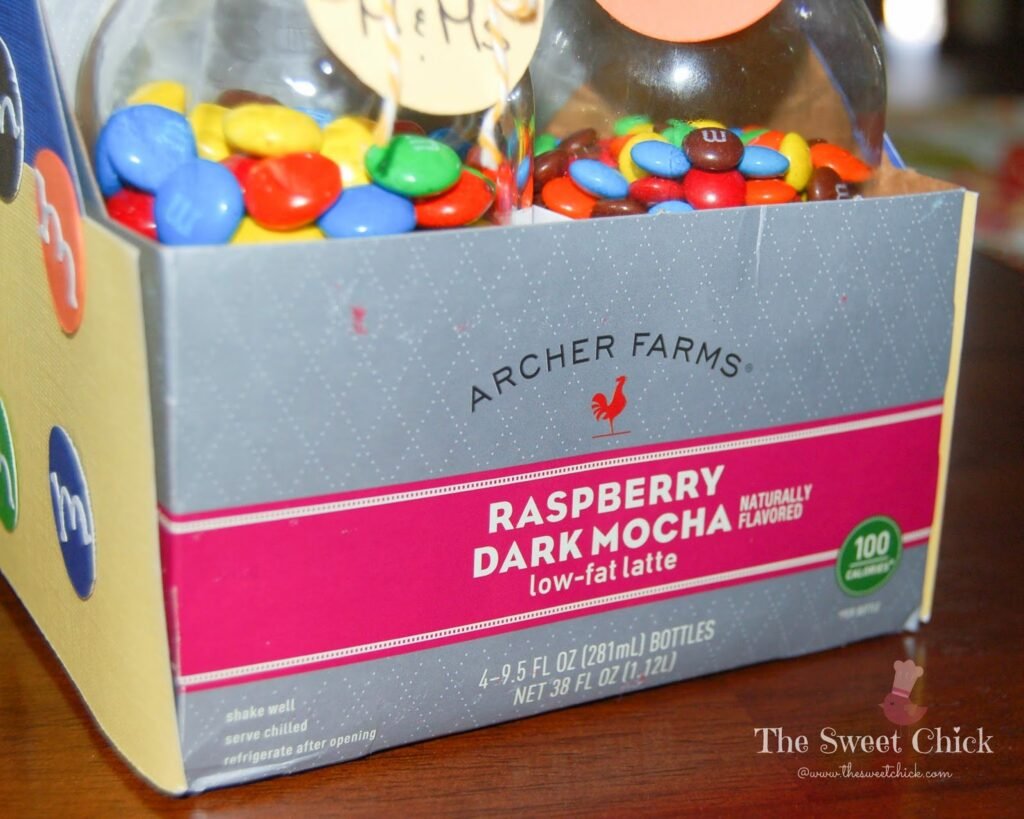
I wanted the party goers to have a selection of M&M’s to choose from, so I decorated a Archer Farms carton with some card stock I had on hand. I cut out some circles with my Fiskars ShapeCutter Template, then embellished it with little “m’s” I cut out with my Sizzix Sizzlets dies in the Bounce font (which apparently they don’t make anymore, my scrapbook tools are now antiques). I added some circle tags to label the M&M flavors.
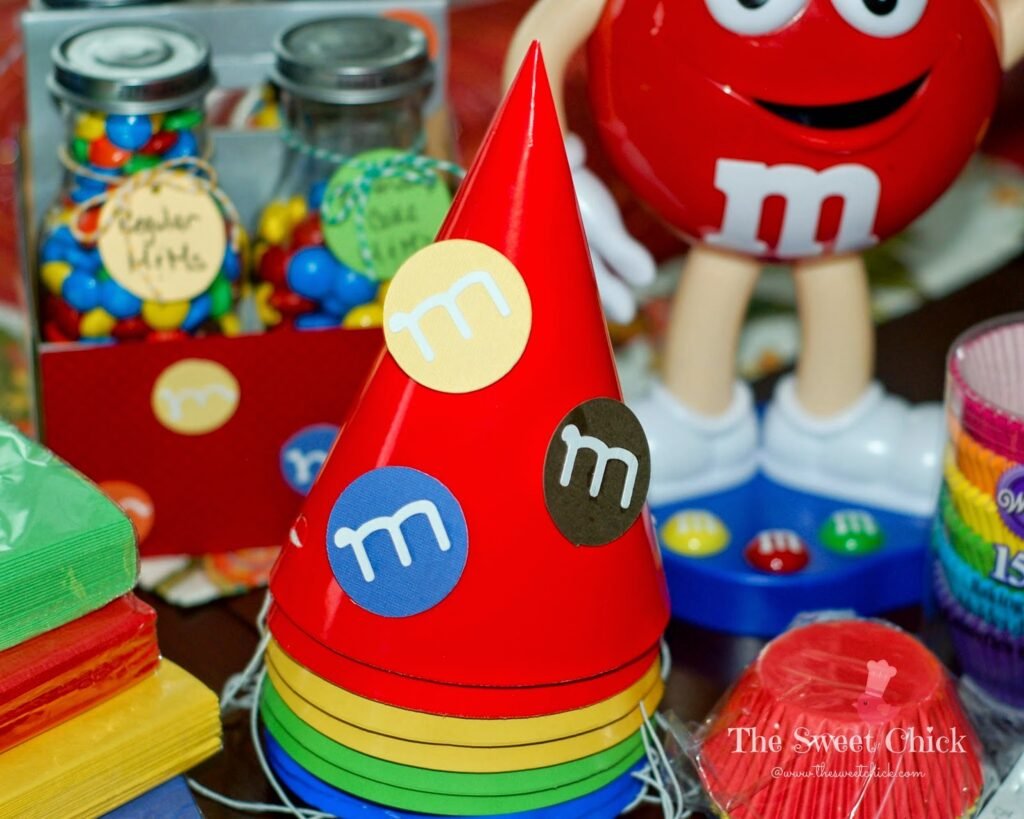
I found most of my other supplies at Walmart. I bought plates, napkins, and party hats in all the M&M colors (except brown). I jazzed up the plain party hats with some more cut outs. For these “m’s”, I used my Cricut machine with the Tear Drop cartridge. I was trying to use what I had on hand. If you want the official “M”, you can find it on the Cricut Plantin SchoolBook cartridge.

I used my Cricut machine to cut out these big “m’s” also. This was one of the ideas I found on Pinterest for wall decorations. I used double stick tape to keep them up.

He’s the whole thing all together. Simple, but colorful and fun. It was raining outside, so we played some movies for the kids, but they didn’t care, they ended up going in the pool anyway.

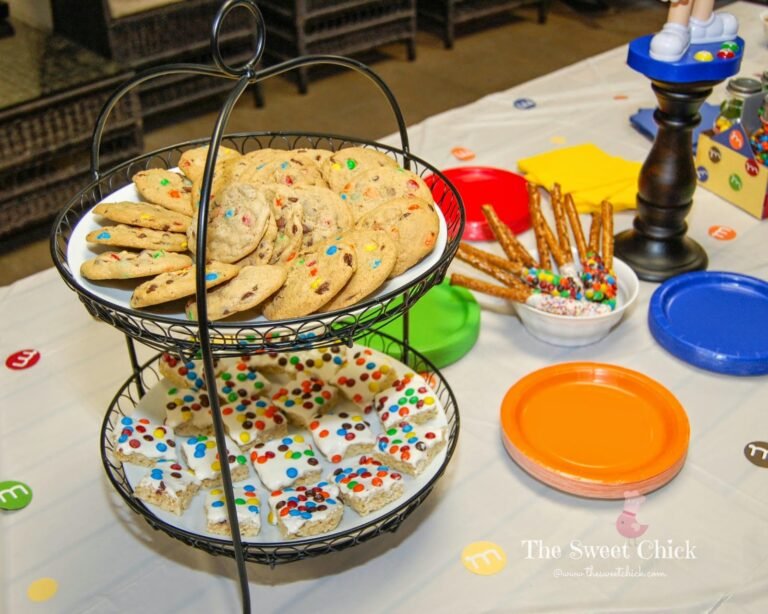
I made all sorts of treats to go with the theme, Chocolate Chip M&M Cookies, M&M Rice Krispie Treats, M&M Pretzel Sticks, and more.

I use the extra “M’s” I cut out to decorate the table. I placed the M&M dispenser on a candlestick holder I had to make him more prominent.

Here are the Candy Coated Oreo M&M’s I blogged about earlier this week. I placed each in matching cupcake liners from Wilton that I had found at Walmart.

This is the cake I made, inspired by this one below. The kids thought it was amazing. Mission accomplished.

Here’s the birthday boy all smiles when he saw his cake. He was excited by all the mini M&M’s pouring down the front. All the kids wanted a slice with the M&M’s on it.

The cake was just two Pillsbury Funfetti cake mixes and two cans of Betty Crocker Fluffy White frosting. I knew I would be spending all my time perfecting the decorating, so I didn’t make the cake and frosting from scratch this time. Plus, I really love Funfetti cake. And if you are wondering if I place each M&M individually on the cake , the answer would be YES! My husband thought I was nuts. He said I should just throw them on there, but I am a type A personality and everything has to be perfect.

For the favor bags, I bought individual packs of Birthday Cake M&M’s and added some bubbles and other candies. The clear bags are from Walmart and the tags I made myself. I put all the kids names on the back. I attached the tags with matching bakers twine I had on hand.

It was a lot of work, but I like being creative. The looks on the kids faces said it all, it was worth it.
Related Posts




Subscribe for New Racipies
Get mental health tips, updates, and resources delivered to your inbox.