
Are Pears Acidic? 5 Reasons to Add Pears in Your Diet

Medically reviewed by Christiana George Updated Date: January 7, 2026
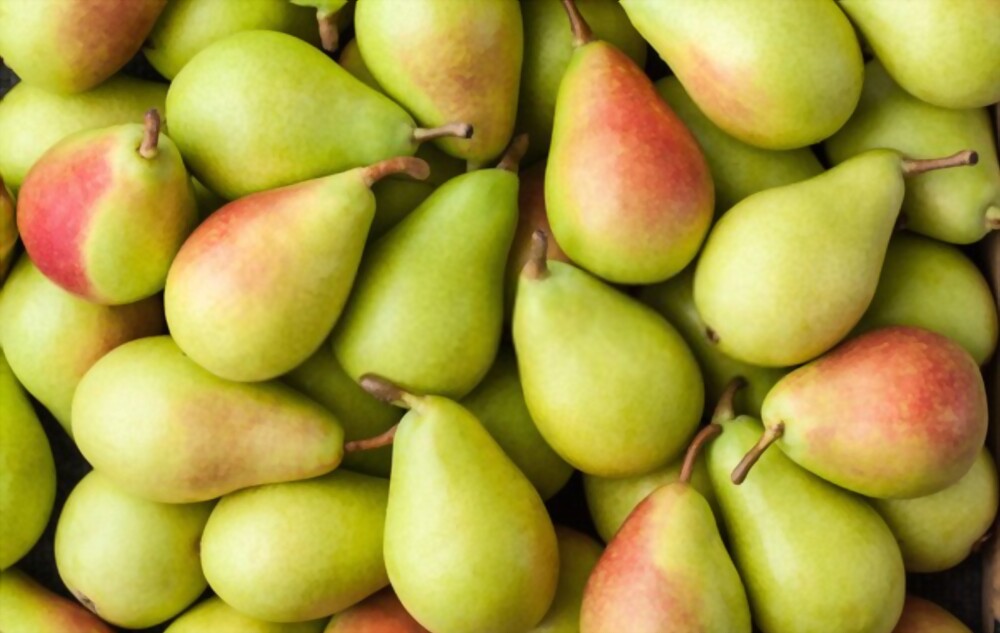
Pears are a sweet and flavorful fruit that have many nutritional benefits. They really are the full package – high fiber and full of antioxidants and vitamins. But, they can also cause issues if they are eaten in excess. People may be concerned about eating pears due to their acidity.
So, the question at hand is, are pears acidic?
Pears have a pH in the range of 3.6 to 4.0 which definitely makes them acidic. However, do not discount this fruit just because of its acidity. They contain many plant compounds that are quite beneficial to your health. The amount of dietary fiber and essential antioxidants make this fruit one of the favorites of nutritionists.
In this article, we will look at the various benefits of eating pears, and discuss whether or not they are a good choice for people who suffer from acid reflux.
Pears – are they acidic or alkaline? What do expert analyses say?
Most people who suffer from gastritis or acid reflux are very much concerned with the pH level of the fruits they choose to consume. They often note that their reflux worsens when they eat acidic foods, including some fruits.
Let’s examine the nutritional contents of pears, so you can decide for yourself if you want to eat them, and understand more about whether pears are acidic or not.
| Acids in Pears | Amount(%) |
| Citric Acid | 61.70-80.57% |
| Malic Acid | 15.17-23.45% |
| Oxalic Acid | 6.86-15.00% |
Table 1 above shows us the different types of acid that are present in pears. The vast majority of acid in pears comes from citric acid, followed by malic acid, and finally oxalic acid.
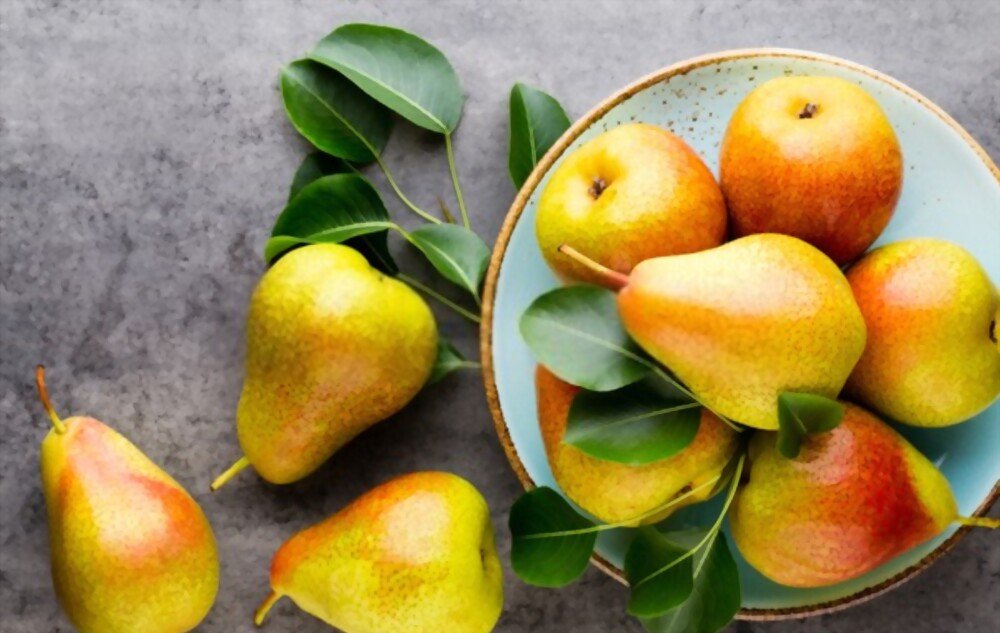
Pears contain excellent nutrition. Here is an analysis of the nutritional value of a pear. A medium pear weighs about 178 grams, or 6 ounces, on average. Details of the nutritional contents of a pear are given below.
| Pears (Nutritional content) | Amount per medium pear |
| Fiber | 6 gm |
| Protein | 1 gm |
| Energy | 101cal |
| Vitamin C | 12% of RDI |
| Vitamin K | 6% of RDI |
| Potassium & Copper | 20% of RDI |
Pears are an excellent source of energy and fiber. The fiber content is commonly known as dietary fiber. Dietary fiber means the portion of food that can’t be digested by the body.
While it may seem strange to focus on the part of food that can’t be digested, dietary fiber is actually incredibly important. It helps keep the bowels regular, and helps maintain overall gut health.
Although pears are acidic in nature, they are one of the greatest sources of antioxidants, dietary fiber, and vitamins C & K. These vitamins are critical to a healthy immune system.
Related Article: Are Peaches Acidic? Do Peaches Trigger Acid Reflux?
Various types of pears having different pH
There are almost 3000 varieties of pears found on our little planet. They may vary in size, shape, taste and they also vary slightly in pH. Here’s a list of some common types of pears with the pH range of each.
| Types of pears | pH |
| Bartlett pears | 4.09 |
| Canned pears | 3.50-4.60 |
| Asian pears | 6.3-6.8 |
| Red or green pears | 3.6-4.0 |
From the above analysis, we can see the pH values of different types of peaches available on the market. The most acidic pears (meaning those with the lowest pH) are canned pears and red or green pears. Asian pears have the highest pH, indicating that they are the least acidic.
Fun facts: The word “pear” is from the Greek for “fruit”.
Should I have pears if I have acid reflux?
As we have discussed, pears provide excellent nutritional benefits. But if you have acid reflux, then it is possible that pears may worsen your symptoms.
As we showed above, pears are definitely acidic, and the majority of the acidity comes in the form of citric acid. Commonly eaten pears have a pH in the range of 3.6 to 4.0. So, this should clear up any confusion about whether or not pears are acidic.
So, if you suffer from reflux, should you eat pears? Eating acidic fruit – including pears – in moderation will probably not cause any significant physiological changes in your body.
However, it is reasonable to pay attention to symptoms you have after eating any particular food. Acidic foods make the stomach environment more acidic.
Here, you may ask why I said more acidic stomach environment? The human body has a highly acidic stomach environment in which the pH range varies from 1.5 to 3.5.
Symptoms of reflux occur because this very low pH stomach acid refluxes, or flows up, into the esophagus, causing symptoms. The more acidic the stomach environment, the worse the reflux symptom.
So, people who suffer from acid reflux only worsen their symptoms by eating excessive amounts of acidic foods.
Why does acid reflux happen?
In a normal GI system, acid reflux does not occur, because a muscle at the top of the stomach – called a sphincter – keeps stomach acid in the stomach.
In those who suffer from acid reflux, the sphincter does not fully keep stomach acid out of the esophagus. The sphincter relaxes and allows acidic fluid to flow back into the esophagus from the stomach.
Symptoms of acid reflux include a sour taste in the mouth, vomiting, and excessive burping at the beginning stage. If not treated, symptoms can include heartburn, throat pain, and severe gastritis.
The treatment for reflux is to control the acidity of the stomach environment. The diet should contain less acidic fruit and less fat as well.
This is because the acidic fruit along with the fat or oily foods make the stomach environment more acidic and worsens symptoms of acid reflux.
Fun facts: Pears are the fifth most produced fruit that has been commonly produced in China, Europe and the United states.
5 Reasons to add pears in your diet
Now, you may wonder, “Why should I add a fruit in my diet that might cause severe gastritis?” Here are 5 reasons why you should add pears in your diet.
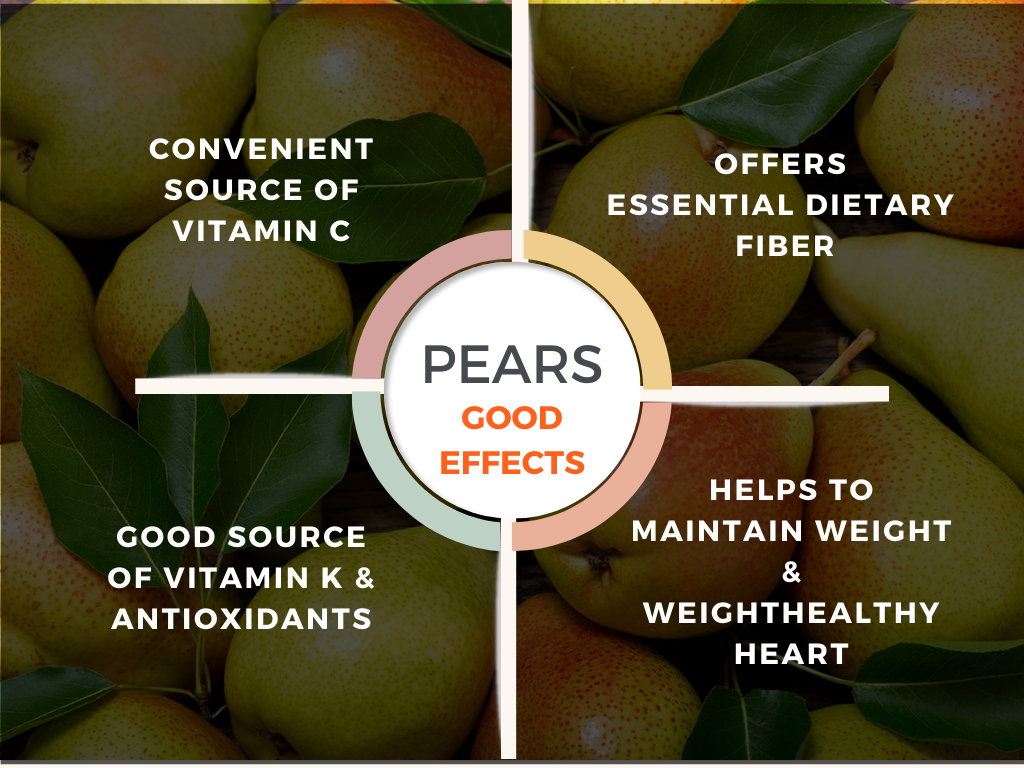
Convenient source of Vitamin C
A medium pear provides 12 % of the recommended daily intake (RDI) of vitamin C. An adult man requires 75 mg minimum vitamin C daily. Pears can provide a significant portion of this, and this helps strengthen one’s immune system.
Offers essential dietary fiber
A medium pear offers 22% of the RDI for dietary fiber. Dietary fiber is the indigestible part of the fruits that helps to relieve constipation. It also helps to feed the essential microorganisms that are present in your intestine. Dietary fiber is necessary to maintain overall gut health.
Helps to maintain weight
Fruits and vegetables are favorites of people trying to watch their weight. Due to high water content, fruits such as pears help people feel full, without allowing them to consume an excessive number of calories.
Pears are a good option for people attempting to control their weight. Therefore, pears are a good choice for people watching their weight because it helps make you feel satisfied, and curb hunger.
Good source of vitamin K & antioxidants
Pears are a good source of vitamin K and antioxidants. Antioxidants help to prevent the damage caused by free radicals. Because of this quality, antioxidants are also called free-radical scavengers.
Vitamin K is a vitamin that is essential for the blood’s ability to clot. Without adequate vitamin K blood cannot clot, which can lead to excessive bleeding from even minor injuries.
Helps to maintain healthy heart
Pears have so many healthy benefits! Red pears especially help to maintain a healthy heart. They have been noted to contain flavonoids, which are known to reduce inflammation.
Pears vs apple: which one should I pick?
Pears and apples are both highly nutritious fruits to include in your daily diet. It may seem confusing to choose between these two valuable fruits.
Here is a nutritional analysis that will help you to make the decision as to whether you want to eat pears or apples, or maybe both!
Pears are a better source of protein, calories and fiber source than apples are. Pears also provide essential elements including calcium, iron, magnesium and phosphorus in higher amounts than apples.
On the other hand, Apples are the better source of Vitamin A, E, C & B6. But if you want to come up with an easy decision. Apples do have a small amount of fat, but it is a very small amount. Both fruits can be beneficial in your diet.

Are pears acidic for babies?
Pears are a favorite food to introduce to infants, once they begin solid foods. Most babies do not have any trouble with the acidity level of pears. And since they are high in fiber, antioxidants and vitamins, they are a great choice for infants.
Pears are acidic, so if you notice that your infant seems to be suffering from reflux, talk to your pediatrician about dietary changes that may help your baby’s symptoms.
Many nutritionists recommend pears for babies since the fiber is helpful for their digestive system, and other vitamins help with immune health.
Are pears acidic for teeth?
Yes, pears do expose teeth to acidity. With all acidic or sugary foods, it is good to rinse your mouth with water after eating. This helps prevent enamel loss and cavities.
FAQs
Can I eat pears with acid reflux?
Usually a couple pears won’t significantly worsen your acid reflux. Though pears are less acidic than other fruits, it can worsen acid reflux if you eat an excessive amount of pears. The more pears you intake, the more it increases the possibility of them triggering your acid reflux.
Which fruit is least acidic?
The most nutritious and least acidic fruit will be coconut. Coconut has an almost neutral pH, which is between 5.5 and 7.8. Coconut is full of high nutrition which makes it an energy powerhouse.
Coconut is thought to have health benefits including strengthening the immune system, helping the muscles, and improving cognition, helps in strengthening the immune system, creates sharper muscle and improves brain functioning.
Can pears trigger acid reflux?
Over-eating pears can certainly trigger acid reflux. Acid reflux is triggered by the high acidic contents of the stomach. The environment in the human stomach is highly acidic with a pH range of 1.5 to 3.5. Eating acidic foods tends to worsen the symptoms of acid reflux.
Conclusion
Hopefully, you now understand the answer to the question of whether or not pears are acidic. And also, you should understand some of the health benefits of eating pears.
But remember, all foods are best eaten in moderation. Overeating of any kind of food can have unpleasant effects.
Related Posts



Subscribe for New Racipies
Get mental health tips, updates, and resources delivered to your inbox.
Cranberry Ginger Scones



I was so upset this morning when my donut recipe failed. I had to make something to cheer myself up. Scones are so easy to make, they seemed like a reasonable solution. I scoured the pantry for what to put in them. I have made a variety of scones in the past, Maple Bacon Scones, Lemon Cranberry Scones, Biscoff Chocolate Chip Scones, Mini Maple Strawberry Chocolate Chip Scones, Dulce de Leche Stuffed Scones, etc. The flavor combinations are endless.

I had some leftover crystallized ginger chips that I used in my Pumpkin Gingerbread Cupcakes. These chips have a little bit of sweetness and a lot of ginger sassiness. They add so much flavor to baked goods. I have never mixed ginger and cranberry before, but I like to take risks. I also added some honey for extra sweetness. For a little texture, I threw in some quick oats.

Sometimes I roll out the dough to make triangles, but today I was already frustrated, so I kept it simple. I grabbed the biggest scoop I had and just placed the scoops onto a cookie sheet.

I wanted to add a little sugar coating to these, so I brushed the dough with milk and sprinkled them generously with sugar.

These scones came out looking perfect. The were a nice golden color. (Be careful not to burn yourself on the hot sugar.) I love the way they cracked. You can see all the nooks and crannies. I couldn’t wait to try one.

But I had to add just one more thing. A little bit of glaze. I didn’t want a heavy glaze, just a drizzle to finish off these beauties.

I love how the outside is a little crispy from the sugar, but the inside is soft and fluffy. The ginger and cranberry DO taste amazing together. And the honey was the perfect choice for that added sweetness and it doesn’t compete with the other flavors. I am definitely using honey again in my scones.

These Cranberry Ginger Scones just made my day. I can now forget about my dry donuts that stuck to the pan and took forever to clean. I am going to go dip my scone in my coffee now and think happy thoughts!
Cranberry Ginger Scones
by The Sweet Chick
Prep Time: 10-15 minutes
Cook Time: 13-15 minutes
Keywords: bake breakfast dessert snack cranberries quick oats ginger chips honey scones American
Ingredients (12 scones)
For the scones
- 2 cups flour
- 1/3 cup sugar
- 2 teaspoons baking powder
- 1 cup quick oats
- 1/2 cup dried sweetened cranberries
- 1/2 cup crystallized ginger chips
- 6 tablespoons cold butter
- 1/2 cup milk
- 1 egg
- 1/3 cup honey
For the topping
- 2 tablespoons milk
- 1-2 teaspoons sugar
For the glaze
- 1 cup powdered sugar
- 3 tablespoons milk
- 1/2 teaspoon vanilla extract
Instructions
For the scones
Preheat oven to 425° F.
In a stand mixer, mix flour, sugar, baking powder, oats, cranberries, and ginger chips.
Cut up butter and add to flour mixture, mixing on low speed for 1 minute.
In a small bowl mix egg and milk until blended and add to the flour mixture.
Then add honey and mix on low speed until fully incorporated. The batter will be a dough like consistency.
With a large scoop, place dough onto a greased cookie sheet. Do not flatten.
For the topping
Brush the tops and sides of each scone with milk and sprinkle with about 1/4 teaspoon or less of sugar.
Bake for 13-15 minutes or until toothpick inserted in middle comes out clean.
Remove from oven and carefully place scones on cooling rack with wax paper underneath. (Scones will be extra hot due to the sugar.)
For the glaze
In a small bowl whisk together powdered sugar, milk, and vanilla until smooth.
Using the whisk, drizzle the scones with as much or as little glaze as you prefer.
You can wait for the glaze to set or go ahead and eat one!
Related Posts






Subscribe for New Racipies
Get mental health tips, updates, and resources delivered to your inbox.