
Are Peaches Acidic? Do Peaches Trigger Acid Reflux?

Medically reviewed by Lindsay Ewan, MD Updated Date: January 7, 2026
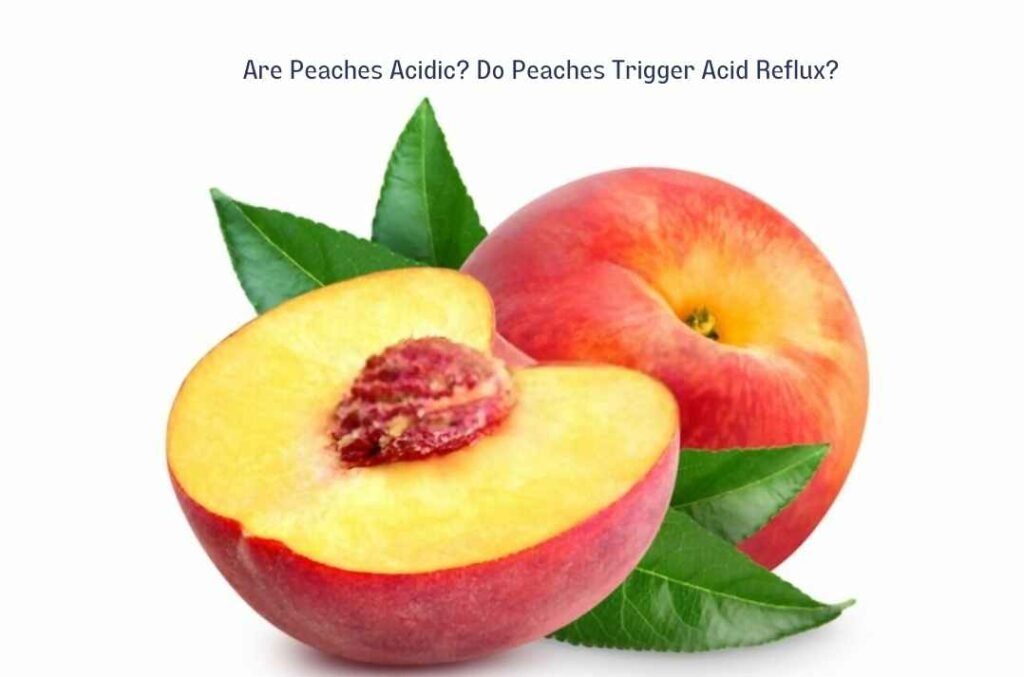
Peaches are a delicious fruit that also aids your digestion. Peaches are a sweet fruit with numerous health benefits. Peaches are full of vitamins, minerals, and health-promoting compounds. But, they may also trigger acid reflux.
At this point, the first thought that may come to your mind is: Are Peaches Acidic?
Peaches have some organic content that makes their pH range from 3.30 to 4.05. This pH range confirms that peaches are acidic. But, being an acidic fruit doesn’t make them less worthy. They nevertheless have some great health benefits that make them a nutritious choice.
Today, we will learn about one of the healthiest fruits, including 5 reasons why we should choose peaches over other acidic fruits.
Are peaches acidic, alkaline or neutral? How do we figure it out?
Peaches are a common favorite fruit. The availability and low cost make them a preferred grocery staple. They have some awesome health benefits that are reasons to include them in your diet.

Peaches are acidic by nature and they have a pH between 3.30 and 4.05. This pH indicates that they are definitely acidic. To verify this data, let’s analyze the contents below in Table 1 below.
| Acidic content in Peaches | Amount (%) |
| Aspartic acid | 2.9% |
| Glutamic acid | 4.53% |
| Citric acid | 0.04% |
From the above table, we can see that peaches definitely contain acidic contents. Though the percentage of acidic contents may seem low, these percentages reflect significant sources of acids.
pH of Peaches
| Peaches types and form | pH level | Nature |
| Peaches | 3.30-4.05 | acidic |
| Peaches, canned | 3.70-4.20 | acidic |
| Peaches, cooked with sugar | 3.64-3.72 | acidic |
| Peaches, frozen | 3.32-3.35 | acidic |
| Peaches, juice | 3.3 – 4 | acidic |
The acidic content does not make peaches less healthy. Below you can see some of the nutritional benefits of this fruit.
Related Article: Are pears acidic? 5 Reasons to add pears in your diet
Nutritional breakdown of peaches
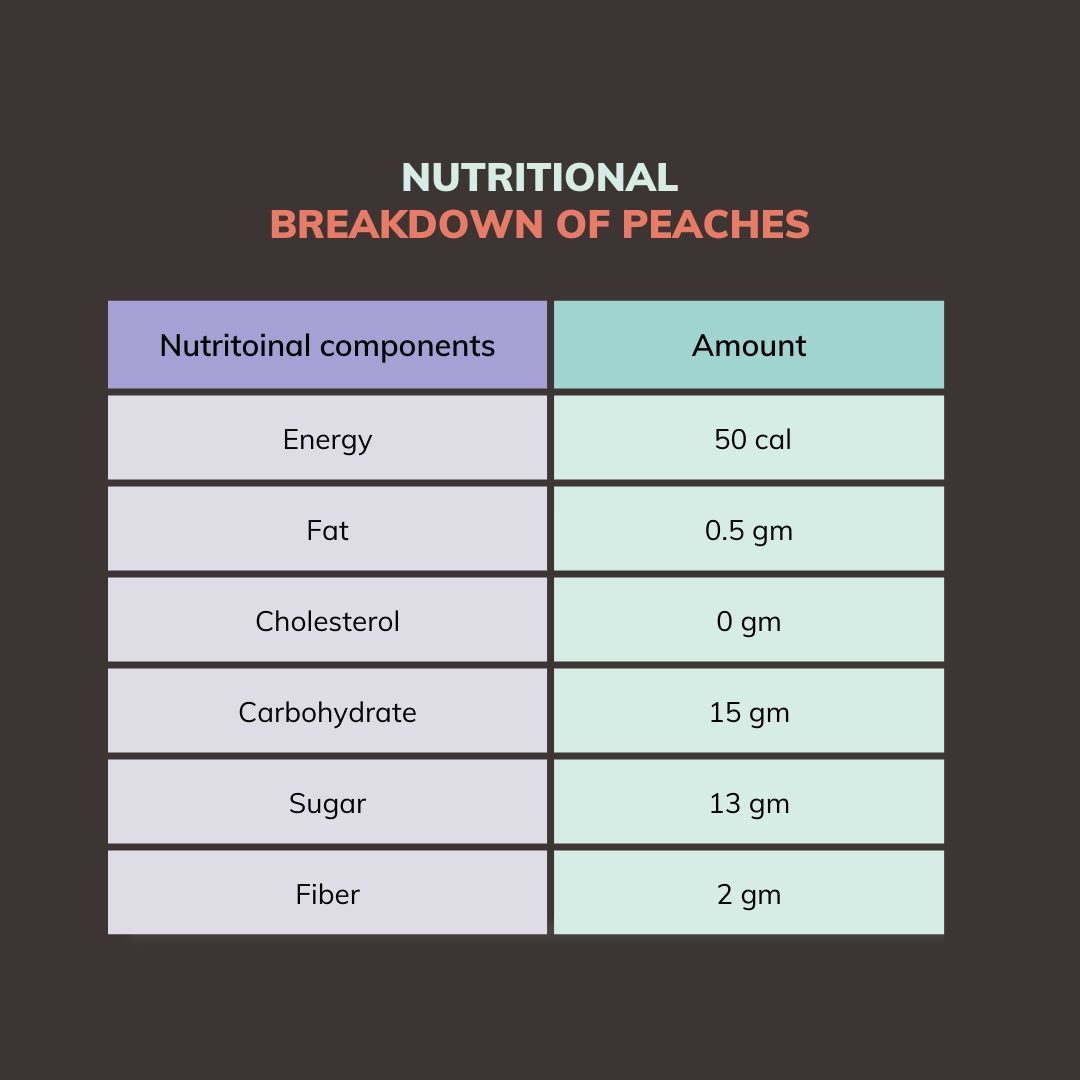
In Table 2 below we outline the nutritional content of peaches. As you can see, they are a source of energy (calories), but are a fat-free food.
Fun Fact: In the United States, 1.9 billion pounds of peaches are grown each year. People in that country eat and produce many peaches!
Are peaches good for acid reflux? Does it trigger GERD?
Acid reflux is a painful condition in which acid backs up from our stomach into the esophagus. People with acid reflux often have difficulty with acidic fruits.
For this reason, people often ask if peaches trigger acid reflux or GERD? Basically, GERD or gastroesophageal reflux disease is a condition where the backflow of the stomach irritates the esophagus, causing chest pain.
Since peaches are acidic, eating a lot of them can trigger acid reflux. Of note, since stomach acid is already very acidic with a pH ranging from 1.5 to 3.5. Peaches are not this acidic, but they are acidic enough to trigger reflux.
Reasons behind the acid reflux
Acid reflux can be caused by many reasons. But one of the most common reasons that people suffer is the higher amount of acidic content in the stomach.
The stomach makes hydrochloric acid (HCL) to aid in digestion. This is why the stomach environment is already acidic.
Now, at this point, the excessive consumption of acidic fruits like peaches can cause you acid reflux or gastritis very easily. One of the most major reasons for blaming peaches is just because of its acidic content.
But with the highly other beneficial sides peaches also justify the higher pH. Most importantly, the over consumptions of any acidic fruit won’t help you to get rid of acid reflux
Fun Fact: Peaches are delicious food and it is a symbol of immortality and friendship.
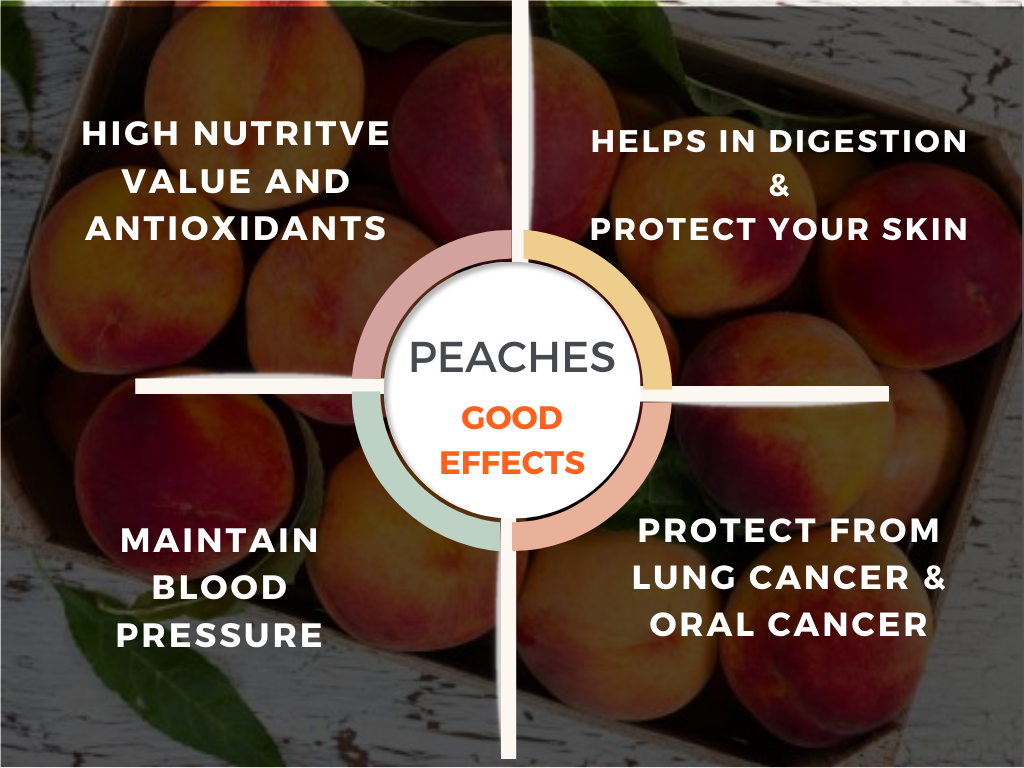
5 Reasons to start eating peaches now
Besides the acidic content of this fruit, it has several good sides as well. These facts are so convincing that it will help you to understand why you should start eating peaches now.
High nutritional value and antioxidants
Peaches are full of nutritional value that helps to make your immune system strong and helps you to fight against microbial infections.
The antioxidants play a fascinating role in protecting our bodies. They help protect our body from free radicals. Peaches have a high amount of antioxidants, and they also help keep the heart healthy.
Helps in digestion
Peaches help in digestion as well. Peaches contain approximately 2 grams of fiber. Fiber is the indigestible part of the fruit. This helps to make the digestion smoother and helps to keep a healthy environment in the intestine.
Fiber also provides the appropriate environment for healthy microorganisms that are present in the intestine.
Maintain blood pressure
Peaches are very effective at maintaining blood pressure. High blood pressure can be a serious problem, so helping regulate blood pressure is a significant benefit.
Protect from lung and oral cancer
Peaches are full of vitamin A, which is known as the lifesaver vitamin. It helps to create a shield for the lungs and helps create immunity that provides protection from germs.
Peaches also contain high amounts of minerals, potassium and irons that help protect people from lung cancer and help keep the heart healthy.
Protect your skin
Peaches are one of the most highly-recommended fruits by doctors. They contain enough vitamin C and A to help to protect the skin from the ultraviolet rays from the sun.
Peaches work as a protective layer above your skin that helps you to maintain a healthy skin and also protect you from skin cancer.
Fun Fact: Peaches are so good for diabetes patients. Moreover, it is a great source of vitamins A and C.
Are frozen peaches healthy?
Frozen fruits contain similar amounts of vitamins as fresh fruit, so it is fine to eat peaches that have been frozen. They are sweet and taste great, and frozen peaches can also be cooked. Either frozen or fresh peaches are a great source of vitamins, minerals, and antioxidants.
Are yellow peaches acidic?
Yes, yellow peaches are more acidic than white ones. Yellow peaches have a tart taste that reflects their acidic content. White-fleshed peaches are lower in acid.
Having a couple of yellow peaches won’t cause much trouble but the excessive consumption may increase your risk of acid reflux or gastritis.
Are canned peaches acidic?
Canned peaches have a pH scale between 3.70-4.20. That’s why canned peaches are slightly less acidic.
However, the exact details depend on the ingredients used in the canning process. Canned peaches also have a lot of added sugar that is not necessarily healthy.
Therefore, it is preferable to eat fresh peaches instead of canned ones.
Related Article: Are Cherries Acidic? Cherries and GERD [Good or Bad]
FAQs
Are peaches acidic or alkaline?
Peaches have a pH ranging from 3.30 to 4.05. Anything with a pH below 7 is acidic, thus peaches are slightly acidic. Peaches are acidic because they contain acidic compounds including citric acid, malate acid, glutamic acid, and aspartic acid.
Are peaches more acidic than apples?
Peaches and apples have similar pHs, so they are approximately the same in terms of acidity. Apples have a pH in the range of 3.0 to 4.0 while peaches have pH in the range of 3.30 to 4.05. Both peaches and apples are healthy fruits to consume.
Are peaches OK for acid reflux?
Peaches are unlikely to exacerbate acid reflux if they are consumed in moderation. One or two peaches a day are likely fine. However, eating an excessive amount of peaches may increase your risk of gastritis, which can affect your digestive tract.
What acids are in a peach?
These are the common acids that are present in a peach. Due to malic acid and citric acid, a peach becomes more acidic.
- Aspartic acid
- Glutamic acid
- Malic acid
- Citric acid
These are some common organic acids with lots of health benefits as well.
Conclusion
Hopefully, this article helped you to find out whether peaches are acidic or not and informed you about the health benefits of including peaches in your diet. Overall, peaches are a sweet fruit that is full of nutrients and is a great choice.
Related Posts



Subscribe for New Racipies
Get mental health tips, updates, and resources delivered to your inbox.
Is Spinach Acidic? Spinach and Acid Reflux

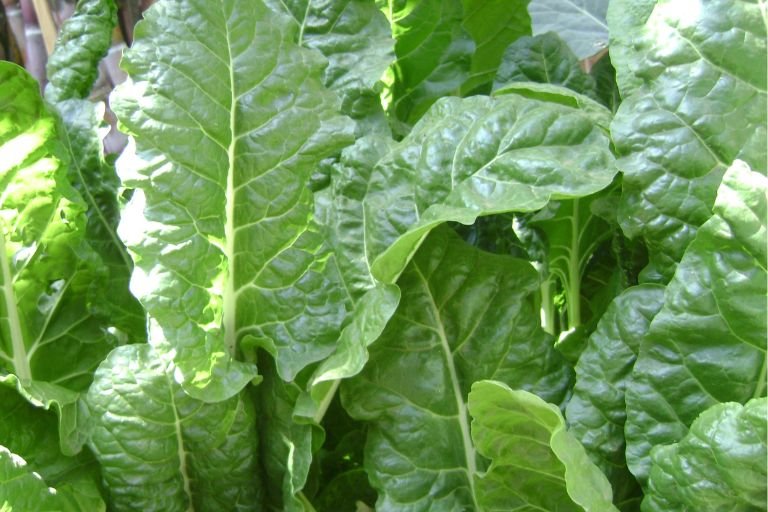
Spinach is often celebrated for its nutritional benefits, but for individuals with acid reflux, it’s important to consider how foods impact their condition. Acid reflux, or gastroesophageal reflux disease (GERD), occurs when stomach acid flows back into the esophagus, causing discomfort and irritation. Dietary choices play a critical role in managing this condition, as certain foods can either trigger or alleviate symptoms.
Among the many leafy greens available, spinach stands out for its versatility and nutrient profile. But how does it affect acid reflux? Is it a trigger food, or can it provide relief? In this article, we’ll explore the acidity of spinach, its effects on acid reflux, and practical tips for incorporating it into a reflux-friendly diet.
Is Spinach Acidic or Alkaline?
Spinach has a mildly acidic natural pH, ranging between 5.5 and 6.8. However, once digested, spinach has an alkaline effect on the body due to its high mineral content, including magnesium, calcium, and potassium. This makes it a favorable choice for people managing acid reflux.
Acidic vs. Alkaline Foods
Foods that leave an alkaline residue after digestion can neutralize stomach acid and reduce reflux symptoms. Spinach’s alkalizing properties make it one of the most recommended leafy greens for those dealing with gastroesophageal reflux disease (GERD).
Spinach and Acid Reflux: Benefits
1. Rich in Alkalizing Minerals
Spinach is packed with magnesium and potassium, which help neutralize stomach acid and soothe the digestive tract.
2. Low in Fat and Calories
Fatty foods are a common trigger for acid reflux because they relax the lower esophageal sphincter (LES). Spinach is naturally low in fat, making it a reflux-friendly option.
3. High in Fiber
Dietary fiber promotes healthy digestion and can help prevent constipation, a condition that can exacerbate acid reflux. One cup of cooked spinach contains approximately 4.3 grams of fiber.
4. Anti-Inflammatory Properties
Spinach contains compounds like beta-carotene and flavonoids, which have anti-inflammatory effects. This can help reduce esophageal irritation caused by acid reflux.
Related to Read: Are Baby Spinach Acidic?
Potential Concerns with Spinach
While spinach is generally safe and beneficial for acid reflux sufferers, some individuals may experience issues:
1. Oxalate Content
Spinach is high in oxalates, which can contribute to kidney stone formation in susceptible individuals. Oxalates do not directly cause acid reflux but may pose risks if consumed in excess.
2. Cooking Methods
How spinach is prepared can influence its effect on acid reflux. For example:
- Raw Spinach: Easier to digest for most people and retains its alkalizing properties.
- Creamed Spinach: Often prepared with dairy and butter, which are high in fat and can trigger acid reflux.
3. Portion Size
Overeating any food, including spinach, can lead to an overfilled stomach, increasing the likelihood of acid reflux. Moderation is key.
How to Include Spinach in an Acid Reflux-Friendly Diet?
To safely incorporate spinach into your diet, consider the following tips:
1. Pair with Alkaline Foods
Combine spinach with other alkaline foods like cucumbers, zucchini, or sweet potatoes for a balanced meal that reduces acidity.
2. Avoid Trigger Ingredients
Avoid adding high-fat dressings, cheese, or acidic condiments like vinegar to spinach dishes.
3. Steam Instead of Frying
Steamed spinach retains its nutrients and is gentle on the stomach. Avoid frying spinach in oil or butter to minimize reflux triggers.
4. Monitor Your Tolerance
Everyone’s tolerance levels differ. Start with small portions of spinach and observe how your body responds.
Author Tip: 7 Kinds of Foods to Avoid with GERD
Spinach-Based Recipes for Acid Reflux
1. Spinach and Quinoa Salad
Ingredients:
- 2 cups fresh spinach
- 1 cup cooked quinoa
- 1/2 cup diced cucumbers
- 1 tbsp olive oil
- A pinch of salt
Instructions: Combine all ingredients in a bowl. Toss with olive oil and enjoy a light, reflux-friendly meal.
2. Spinach and Sweet Potato Smoothie
Ingredients:
- 1 cup fresh spinach
- 1/2 cup cooked sweet potato
- 1 cup almond milk (unsweetened)
- 1 tsp honey (optional)
Instructions: Blend all ingredients until smooth. This nutrient-packed smoothie is soothing and easy to digest.
Author Tip: 7-Day Meal Plan For Gastritis
Scientific Evidence Supporting Spinach for Acid Reflux
Several studies support the inclusion of alkaline foods, including spinach, in managing acid reflux symptoms:
- Alkaline Diets and GERD Relief: A 2018 study in the World Journal of Gastroenterology highlighted the benefits of alkaline foods in reducing GERD symptoms by neutralizing stomach acid.
- Magnesium’s Role: Research published in The American Journal of Clinical Nutrition (2020) emphasized magnesium’s role in reducing acid production and promoting LES function.
- Fiber and Digestive Health: A 2017 study in Nutrients found that high-fiber diets improve digestion and reduce reflux risk.
Final Thoughts
Is spinach acidic? Technically, spinach has a mildly acidic pH, but its alkalizing effect in the body makes it a safe and beneficial choice for those managing acid reflux. By preparing spinach in healthy, low-fat ways and consuming it in moderation, you can enjoy its numerous health benefits without aggravating reflux symptoms.
If you’re unsure about adding spinach to your diet, consult a healthcare provider or dietitian for personalized advice. With mindful choices, spinach can be a delicious and reflux-friendly addition to your meals.
Related Posts
Subscribe for New Racipies
Get mental health tips, updates, and resources delivered to your inbox.