
Are Lean Cuisines Healthy? Secrets Revealed!

Medically reviewed by Christiana George Updated Date: January 2, 2026
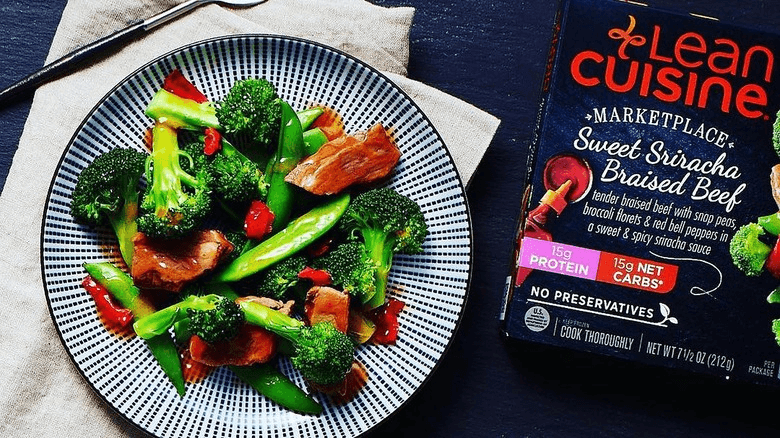
Lean cuisine is a term used to refer to foods that are lower in fat and calories. It’s a very popular diet trend, especially for those looking to lose weight. But aside from the benefits, there are several side effects too.
So, you want to know are lean cuisines healthy?
Lean cuisines are frequently criticized for having fewer nutritious ingredients. They are blamed for contributing to weight gain and bad health. The good news is that some lean foods support a healthier lifestyle. However, some lean cuisines are truly not what they advertise and promise to serve.
Here, we investigate whether lean cuisine is good or bad for you. So let’s get started.
So, are lean cuisines healthy or not?
The answer is very simple. Lean cuisines are supposed to have less fat and cholesterol. Additionally, they should serve you with fewer calories. If a lean cuisine has these characteristics then it’s healthy for you.
If you are searching for ways to eat healthier and lose weight, it is important what you’re eating. Unbalanced eating habits can result in health issues.
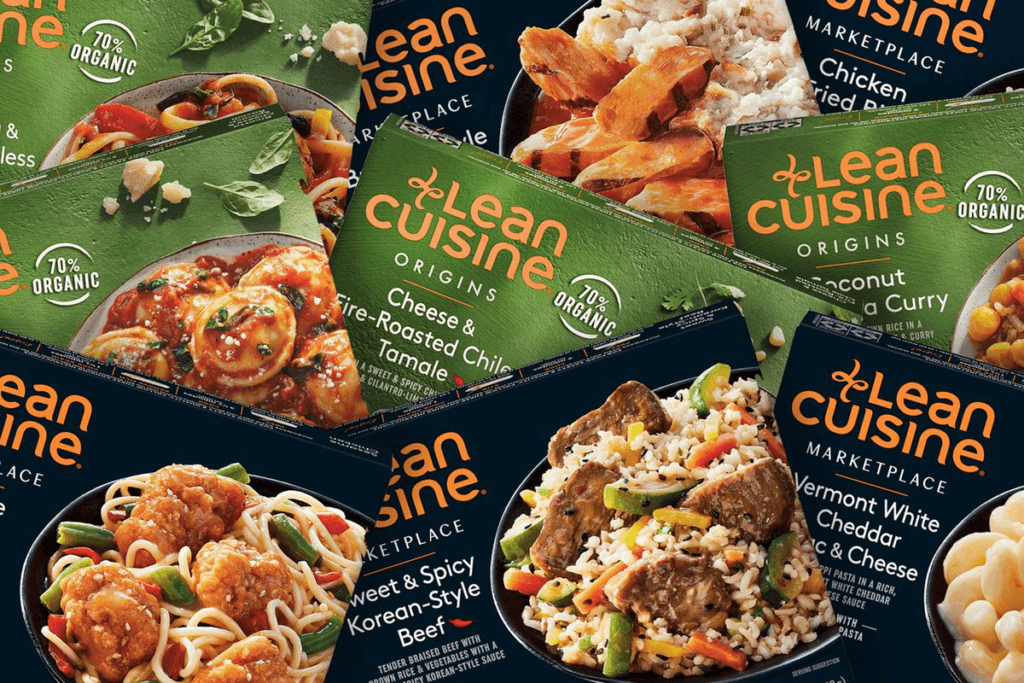
Lean Cuisine is a term used to refer to the eating habits of people who follow a particular diet. The concept came up after the success of the movie Fat, Sick, and Nearly Dead starring Mark Sisson and Joe Cross.
Many people who wanted to improve their health were inspired by this film. As a result, it became a widely accepted idea.
If we check the nutritional values of lean cuisine, it’ll clear out all the doubts. Let’s look at the nutrition facts to get a better analysis of the food.
What are the Nutrition Facts of Lean Cuisines?
There are many low-cuisine food recipes available to choose from. We’ve chosen the favorite of most people, Chicken Enchilada Suiza.
Let’s have a quick overview of the nutrition table.
| Nutrients | Amount | Daily value % per 255 grams |
| Calories | 281 | 14% |
| Protein | 10g | 20% |
| Carbs | 51g | 17% |
| Fat | 4g | 5% |
| Fiber | 3.1g | 11% |
| Sugar | 7g | 14% |
The table below shows the nutrition facts per one serving (255 g) of lean cuisine.
| Nutrients | Amount | Daily value % per 255 grams |
| Total fat | 4g | 5% |
| Cholesterol | 20.4 mg | 7% |
| Sodium | 520.2 mg | 23% |
| Total carbohydrate | 51g | 17% |
| Dietary fiber | 3.1g | 11% |
| Total sugars | 7g | 14% |
| Protein | 10g | 20% |
| Vitamin-C | 1.3 mg | 1% |
| Iron | 1.1 mg | 6% |
| Calcium | 150.5 mg | 12% |
| Potassium | 339.2 mg | 7% |
So, the table shows that lean cuisines contain many vital nutrients. For our body to function properly, these nutrients are necessary. The only concerning part we think is the sodium level. People with cardiovascular disease may not find it suitable.
You might be wondering, does lean cuisine have a lot of carbohydrates? Let’s quickly review the pie chart below.
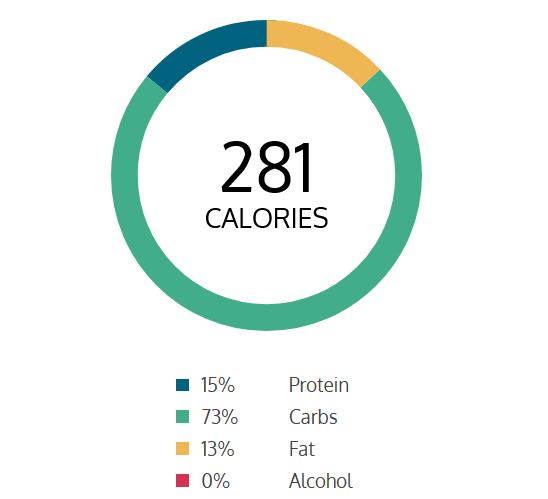
So, the pie chart shows that most of the calories of lean cuisine come from carbohydrates. It’s a good thing since carbohydrates are crucial to our body.
What are Some Myths About Lean Cuisine?
There are some myths in the air about lean cuisines. We’re here to bust some myths. So, let’s begin.
Myth 1: Lean Cuisines Can Make you Lose Weight.
It’s true to some extent that lean cuisines don’t add weight. Lean cuisines cannot make you lose weight. However, losing weight depends on some other important factors. Such as your carbohydrate intake, your protein intake, and exercise.
Also losing is not a quick procedure, it takes time. A person’s genetics and hormones also affect the overall body weight. Hence, burning more calories compared to the calories taken is not enough to lose weight.
Myth 2: Lean Cuisines Have Fewer Calories
In the nutritional fact section, we’ve seen that lean cuisines may contain 200-450 calories per serving. As a result, having lean cuisine regularly can make you gain calories faster. Those calories will gradually add weight to the body.
The daily recommended value of calories for adults is around 1000 to 1500 calories. So, having 3 or more servings of lean cuisine can surpass the DV and add extra calories. Extra calories mean extra weight in the body.
What are the Health Benefits of Lean Cuisines?
Lean cuisines are filled with dietary fiber, carbohydrates, vitamins, and minerals.Let’s talk in detail about the advantages to your health.
Reason 1: Fiber-rich
Our bodies require fiber as a vital component. Fiber comes in two varieties: soluble fiber and insoluble fiber.
Gaining a healthy weight and lowering bad cholesterol are all benefits of fiber. Fibers also reduce the risk of diabetes, heart disease, and even cancer.
Lean cuisines contain 3.1 grams of dietary fiber per 255 servings. That’s almost 11% of the daily recommended value of fiber intake. Try to combine lean cuisines with other fiber-rich food sources, it’ll help you to meet your daily intake of fiber.
Reason 2: No Added Preservatives.
Preservatives are chemical substances used to store foods and keep them fresh. Preservative prevents producing bacterias in the food. However, too much preservative in the body can cause hypersensitivity, neurological dysfunction, and even cancer.
Some of the most harmful preservatives are sodium nitrate, potassium bromate, BHA, etc. Luckily, we don’t have any in lean cuisines.
Reason 3: Serves Enough Protein
Protein helps muscle mass, increases strength, and lowers blood pressure. Lean cuisines contain a total of 10 grams of protein. Around 0.8 grams of protein per kilogram of body weight is recommended per day.
For instance, a 55kg person should take 44 grams of protein per day. So, one serving of 255 lean dishes can provide 20% of the daily value. So, lean cuisines are a good source of quickly filling out protein needs.
Reason 4: Vitamin C
Our bodies require vitamin C because it aids in the healing of damaged tissues. You get 1% of your recommended daily intake of vitamin C from one serving of lean cuisines.
Vitamin C prevents heart disease, neutralizes blood pressure, and improves memory. Also, a lack of vitamin C in the body causes skin, hair, and dental damage.
Reason 5: Rich in Potassium
Potassium is undoubtedly the most important elements in the body. One serving of lean cuisine provides 339 mg of potassium, which is 7% of the DV. Potassium helps to synthesize protein and metabolize carbs in the body.
Additionally, it supports the healthy operation of the body’s cells and nerves. Therefore, a deficiency in potassium can lead to serious health issues.
Now you might be thinking, are frozen lean cuisines healthy?
Because of their nutritional content, frozen lean foods are thought to be healthy. However, they are processed with high-level sodium and other chemical agents. As a result, it’s harmful to the body rather than beneficial.
What are the Long-Term Side Effects of Lean Cuisines?
Well regardless of having so many nutrients, lean cuisine is unhealthy too for some reasons. Let’s explore those reasons in detail.
Reason 1: High Amount of Sodium
Lean foods contain a lot of salt or sodium. The daily recommended salt intake is around 6 grams. 255 grams of lean cuisines contain 520.2 mg of sodium, which is 23% of DV.
Excessive sodium intake increases blood pressure, chances of heart attack, and even stroke. Doctors recommend cutting down on extra sodium from the diet Hence, next time while having lean cuisines keep the recommended intake in mind.
Reason 2: High in Potassium
Potassium is one of the most crucial components of the body. One serving of lean cuisine provides 339.2 mg of potassium, which is 7% of the DV. Potassium helps to synthesize protein and metabolize carbs in the body.
However, excess potassium intake can cause potassium overdose. When the body fails to process the extra potassium it results in nausea, vomiting, and fatigue.
Also read:
Is Mac and Cheese Healthy? Calories, Nutrition, and a Awesome Recipe
Summary
Lean cuisines are foods that are low in fat and calories. Lean cuisines are healthy foods for people who cut calories. You can either buy them chilled or frozen.
The only difference between the two is that the frozen ones are freshly prepared and have a longer shelf life. Nonetheless, it’s also true that compared to other high-calorie foods lean cuisine serves pretty low. Almost 72% of lean cuisines are carbohydrates.
Lean cuisines are also loaded with vitamins and minerals such as vitamin C, fiber, potassium, and calcium. These nutrients are a must for healthy body function. Hence, people who want to maintain a healthy diet can have lean cuisines.
FAQs
Are the calories on Lean Cuisine accurate?
No, you can’t accurately count on calories. Calorie counts may vary despite the mentioned value in the packaging. Many studies have found that actual calories differ from the calories written in the package. However, it’s not really a big deal.
What are the healthiest frozen dinners to eat?
Frozen foods are generally not healthy but there are some frozen foods that are healthier. Such as lean cuisine chicken teriyaki, veggie scramble, Kellogg’s plant-based protein bowl, etc. Their low-calorie counts make them a comparatively healthier choice.
Can you cook ready meals in an air fryer?
Yes is the answer. Lean cuisines are frozen goods that can be cooked using an air fryer. What’s more, is that air fryers can perfectly cook your frozen food compared to normal cooking. Also, it can save you some time on the go.
Conclusion
So that was all about Lean Cuisines for today. Hope we’ve covered everything and cleared out every aspect of your query.
Now you’d be able to decide are lean cuisines healthy or not. Don’t hesitate to send us your feedback and suggestions.
We’ll catch up with you in the next one. Till then stay fit and healthy. Goodbye.
Related Posts






Subscribe for New Racipies
Get mental health tips, updates, and resources delivered to your inbox.
Are Burgers Healthy? 6 Tips to Turn Burgers Healthier

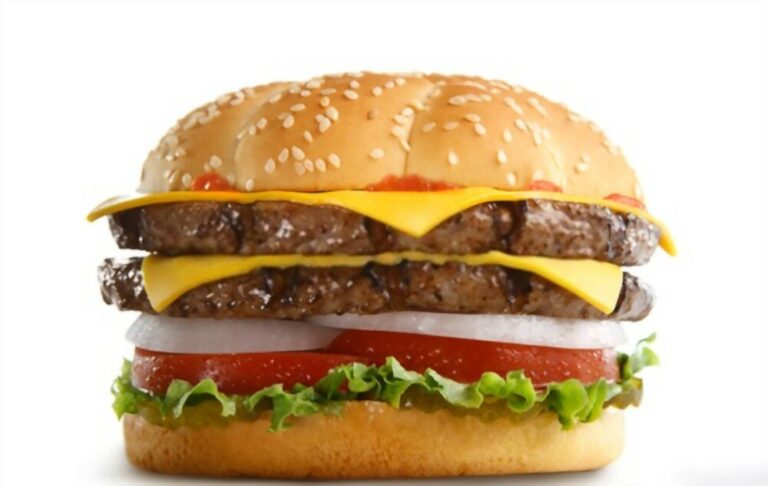
Everyone, more or less, loves to binge on burgers. The blast of amazing flavors and juicy meat make it a favorite snack choice.
But the real question is: Are burgers healthy?
No, burgers are not healthy. Especially when we are having it from fast food restaurants. They are usually loaded with extra cheese and sauce. Not to forget the huge bun. Definitely not a balanced, nutritious meal. However, you can make your own healthy burgers by simply bringing some modifications.
Still unsure? Well, do not sweat! Because here I am gonna clear all the queries and confusion you might have. Plus, I will be providing how to make a healthy burger on your own.
Read on!
The Problems With Burgers
Let’s be clear about one thing: burgers aren’t usually healthy.
Burgers are stuffed with extra cheese and special sauce and served on a huge bun. These aren’t exactly the ideal example of a balanced, nutrient-dense meal.
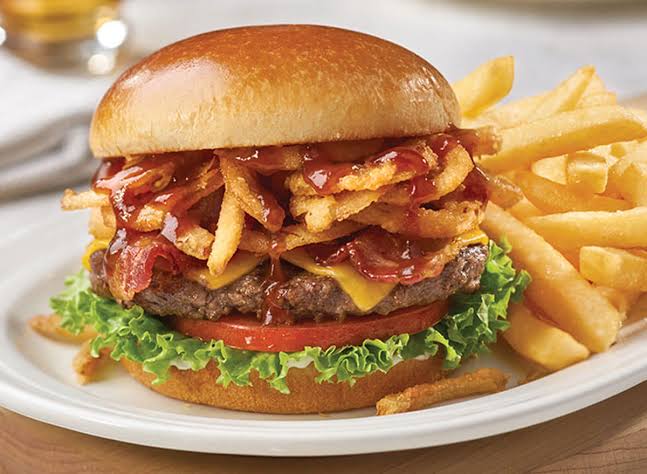
Especially when they are served by a fast-food restaurant.
The typical patty contains roughly 25 grams of fat. And 10 of which are saturated, from the cuts of beef, used.
A Big Mac burger has 494 calories, of which its fat content is responsible for half.
Additionally, one serving of sauce on a burger contains about 10 grams of sugar. Which is higher than the typical chocolate chip cookie.
The majority of burger toppings, like tomato sauce and barbeque, contain at least 25 percent sugar.
The buns come next. Refined white flour, which has minimal nutritional value and immediately raises blood sugar levels.
A burger is almost as unhealthy as eating a large piece of cake when it comes to high-fat meat and high-sugar sauce.
Related Post: Is Mac and Cheese Healthy? Calories, Nutrition, and a Awesome Recipe
What Happens When You Eat Burgers?
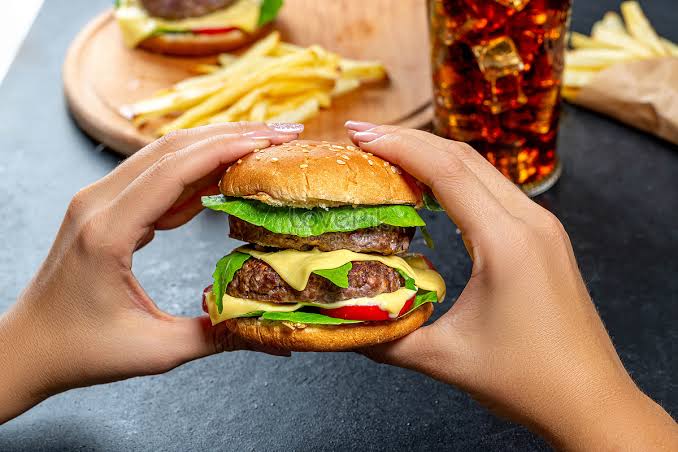
According to science, eating junk food even occasionally can be harmful to your health. Because it is bombed in fat, calories, as well as sodium.
One single hamburger, for instance, contains 500 Cal. Along with the fat of 25 grams and 40 grams of carbs.
Also, it contains 10 grams of sugar and 1,000 milligrams of sodium. All of these might be damaging to your health.
After taking your first bite of a burger, you will see a significant spike in glucose after 15 minutes.
As an outcome, insulin is discharged. And it provokes you to become hungry again shortly after.
The chance of developing diabetes can rise if this practice is continued. According to science, eating too many calories at once causes oxidative stress in the cells.
Consuming a meal high in saturated fat might be detrimental to your health.
It was shown that a group of healthy men’s arteries was severely damaged. And also didn’t dilate after they depleted foods high in saturated fat.
Later in adulthood, heart illness may result from this blood flow limitation.
The blood vessel may suffer because of the excessive sodium content.
Hence, the next time you’re dying to have a burger, you gotta resist the impulse!
Related Post: Are Crackers Healthy? Should you avoid or eat crackers
How to Prepare a Healthy Burger
This is for when you are gonna attempt to eat healthily. Burgers do not necessarily have to be totally off-limits.
In fact, research demonstrates that red meat may be a fantastic source of high-quality protein. Plus, vital elements such as iron, zinc, and vitamin B12 are there. But only when incorporated into a wholesome, varied diet.
Besides, poultry, for example, chicken as well as turkey, maybe one outstanding addition to nutrition.
Then where is it going wrong, exactly?
The answer would be the big bun, fatty toppings, as well as the size of your patties.
Burgers happen to be generally a fast food that is reserved for your cheat days.
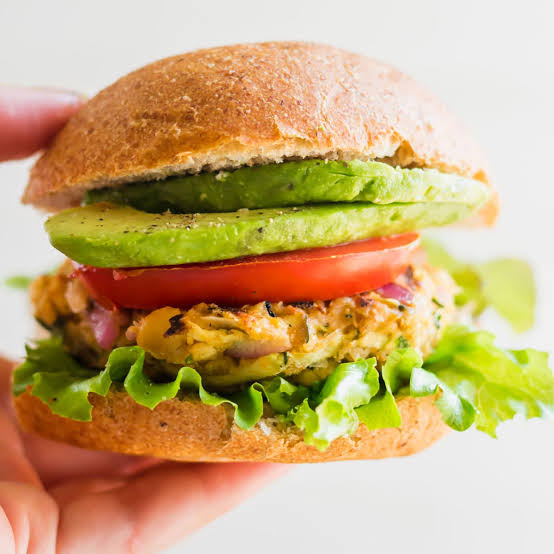
However, handmade ones are actually flavorsome and nutritious.
Related Post: Are Fish Sticks Healthy – 10 Healthy And Unhealthy Facts
Keep It Juicy And Trim the Fat Off
Reduce the saturated fat content in burgers by selecting lean meat. Such as ground beef, turkey, or chicken.
Lean food, as per USDA, is illustrated as containing lower than 11 grams of fat. Plus, the saturated fat content is about 4.5 grams.
Less than about 2 g of saturated fat per 100 grams is deemed extra lean.
In order to quickly narrow down your choices when meat shopping, aim for cuts that are between 90 and 95 percent lean.
Just remember that while leaner alternatives reduce fat and calories, they can also make your burger dreadfully dry.
Also, When you are gonna shape those patties, handle the meat as little as you can. This will make the thing as juicy as possible.
Avoid pushing the burgers with a spatula after they are on the grill or in the skillet as this can cause them to release more juice.
Trim the Meat
Even while lean meat isn’t bad in moderation, handmade burgers are a terrific way to sneak in lots of vegetables. Even if the burger isn’t vegetarian.
In addition to adding delicious flavors, chopped mushrooms, green onions, and carrots. Plus, the shredded sweet potatoes, carrots, and zucchini give the burger some extra fluids.
Try black beans, lentils, quinoa, or rice. Grains, beans, and pulses can also appear.
Before making your patties, put in these components into that raw meat mix. Cook the patties as usual afterward.
Add a Healthy Binding Agent
The most widely used ingredient for binding ground meat is bread crumbs. But I suggest that you can use oats instead because they are high in fiber.
For every pound (lb) of ground beef, use 14 cups of oats.
You can use chia seeds as a binder instead. As they work really nicely as a binder. And also contribute important fiber and omega-3 fatty acids.
To make chia seeds into a binder, combine them with water.
Mix about 2 tbsp of water with 1 tbsp of chia seeds. After that, you can utilize your chia seeds. Also, it is integral to let the seeds soak in the water.
At least for about ten minutes. Soak it in the water, they take a little while to gelatinize.
I recommend flax “egg” as a third choice, which also has fiber and omega-3 fatty acids.
Use 3 tbsp of lukewarm water with 1 tbsp of powdered flaxseed.
The flax egg should stay for a few minutes. It is gonna gelatinize this way. Then it can be utilized as your binder.
Spice Your Burger Up
In addition to adding a ton of flavor to burgers, spices, and herbs. Also include antioxidant substances like polyphenols.
Some of the highest quantities are found in oregano, thyme, sage, rosemary, and saffron. Particularly, when they’re dried.
Before you fry those patties, you need to stir a few of those dried spices. Incorporate them into that meat or vegetable mix.
Add fresh or chopped herbs to the top of your burger just before serving it to give it a little more flavor.
Size It Properly
Have you ever had a burger that was almost as big as your face at a restaurant?
It could seem like a fun challenge to finish it all, but if you do, you’ll probably end up in a major food coma.
You can regulate the patty size to something more acceptable and nutritious while creating burgers at home.
A 4-ounce protein patty, about the size of a deck of cards, constitutes one serving; during cooking, the burger should reduce to about three ounces.
Make judicious topping selections.
The simplest way to ruin a healthy burger is to cover it with a heavy coating of fattening, sugary, and salty toppings.
Salsa is a way more nutritious substitute for sweet ketchup. Or you could consider preparing your own.
And instead of mayo, choose guacamole for a little richness. Put as much fresh or grilled vegetables as you can on top of the burger. That can include tomatoes, peppers, onions, greens, and mushrooms.
You won’t miss that enigmatic unique sauce mixture with all the flavor and texture this offers.
Related Post: Is Potato Salad Healthy? [ 3 Best Potatoes for Potato Salad]
Think Alternatives to the Bun
While avoiding the bun altogether (going bare) is always an option. There are other healthy options that offer a more genuine burger-eating experience.
Consider low-carb alternatives like cloud bread. Two slices only have 94 calories and 9 grams of protein, plus it’s simple to cook.
Alternatively, you may place your burger between two large portobello mushroom caps, rounds of sweet potato or eggplant, or lettuce leaves.
So, there you go! That is how you can make a healthy burger all by yourself!
FAQs
Are hamburgers really unhealthy?
Yes, consuming junk food even sometimes is gonna be harmful to health. The reason is the increased sodium, calories, and fat. One hamburger, for instance, retains 500 cal, g of fat. Plus 40 gms of carbs, 10 grams of sugar, and mg of sodium. All of these might be harmful to health.
Do burgers increase weight?
Yes, Burgers can be heavy in calories. And in case you consume more calories than you burn, you are gonna gain weight. A hamburger and mayonnaise contain about 942 calories. If you order it along with a regular soft drink, your meal may be even higher in calories.
How much fast food can I eat?
Eating fast food very frequently is tied to an elevated risk of obesity. As per the various studies done on junk food intake. If you consume it more often than 2 times a week, you are at a higher risk of metabolic syndrome. Also, you might suffer from type 2 diabetes, as well as coronary heart disease.
Wrapping Up
Hope I have cleared your question about are burgers healthy?
Now you know the answer. So, if you want to eat healthily, I suggest cutting down on burgers a little. Particularly the ones from local fast food eateries. And consider making a healthier burger following the instructions I provided.
That is it for today. Remain healthy!
Related Posts
Subscribe for New Racipies
Get mental health tips, updates, and resources delivered to your inbox.