
Are Rambutans Acidic? Southeast Asian Fruit Guide

Medically reviewed by Jaclyn Weiner, RD, RDN, MEd, MS Updated Date: October 14, 2026
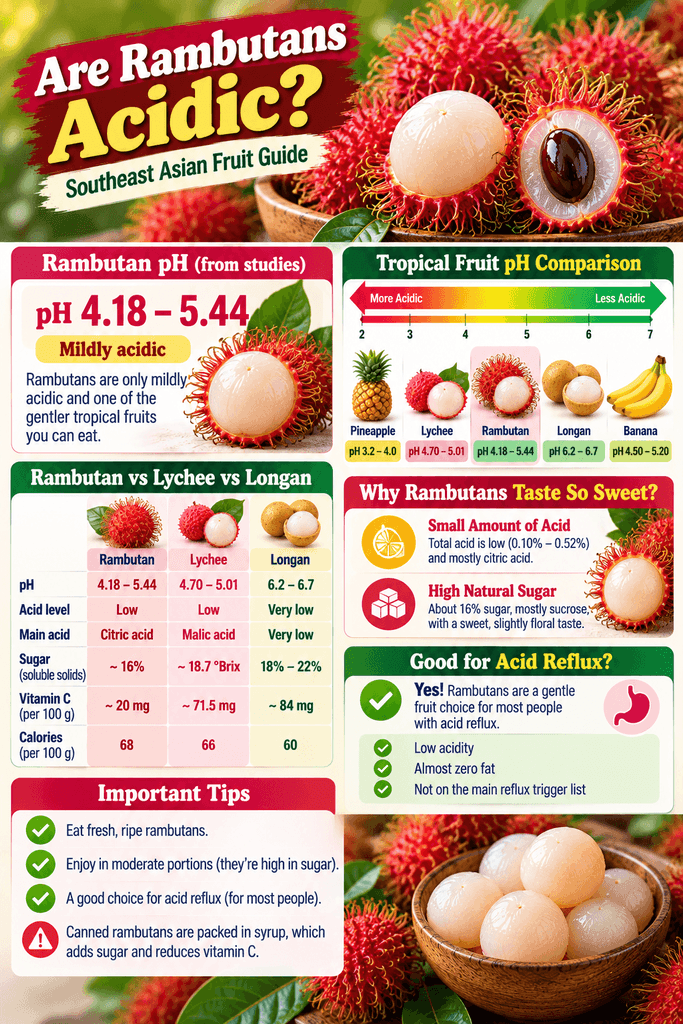
Rambutans are only mildly acidic. A study of Malaysian rambutan clones measured a pH of about 4.18 to 5.44, with titratable acidity of just 0.10% to 0.52%, expressed as citric acid (Chai et al., 2018). University of California postharvest experts describe rambutan as having “low acidity (average is 0.36%, mainly citric acid)” (Kader, UC Davis). That puts rambutans in the same gentle range as lychees and bananas, and far below tangy fruits like pineapple or passion fruit.
Rambutans look wild on the outside, with red, hairy shells, but inside they’re sweet, juicy, and mild. This guide explains how acidic rambutans really are, how they compare with lychees and longans, whether they’re a good choice for acid reflux, and how to enjoy them.
Key Takeaways
- Rambutans are mildly acidic, with a pH of about 4.18 to 5.44 in a study of Malaysian clones.
- Their total acid is low, about 0.10% to 0.52%, and mostly citric acid.
- They’re very sweet, with about 16% sugar on average, mostly sucrose.
- Rambutans are similar to lychees in acidity and more acidic than near-neutral longans.
- They’re a gentle fruit for most people with acid reflux, but portions still matter because of their sugar.
- Canned rambutans are packed in syrup, which adds sugar and cuts vitamin C.
Are Rambutans Acidic? The Short Answer
Yes, but only a little. Anything below pH 7 is acidic, and rambutans fall in the mildly acidic zone. The FDA’s widely used pH table doesn’t list rambutan (FDA), so here’s what published sources report:
| Rambutan sample | pH | Titratable acidity | Source |
| Registered clones and wild types (Malaysia) | 4.18–5.44 | 0.10%–0.52% (as citric acid) | Chai et al., 2018 |
| Typical rambutan (UC Davis fact sheet) | Not reported | Average 0.36%, mainly citric acid | Kader, UC Davis |
| ‘RJA Clone’ under different growing practices (Mexico) | Not reported | 0.196%–0.577% (as malic acid) | Avendaño-Arrazate et al., 2018 |
Values vary by cultivar, growing conditions, and ripeness. Studies expressed acidity differently (as citric or malic acid), so compare within each study.
Across these sources, rambutan’s total acid stays below about 0.6%. That’s low for a fruit, and it explains why rambutans taste sweet rather than sour.
What Makes Rambutans Acidic? Citric Acid and Sugar
Rambutans contain a small amount of natural fruit acid, mostly citric acid, according to UC Davis (Kader, UC Davis). Citric acid is the same acid that dominates limes and lemon juice, but rambutans contain only a tiny fraction of it.
What really shapes their flavor is sugar. UC Davis reports that rambutan’s total sugars average about 16%, mostly sucrose, with smaller amounts of fructose and glucose. Soluble solids (mostly sugar) usually reach about 17% to 21% at peak, depending on the cultivar, and a minimum of 16% can be used as a sign of maturity (Kader, UC Davis).
In the Malaysian study, soluble solids measured 13.78 to 16.67 °Brix across clones (Chai et al., 2018). A Mexican study found that fruit from water-stressed trees had higher sugar content, 20 to 22 °Brix, than irrigated trees, at 18 to 19 °Brix (Avendaño-Arrazate et al., 2018).
Lots of sugar and little acid add up to rambutan’s mild, sweet, slightly floral taste.
How Acidic Are Rambutans Compared With Apples?
Here’s a helpful comparison of total acid (titratable acidity):
- Rambutans: about 0.10% to 0.52% (Chai et al., 2018), averaging 0.36% per UC Davis.
- Granny Smith apples: about 0.7% to 1.0% at harvest (Good Fruit Grower).
- Passion fruit: about 3% to 6% (Dantas et al., 2018).
So rambutans carry roughly half or less of the acid in a tart Granny Smith apple, and only a small fraction of what’s in passion fruit. (These numbers come from different studies, so treat them as a general guide.)
Are Rambutans More Acidic Than Lychees and Longans?
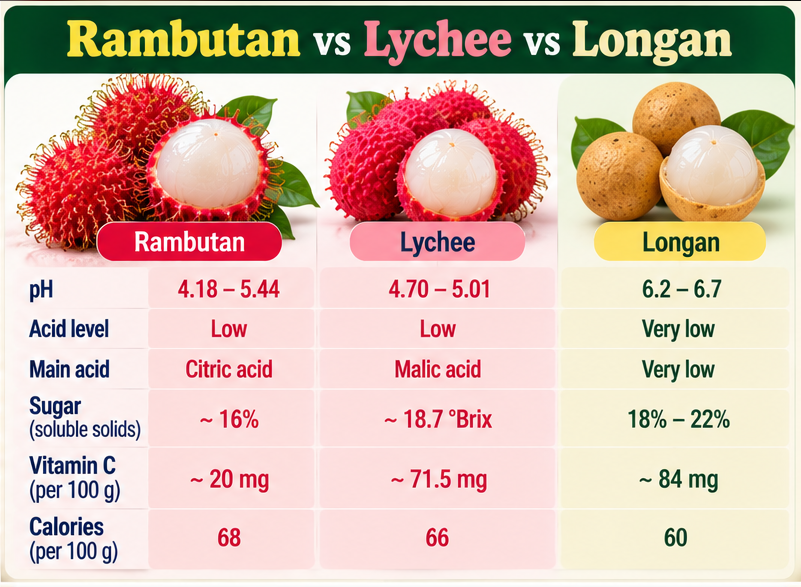
Rambutans, lychees, and longans are close relatives, and all three have sweet, translucent flesh around a single seed. Here’s how their acidity compares:
| Rambutan | Lychee | Longan | |
| pH | About 4.18–5.44 | 4.70–5.01 | About 6.2–6.7 |
| Acid level | Low | Low | Very low, near neutral |
| Main acid | Citric | Malic | Not specified (titratable acidity “low”) |
| Sweetness | About 16% sugars | High | 18%–22% soluble solids |
Sources: rambutan from Chai et al., 2018 and UC Davis; lychee pH from the FDA and main acid from Jiang et al., 2023; longan from UC Davis.
The takeaway:
- Rambutans and lychees are about equally acidic. Rambutan’s pH range overlaps lychee’s, though some rambutan clones run a little more acidic and others a little less. Read more in our guide to lychee acidity.
- Longans are the least acidic of the three. At pH 6.2 to 6.7, they’re close to neutral. See our full guide to longan acidity.
How Acidic Are Rambutans Compared to Other Fruits?
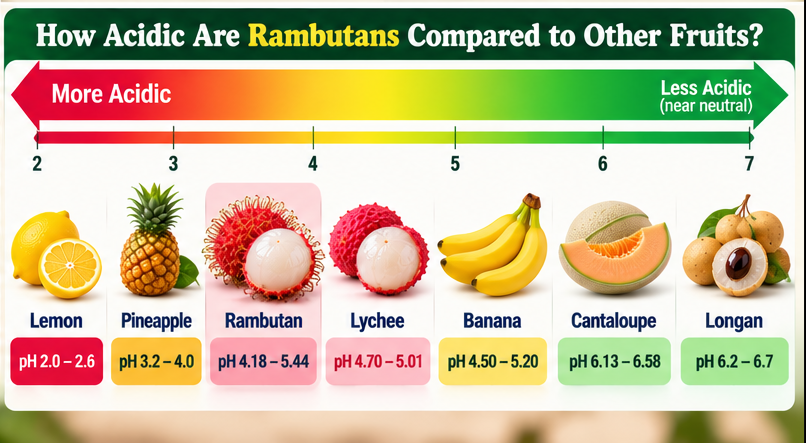
Here’s where rambutans fall next to other fruits in the FDA’s pH table (FDA):
| Fruit | Approximate pH |
| Lemon juice | 2.00–2.60 |
| Passion fruit pulp (studies) | About 2.4–3.2 |
| Pineapple | 3.20–4.00 |
| Apples, eating | 3.30–4.00 |
| Mangoes, ripe | 3.40–4.80 |
| Guava, fresh (studies) | About 3.7–4.2 |
| Rambutan (Chai et al.) | About 4.18–5.44 |
| Persimmons | 4.42–4.70 |
| Bananas | 4.50–5.20 |
| Lychee | 4.70–5.01 |
| Papaya | 5.20–6.00 |
| Longan (UC Davis) | About 6.2–6.7 |
| Cantaloupe | 6.13–6.58 |
Source: FDA, Approximate pH of Foods and Food Products; rambutan, longan, passion fruit, and guava from published studies and fact sheets cited in this article and our other fruit guides.
A few takeaways:
- Rambutans are much less acidic than citrus and tangy tropical fruits, including pineapple, mangoes, guava, and passion fruit.
- They’re in the same low-acid group as bananas, persimmons, lychees, and dragon fruit.
- A few fruits are even milder, like longans, papaya, cantaloupe, and avocados.
For the full list, see our complete guide to acidic foods.
Are Canned Rambutans More Acidic?
Fresh rambutans can be hard to find outside Southeast Asia and specialty markets, so many people buy them canned. We couldn’t find a published pH for canned rambutans, and the FDA table doesn’t list them. What we do know is how canning changes the nutrition.
USDA’s only rambutan entry is canned in syrup. Per 100 g, it lists (USDA FDC 168167):
| Nutrient | Canned rambutan, syrup pack (per 100 g) |
| Calories | 82 |
| Carbohydrates | 20.9 g |
| Fiber | 0.9 g |
| Vitamin C | 4.9 mg |
| Potassium | 42 mg |
| Manganese | 0.34 mg |
Source: USDA FDC 168167. USDA doesn’t currently list fresh rambutan.
What this means:
- Syrup adds sugar. Canned rambutans are higher in calories and carbohydrates because of the added syrup.
- Vitamin C is much lower. Canned rambutans have only about 4.9 mg of vitamin C per 100 g. Fresh rambutans in the Mexican study measured about 12.6 to 39.9 mg per 100 g (Avendaño-Arrazate et al., 2018).
- Check for added acid. Some canned fruits include citric acid. Read the ingredient list if you’re very acid-sensitive.
If you can, choose fresh rambutans, or drain canned ones and rinse off the syrup.
Are Rambutans Acidic Enough to Trigger Acid Reflux?
For most people, no. Rambutans aren’t on the National Institute of Diabetes and Digestive and Kidney Diseases (NIDDK) list of foods that may worsen reflux, which includes citrus fruits, tomatoes, alcohol, chocolate, coffee and caffeine, high-fat foods, mint, and spicy foods (NIDDK). Their low acidity and almost-zero fat also work in their favor.
Still, reflux triggers vary. The American College of Gastroenterology’s 2022 guideline recommends that people with GERD identify their own triggers and avoid eating within 2 to 3 hours of bedtime (Katz et al., 2022). Very large servings of any sweet fruit can leave you feeling overly full.
Tips for Eating Rambutans With Reflux
- Choose ripe, fresh rambutans over canned fruit in syrup.
- Start with a few and see how you feel.
- Pair them with gentle foods, like oatmeal, Greek yogurt, coconut yogurt, or cottage cheese.
- Use them in place of sharper fruits like pineapple or citrus in fruit salads and smoothies.
- Eat them earlier in the day. NIDDK suggests eating meals at least 3 hours before lying down if you have nighttime symptoms (NIDDK).
For more ideas, see our guide to foods to avoid with GERD. If you have heartburn more than twice a week, trouble swallowing, or symptoms that don’t improve, talk with your doctor.
Rambutans, Teeth, and Gastritis
Teeth: Rambutans are low in acid but high in sugar. The American Dental Association recommends eating acidic foods as part of a meal, rinsing with water or having milk or cheese afterward, and waiting about an hour before brushing (American Dental Association). The same habits help with sugary snacks, especially canned rambutans in syrup. Our article on whether apples are good for your teeth covers similar questions.
Gastritis: Mild, low-acid fruits like fresh rambutans are often easier to tolerate than citrus or berries. Start with a small amount, eaten with food. Our 7-day meal plan for gastritis has more gentle meal ideas.
Rambutan Nutrition Highlights
USDA FoodData Central doesn’t currently include fresh rambutan, so here’s what research and the canned USDA entry tell us:
- Vitamin C: Fresh rambutans measured about 12.6 to 39.9 mg per 100 g in the Mexican study (Avendaño-Arrazate et al., 2018). The Malaysian study noted that certain clones had greater ascorbic acid concentrations than other tropical fruits (Chai et al., 2018). Canned rambutans have far less, at 4.9 mg per 100 g.
- Sugar: Fresh rambutans average about 16% total sugars, mostly sucrose (Kader, UC Davis). If you’re managing blood sugar, keep portions moderate. Our guide on whether apples are good for diabetics covers how to think about fruit and blood sugar.
- Fiber: Canned rambutans have only 0.9 g of fiber per 100 g (USDA FDC 168167). We couldn’t find a USDA fiber value for fresh fruit.
How to Pick and Store Rambutans
- Storage temperature: UC Davis recommends storing rambutans at 10 to 12°C (50 to 54°F), depending on the cultivar, with a storage potential of about 12 to 14 days (Kader, UC Davis).
- Ripeness: In the Mexican study, fruit was harvested at consumption maturity when the shell was about 90% bright red (Avendaño-Arrazate et al., 2018).
Acid-Smart Ways to Enjoy Rambutans
To eat a rambutan, score the hairy shell with a knife or your thumbnail, peel it back, eat the translucent flesh, and discard the seed. Here are a few ideas:
- Smoothies: Blend peeled, seeded rambutans into our fruit yogurt shake for natural sweetness.
- Creamy desserts: Serve them alongside our whipped ricotta with mixed berries or a scoop of ginger ice cream.
- Summer rolls: Add halved rambutans to our avocado summer rolls.
- Salads: Toss a few into our kale avocado salad for a sweet contrast.
- Treats: Chop rambutans into our tropical dream rice krispie treats.
The rambutan swaps haven’t been tested in our kitchen, so adjust to taste.
Kitchen tip: For young children, remove the seed and cut the fruit into small pieces before serving.
Frequently Asked Questions
Are rambutans acidic or alkaline?
Rambutans are mildly acidic. A study of Malaysian clones measured pH values of about 4.18 to 5.44, with very low total acid (0.10% to 0.52%).
Are rambutans good for acid reflux?
For most people, yes. They’re low in acid and fat and aren’t on NIDDK’s list of common reflux triggers. Choose fresh fruit over canned rambutans in syrup, and keep portions moderate.
Are rambutans more acidic than lychees?
They’re about the same. Rambutan’s pH range (about 4.18 to 5.44) overlaps the FDA’s lychee range (4.70 to 5.01). Longans are less acidic than both.
Why are rambutans slightly acidic?
Rambutans contain a small amount of natural fruit acid, mainly citric acid, averaging about 0.36%. Their high sugar content, about 16%, balances that acid and gives them a sweet taste.
Are canned rambutans acidic?
We couldn’t find a published pH for canned rambutans. They’re usually packed in syrup, which adds sugar, and some brands may add citric acid, so check the label.
Can you eat rambutan seeds?
The seed is usually discarded. Eat the sweet, translucent flesh and throw away the seed.
Are rambutans healthy?
Yes, in moderation. Fresh rambutans offer vitamin C and natural sweetness with very little fat. They’re fairly high in sugar, and canned versions add even more.
The Bottom Line: Are Rambutans Acidic?
Rambutans are only mildly acidic, with a pH of about 4.18 to 5.44 and very little total acid, mostly citric acid. Their high sugar content gives them a sweet, gentle flavor, putting them in the same low-acid group as lychees, bananas, and dragon fruit, though longans are milder still.
For most people with acid reflux, sensitive teeth, or a touchy stomach, fresh rambutans are a good fruit choice. Choose fresh over canned, keep portions moderate, and pair them with gentle foods.
Keep exploring with Are Lychees Acidic?, Are Longans Acidic?, Are Dragon Fruits Acidic?, or our complete guide to acidic foods.
Medical disclaimer: This article is for general information only and isn’t a substitute for professional medical advice. If you have frequent heartburn, GERD, diabetes, or ongoing digestive symptoms, talk with your doctor or a registered dietitian.
References
- Chai KF, et al. (2018). Selected physicochemical properties of registered clones and wild types rambutan fruits. Sains Malaysiana 47(7):1483–1490. Link
- Kader AA. Rambutan: Recommendations for Maintaining Postharvest Quality. UC Davis Postharvest Center.
- Avendaño-Arrazate CH, et al. (2018). Postharvest quality and behavior of rambutan fruits due to agronomic practices. Revista Chapingo Serie Horticultura 24(1). Link
- USDA FoodData Central. Rambutan, canned, syrup pack (FDC 168167).
- Kader AA. Longan. UC Davis Postharvest Center.
- Jiang Y, et al. (2023). Fruit acidity variation in litchi. Int J Mol Sci 24(3):1871. MDPI
- Dantas AMT, et al. (2018). Bioscience Journal 34(6). DOAJ
- Good Fruit Grower. How to measure Honeycrisp qualities.
- U.S. FDA. Approximate pH of Foods and Food Products.
- NIDDK. Eating, Diet & Nutrition for GER & GERD.
- Katz PO, et al. (2022). ACG Clinical Guideline for GERD. doi:10.14309/ajg.0000000000001538
- American Dental Association. Dietary Acids and Your Teeth.
Related Posts


Subscribe for New Racipies
Get mental health tips, updates, and resources delivered to your inbox.
Is Edamame Good for Acid Reflux? A Medical Expert’s Guide

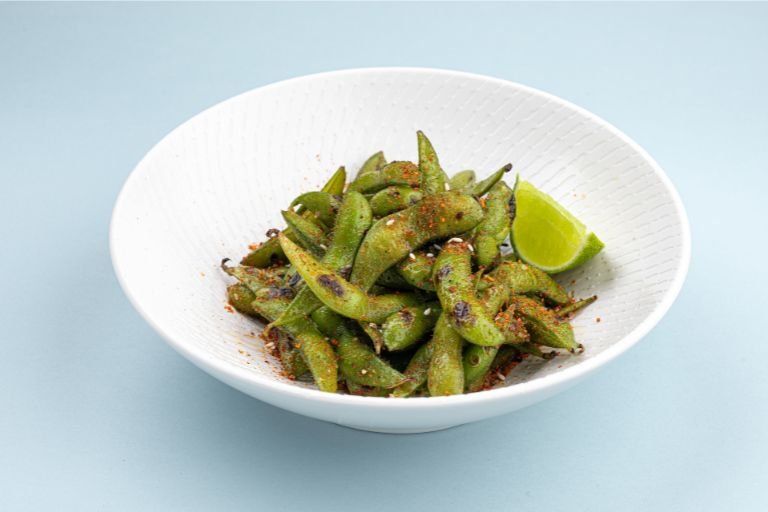
Acid reflux, a condition characterized by the backflow of stomach acid into the esophagus, can cause discomfort and disrupt daily life. Common symptoms include heartburn, regurgitation, and even a sour taste in the mouth. If you’re dealing with acid reflux, you’re likely searching for foods that soothe rather than irritate your digestive system. One such food that often comes into question is edamame. But is edamame good for acid reflux? Let’s dive into the details.
What is Edamame?
Edamame refers to young soybeans harvested before they fully mature. These beans are typically steamed or boiled and served as a snack or appetizer. Edamame is rich in nutrients, including:
- Protein: A plant-based protein source that supports muscle health.
- Fiber: Helps with digestion and promotes gut health.
- Vitamins and Minerals: Contains folate, vitamin K, iron, and magnesium.
- Antioxidants: Isoflavones, which have anti-inflammatory properties.
Understanding Acid Reflux
To understand whether edamame can help with acid reflux, it’s essential to know the condition’s basics. Acid reflux occurs when the lower esophageal sphincter (LES) fails to close properly. This allows stomach acid to escape into the esophagus, leading to irritation.
Factors contributing to acid reflux include:
- Obesity
- Smoking
- High-fat diets
- Certain foods and beverages (e.g., caffeine, alcohol, and spicy foods)
- Stress
Diet plays a crucial role in managing acid reflux. Foods that are low in fat and high in fiber are generally recommended.
Author Tip: 7-Day Meal Plan For Gastritis
Nutritional Profile of Edamame and Its Impact on Acid Reflux
Edamame’s nutritional content makes it a unique food choice for those with acid reflux. Let’s evaluate its components:
| Portion Size | 100 g |
| Water | 72.8 g |
| Protein | 11.9 g |
| Total lipid (fat) | 5.2 g |
| Carbohydrate | 8.91 g |
| Fiber, total dietary | 5.2 g |
| Total Sugars | 2.18 g |
Source: USDA
1. Low Fat Content
High-fat foods can relax the LES, worsening acid reflux. Edamame is low in fat, making it less likely to trigger symptoms.
2. Rich in Fiber
Fiber promotes healthy digestion and may help reduce acid reflux symptoms by preventing constipation, which can increase abdominal pressure and exacerbate the condition.
3. Plant-Based Protein
Protein is an essential nutrient for tissue repair and overall health. Unlike fatty animal proteins, edamame provides a lean source of protein that’s gentle on the digestive system.
4. Alkaline Properties
While edamame isn’t strictly alkaline, it’s less acidic compared to other high-protein foods. This makes it a safer choice for people with acid reflux.
5. Anti-Inflammatory Benefits
Edamame contains isoflavones, which have anti-inflammatory properties. Chronic inflammation can worsen acid reflux, so incorporating anti-inflammatory foods like edamame may provide relief over time.
Can Edamame Trigger Acid Reflux?
While edamame is generally considered safe for acid reflux sufferers, individual responses can vary. Here are some considerations:
- Portion Size Matters: Eating large portions of any food can put pressure on the stomach, potentially worsening acid reflux.
- Preparation Methods: Avoid adding acidic or spicy seasonings, such as chili powder or lemon juice, as these can trigger symptoms.
- Soy Sensitivity: Some individuals are sensitive to soy, which may cause bloating or discomfort. If you suspect soy sensitivity, consult a healthcare provider.
How to Incorporate Edamame into an Acid Reflux-Friendly Diet?
Here are some practical tips for adding edamame to your diet while minimizing the risk of acid reflux:
- Steamed Edamame: Enjoy plain, steamed edamame without added spices or sauces.
- Edamame Hummus: Blend steamed edamame with olive oil, a pinch of salt, and garlic for a reflux-friendly dip.
- Salad Topper: Sprinkle edamame over a mixed greens salad with a light dressing.
- Soups and Stir-Fries: Add edamame to soups or stir-fries for a nutrient boost. Opt for non-spicy recipes.
Author Tip: Are Salads Healthy?
Other Acid Reflux-Friendly Foods to Pair with Edamame
Pairing edamame with other reflux-friendly foods can enhance your overall diet. Some great options include:
- Oatmeal: A high-fiber, low-acid breakfast option.
- Bananas: Naturally low in acid and gentle on the stomach.
- Ginger: Known for its anti-inflammatory and digestive benefits.
- Leafy Greens: Spinach, kale, and lettuce are low in acid and nutrient-dense.
Foods to Avoid with Acid Reflux
To effectively manage acid reflux, steer clear of trigger foods such as:
- Spicy dishes
- Citrus fruits
- Chocolate
- High-fat meals
- Carbonated beverages
Expert Tips for Managing Acid Reflux
In addition to making dietary adjustments, consider these lifestyle changes:
- Eat Smaller Meals: Large meals can increase abdominal pressure.
- Avoid Lying Down After Eating: Wait at least 2–3 hours before reclining.
- Elevate Your Head While Sleeping: Use a wedge pillow to prevent acid from rising.
- Maintain a Healthy Weight: Excess weight can put pressure on the LES.
- Stay Hydrated: Drink water throughout the day, but avoid large amounts during meals.
Frequently Asked Questions
1. Can edamame cure acid reflux?
Edamame won’t cure acid reflux, but it can be part of a balanced diet that helps manage symptoms.
2. Is soy bad for acid reflux?
Soy products, like edamame, are generally low in fat and less likely to trigger acid reflux compared to high-fat or highly acidic foods. However, individual tolerance varies.
3. How much edamame can I eat with acid reflux?
Stick to a moderate serving size, such as ½ to 1 cup, to avoid overeating and potentially triggering symptoms.
Conclusion: Is Edamame Good for Acid Reflux?
Yes, edamame can be a beneficial addition to an acid reflux-friendly diet. Its low-fat, high-fiber, and nutrient-dense profile make it a safe choice for most individuals. However, it’s essential to listen to your body and monitor how it responds to edamame. If you’re unsure or have persistent symptoms, consult a healthcare professional for personalized advice.
By incorporating edamame and other reflux-friendly foods into your meals, you can enjoy a balanced diet while keeping acid reflux symptoms at bay. Always remember, moderation and preparation methods are key to reaping the benefits of this nutritious food without triggering discomfort.
Related Posts
Subscribe for New Racipies
Get mental health tips, updates, and resources delivered to your inbox.