
Can You Eat Rock Bass? Things to Know About Rock Bass

Medically reviewed by Christiana George Updated Date: January 2, 2026

If you approach someone with the question, “Hey, can I eat Rock Bass?”
The first response you will receive is their frowned look. Who thinks of eating Rock Bass?
So, can you eat Rock Bass?
You can totally eat the not-so-popular Rock Bass fish. Their flesh is white, flaky, and delicious when cooked if you know how to prepare it. The downside of rock bass is that they have less meat than other species of fish. Also, avoid eating them raw because they have yellow grub cysts inside.
That is just the gist of the Rock Bass being an edible fish. Interested to know more?
Read through the article to the ins and out of Rock Bass.
Can You Eat Rock Bass Fish?
Catching Rock Bass fish on a lazy holiday may be a relaxing activity. Rock Bass is not as popular among anglers but they’re fun to catch in fresh water.
But is there anything more to all the rock bass you’ve caught? Do you eat rock bass?
The answer is 100% yes, you can actually eat rock bass fish.
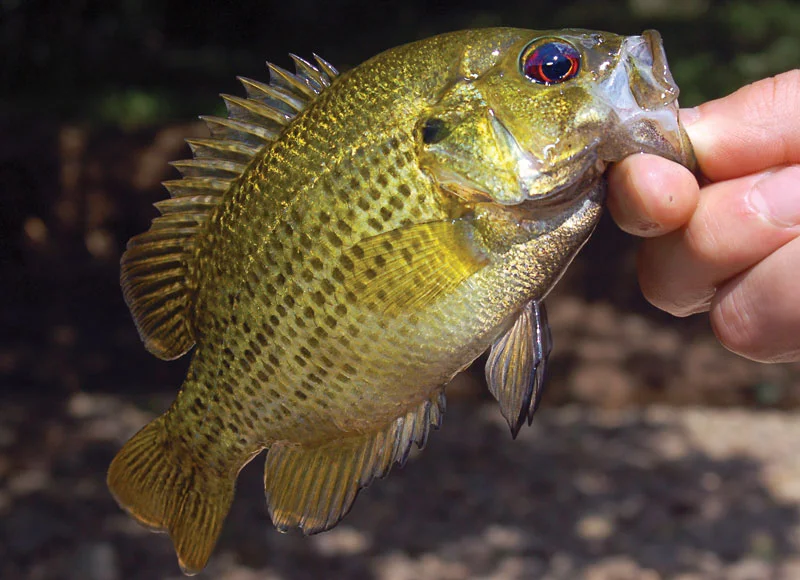
You can not only eat rock bass, it tastes delicious according to many fishermen. Rock Bass Fish meat is white and flaky. When grilled or fried, it tastes sweet.
The only drawback of eating rock bass is that, especially if you fillet them. Their bulk conceals the amount of meat that is present.
Their broadsides contain little meat outside of their thick ribs. So the main cut is the back-strap above the ribs. You, therefore, require more whole fish than you would with crappies or perch.
However, they frequently are common enough to eliminate that issue. And creel restrictions are generous in almost all places.
Are Rock Bass Safe to Eat
So far, you know that you can eat rock bass. But is it safe to eat rock bass?
It is not safe to eat the raw meat of rock bass. Because they have parasitic larvae inside of them.
Are Rock Bass Poisonous?
Rock Bass is not poisonous. But it has bacteria and yellow grub cysts inside.
Hence, Rock Bass is not poisonous. But they’re dangerous for raw consumption.
Why It Is Not Safe to Eat Raw Rock Bass Meat?
Yellow grub cysts, often known as “parasitic larvae,” are frequently found on rock bass. It is an illness that develops inside the fish as a result of worm growth.
You should make sure to take them out before frying your rock bass. Even though it’s unclear whether this is dangerous or not.
The majority of freshwater fish, including rock bass, are parasitized in various ways.
You shouldn’t have any problems eating rock bass if you catch them in reasonably clean water. And prepare them carefully and cook them properly.
Can You Eat Raw Rock Bass?
You can not eat Rock Bass when the fish is raw. However, there are two types of Rock bass depending on where they live.
Between freshwater and saltwater, there are significant differences.
Now, can you eat freshwater rock bass?
You can’t eat the raw freshwater rock bass. However, you can eat the raw meat of saltwater rock bass fish.
Because salt water doesn’t have many bacteria and worms, it is safe to eat raw meat.
Freshwater rock bass can be found in lakes or rivers. They typically hang out in some of the greyer parts of the water. The weed beds close to the shoreline are where fishermen typically find these fish.
They frequently eat smaller fish, worms, and aquatic algae. Which makes it easier for them to acquire parasites.
Is Rock Bass Meat Sashimi Grade?
Saltwater Rock Bass fall into the category of Sashimi grade fish.
For a fish to be sashimi-grade, it has to be free of harmful parasites and worms.
According to the standard, freshwater rock bass is dangerous for raw consumption. And Saltwater rock bass is eligible to be eaten as sashimi.
How to Eat Rock Bass?
It is safe to eat rock bass if you cook it at the right internal temperature. You have to be careful in the preparation of rock bass fish as well.
Much like most freshwater fish, they have flaky white flesh. Even though they have a distinct “fishy” flavor, there’s something about eating your own catch. Self-caught rock bass makes it easier to get beyond it. We’re confident you’ll appreciate it if you season it thoroughly and grill it.
The right internal temperature of rock bass fish is at least 330 F. At this temperature, the bacteria will die and become safe to eat.
How to Prepare a Rock Bass for Cooking?
For safe rock bass consumption, the preparation stage is very important.
Some prefer to throw the whole fish on the grill, then take out the cooked meat. And throw the rest of the fish away.
However, we think it’s a cleaner and safe method to clean the fish first. Because it has yellow grub cysts inside. It’s crucial that you get rid of them before throwing them on the grill or fire.
Firstly, you’ll want to take off the scales and debone the fish.
To remove the scales, rub the dull end of your knife across it horizontally. Use cold water and salt, and rub vigorously to rinse them all.
To get rid of the fishy smell of rock bass, use flour and alcohol. And rinse the fish with them.
You can use a little bit of vinegar as a substitute for alcohol.
This method can be used for all types of fish.
When the fish appears to be clean, place the filet knife directly under its mouth. And move it back toward the anal vent.
It’s important to remember that rock bass doesn’t have a lot of meat in their bellies. so you must be particularly careful when preparing them to avoid wasting more than you take.
To separate the skin, place a sharp knife right in between the meat and the skin.
Firmly hold one end and start sliding in your knife. The skin will be separated efficiently this way.
When you cut off side pieces of the fish, carefully work the knife along the bones.
The majority of the fish meat will come from these areas. You ought to have two tiny fillets by now. Run your hands across the grain of the meat. Then raise the bones and remove them.
Do Rock Bass Taste Good?
Like other freshwater fish, its flesh is delicious. The consumer is reminded of sunfish by the flaky, white flesh. Trout are preferred to bass by people all across the world. Rock bass tastes really fantastic despite not being the bass’s true origin.
Compared to other panfish, their meat has a distinctive texture and appears to be more robust. They are quite palatable due to the meat’s robust and delicate texture. Additionally, they don’t have many bones, making them simple to consume.
To wrap it up, rock bass tastes as good as any other white flesh fish.
How to Cook Rock Bass?
You can just about any other conventional method of cooking fish to cook Rock Bass.
According to your taste bud, use different ingredients and spices. It will enhance the flavor of rock bass.
The three most popular ways you can use to cook Rock Bass are below –
- Grill
- Pan Fried
- Deep Fried
If you are fishing rock bass and want to have them at the site. It is best to resort to the grilling method. You can either use just plain salt and pepper to enjoy the authentic flavor. Drizzle some oil, wrap it up in foil and throw it on fire for 20 minutes.
Using flaky salt can really improve the flavor of a grilled rock bass fish.
Here get some suggestions for quality flaky salt
| Maldon Sea Salt Flakes | Check Price |
| Saltverk Flaky Sea Salt | Check Price |
If you are willing to put more effort, you can use lemon, garlic, and shallots. Along with oil, salt, and pepper, grill the fish and enjoy!
For the pan frying method, marinate the fillets with salt, pepper, and spice and shallow fry.
Deep frying will require you to use flour, eggs, and bread crumbs. Sprinkle some salt on the fillets, and roll them in the flour. Give them an egg wash and then roll them on some bread crumbs.
Deep fry the fillets until crispy. Enjoy deep-fried rock bass with some dip and fries!
FAQs
Are Rock Bass Any Good For Eating?
Yes, rock bass eats worms, insects, leeches, and other bottom feeder microbes like this. Hence, it is recommended to clean up rock bass properly before you prepare them for eating. Otherwise, it might challenge the hygiene one should maintain in cooking.
Are Rock Bass Bottom Feeders?
Rock bass can be found in topwater lakes, reservoirs, and particularly in rocky-pooled streams and rivers. They are bottom-feeders that consume small fish, crayfish, and water insects. They readily accept baits, lures, and flies used to target smallmouth bass. They are frequently connected with them.
Are Rock Bass And Crappie The Same?
The dorsal fin of a rock bass normally has six spines and brilliant red eyes. And the sides are olive to brown in color. The black crappie is significantly bigger. Black crappie easily weights two to three pounds more on average than rock bass. Which rarely exceeds a pound in weight.
Conclusion
That concludes everything to know on ‘can you eat rock bass’?
While eating rock bass is satisfying, fishing for it is enjoyable. Just be certain that you are aware of the right fish preparation techniques. It will ensure a secure and delightful encounter.
Was the article helpful in answering your questions? Let us know!
Happy Fishing!
Related Posts






Subscribe for New Racipies
Get mental health tips, updates, and resources delivered to your inbox.
New Book


Yay. Got a new book to read. I used to go through books pretty fast, especially if they are really good. I usually can’t put them down. Now with two little rugrats to look after, spare time is hard to find. But I find a way to get it in there. I love to read and I am trying to instill the same love in my children. I have read to them every night since they were about 4 months old. They really enjoy when I read to them. This summer I started teaching my 5 year old how to read. She caught on real fast, so she should have no problem in Kindergarten this year.
Well, off to read my book. Maeve Binchy is a great writer. I have read almost all her books. They are funny, heartfelt, warm and fuzzy.
Related Posts





Subscribe for New Racipies
Get mental health tips, updates, and resources delivered to your inbox.