
Is Kombucha Acidic? Is It Good For Acid Reflux?

Medically reviewed by Christiana George Updated Date: January 2, 2026
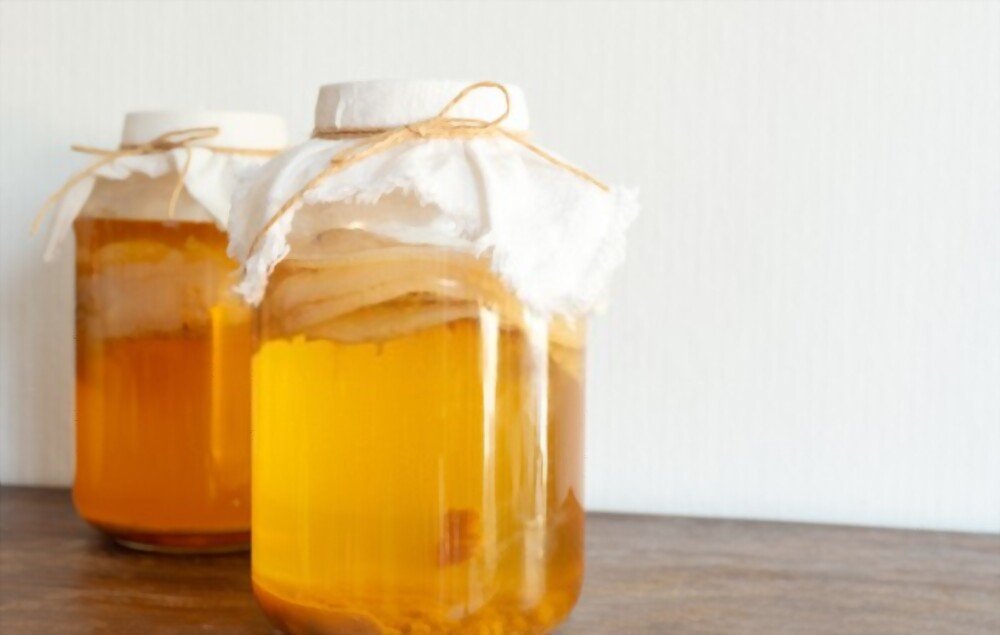
The combination is pretty weird! Black tea, yeast, and sugar, and you got kombucha.
Kombucha lovers say this fermented tea is great for boosting energy, helping in digestion, and removing toxins from your body. But others say they have issues with the versatile taste-sometimes sweet or sometimes tangy.
You must be wondering about the diversity. And trying to figure out if kombucha is acidic or not?
Kombucha is acidic with the pH range between 2.5 to 4.2. When you ferment the kombucha tea, it produces less than 1% acetic acid which has a pH level of 3.0-3.5. This acid is responsible for the tangy nature of kombucha. Surprisingly, moderate amount kombucha is good for reducing acid reflux too.
However, the actual pH level is dependent on the tea types, tea-sugar-yeast ratio, brew time, room temperature, and the length of fermentation.
Keep reading to learn more about the acidic nature of kombucha and its relationship with acid reflux.
Kombucha – Acidic Or Alkaline?
In one line, kombucha is acidic, not alkaline. Let me explain why!
Black tea, green tea, white tea, or oolong tea are used for making kombucha. However, black tea for its oxidized leaves nature is mostly preferable for making a perfect kombucha.
And the pH of black tea is 4.9-5.5 which is a good range to grow yeast perfectly.
With time, the yeast of SCOBY (symbiotic culture of bacteria and yeast) starts eating the sugar content of the kombucha. That results in producing ethanol and it gradually turns acidic.
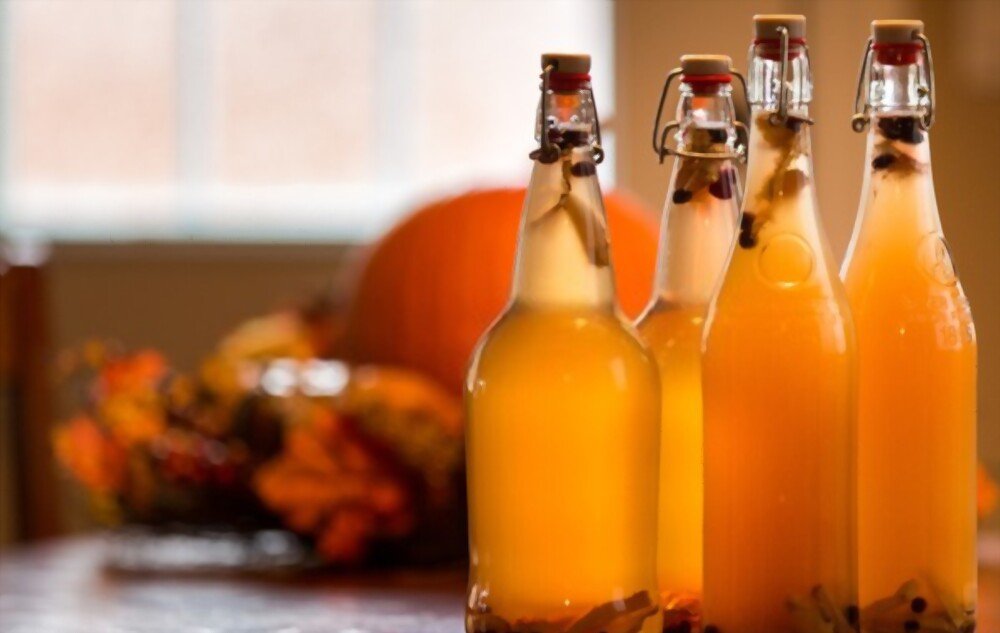
What about green tea or white tea kombucha? Well, they are neutral or basic, but with the fermenting process over time, the alkaline nature will vanish and turn into acidic for the yeast.
pH of Kombucha
The pH of kombucha is directly related to the fermentation time. However, tea types and ratios also take part in the pH level of kombucha.
And the pH value defines whether kombucha will taste sweet or tart. The pH like 3.5 ensures it will taste sweet. The lower pH like 2.5 makes the kombucha tart.
| Type | pH |
| Homemade Kombucha | 2.5 – 3.0 |
| Black Tea Kombucha | 5-5.5 |
| Green Tea Kombucha | 3.05 |
| White Tea Kombucha | 2.5 – 3.5 |
| Kombucha Rosella Tea | 2.86 |
| GT’s Kombucha | 2.5 – 3.5 |
| Kombucha brewed | 2.5 – 4.2 |
| Humm Kombucha | 3.0 |
| Sweet Kombucha | 3.5 |
3 Ways: How To Raise The pH Of Kombucha?
When you ferment kombucha, acetic and gluconic acid start producing by the fermenting bacteria. That results in a lower pH level and makes the taste too tart.
Also, lower pH means the kombucha is highly acidic which is not good for you especially if you are struggling with acid reflux.
Besides, when the taste is too tart, you may want to make it a little sweet. To make kombucha sweet, you have to increase the pH level. Here 3 ways to increase the pH of Kombucha –
1. Less Ferment Time
In general, the fermenting process takes from 7 days to 30 days. The more you ferment, the kombucha will be more acidic and vice versa. To make it less acidic, you can brew after the first fermentation which may take 6 to 10 days.
2. Keep It in Room Temperature
Kombucha brewing temperature affects the pH value directly. More than 85°F speeds up the culturing, which will result in lower pH.
To increase the pH level, you should keep the kombucha vessel at room temperature in between 68-78°F.
3. Maintain The Tea Leaf Ratio
Using more tea leaves can cause lower pH for the tea leaves’ oxidation nature over time. For each one-gallon batch, keep the ratio 6:1 for the tea leaves.
You can use 6 teaspoons of loose tea or 6 tea bags for each batch. So, keep the ratio perfect to get a higher pH kombucha.
How Acidic Is Kombucha For The Body?
Kombucha is acidic, but after drinking, it alkalizes the body. It’s because when you make kombucha using black or green tea, there will be several essential minerals such as manganese, potassium, copper, iron, fluid iron, etc.
The pH of our blood is 7.4 regarded as neutral. When these minerals of kombucha enter our bloodstream, that creates an alkalizing effect and results in a neutral state of our body.
Who Should Not Drink Kombucha? Are You in the 4 Categories?
Kombucha is considered safe and healthy to promote a healthy and smooth digestive system, boost energy and remove body toxins.
However, you are prohibited to drink kombucha under the following health conditions-
1. People With A Weak Immune System
As bacteria and yeast take an active part in kombucha, that may cause infection for people with weak immune systems.
2. Diabetics Patient
Kombucha contains a good amount of sugar. So it may increase blood sugar levels. Also, alcohol production during fermentation can cause complications for diabetic patients.
3. Pregnant, Breastfeeding Women And Kids
For the alcohol and caffeine, pregnant and breastfeeding women should avoid kombucha. Similarly, the bacteria and yeast might be harmful to the developing baby.
Additionally, kids should not drink kombucha. The carbonate effect of kombucha will cause stomach upset.
4. People With Stomach Ulcers
If you have stomach ulcers, kombucha may make it worse. The bacteria and acidic nature of kombucha can potentially aggravate stomach ulcers.
Is Kombucha Good For Acid Reflux?
Acid reflux occurs when you eat or drink high acidic or high-fat content food and drinks. if you have a lower esophageal sphincter (LES), your stomach content leaks up back. That causes acid reflux.
Now the question is what about kombucha? Is it good for acid reflux or promotes acid reflux?
The nature of kombucha is acidic, so you may think it’s not good for acid reflux. But the truth is kombucha is good for people who are suffering from acid reflux.
Kombucha contains lactic acid which has probiotic properties. That can kill harmful bacteria as well as promote smooth digestion. So far, lactic acid is beneficial to reduce the chances of acid reflux.

The tea drink is a great source of vitamin B. vitamin B can improve your gut health by controlling the production of stomach acid.
Several essential minerals of kombucha neutralize the acidic properties and make it alkalizing for your body.
For these activities, kombucha is good for acid reflux. However, you should be concerned about your daily intake. You can drink around 4 ounces per day to avoid health complications. Also, avoid adding high sugar content to it to get the best result.
Is Kombucha Bad For Acid Reflux?
Drinking too much kombucha causes acid reflux. The recommended level is 4 ounces per day for 1 to 3 times.
However, kombucha will be bad for acid reflux under certain health conditions.
First of all, if you already have the symptoms of acid reflux, drinking too much kombucha may make it worse.
Kombucha contains a decent amount of caffeine and alcohol. Both can increase the acid production in your stomach and irritate your digestion which causes heartburn too.
A lengthy fermentation process makes kombucha carbonated. And the carbonated nature feels your stomach fuller and pressurizes your lower esophageal sphincter. As a result, the acid flow starts moving back into the esophagus which leads to acid reflux directly.
In addition, the acetic acid of kombucha may also be responsible for acid reflux or GERD by disturbing your regular digestive system.
Various Forms Of Kombucha And Its Acidity
In the USA, around 14. 1 percent of adults drink kombucha in various forms such as kombucha tea, raw or hard kombucha for several purposes. The pH level and acidity are also different for each type.
Is Kombucha Tea Alkaline Or Acidic?
Kombucha tea is acidic with a pH range of 2.5 to 3.5. However, using tea bags instead of tea leaves makes kombucha tea more acidic for rapid oxidation.
The type of tea affects the acidity of kombucha. If you use pure black tea, it will make kombucha too acidic as black teas are already acidic in nature.
pH wise oolong tea kombucha will be almost the same as the black tea version. Though green tea and white tea kombucha seem alkaline for their higher pH values. But during the fermentation process, the basic nature will be removed.
Whether you use either green or white tea, the resulting kombucha tea will be acidic with a pH below 4.6. However, adding fruits or herbs can reduce the acidity of kombucha tea.
Related Post: Is Tea Acidic? 5 Non-acidic Alkaline Tea for You!
Is Hard Kombucha Acidic?
Hard kombucha is more acidic than kombucha tea. It’s the boozier version of the regular or raw kombucha. As hard kombucha fermented at 28°C/82.4°F or higher for 5 to 14 days, it will taste tangy and slightly vinegary.
Warm temperatures and lengthy fermentation, increases the ABV (alcohol by volume) and decreases the pH level to around 2.5.
Is Raw Kombucha Acidic?
Raw kombucha is not pasteurized though it’s acidic with a pH of less than 4.6. Mostly, the pH level of raw kombucha is 2.5-3.5. During the fermentation period, the yeast starts feeding the sugar content and creates a suitable environment to grow gradually. This process enhances the pH level of the raw kombucha drink.
Fun fact: Do you know when and where the kombucha tea originated? In 220 BC, kombucha originated in China. Then it reaches Russia, USA, Germany and all over the world.
FAQs
Is Kombucha Highly Acidic?
Yes, kombucha is highly acidic. The pH level of kombucha can range from 2.5 to 3.5, making it acidic. However, the acidity of kombucha is not harmful and can actually be beneficial for your health.
Is Kombucha Good For An Acidic Stomach?
Yes, kombucha can be good for an acidic stomach. This is because kombucha is rich in probiotics, which can help to balance the levels of acid in the stomach. At the same time, it can improve digestion, reduce inflammation and promote a healthy immune system.
Is Kombucha Acidic For Teeth?
Drinking too much kombucha is acidic for teeth. The acidity and sugar in kombucha can lead to tooth decay and other dental problems damaging tooth enamel. This is why it’s important to drink kombucha in moderation and to brush your teeth after drinking it.
Is Kombucha Bad For Ulcers?
Mostly, kombucha can be bad for people with ulcers. The fermented tea drink contains acetic acid, which can irritate the already inflamed lining of the stomach and intestines. In addition, the probiotics in kombucha can also increase gastric acid production, further exacerbating the symptoms of ulcers.
Is Kombucha Part Of An Alkaline Diet?
Kombucha is part of an alkaline diet. The fermentation process of kombucha results in a slightly acidic beverage with a pH between 2.5 and 3.5. However, after the drink is consumed, it leaves behind alkaline ash in the body that helps to neutralize acidity.
Does Kombucha Make Your Body Acidic or Alkaline?
Kombucha is acidic but it makes your body alkalize when it enters the bloodstream. The acidic nature neutralizes by the neutral pH of the blood and acts like alkalize to your body.
Bottom Line
Now it’s time to wrap up the discussion on: “is kombucha acidic”. Hopefully, you can understand the acidic nature and its role in acid reflux.
In summary, kombucha is acidic but a moderate amount is good for acid reflux. Also, the probiotics of kombucha are beneficial for sound digestion, weight loss, preventing GERDs as well as keeping your skin healthy.
Eat healthy, live healthy.
Related Posts



Subscribe for New Racipies
Get mental health tips, updates, and resources delivered to your inbox.
Gingerbread Rice Krispie Treats



Wow! The past ten days have been nutty. My poor 6 year old daughter has been out of school with pneumonia. We have been battling, fevers, horrific coughing, really bad nose bleeds, very messy sneezing and extreme boredom. The good news is that she is finally feeling better and is able to return to school.

Now I have time to share with you this recipe I have been holding onto. A friend of mine was kind enough to find me a package of Gingerbread Oreos. I have been wanting to make gingerbread Rice Krispie treats, so this came at the right time. I am a big fan of Rice Krispie Treats. They are chewy and crunchy and you can make them so many ways. Aimee over at Shugary Sweets has a love of them also. She made her Gingebread Rice Krispie Treats using Jello Gingerbread Pudding mix. Check out her recipe here.

I have yet to find gingerbread pudding mix in any store. I was lucky just to get the Oreos. I did taste one before chopping them all in the food processor. They really do taste like gingerbread.
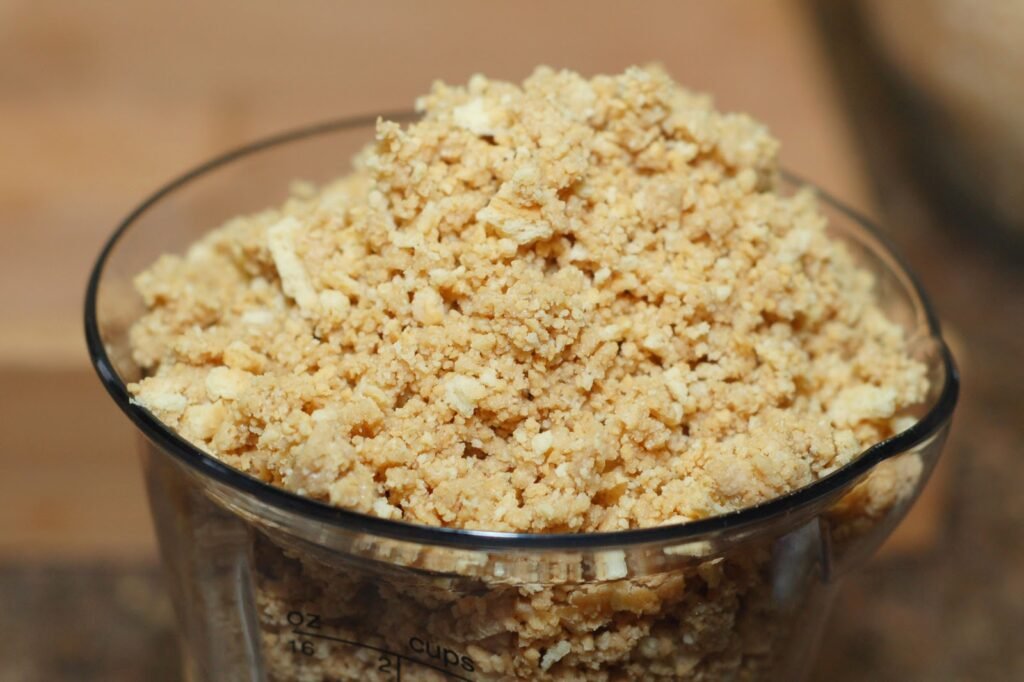
Oh, and the smell of Oreos as they were being chopped up was heavenly. I think I need to get a gingerbread candle.
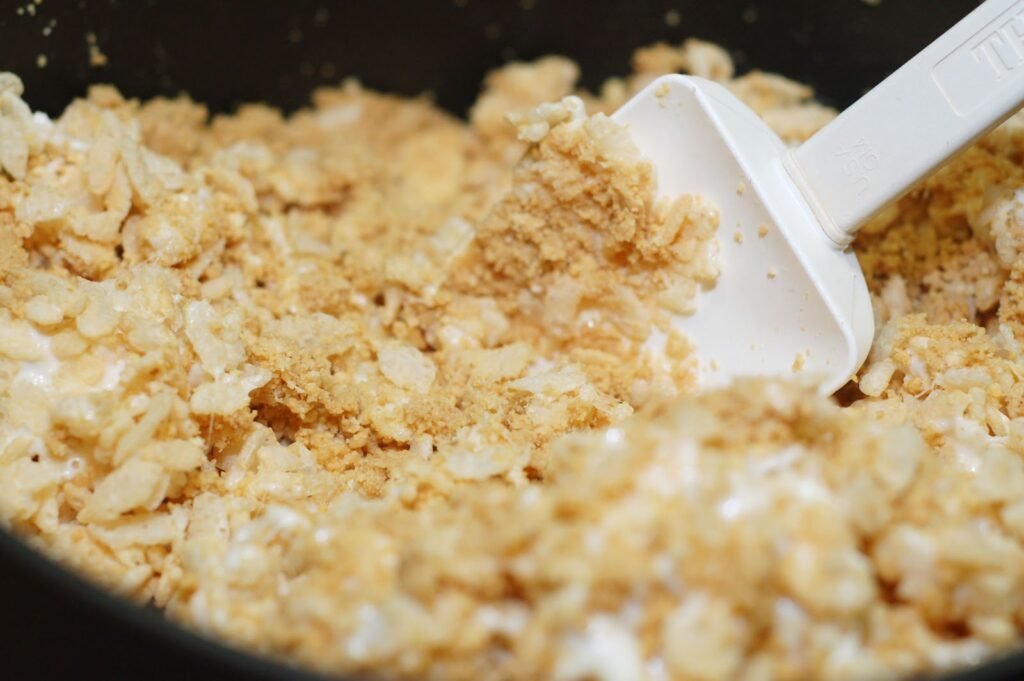
While you can make these are regular squares and decorate them any way you like, I though I would have a little fun. I pulled out a gingerbread man cookie cookie and cut out a few little guys to decorate like gingerbread men cookies. You can even put them on a popsicle or lollipop stick for the kids.

These would be great for a school Christmas party or to make for Santa on Christmas Eve with his glass of milk.

I really like how they came out. Simple, but cute. You can embellish them with mini M&M’s if you prefer.

I used Wilton’s white and chocolate candy melt to make the gingerbread man and I used Wilton’s eggnog candy melt for the squares.
Gingerbread Rice Krispie Treats
by The Sweet Chick
Prep Time: 15-20 minutes
Cook Time: 5 minutes
Keywords: stove top dessert snack rice krispies Gingerbread Oreos egg nog candy melt
Ingredients (25 bars)
For the treats
- 3 tablespoons butter
- 5 cups mini marshmallows
- 1 package (15.25 oz.) Gingerbread Oreos, chopped
- 6 cups Rice Krispie Cereal
optional toppings
- Wilton’s eggnog candy melt
- holiday sprinkles
Instructions
For the treats
In a large sauce pan, melt butter and marshmallows over low heat. Stir until completely melted.
Remove from heat and add Rice Krispie cereal and chopped Oreos. Mix until all is well incorporated.
Then pour the mixture into a greased 9 x 13 pan or a cookie sheet and spread it evenly with a piece of waxed paper.
Place in fridge to cool.
optional toppings
When treats have set, melt candy melt per directions on package and place in a piping bag or Ziplock bag with tip snipped off. Drizzle the candy in diagonal pattern across the Rice Krispie treats and add sprinkles.
Place the treats back in the fridge to cool.
After candy melt had hardened, cut the treats into squares and have a bite!
Related Posts





Subscribe for New Racipies
Get mental health tips, updates, and resources delivered to your inbox.