
Reindeer Gingerbread Cookies

Medically reviewed by Christiana George Updated Date: June 8, 2023

One of my new neighbors sent me a photo of reindeer cookies she found on Pinterest, using an upside down gingerbread man cookie. So of course, I had to try it out. I looked through a lot of images online and came up with a design that was a combination of several cookies I saw. Baking the cookies was the easy part, it’s the decorating that took forever because I am detail oriented and wanted things just right. I like how they came out and my daughter told me they were cute. It worth the effort.

I did not have a go-to recipe for cut out gingerbread men cookies, so I use Brown Eyed Baker’s recipe. It made 30 cookies. I even used the same plastic cookie cutter from the Wilton 101 Cookie Cutter set. But you can use the Betty Crocker Gingerbread Cookie mix. I have used it before and it is very good.
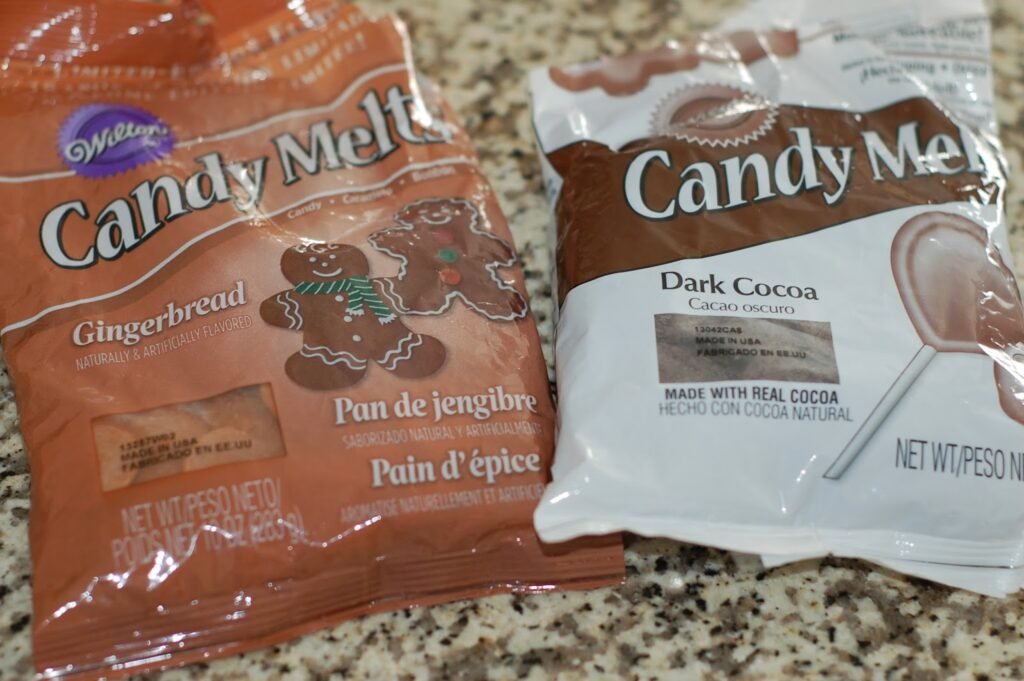
For the outline I used the Wilton Gingerbread Candy Melt I had leftover from my Eggnog Cheesecake Truffles and also some Dark Cocoa candy melt. If you add a little vegetable shortening to the melted candy it is easier to use in a piping bag. I did use a #3 tip to do the piping, but if you cut a small enough hole in the piping bag you won’t need a tip. I used a toothpick dipped in candy melt to do the eyebrows.
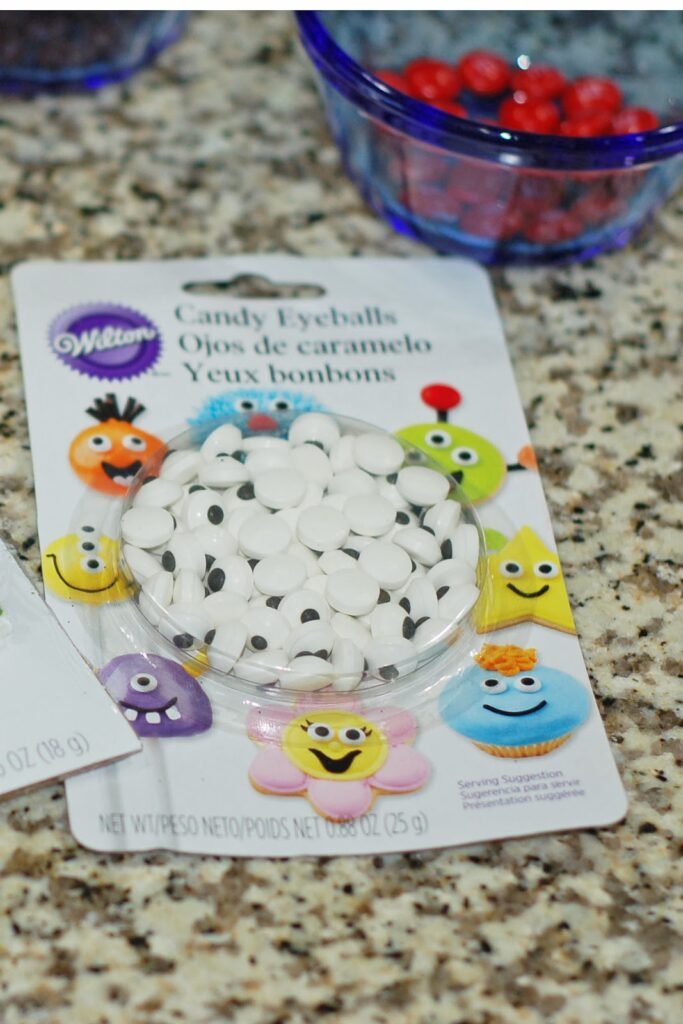
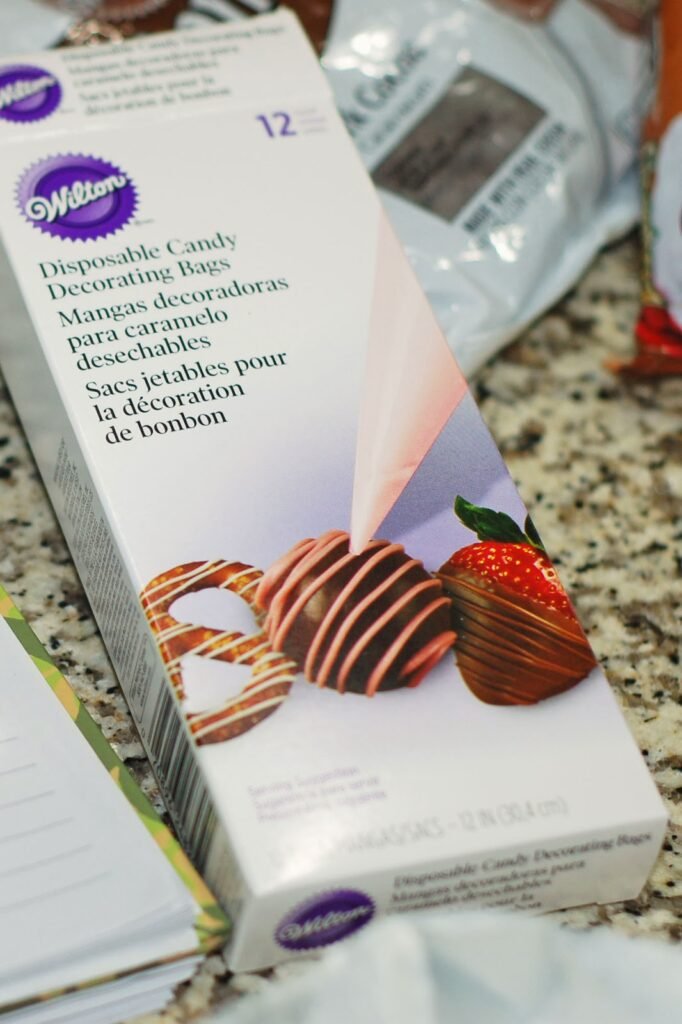
Wilton has so many fun products like these candy eyes. I found them at Walmart, but I have also seen them in craft stores. They just makes this project easier.

For the noses, I ended up using red and brown Gingerbread M&Ms because they were larger and made for a funnier nose, but you can use regular M&Ms also.
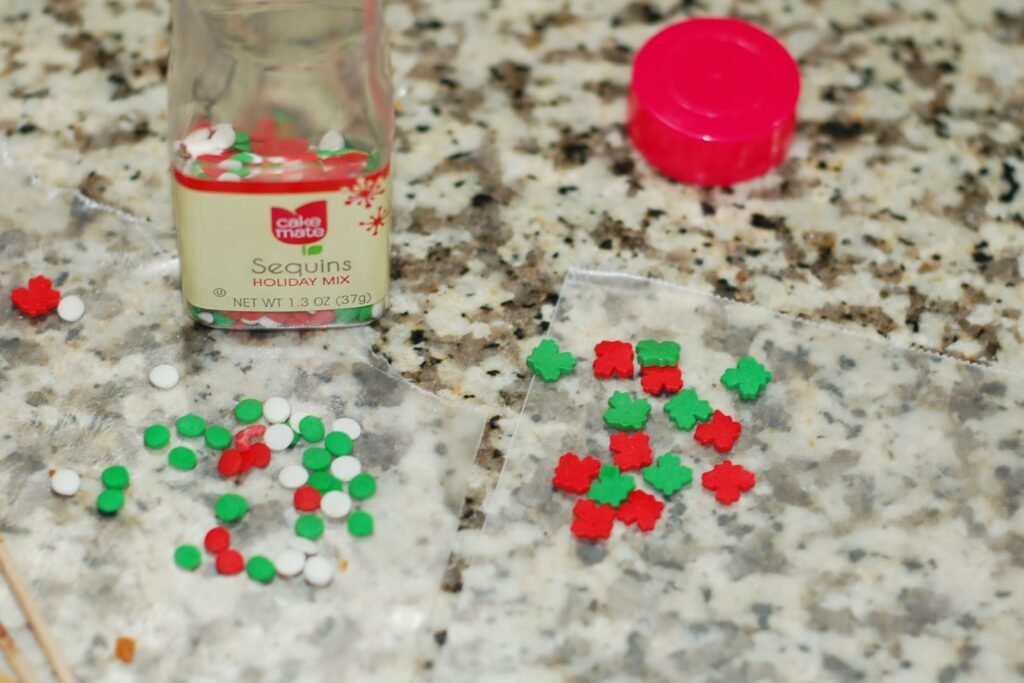
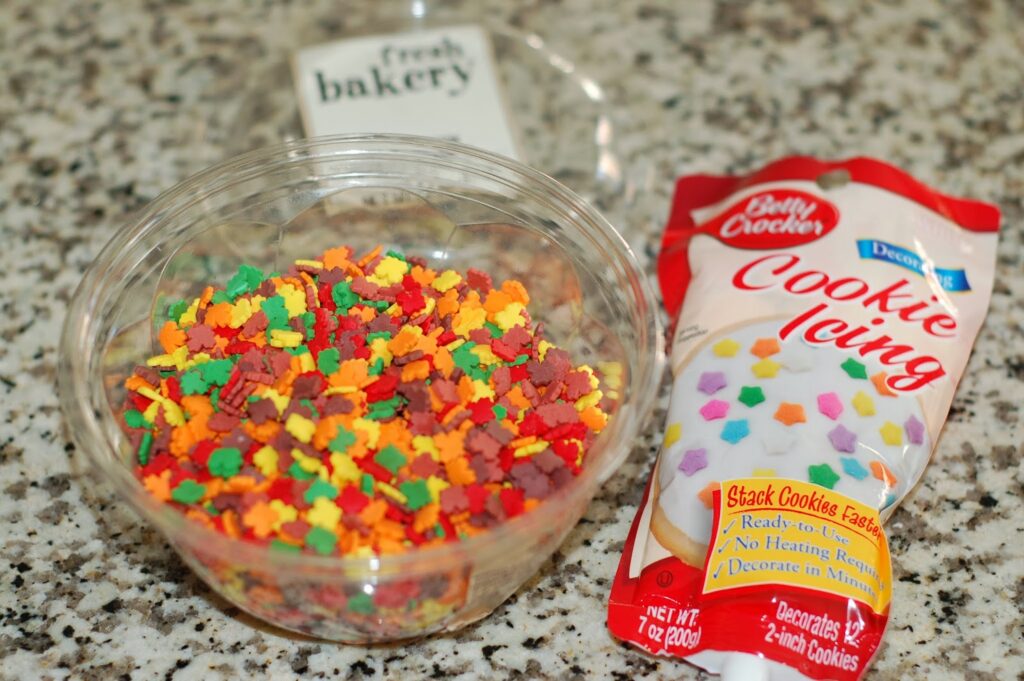
To decorate the antlers with “ornaments” I used holiday sequin sprinkles. And for the “mistletoe” I used green maple leaves from my autumn sprinkle mix. I used Betty Crocker Cookie Icing in white as my glue for the sprinkles, M&Ms, and eyes. Toothpicks were also handy here to place the little sprinkles.
I also used the cookie icing to add “snow” to the antlers. After the icing dried I brush on some Wilton Silver Pearl Dust to make the “snow” shimmer.

I made a few slight variations on some of the cookies, like switching the dark cocoa candy melt for the gingerbread candy melt, using red maple leaves instead of the green ones, and changing the shapes of the mouths. You can make them any way you want. It’s about having fun!

Reindeer Gingerbread Cookies
by The Sweet Chick
Prep Time: 1 hour
Keywords: dessert snack gingerbread candy melt gingerbread m dark chocolate cookie icing Christmas cookie American winter
Ingredients (30 cookies)
- 30 gingerbread men cookies
- 1 cup Wilton’s dark cocoa candy melt wafers
- 1 cup Wilton’s gingerbread candy melt wafers
- 30 red or brown Gingerbread M&Ms (or regular m&ms)
- 1 package (7 oz.) Betty Crocker Cookie Icing in white
- 60 Wilton’s candy eyeballs
- 60 green candy leaves
- 1 container (1.3 oz.) Cake Mate Sequins holiday mix
Tools needed
- 2 Wilton’s Candy decorating bags
- several toothpicks
Optional
- Wilton tip #3
- Wilton’s Silver Pearl dust
Instructions
Place gingerbread men upside down (heads facing down) on wax paper or parchment paper.
Starting with one color at a time, melt candy melt as per instructions on the back of the package. Then place in candy decorating bag and snip off the tip.
Begin outlining the face and ears of the reindeer. If you are using the light brown candy melt for this, then prepare another decorating bag with the dark brown candy melt and add your antler design, inner ears, and mouth. Use a toothpick dipped in the dark brown candy melt to add the eyebrows.
If you used dark brown as your face outline use the light brown to add the antlers and inner ear. Then let candy melt harden.
Once candy melt has harden, dab a little cookie icing on the back of the M&Ms and place them on the cookie, above the mouth.
Next, dab some cookie icing on the candy eyes and add them to the face above the M&M noses.
Dab the backs of the green leaves with cookie icing and add them at the top of the reindeer head, between the antlers. Then dab a red sequin and add in to the center of the greens leaves to make the mistletoe.
Using cookie icing again as your glue, add different colored sequins to the antlers to look like ornaments. Use a toothpick to help you place them neatly.
Finally, dab some cookie icing on the antlers and the top of the head for some snow effect.
If you have Pearl Dust, brush some on the “snow” for some extra shimmer and a little bit on the M&M nose.
Let everything dry before moving the cookies to an airtight container.
note
If you do use a metal cake decorating tip for the piping, you have to work fast because the candy melt may harden in the tip and you won’t be able to place the bag with the tip in the microwave to re-melt it.
Related Posts





Subscribe for New Racipies
Get mental health tips, updates, and resources delivered to your inbox.
Is Goat Milk Acidic? Goat Milk and Acid Reflux


Goat milk has been a popular alternative to cow’s milk for centuries due to its unique nutritional properties and easier digestibility. However, for individuals struggling with acid reflux or looking to balance their body’s pH levels, a common question arises: is goat milk acidic or alkaline? This article explores the pH properties of goat milk, its relationship with acid reflux, and whether it is a suitable choice for those seeking relief from acidity.
Understanding Acidity and Alkalinity in Foods
What Determines a Food’s Acidity or Alkalinity?
The pH scale, ranging from 0 to 14, measures the acidity or alkalinity of substances. Foods with a pH below 7 are considered acidic, while those above 7 are alkaline. A neutral pH is 7. However, the way foods affect the body’s internal pH (known as their metabolic impact) can differ from their natural pH.
Importance of a Balanced pH in the Body
Maintaining a balanced pH is essential for optimal health. The human body is naturally slightly alkaline, with a blood pH of around 7.4. Overconsumption of acidic foods can lead to inflammation, digestive discomfort, and an increased risk of chronic diseases.
How Acid-Forming Foods Impact Acid Reflux?
Acid-forming foods, like coffee, processed sugars, and fried items, can exacerbate acid reflux symptoms by increasing stomach acid production. Choosing alkaline or neutral foods can help mitigate reflux symptoms and improve digestive health.
Author Tip: 7-Day Meal Plan For Gastritis
Is Goat Milk Acidic or Alkaline?
Natural pH of Goat Milk
Fresh goat milk has a slightly acidic to neutral pH, typically ranging from 6.4 to 6.7. While this technically classifies it as mildly acidic, it is less acidic than cow’s milk, making it a gentler option for sensitive stomachs.
Metabolic Effect of Goat Milk on the Body
Despite its slightly acidic pH, goat milk has an alkalizing effect on the body after digestion. This is because it contains alkaline minerals like calcium, magnesium, and potassium, which help neutralize acidity in the digestive system.
Does Goat Milk Trigger Acid Reflux?
For most people, goat milk is unlikely to trigger acid reflux. Its smaller fat globules and lower lactose content compared to cow’s milk make it easier to digest. Additionally, its high protein and nutrient density help soothe the digestive tract rather than irritate it.
Benefits of Goat Milk for Acid Reflux
Gentle on the Digestive System
According to research, goat milk is naturally easier to digest due to its casein profile, which forms a softer curd in the stomach. This reduces the likelihood of triggering reflux symptoms, especially in individuals who are lactose-sensitive or have trouble digesting cow’s milk.
High in Alkaline Minerals
The calcium, magnesium, and potassium in goat milk not only support bone health but also help neutralize stomach acid, reducing irritation in the esophagus.
Anti-Inflammatory Properties
Goat milk contains oligosaccharides, which have anti-inflammatory effects on the gut lining. This is particularly beneficial for individuals with GERD (gastroesophageal reflux disease) or other inflammatory digestive conditions.
Comparing Goat Milk to Cow Milk for Acid Reflux
Differences in Digestibility
Goat milk has smaller fat globules and a lower lactose content than cow’s milk, making it less likely to cause bloating or stomach discomfort. Its proteins are also less allergenic, further reducing the chances of acid reflux.
Fat Content and Acid Reflux
High-fat foods can trigger acid reflux by relaxing the lower esophageal sphincter (LES), which allows stomach acid to flow back into the esophagus. Goat milk has a lower fat content compared to whole cow’s milk, making it a safer choice for reflux sufferers.
Alkalizing Effect
While both goat milk and cow milk have a similar pH, goat milk’s alkaline-forming minerals make it more beneficial for maintaining a balanced internal pH and reducing reflux symptoms.
How to Incorporate Goat Milk into a Reflux-Friendly Diet?
Use Goat Milk in Beverages
Swap cow’s milk with goat milk in your morning coffee, tea, or smoothies. Its creamy texture and mild flavor make it a versatile choice without adding excess acidity.
Cooking with Goat Milk
Use goat milk in soups, sauces, or baked dishes. For reflux sufferers, avoid pairing it with acidic ingredients like tomatoes or citrus.
Goat Milk Yogurt and Cheese
Fermented goat milk products like yogurt and cheese can be beneficial for acid reflux sufferers. These foods contain probiotics, which support gut health and may reduce reflux symptoms.
Author Tip: 7 Kinds of Foods to Avoid with GERD
Other Alkaline Dairy Alternatives
If goat milk isn’t an option, consider other dairy and non-dairy alternatives that are reflux-friendly and alkaline-forming:
- Almond Milk: A highly alkaline option, almond milk is low in fat and easy to digest.
- Oat Milk: Neutral in pH and gentle on the stomach, oat milk is a great alternative for those avoiding dairy.
- Coconut Milk: While slightly higher in fat, coconut milk is alkaline-forming and works well in moderation.
Common Misconceptions About Goat Milk and Acidity
Does Goat Milk Cause Acidity?
No, goat milk is unlikely to cause acidity due to its easier digestibility and alkalizing minerals. However, individual tolerance may vary.
Is Goat Milk Suitable for Everyone?
While goat milk is generally well-tolerated, people with severe lactose intolerance or dairy allergies should consult a healthcare provider before consuming it.
Can Goat Milk Be Consumed Raw?
Raw goat milk retains all its nutrients but carries a higher risk of contamination. For acid reflux sufferers, pasteurized goat milk is a safer choice.
Final Thoughts on Goat Milk and Acid Reflux
Goat milk, with its mild acidity and alkalizing properties, is an excellent choice for individuals looking to manage acid reflux or maintain a balanced diet. Its digestibility, nutrient content, and soothing effects on the digestive system make it a superior alternative to cow’s milk. Whether consumed as a beverage, in recipes, or as yogurt, goat milk can provide relief and support overall digestive health.
FAQs
- Is goat milk acidic?
Goat milk is slightly acidic in its natural state but has an alkalizing effect on the body after digestion. - Does goat milk help with acid reflux?
Yes, goat milk can help reduce acid reflux symptoms due to its easy digestibility and alkaline-forming minerals. - Is goat milk better than cow milk for reflux?
Yes, goat milk is generally better tolerated and less likely to trigger reflux compared to cow’s milk. - What are other alkaline dairy alternatives?
Almond milk, oat milk, and coconut milk are excellent alkaline alternatives to goat milk. - Can I drink goat milk daily?
Yes, goat milk can be consumed daily as part of a balanced diet, but moderation is key for individuals with lactose sensitivity.
Related Posts

Subscribe for New Racipies
Get mental health tips, updates, and resources delivered to your inbox.