
Are Almond Milk Good for Acid Reflux?

Medically reviewed by Aneeza Pervez Updated Date: January 2, 2026
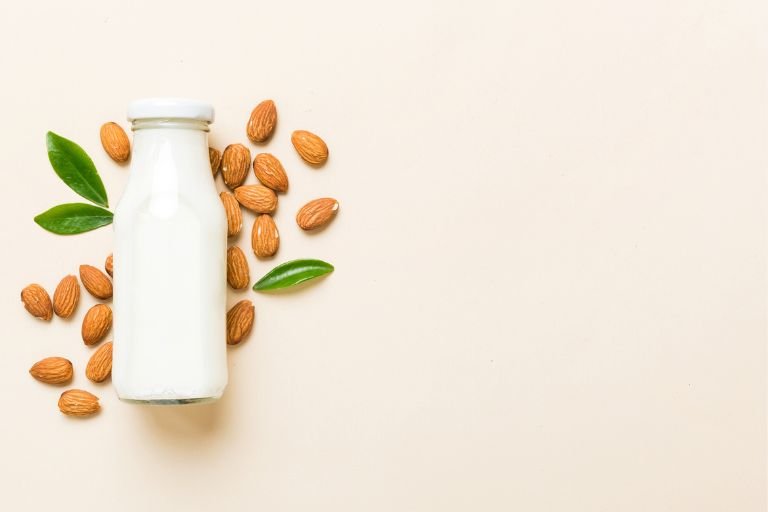
Almond milk, a popular dairy alternative, has gained significant attention for its creamy texture, mild flavor, and impressive nutritional profile. For those who struggle with acid reflux or GERD (gastroesophageal reflux disease), finding safe beverages can be challenging. So, the question arises: “Is almond milk good for acid reflux?”
The short answer is: Yes, almond milk is generally good for acid reflux. Its naturally low acidity, soothing properties, and absence of lactose make it a safe and often beneficial choice for those managing acid reflux symptoms. Additionally, almond milk is rich in nutrients that support overall digestive health, making it a great alternative to cow’s milk, which may exacerbate reflux for some individuals.
In this article, we’ll explore why almond milk is considered reflux-friendly, its nutritional benefits, and tips for incorporating it into your diet to manage acid reflux effectively.
Is Almond Milk Acidic or Alkaline?
Almond milk is considered alkaline and has a pH level that ranges from 6.0 to 7.0, depending on the brand and added ingredients. Its alkalizing properties make it an excellent choice for neutralizing stomach acid and soothing the esophagus, which is often irritated by acid reflux.
Compared to cow’s milk, which is mildly acidic (especially full-fat or flavored varieties), almond milk is less likely to aggravate reflux symptoms. This makes it a popular dairy-free alternative for individuals who are lactose intolerant or sensitive to dairy.
Related to Read: Is Coconut Milk Acidic?
Nutritional Profile of Almond Milk
Almond milk is packed with essential nutrients that contribute to its health benefits, particularly for those managing acid reflux. Here’s a breakdown of almond milk nutritional components:
1. Low in Fat
- Unsweetened almond milk contains only about 2.5 grams of fat per cup, making it a low-fat option that is less likely to relax the lower esophageal sphincter (LES)—a common cause of acid reflux.
2. Naturally Lactose-Free
- Almond milk is plant-based and contains no lactose, making it easier to digest for individuals who experience bloating or reflux symptoms with dairy milk.
3. Rich in Calcium
- Most almond milk is fortified with calcium, providing up to 30% of the daily recommended intake per cup. Calcium supports healthy muscle function, including the LES, which helps prevent acid reflux.
4. Source of vitamin D
- Fortified almond milk contains vitamin D, which supports bone health and helps regulate inflammation in the digestive tract.
5. Low in Calories
- Unsweetened almond milk has only 30–40 calories per cup, making it a weight-friendly choice for individuals managing acid reflux through weight loss.
6. Contains Magnesium
- Almond milk contains magnesium, a mineral that promotes muscle relaxation in the digestive tract and reduces symptoms of GERD.
Why Almond Milk is Good for Acid Reflux?
Almond milk offers several benefits that make it a great choice for individuals managing acid reflux:
1. Soothes the Esophagus
- Almond milk’s alkaline properties can help neutralize stomach acid and create a protective coating for the esophagus, reducing irritation caused by acid reflux.
2. Gentle on the Stomach
- Unlike acidic beverages such as citrus juices or coffee, almond milk is gentle on the stomach and does not stimulate excess acid production.
3. Supports Digestion
- Almond milk’s natural magnesium content supports the muscles of the digestive tract and promotes smooth digestion, reducing bloating and discomfort.
4. Dairy-Free and Lactose-Free
- Many individuals with acid reflux are sensitive to lactose or dairy proteins, which can trigger symptoms. Almond milk provides a safe and nutritious alternative.
5. Aids in Weight Management
- Maintaining a healthy weight is crucial for managing acid reflux, as excess weight can put pressure on the stomach and worsen symptoms. Almond milk’s low calorie and fat content make it a weight-friendly beverage.
Author Tip:Is Almond Yogurt Acidic?
Tips for Using Almond Milk Safely with Acid Reflux
While almond milk is generally safe and beneficial for acid reflux, the following tips can help you make the most of it:
1. Choose Unsweetened Almond Milk
- Sweetened almond milk often contains added sugars, which can exacerbate acid reflux symptoms. Opt for unsweetened varieties to minimize the risk.
2. Avoid Flavored Almond Milk
- Flavored almond milk (such as chocolate or vanilla) may contain added ingredients, like artificial flavors or acidic additives, that can trigger reflux symptoms. Stick to plain almond milk.
3. Watch for Additives
- Some brands add thickeners or stabilizers to almond milk that may irritate sensitive stomachs. Look for brands with minimal ingredients.
4. Monitor Your Portion Sizes
- Although almond milk is low in fat and calories, consuming large quantities in one sitting can still put pressure on the stomach. Stick to 1–2 cups per serving.
5. Pair with Reflux-Friendly Foods
- Use almond milk in recipes that include other reflux-friendly ingredients, such as bananas, oats, or spinach, to create balanced meals and snacks.
Reflux-Friendly Almond Milk Recipes
1. Almond Milk Smoothie
Ingredients:
- 1 cup unsweetened almond milk
- 1 banana
- 1/2 cup frozen mango
- 1 teaspoon honey (optional)
Instructions:
- Blend all ingredients until smooth.
- Serve as a refreshing, reflux-friendly snack or breakfast.
2. Creamy Oatmeal with Almond Milk
Ingredients:
- 1/2 cup oats
- 1 cup unsweetened almond milk
- 1/2 teaspoon cinnamon (optional)
- 1 teaspoon maple syrup (optional)
Instructions:
- Cook oats in almond milk over medium heat until creamy.
- Stir in cinnamon and maple syrup for added flavor.
- Serve warm as a comforting, reflux-safe breakfast.
3. Almond Milk and Spinach Soup
Ingredients:
- 2 cups spinach leaves
- 1 cup unsweetened almond milk
- 1/2 cup low-sodium vegetable broth
- A pinch of salt
Instructions:
- Heat vegetable broth and spinach in a pot until spinach wilts.
- Blend the mixture with almond milk until smooth.
- Season with salt and serve warm.
Almond Recipes: Almond Shortbread Cookies
Almond Macarons With Caramelized White Chocolate Ganache
Frequently Asked Questions About Almond Milk and Acid Reflux
1. Is almond milk good for GERD?
Yes, almond milk is good for GERD because it is low in acidity, soothing for the digestive system, and free of lactose, which can exacerbate GERD symptoms in some individuals.
2. Can almond milk trigger acid reflux?
Almond milk is unlikely to trigger acid reflux when consumed in moderation. However, flavored or sweetened varieties may contain additives that can cause discomfort for some people.
3. Is almond milk better than cow’s milk for acid reflux?
For many individuals with acid reflux, almond milk is a better option than cow’s milk because it is lower in fat and lactose-free, both of which can reduce reflux symptoms.
4. Can I drink almond milk every day with acid reflux?
Yes, almond milk can be consumed daily as part of a reflux-friendly diet. Just ensure you’re choosing unsweetened and minimally processed varieties.
5. What other plant-based milks are good for acid reflux?
Other plant-based milks that are good for acid reflux include oat milk, coconut milk (in moderation), and rice milk, all of which are low in acidity and gentle on the stomach.
Final Thoughts
Almond milk is a nutritious, alkaline, and reflux-friendly beverage that can be safely included in the diets of those managing acid reflux or GERD. Its low acidity, absence of lactose, and anti-inflammatory properties make it a soothing alternative to cow’s milk and other dairy products.
Whether used in smoothies, oatmeal, or soups, almond milk is a versatile ingredient that can help neutralize stomach acid and reduce reflux symptoms. Just remember to choose unsweetened varieties, avoid additives, and consume it in moderation for the best results.
Gluco6 Reviews
ProstaVive Reviews
Mitolyn Reviews
Nagano Tonic Reviews
Nerve Fresh
Lipozem Reviews
Sugar defender
CelluCare Reviews
Nitric Boost Ultra Reviews
Pineal XT Reviews
Related Posts



Subscribe for New Racipies
Get mental health tips, updates, and resources delivered to your inbox.
Are Donuts Healthy? Expert Analysis Reveals the Truth

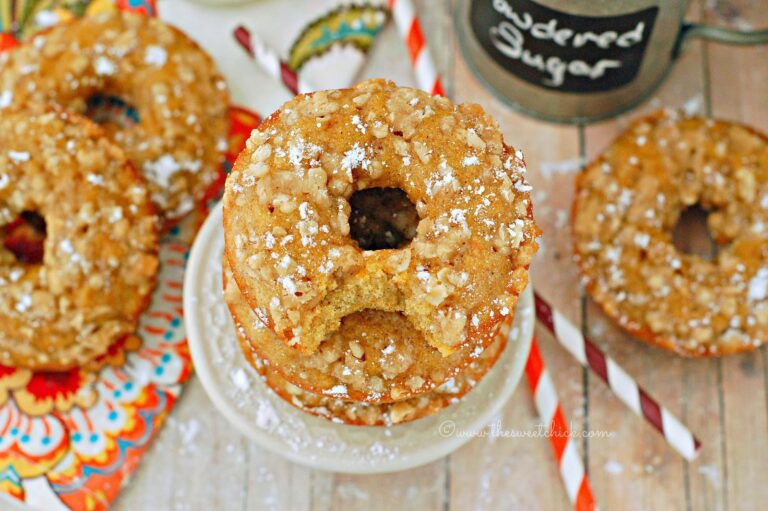
Donuts are small fried cakes of sweet dough and are one of the world’s greatest desserts and snacks. A variety of toppings, including chocolate, maple glazing, or powdered sugar, are used to experiment with making donuts with various flavors.
Donuts have a delicious flavor that appeals to people of all ages. But before you indulge in donuts solely for their flavor, consider this first: are donuts healthy?
No, donuts are not a healthy food to eat every day. Even one donut a day will develop obesity, diabetes, heart disease, insulin resistance, and metabolic issues. It comes with around 190 to 300 calories and 15 to 30 grams of sugar. These numbers are dangerous when you’re trying to slim down.
Let’s find out in detail how healthy donuts are for you.
Are Donuts Healthy?
Donuts are unhealthy because they are high in sugar and calories. You can expect to consume between 250 to 550 calories and 15 to 30 grams of sugar in one donut. Thus, consuming them in excess can result in weight gain and blood sugar problems.

However, it’s essential to note that not all donuts are created equal, and some variations can be healthier than others. Here are some ways to make donuts slightly healthier:
- Baked, Not Fried: opt for baked donuts instead of traditional deep-fried ones. Baked donuts are lower in fat and calories.
- Whole Grain or Alternative Flours: Choose donuts made from whole grain or alternative flours like almond or coconut flour for added fiber and nutrients.
- Reduced Sugar: Look for donuts with reduced sugar content or those sweetened with natural alternatives like honey or maple syrup.
- Nutritional Additions: Some donuts incorporate healthier ingredients like fruits, nuts, or seeds, adding some nutritional value.
👉😍Author Tips: Ready to Melt Belly Fat Overnight? Unlock the Secret Now✅
The Calorie Range Of Donuts
Sprinkled, glazed, or creamy-filled – you have varieties of donuts on displays calling your names like magnetic poles. But remember, it’s the calories calling.
Now, all donuts are not similar in calorie counting. They vary in different types of donuts.
Cake Donut
A plain cake donut is all about flour, sugar, and oil. You can add toppings or filling, they are never a healthy option to your healthy lifestyle.
| Calories | 200-300 |
| Carbohydrates | 20 to 50 g |
| Sugar | 10 to 20 g |
| Fat | 10-20 g |
| Protein | 1-3 g |
| Fiber | >1 g |
| Vitamins and Minerals | relatively low. |
| Sodium | 150-300 mg |
Creamy-Filled Iced Donut
The custard-filled creamy donuts are a favorite to most. However, they might not be a good start to your day.
| Calories | 250-350 |
| Carbohydrates | 40-60 g |
| Sugar | 20-30 g |
| Fat | 10-20 g |
| Saturated Fat | 4-8 g |
| Trans Fat | – |
| Protein | 3-5 g |
| Fiber | >1 g |
| Cholesterol | – |
| Sodium | 150-300 mg |
| Vitamins and Minerals | relatively low. |
Glazed And Frosted Donuts
Vanilla, chocolate fudge, or maple – toppings may add more calories to your body. With toppings, a glazed and frosted donut has-
| Calories | 192 |
| Saturated Fat | 2.667g |
| Polyunsaturated Fat | 1.309g |
| Monounsaturated Fat | 5.714g |
| Cholesterol | 14mg |
| Sodium | 181mg |
| Carbohydrate | 22.86g |
| Protein | 2.34g |
Jelly Filled Donuts
Jelly-filled donuts are the US’s one favorite choice after cream-filled and glazed. But what does the calorie count say about this sweet delight?
| Calories | 221 |
| Saturated Fat | 3.148g |
| Polyunsaturated Fat | 1.545g |
| Monounsaturated Fat | 6.647g |
| Cholesterol | 17mg |
| Sodium | 190mg |
| Carbohydrate | 25.35g |
| Protein | 3.84g |
Why You Shouldn’t Eat Donuts?
While donuts can be a delicious treat, it’s important to consume them in moderation due to several reasons related to their nutritional content and potential health implications. why you shouldn’t eat donuts excessively
High in Added Sugars
Donuts are notorious for their high sugar content. Excessive sugar consumption can lead to weight gain, tooth decay, and an increased risk of chronic diseases like type 2 diabetes and heart disease.
Loaded with Unhealthy Fats
Most donuts are deep-fried in oil, making them high in unhealthy trans fats and saturated fats. These fats can raise cholesterol levels and increase the risk of heart disease.
Donuts provide very few essential nutrients. They are typically low in vitamins, minerals, and fiber, which are crucial for overall health. Consuming donuts can displace more nutritious foods from your diet.
Calorie-Dense
Donuts are calorie-dense, meaning they provide a significant number of calories without offering much nutritional value. Overindulging in calorie-dense foods can contribute to weight gain and obesity.
Blood Sugar Spikes
The combination of refined carbohydrates and added sugars in donuts can cause rapid spikes in blood sugar levels, followed by crashes. This can lead to mood swings, fatigue, and increased cravings for more sugary foods.

3 Positive Points Of Donuts
Disadvantages are more prevalent than advantages in donut consumption. But there are also some positive aspects. Let’s check it out.
Taste and Enjoyment
Donuts are undeniably delicious and come in a wide variety of flavors and textures. They offer a satisfying and indulgent taste experience, making them a popular comfort food. Enjoying a donut occasionally can provide a sense of pleasure and satisfaction.
Pamper Your Children
Is your child often skipping lunch, and do you want to make mealtime more enjoyable for them?
Incorporating donuts into their lunch can be a delightful choice since children tend to love the delicious taste of donuts. Consider adding a small donut to your child’s lunchbox along with a heartfelt note to show your affection. It’s a sweet and thoughtful gesture that your child is sure to cherish.
Boost Your Brain
The primary energy source for cognitive functions is glucose, which is abundant in sugar and sugar-rich foods. Furthermore, sugar serves as a significant supplier of acetylcholine, a vital neurotransmitter responsible for regulating mood, attention, and memory formation, facilitating the process of learning and remembering. In light of this, donuts can serve as a flavorful and enjoyable option to boost brain function.
Homemade Donuts Vs. Store-Bought Donuts
Homemade donuts are undoubtedly a bit healthier than store-bought donuts as you maintain the quality yourself. Additionally, store-bought donuts are preserved, while homemade donuts can be enjoyed hot and fresh.
You can also make your homemade donuts healthier by mixing in less sugary ingredients, which is impossible with store-bought donuts.
Therefore, I can assure you that homemade donuts will be a better option than store-bought donuts if you want to prefer donuts as a dessert on a particular occasion.
Baked Donuts Vs Fried Donuts
Due to the fact that each baked donut contains 160 calories while each fried donut contains 269 calories, baked donuts are preferable to deep-fried ones.
Moreover, the biggest reason behind baked donuts’ being healthier than fried donuts is that they are not deep-fried like fried donuts. As a result, the presence of fat in baked donuts is slightly less compared to fried donuts.
However, it is not a good idea for your health to break the rules of consuming a certain amount of food. Therefore, you should avoid them as much as possible because the result of consuming them in excess is not beneficial at all.
FAQs
Are donuts healthy?
It is not advisable to consume donuts on a daily basis. Obesity, diabetes, heart disease, insulin resistance, and metabolic problems can all be brought on by just one donut per day. However, since you can control the quality yourself, homemade donuts are undoubtedly a little healthier than those from the store.
Do donuts make you gain weight?
Donuts frequently contain large amounts of sugar, white flour, fat, and calories. Therefore, it’s better not to include it in your daily diet chart as increasing your intake of donuts will not help you maintain your healthy weight.
Are donuts junk food?
Donuts are junk food as they are high in sugar and calories. Usually, they contain between 190 and 300 calories, 15 to 30 grams of sugar, and no nutrients, making them junk food.
Final thoughts
To sum up, everyone likes to consume donuts because of their delicious taste. But, are donuts healthy?
Donuts are not healthy at all, as one single donut carries a lot of calories, fat, sugar, and zero nutrition.
It is best to consume it only occasionally. Otherwise, it will cause significant problems with your health.
However, if you have a donut craving, try to consume homemade baked donuts and avoid store-bought ones. But remember that these cravings can’t be satisfied every day.
Stay healthy.
Related Posts






Subscribe for New Racipies
Get mental health tips, updates, and resources delivered to your inbox.