
Chicken Quesadilla Wonton Cups

Medically reviewed by Christiana George Updated Date: December 19, 2022

Hope everyone had a nice Easter. We finally had some nice weather here. We were able to spend some time outdoors. The bunny dropped off a few gifts for the kids and left them some jelly bean filled eggs to search for. The kids and I made an Easter cake with some green tinted coconut and Peep bunnies. You can see the pictures on my Instagram. I was going to make a baked ham with maple syrup for dinner with some mashed potatoes and carrots, but I ended up donating all of it to my neighbors and their unexpected guests. We had burgers on the grill instead. Not very Easter-ish, but so very good. Now I am getting ready for the next holiday, Cinco de Mayo, with some Chicken Quesadilla Wonton Cups.

My family had really loved the Chicken Parmesan Wonton Cups I made a back in January, so I was excited to try another version. We eat a lot of chicken quesadillas, so why not try it in a wonton cup.

I usually use dried cilantro in my quesadillas, but I wanted to try fresh cilantro this time. It smells so good and even the leaf by itself tastes good. The only other seasoning I added was Sazon Goya with coriander and annatto. It adds a lot of great flavor and turns the chicken a pretty orange color. You can find it with other Goya products in the grocery store or you can make your own version here.

I also added some black beans to the mix. These came seasoned in the can, but you can get the plain ones too. Before filling the wonton wraps, you do need to pre-bake them for about 7 minutes. I just pop them in while I am mixing all the filling together.

Then it’s time to start layering. Sprinkle a little cheese on the bottom of each wonton cup, then add the chicken filling, and finally a little bit more cheese.

These came out even better than anticipated. The fresh cilantro made such a big difference in the flavor. I couldn’t stop eating them. I am convinced that everything tastes better in a wonton cup. My husband ate his plain, but I topped mine with a dollop of sour cream and chopped tomatoes. You can also top it with a little bit of salsa or guacamole. These Chicken Quesadilla Wonton Cups would make a great appetizer for a Cinco de Mayo party or any party. You can set up a little bar where guests can add their own toppings.

I am making myself hungry just by looking at these pictures. I think I need to make some more of these very soon.
Chicken Quesadilla Wonton Cups
by The Sweet Chick
Prep Time: 15-20 minutes
Cook Time: 25-30 minutes
Keywords: bake appetizer snack chicken cheese cilantro wonton wraps Cinco de Mayo Mexican Southwest spring
Ingredients (36 wonton cups)
For the wonton cups
- 2-4 teaspoons vegetable oil
- 1/2 cup finely chopped onion
- 1/2 cup finely chopped red pepper
- 1 lb boneless, skinless chicken breast, chopped
- 2 tablespoons chopped, fresh cilantro
- 1 packet Sazon Goya con Culantro y Achiote (coriander & annatto)
- 1/2 cup canned black beans (seasoned or plain)
- 1 package (8 oz.) shredded mexican cheese blend (Sargento or Kraft brands are good)
- 36 wonton wrappers
Optional toppings
- finely chopped tomatoes
- sour cream
- fresh cilantro
- guacamole
- salsa
Instructions
For the wonton cups
Preheat oven to 350°F.
In a medium skillet over medium/medium low heat, place 1 teaspoon oil and let warm up for 1-2 minutes.
Add chopped onion and pepper and cook until soft. About 6-8 minutes (Add another teaspoon of oil if needed). Then remove from pan and set aside.
Add a teaspoon of oil, chopped chicken, and cilantro to the pan, sprinkle with the Sazon Goya and cook thoroughly. Approximately 6-8 minutes on the same heat setting.
Remove from pan, drain, and place in a medium bowl. Add the onion, peppers, and beans to the chicken and mix until well blended.
Line greased mini muffin tins with the wonton wraps, pressing down gently to mold the shape.
Place wraps in the oven and bake for 7 minutes, then remove.
Add a pinch of shredded cheese to the bottoms of each cup, then with a spoon, evenly distribute the chicken mixture on top of the cheese.
Sprinkle the remaining cheese over the chicken mixture, evenly distributing over each wonton cup.
Place the wonton cups in the oven and bake at 350°F for 10 minutes or until cheese melts.
Remove from oven and allow to cool slightly before carefully removing from muffin tin. Serve warm.
Optional toppings
You can eat them plain or top them with chopped tomatoes, a dollop of sour cream, a bit of fresh chopped cilantro, guacamole, or salsa. Either way enjoy!
This recipe may be shared at these fabulous parties.
Related Posts




Subscribe for New Racipies
Get mental health tips, updates, and resources delivered to your inbox.
Is Oatmeal Acidic? Oatmeal for Acid Reflux[ Good or Bad]

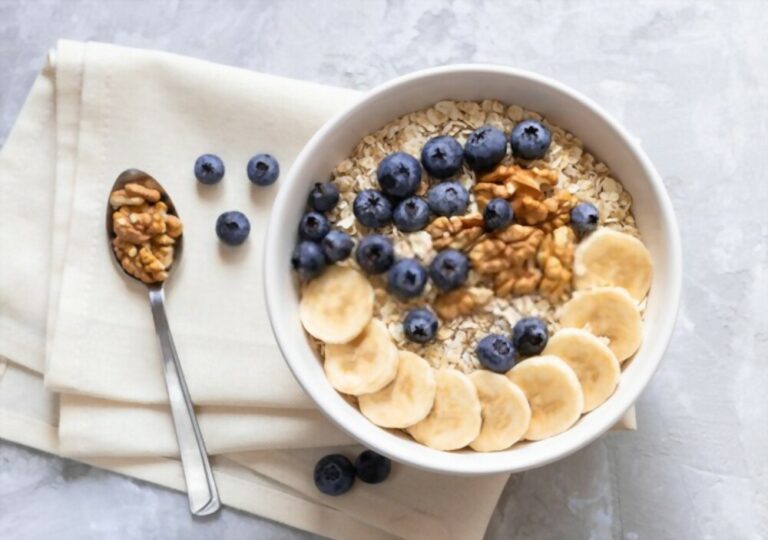
While oatmeal seemed like the blandest of foods from childhood, growing up has opened my eyes to its perks.
It’s a fibrous, creamy, and nutritional meal. An ideal breakfast pick, especially when combined with fruits!
With the discovery of TikTok’s ‘Overnight Oats,’ the meal has grabbed people’s attention. Tons of new flavorful recipes have piped onto feeds, showing ways to make the healthy meal even more mouth-watering.
However, is it perfect for us? Is oatmeal acidic or alkaline? Will the morning meal trigger your acid reflux and put you on a bad start?
Oatmeal’s pH value ranges from 6.2 to 6.6. Seemingly, it is a mildly acidic food. However, oatmeals are among those foods that can form acid in your stomach even with a mild acidic level. If you have GERD, too much oatmeal can be detrimental.
Give me a moment to elaborate!
Is Oatmeal Acidic or Alkaline?
All plants naturally form phenolic compounds as a part of their growth. The same goes for oat plants that are then processed to get grainy oatmeal.
The phenolic compound present in oatmeal is an acid named avenanthramide. This compound gives oatmeal its acidic property and slightly low pH.
If you consider raw oats, they are more acidic than processed oats. As processing removes the outer layer of the grains, they become less acidic. The outer layer of oats has more avenanthramide than the other grains.
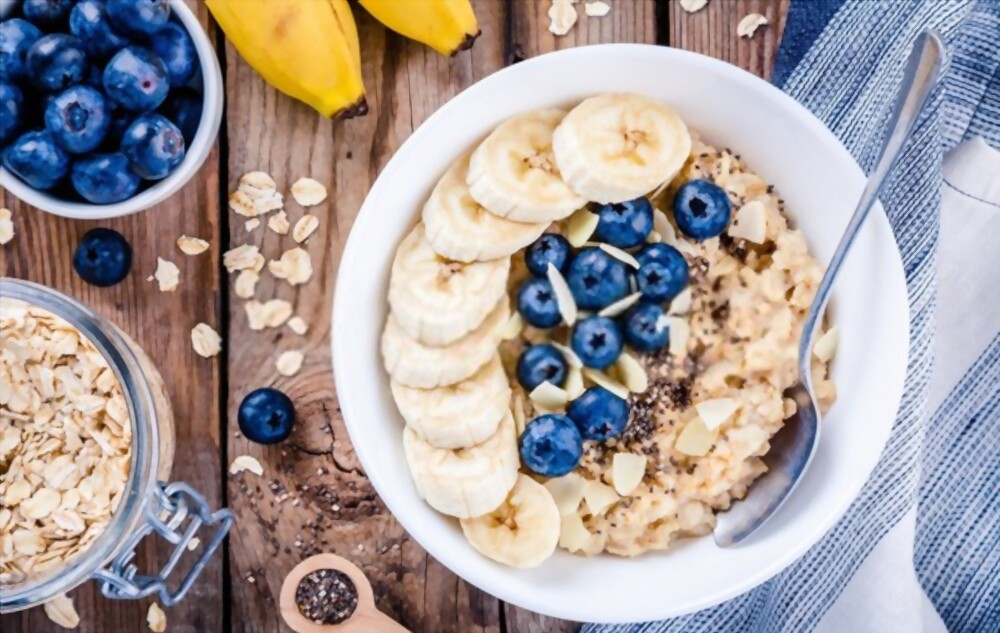
Commercially packed oats vary in acidic nature according to their ingredients. More sugar or high fructose corn syrup can make them less acidic but still harmful for acid reflux.
What you mix with oats also matters a lot. Sour fruits will make oat meals acidic and can give you heartburn. However, you can eliminate the issue by mixing alkaline fruits like papayas, plums, mangos, or cherries.
pH of Oatmeal
The pH of a bowl of oatmeal will be between 6.2 to 6.6, indicating that the food is weakly acidic.
Depending on the type of oatmeal you intend to consume, you will have some changes in the pH range. Each oatmeal type is manufactured through different processes and comes in contact with differing conditions, chemicals, and additives.
One thing that remains true to all, though, is the fact that each of them is acid-forming.
Acidity of Different Types of Oatmeal
Below is a list of the different types of oatmeal so that you can pick one according to your diet:
| Type of Oatmeal | pH of Oatmeal |
| Boiled Oatmeal | 5.5 |
| Oatmeal (Bran, Flour, or Baked) | 6.9 – 7.5 |
| Rolled Oatmeal | 5.5 |
| Baby Oatmeal | 6.5 |
| Steel-Cut Oatmeal | 5.9 – 6.3 |
| Cooked Rolled Oatmeal (Dry) | 6 – 7.4 |
| Cooked Oatmeal (Hot) | 5.3 – 6.2 |
Is Instant Oatmeal Acidic?
Instant oatmeal is highly processed, so they lose the grain’s outer part, making them less acidic. However, commercial oatmeals have numerous flavors and additives that can add to their acidity.
Is Boiled Oatmeal Acidic?
Boiled oatmeal is one of the most acidic oatmeals, with a pH of 5.5, making it unsuitable for people with GERD. The pH level is due to the phenolic acid avenanthramide, which has anti-oxidizing properties.
Is Bran, Flour, or Baked Oatmeal Acidic?
As you guessed by the pH of 6.9-7.5, this type of oatmeal is close to neutral and, sometimes, even alkaline. Making it safer for people with GERD since the chances of having acid reflux are significantly toned down.
Is Rolled Oatmeal Acidic?
Rolled oats are processed oatmeal made from oat groats that have been dehusked and then rolled into flat flakes and lightly toasted. They are the most commonly bought oatmeal, most often used as breakfast.
They have a pH of 5.5, decreasing to 5.3 when cooked. On the other hand, dry rolled oats are less acidic and have a pH between 6 and 7.4.
Is Baby Oatmeal Acidic?
Baby oats are less acidic than rolled oats, with a pH of 6.5, making them a more reliable option for GERD patients.
Is Steel-Cut Oatmeal Acidic?
Steel-cut oats are an excellent source of protein, fiber, and select vitamins and minerals. Unlike rolled oats, which are highly processed, steel-cut oats are dense and chewy. Cutting them into thin slices helps retain more fiber and protein.
Because steel-cut is less processed, they retain the phenolic acid avenanthramide, making them lean more to the acidic side.
Related Articles:
- Are Pickles Acidic? Pickles for Acid Reflux [Good or Bad]
- Is Kombucha Acidic? Is It Good For Acid Reflux?
Is Oatmeal Good for GERD (Acid Reflux)?
Since the pH of oatmeal is between 6.2 and 6.6, they are mildly acidic. Some types are occasionally alkaline, depending on their processing mechanism. This means that oatmeal is the right choice for someone suffering from GERD, right?
A simple Yes or No will not suffice as an answer to this question, as many variables exist.
All oatmeals have acid-forming properties bound to add to your acid reflux symptoms, causing the esophagus to acquire a burning sensation.
At the same time, the fibers in the oatmeal do an excellent job of soaking up acid from your stomach. This alkalinizing effect increases the stomach’s pH, taking it closer to the optimum value.
So, to sum it up, oatmeal can have both – positive and negative effects on your acid reflux.
To decrease the adverse effect and enjoy the plus points to the maximum, you should make it a part of a balanced diet.
Avoid ingesting too much of it at once or having a bowl every day. Instead, make it a part of your weekly routine.
In addition to this, it is always safer to stray away from flavored oatmeal. These contain additives and sugar that raise fat content, increasing acid reflux.
In addition, if you suffer from GERD, having your oatmeal with milk might not be a good idea! Instead, coconut or almond milk are good alternatives.
Related Article: Are Honey Bunches of Oats Healthy? Truth Revealed!
How to Make Less Acidic Oatmeal: Tips and Tricks
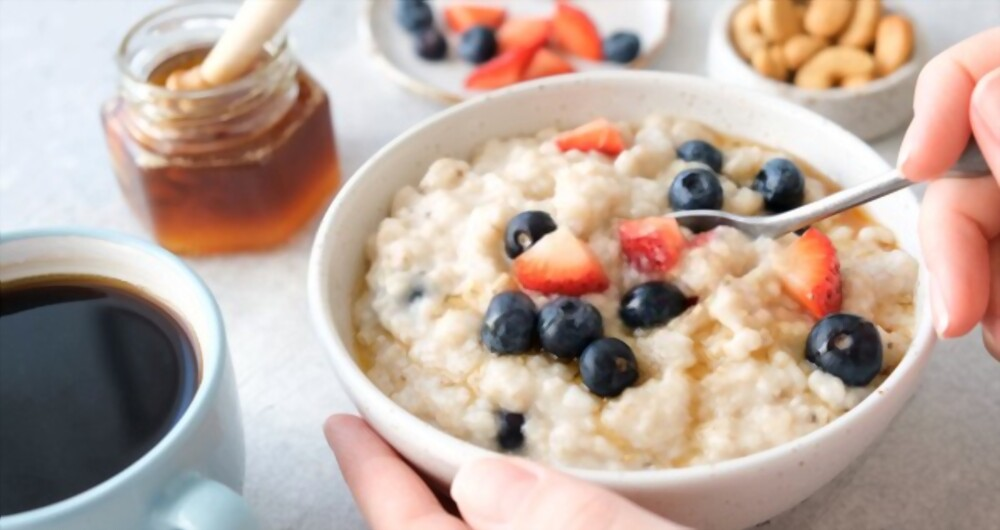
- Instead of sugar, add honey or cinnamon. This decreases fat production, making the oatmeal better for acid reflux.
- Add mashed banana to your oatmeal. Since the fruit is alkaline, it cancels out the acid in your oatmeal.
- Instead of adding acidic fruits like blueberries, kiwis, or oranges to your oatmeal, cut up cucumber slices and put them in. This prevents the stomach pH from going down.
- Sprinkle some baking soda while cooking. It can neutralize your oatmeal’s pH, as baking soda is alkaline.
- Soak your oatmeal in water for a short time before using it. This cuts down the acidity of your oats.
- Mangos and carrots can alkalize your oatmeal. Add them to stop the meal from giving you acid reflux.
- You can try making your oatmeal with a non-dairy milk, such as almond milk or soy milk, which may be less acidic than dairy milk.
- Cooking oatmeal for a shorter period of time may help reduce its acidity.
- Use steel-cut oats instead of rolled oats, because Steel-cut oats may be less acidic than rolled oats.
It’s important to note that while these techniques may help reduce the acidity of oatmeal, they may also alter its flavor and texture.
Additionally, it’s important to keep in mind that these methods may not be effective for everyone, as different people may have different levels of sensitivity to acidity in their foods.
If you are experiencing acid reflux and think that oatmeal may be contributing to your symptoms, it may be helpful to speak with a healthcare professional for personalized advice.
Nutritional Value of Oatmeal
| Nutrient Type | Amount per ½ Cup (41) of Oats |
| Calorie | 150 |
| Sodium | 2.4 mg |
| Fat | 2.6 g |
| Potassium | 147 mg |
| Carbohydrates | 27 g |
| Dietary Fiber | 4.1 g |
| Protein | 5.3 g |
| Sugars | 0.4 g |
Along with the nutrients listed above, oatmeal has silicon, iron, magnesium, manganese, and vitamin B complex. All of these are ingredients that contribute to better health.
5 Impressive Health Benefits of Oatmeal
We constantly hear that oatmeal is highly beneficial to our health, but we rarely hear the specifics. So, I will take the courtesy of explaining everything in detail!
Nutrition Packed Meal
As you guessed from the nutrition chart, having a bowl of oatmeal will provide many minerals required for a balanced diet. It also serves as the perfect source of the fiber beta-glucan, which is incredibly energizing. The protein content gives your body all the necessary amino acids, making it a healthy place for your cells to function.
Antioxidants
Polyphenol, an antioxidant in oatmeal, pairs up with the free radicals in your body. This decreases the chances of acquiring many cardiovascular diseases, cancer, cataracts, etc.
Decreases Blood Cholesterol
Oatmeal does not have cholesterol, so eating it will not increase your cholesterol levels. The beta-glucan in oats also cuts down the body’s LDL cholesterol, also known as “bad” cholesterol, and stops it from oxidizing.
Stable Blood Sugar Level
Beta-glucan in oats can increase the insulin sensitivity of the body. It also forms a gel-like layer in the stomach, which prevents glucose from instantly traveling to the bloodstream. Both factors make oatmeal very healthy for patients with type 2 diabetes.
Promotes Weight Loss
Despite having fewer calories, oatmeal is highly filling. This makes it the ideal choice for people looking to reduce their weight. The beta-glucan present in oats also elevates the secretion of the peptide YY, which is an appetite-suppressing gut hormone.
FAQs
Are Overnight Oats Alkaline?
You consume soaking water containing phytic acid when you soak your oats for overnight oats. As a result, overnight oatmeal is acidic.
Is Cooked Oatmeal Alkaline Or Acidic?
Most oatmeal is slightly acidic, but many brands have been producing alkaline ones. Upon reaching the stomach, the oatmeal increases the stomach’s acidity as the phenolic compounds present in it are acidic.
Is Gluten Free Oatmeal Acidic Or Alkaline?
Gluten-free oatmeal, like most grains, is an acid-forming food. As a result, consuming high amounts of it can result in more severe acid reflux and GERD symptoms.
Can Oatmeal Cause Acid Reflux?
It is possible that oatmeal could contribute to acid reflux in some individuals. However, oatmeal is generally considered a low-acid food and may be a good option for people with acid reflux.
There are several factors that can contribute to acid reflux, and different foods may affect individuals differently. Some people may find that certain foods, including oatmeal, trigger their acid reflux symptoms, while others may not experience any problems with these foods.
If you are experiencing acid reflux and think that oatmeal may be contributing to your symptoms, it may be helpful to keep a food diary to track your symptoms and see if there is a connection. You can then discuss this with your healthcare provider, who can help you determine the cause of your symptoms and recommend appropriate treatment. It’s also a good idea to speak with a healthcare professional before making any changes to your diet.
Can You Eat Oatmeal on an Alkaline Diet?
Oatmeal can be a part of an alkaline diet, as it is considered a low-acid food. An alkaline diet is a type of diet that aims to balance the pH of the body by focusing on foods that are thought to have an alkaline effect on the body.
However, it’s important to note that the pH of food does not necessarily correspond to the pH of the body after the food has been consumed. While some foods may have an alkaline effect on the body, others may have an acidic effect, and the overall effect on the body’s pH will depend on a variety of factors.
In general, an alkaline diet includes a variety of vegetables, fruits, nuts, and legumes, and limits or avoids acidic foods such as dairy products, meat, and processed grains. Oatmeal can be a good choice for an alkaline diet, as it is a whole grain and can be a good source of fiber. It’s a good idea to speak with a healthcare professional or registered dietitian for personalized advice on following an alkaline diet.
Related Article: 10 Best Foods to Eat to Lose Belly Fat
Final Words
Is oatmeal acidic or alkaline? You now know the answer! So, check the nutritional values, alternatives, and benefits to determine whether oatmeal is suitable for you. If yes, remember to ingest it in moderation; otherwise, you will face painful acid reflux symptoms.
Related Posts



Subscribe for New Racipies
Get mental health tips, updates, and resources delivered to your inbox.