
Brussels Sprouts With Bacon And Juniper Berries

Medically reviewed by Christiana George Updated Date: June 8, 2023
We recently sorted out that we’re hosting Thanksgiving this year. Nothing big, just some friends over for a small gathering, but still, Thanksgiving! The most important meal of the year! Talk about performance pressure. But, I think I’m just going to take it one step at a time. I’ve already decided we’re spatchcocking, and besides the turkey, isn’t everything else just gravy from there?
Did you know, up until I met Chris, I’d never eaten turkey? Thanksgivings with my family were such non-events, I can’t at all recall what we used to do. Really, I have no clue, and I’m really racking my brain here. I don’t think my sister and I ever felt like we were missing out though, because you can’t really desire something you’ve never experienced. It meant a week off from school, and that was good enough for us.
When Chris and I started dating, Thanksgiving was always fraught with separation anxiety. We were young, barely into college, and the idea of being apart for FIVE WHOLE DAYS was unimaginable. Obviously, our relationship survived. But just barely. Just kidding. (Actually, the first winter break we spent apart, my family decided to take a month-long trip to China, where all communication was virtually impossible. I’m still mad at myself for spending so much time moping around feeling sorry for myself that I didn’t really get to enjoy the visit.)
Now that I’ve been through a couple real Thanksgivings, complete with turkey and pumpkin pie and the whole nine yards, I can confidently voice my day-of preferences: NO cranberry sauce, NO stuffing, LOTS of mashed potatoes and gravy, dark meat, two slices of pie, and more Brussels sprouts please!

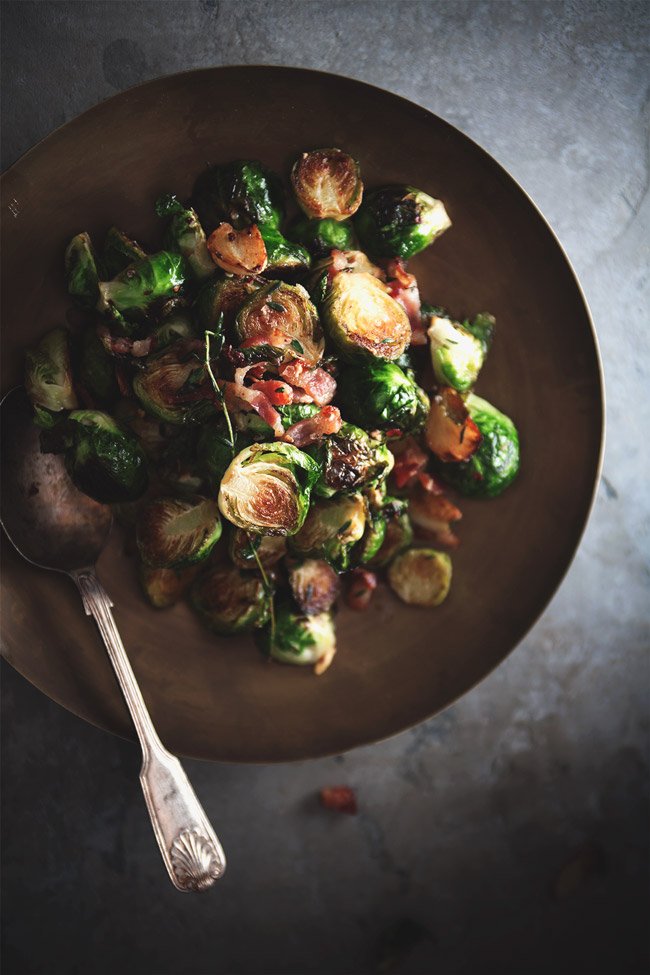
You see, somewhere along the way, I discovered the wonder that is Brussels sprouts. I mean, it’s seen such a huge lift in popular opinion in recent years that I’m pretty sure we’re all Brussels sprouts converts. What’s not to love, when it’s served Momofuku-style, all tart and spicy and refreshing? And who could possibly resist the rendition I present to you this year, tossed with lots of bacon, garlic, thyme and a hint of juniper. Not I. Especially since it comes from the cookbook of another lauded chef, the great April Bloomfield.
Here’s what Bloomfield has to say:
“In this dish, each bite is different—in some you get a nutty, sweet nibble of garlic, in others you’ll fork a sprout along with a big piece of pancetta. The juniper comes through just now and again. You might eat a sprout and not get the juniper, and you might eat another and get the juniper. I kind of like that.”
I kind of like that too, April. This sentiment is echoed throughout the book actually, and I find it unusually wise. The trick is to include just enough of an ingredient to leave you wanting more, but not so much that it gets taken for granted.
One last thing before I leave you with the recipe. The use of juniper berries as an ingredient would ordinarily go against all my instincts. It’s, well, GIN after all, herbal and pungent and seemingly not compatible with any kind of food. But it shines here, in a big but small way, an undertone that just works. Please please please seek out the juniper berries.

BRUSSELS SPROUTS WITH BACON AND JUNIPER BERRIES
Adapted from A Girl and Her Pig
Serves 3 to 4 as a side
Ingredients:
- 1 lb. Brussels sprouts
- 4 Tbsp olive oil
- 4 large garlic cloves, sliced lengthwise
- 3 slices bacon
- 1 tsp Maldon salt
- pinches of red pepper flakes
- 2 juniper berries, smashed and finely chopped
- 1-1/2 tsp thyme leaves
- squeeze of lemon juice
Directions:
Trim the Brussels sprouts and slice them in half.
In a large saute pan, heat 3 Tbsp olive oil on medium-high until it ripples. Add the garlic and let the pieces turn golden brown on one side, then flip them over and repeat. Remove the garlic and set aside. They’ll burn quickly once browned, so act fast.
Turn the heat to medium and add the bacon. Let it cook fully, until the slices are crisp, then set them aside on a paper towel to drain.
Add the Brussels sprouts, cut side down, in one layer across the pan. Cook, using tongs or chopsticks to occasionally check the undersides, until the bottoms are golden brown. Flip and continue to cook until they’re at your desired level of doneness. This step will take about 10 minutes. Don’t rush it. Take this time to chop your bacon into bits.
Stir in the salt, pinches of red pepper, smashed junipers, and reserved garlic cloves. Remove the pan from the heat and stir in the thyme, another Tbsp of olive oil, the bacon pieces, and a nice big squeeze of lemon juice. Serve.
Related Posts






Subscribe for New Racipies
Get mental health tips, updates, and resources delivered to your inbox.
Are Watermelons Healthy? Nutrition Facts and Health Benefits

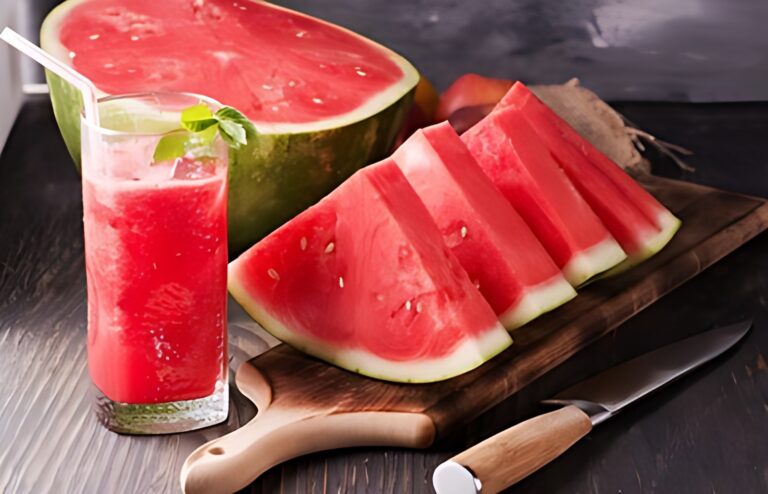
Watermelon is a delicious and refreshing fruit that is also very healthy. It is packed with nutrients, including vitamins A and C, potassium, and magnesium.
Watermelon also contains lycopene and citrulline, two plant compounds that may have health benefits. Yet, the question lingers: Are watermelons truly healthy?
Join us on a journey through the nutrition facts and health benefits of this beloved fruit to uncover the delicious truth. Read on!
Are Watermelon Healthy?
Yes, watermelon is a healthy fruit. It is low in calories and fat, and it is a good source of vitamins A and C, as well as potassium and magnesium. Watermelon also contains antioxidants, which can help protect the body from damage.
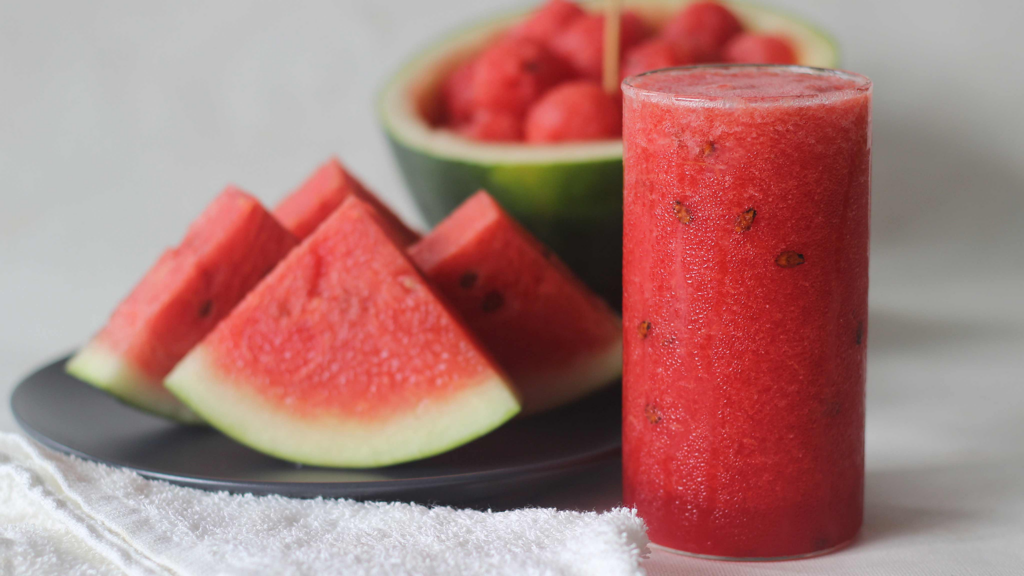
1 Cup Diced Watermelon nutritional content (157 grams):
| Nutrient | Amount | Percent Daily Value (%DV) |
| Calories | 46 | 2% |
| Fat | 0.2 g | <1% |
| Saturated fat | 0 g | 0% |
| Polyunsaturated fat | 0.1 g | <1% |
| Monounsaturated fat | 0.1 g | <1% |
| Cholesterol | 0 mg | 0% |
| Sodium | 1.5 mg | <1% |
| Potassium | 170 mg | 5% |
| Carbohydrates | 11 g | 4% |
| Dietary fiber | 0.6 g | 2% |
| Sugars | 9.4 g | |
| Protein | 0.9 g | 2% |
| Vitamin A | 865 IU | 17% |
| Vitamin C | 12 mg | 20% |
| Calcium | 11 mg | 1% |
| Iron | 0.4 mg | 2% |
| Magnesium | 15 mg | 4% |
Watermelon is a good choice for people who are trying to lose weight or maintain a healthy weight. It is also a good choice for people with diabetes or other dietary restrictions.
Top 5 Health Benefits of Watermelon
Watermelon has long been considered a nutritious, healthy fruit that’s both delicious and fun to eat- but are there real health benefits to adding it to your diet? It turns out that the answer is yes.
While most people associate watermelon with hot summer days and picnics, this fruit actually has several nutritional benefits that make it an excellent addition to your diet year-round.
Here are some of the many benefits of watermelon that will have you eat it daily! (in no particular order)
Good for Weight Loss
You must be wondering how watermelon is good for weight loss.
Watermelon is low in calories but high in water content, making it an excellent food for weight loss. The high water content can help you feel full and eat less overall, and the nutrients in watermelon may help boost your metabolism.
Besides, the fiber content increases too, which can help you feel full longer, making you less likely to overeat later.
Prevents Growth of Cancer Cells
In addition to being loaded with vitamins and nutrients, watermelon also contains lycopene, an antioxidant known to lower the risk of developing certain types of cancer by protecting cells from damage, for example, prostate cancer and other cancers.
Keeps You Hydrated
Watermelons are high in water content. So, it makes them an excellent way to stay hydrated while providing several essential nutrients.
Improves Hair Growth
People often say that consuming a lot of watermelons is suitable for your hair because it provides the essential hydration needed to keep strands and follicles healthy. While this may be true, there are other ways to care for your hair.
Anti-inflammatory Properties
Recent research has shown that watermelon may have anti-inflammatory properties. These properties help reduce the body’s inflammatory responses and improve symptoms of allergies, asthma, inflammatory bowel disease, rheumatoid arthritis, and type 2 diabetes.
Watermelon Side Effects Due To Overeating
Did you know that consuming too much watermelon can cause health problems?
It might seem counterintuitive, but there are three health risks of consuming watermelon (that you didn’t know about). Here they are. You’ll never look at the popular summer fruit the same way again.
Risks Of Too Much Vitamin A
Too much vitamin A can be dangerous as it can increase the risk of osteoporosis and cancer. For pregnant women, too much vitamin A can cause congenital disabilities.
There is also a chance that some people will experience allergic reactions to eating watermelon due to the fact that they are allergic to melon or cucumber, both of which are in the same family as watermelons.
Risks Of Too Much Lycopene
Lycopene is what gives watermelon its rich red color. It has been thought to protect against cancer, heart disease, and macular degeneration. However, too much lycopene can also be harmful to some people with diabetes or kidney problems.
Also, eating large amounts of lycopene-rich foods may result in diarrhea, stomach cramps, nausea, vomiting, and dizziness.
Risk of too much fructose
Watermelon is a high fructose (fruit sugar) fruit. According to the USDA, 100 grams of watermelon has 6 grams of fruit sugar. Studies have also shown that overconsumption of high-fructose fruits has been linked to increased body weight, belly fat, and triglycerides.
Risks Of Too Much Oxalic Acid
Oxalic acid is the compound that makes many fruits and vegetables taste sour, apples, oranges, and rhubarb. It also has a mild laxative effect, so people who eat a lot of these foods will sometimes get an upset stomach or diarrhea.
Although the concentration of oxalic acid in watermelon is less than 0.5%, it is still there. And consuming too much oxalic acid can lead to oxalate kidney stones or gout.
Risk Of Too Much Citric Acid
Because the fruit contains an acid called citric acid, which is present in high concentrations when the watermelon is under-ripe, this could be bad for tooth enamel. Usually, a cup of watermelon contains around 12 milligrams of vitamin C, which can be easily overconsumed if you do not control the portion.
Watermelon vs Watermelon Juice- Which One is Healthy?
Watermelon is delicious, but in order to reap the maximum benefits, it should be consumed as whole fruit, not in juice form.
The first problem with watermelon juice is that it lacks the fiber that comes from the skin and pulp of fresh watermelon. A cup of watermelon contains around two to three grams of fiber, while only trace amounts are found in one cup of watermelon juice.
Consuming less than 20 grams of fiber daily can lead to constipation and other digestive problems. This is definitely something to consider if you’re relying on watermelon juice for your daily dose.
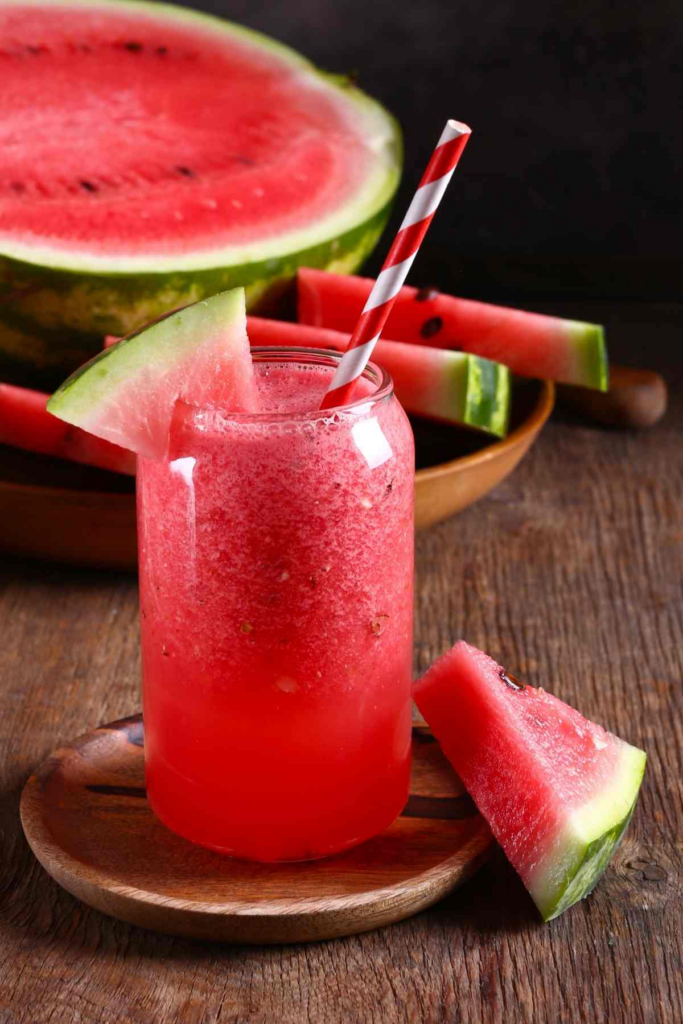
Is Watermelon Water Good For You?
Although you will get the same amount of hydration from watermelon juice as you would with consuming the fruit, you risk consuming additional sugar through the juice.
It is evident that fruit juices contain added sugar. So, when the added sugar in the juice is combined with the natural fructose of watermelon, you tend to consume a lot of sugar at once.
Therefore, consuming whole watermelon fruit instead of juice is a healthy option.
How many watermelons Should I Consume Every Day?
Watermelon has high amounts of lycopene and even more significant benefits when combined with selenium, zinc, and copper. It contains other nutrients like beta-carotene (vitamin A), lutein, potassium, folate, and vitamin C.
That said, some caveats can come with overeating watermelon. Eating excessive watermelon over a short time can harm one’s health, as you have seen above.
You might have yet to realize this, but the amount of watermelon a person should consume varies. Some people will be able to have a little more than others and still stay within the recommended daily serving size. Consuming a maximum of one or two cups of watermelon won’t do any harm to a healthy individual.
If you are too concerned about how much is right for you, speak with your doctor or calculate the nutritional information from the chart above.
FAQs
Are watermelons healthy for diabetics?
For people with diabetes, the sugar in watermelons can be problematic if consumption is not controlled. Watermelons have natural sugars called fructose, which can trigger the condition when consumed too much at a time.
Are watermelons healthy for pregnancy?
Watermelon is one of the healthiest fruits to consume during pregnancy. Pregnant women suffer from constipation, so the high fiber content in watermelon helps ease it.
This fruit also keeps their body hydrated and nourished. Also, the numerous healthy vitamins and minerals in the fruit are good for fetal development.
Is watermelon good for diarrhea?
Diarrhea means excessive loss of water from the body. Since watermelon is rich in water, consuming it when you are suffering from diarrhea can help your body with hydration.
In this case, consuming watermelon juice is better to avoid the fiber intake, as drinking too much fiber during diarrhea can increase the condition.
Are watermelons good for gastritis?
Watermelon is a safe fruit to eat even if you have gastritis. It won’t trigger or worsen the condition because watermelon is a low-acidic or alkaline fruit.
A fully ripe watermelon has a pH level of 9. It helps to neutralize the acid produced in gastritis.
Final Thought
Are watermelons healthy? Yes, watermelons are healthy fruit as mother nature has instilled many good things in them; we all know that. But excess of anything has an adverse effect, and that’s what I was trying to show you.
You might have been stuffing your tummy with watermelon, thinking it won’t affect your health negatively. Although it won’t harm you in a single day or two, you should stop immediately if you continue doing it for the entire summer season.
Related Posts






Subscribe for New Racipies
Get mental health tips, updates, and resources delivered to your inbox.