
Pumpkin Pie Spice Granola

Medically reviewed by Christiana George Updated Date: June 8, 2023
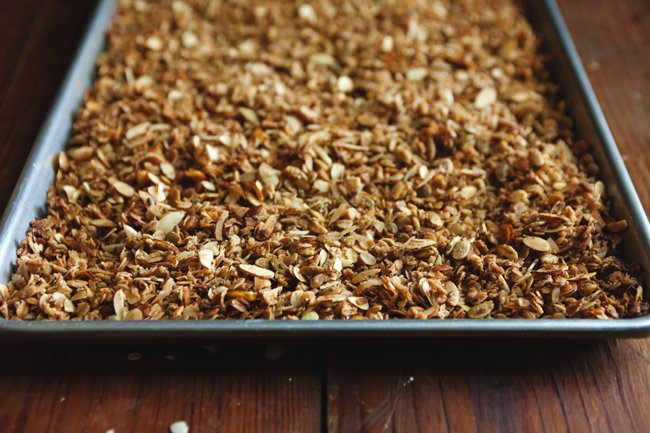
Homemade granola is lovely. It tastes fresher and crisper than anything you get in stores, and you get to customize it to your liking. Hate pecans? Use almonds. Need a little boost of fiber? Throw in flax seeds. Love the smell of pumpkin pies? Use pumpkin pie spices.
I think my favorite part of making granola is deciding on a flavor profile. Cardamom, pistachios, and dried figs go well together, chocolate lovers might throw in a medley of chocolate chips. Cinnamon, nutmeg, ground ginger, and allspice are the strict dominion of pumpkin pie, my favorite kind of pie in the world. So a fall-themed, pumpkin pie spice granola it was.

The process of making granola feels very much like foraging. I had to source a lot of ingredients for this one so that my pantry is now full of bulk bin baggies with trace amounts of their original contents. Into a bowl went heaps of rolled oats, sliced almonds, shiny green pumpkin seeds. Snow-white coconut flakes followed, and flax seeds, and on and on I mixed. Each new ingredient added dimension, another flavor that interacted with all the others just so. And the olive oil? The magical olive oil? I assure you, it will become necessary for your enjoyment of granola. Really.

Finally, the pumpkin pie spices are swallowed up by the mixing bowl. The amount seemed so insubstantial. And yet, when the granola baked, its intoxicating aroma spread to the far reaches of the apartment. We breathed it in and basked in the assurance that the holidays will soon be upon us. We thought with a chill about how quickly time has passed, how it seemed like just yesterday when we moved in. (Gosh, is this blog really only four months old?)
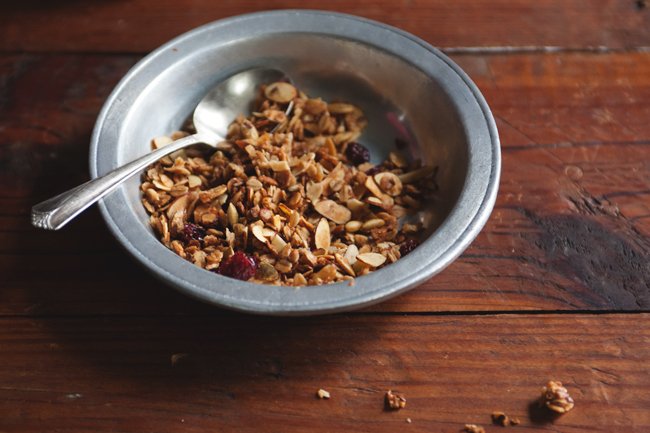
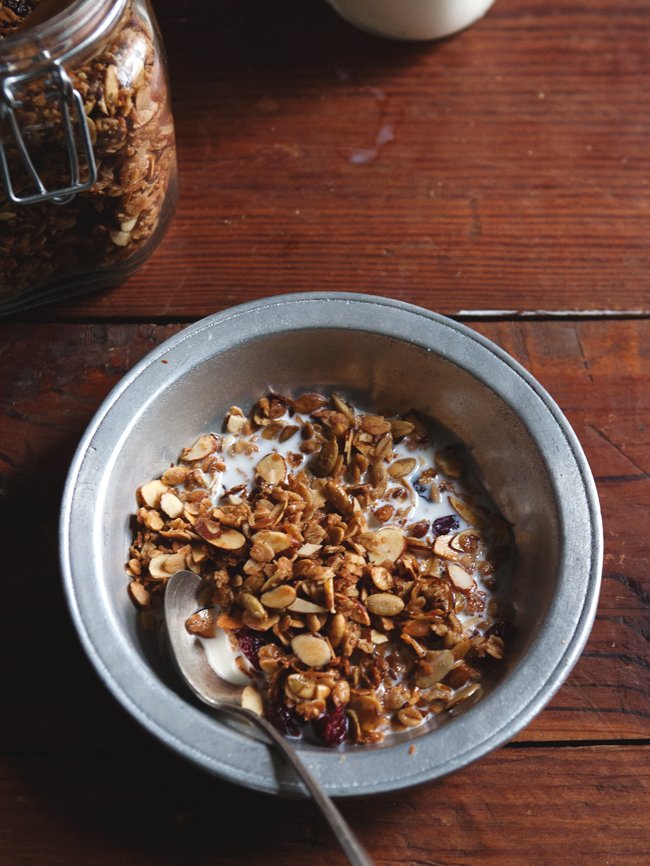
I like granola best with a long pour of whole milk and a steaming mug of coffee, black, on the side. It’s a breakfast that incentivizes me to leave my warm bed, start the water boiling for the french press. I reach for the milk, a big bowl, and a large spoon. It has to be large. You’ll want it to be large too.
But if you were to feel a sudden afternoon craving for something sweet, this granola would make a fine snack. Just plain. Maybe in a Zip-loc bag with its wide opening, the better for grabbing large handfuls. I don’t see why not.
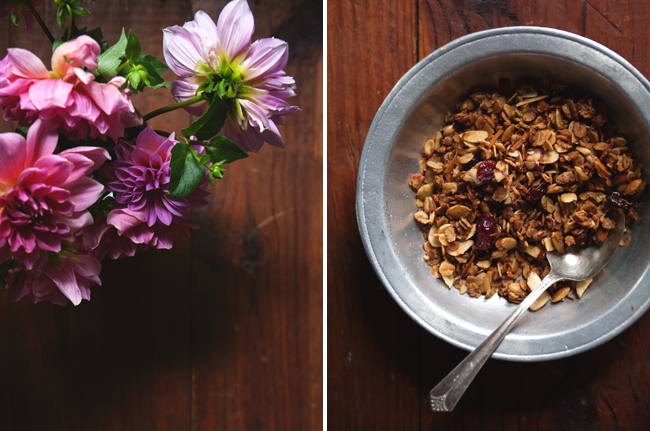

PUMPKIN PIE SPICE GRANOLA
Adapted from Melissa Clark for The New York Times
Makes about 9 cups
Ingredients:
3 cups old-fashioned rolled oats
1-1/2 cups raw sliced almonds
1 cup pumpkin seeds
1 cup sweetened coconut flakes
1/4 cup flax seeds
3/4 cup pure maple syrup
1/2 cup extra virgin olive oil
1/3 cup light brown sugar, packed
1 tsp salt
1/2 tsp cinnamon
1/4 tsp nutmeg
1/4 tsp ground ginger
1/8 tsp allspice
3/4 cup dried cranberries
Directions:
Preheat oven to 300 degrees. In a large bowl, combine oats, almonds, pumpkin seeds, coconut flakes, flax seeds, maple syrup, olive oil, brown sugar, salt, cinnamon, nutmeg, ginger, and allspice.
Spread mixture on a rimmed baking sheet in an even layer and bake for 45 minutes, stirring every 10 minutes, until golden brown and well toasted.
Transfer granola to a large bowl and add cranberries, tossing to combine.
Related Posts






Subscribe for New Racipies
Get mental health tips, updates, and resources delivered to your inbox.
Are Cashews Good for GERD?

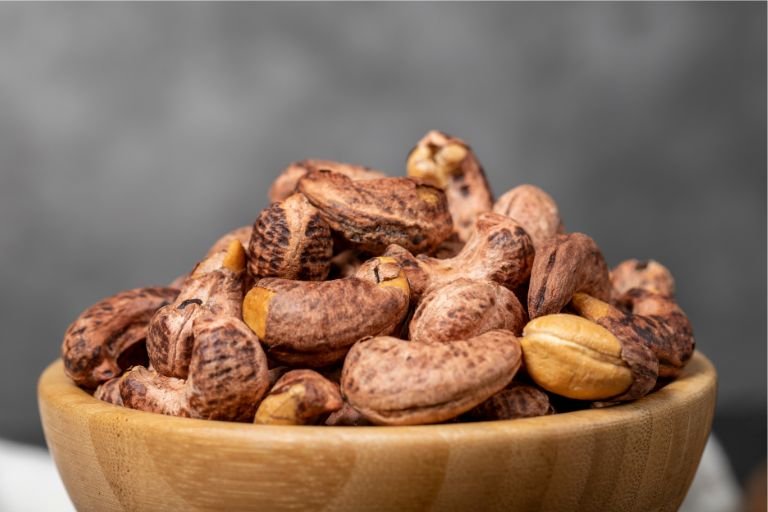
Cashews, with their creamy texture and rich flavor, are a popular snack and ingredient in many dishes. Known for their nutritional benefits, cashews are often included in healthy diets. But for individuals with GERD (gastroesophageal reflux disease) or acid reflux, the question arises: “Are cashews good for GERD?”
The short answer is: Cashews can be good for GERD if consumed in moderation, but they may not be suitable for everyone. While cashews are nutrient-dense and rich in healthy fats, their fat content—albeit healthy—can sometimes trigger reflux symptoms in sensitive individuals. The key to safely consuming cashews with GERD lies in portion control, preparation, and individual tolerance.
In this article, we’ll explore the benefits and potential drawbacks of cashews for those with GERD, their nutritional profile, and tips for incorporating them into a reflux-friendly diet.
Are Cashews Acidic or Alkaline?
Cashews are considered neutral to mildly alkaline, with a pH level that ranges between 6.1 and 6.5. This makes them less likely to contribute to stomach acidity compared to acidic foods like citrus fruits or coffee.
While cashews are not acidic, their effect on GERD symptoms depends more on their fat content and how they are consumed than their pH level.
Author Tip: Are Pecans Good for Acid Reflux? A Guide to GERD-Friendly Nuts
Nutritional Profile of Cashews
Cashews are a nutrient-dense food, providing essential vitamins, minerals, and healthy fats. Here’s a breakdown of their key nutritional components:
1. High in Healthy Fats
- Cashews contain monounsaturated and polyunsaturated fats, which are heart-healthy and anti-inflammatory. One ounce of cashews (about 18 nuts) provides approximately 12 grams of fat, mostly from healthy sources.
2. Source of Plant-Based Protein
- Cashews are a good source of protein, with about 5 grams per ounce, making them a satisfying snack that helps prevent overeating—a common trigger for GERD.
3. Rich in Magnesium
- Cashews are packed with magnesium, which helps relax the muscles of the digestive tract, including the lower esophageal sphincter (LES), reducing reflux episodes.
4. Contains Fiber
- One ounce of cashews provides about 1 gram of fiber, which supports healthy digestion and prevents constipation and bloating.
5. Loaded with Antioxidants
- Cashews are rich in antioxidants like vitamin E and zinc, which reduce inflammation and promote healing in the esophagus.
6. Low in Sugar
- Cashews are naturally low in sugar, making them a better snack option than sugary treats that can exacerbate GERD symptoms.
Related to Read: Are Hazelnuts Good for Acid Reflux?
Can Cashews Trigger GERD Symptoms?
While cashews are generally considered a healthy food, their fat content can sometimes trigger GERD symptoms in certain individuals. Here’s why:
1. High Fat Content
- Even though the fats in cashews are healthy, all fats—whether healthy or not—can relax the lower esophageal sphincter (LES), which separates the stomach from the esophagus. A relaxed LES increases the likelihood of stomach acid flowing back into the esophagus, causing reflux.
2. Overeating
- Eating large portions of cashews can overwhelm the stomach, leading to bloating and increased pressure on the LES. This can exacerbate GERD symptoms.
3. Individual Sensitivities
- Some people may have difficulty digesting nuts, including cashews, and experience symptoms like bloating, gas, or reflux.
Benefits of Cashews for GERD
When consumed in moderation and as part of a balanced diet, cashews can offer several medicinal benefits for individuals with GERD:
1. Prevents Overeating
- Cashews are satisfying and filling, thanks to their protein and healthy fat content. This can help prevent overeating, which is a common trigger for reflux symptoms.
2. Supports Muscle Function
- The magnesium and potassium in cashews help support proper muscle function, including the LES, which is responsible for keeping stomach acid from flowing back into the esophagus.
3. Anti-Inflammatory Properties
- Cashews contain antioxidants and anti-inflammatory compounds that may help soothe irritation in the esophagus caused by stomach acid.
4. Low Glycemic Index
- Cashews provide sustained energy without causing blood sugar spikes, which can indirectly help manage reflux symptoms.
5. Promotes Healthy Digestion
- The fiber content in cashews supports healthy digestion, which can reduce bloating and gas that may contribute to reflux.
Tips for Eating Cashews Safely with GERD
If you enjoy cashews and want to include them in your diet without triggering GERD symptoms, follow these tips:
1. Stick to Small Portions
- Limit your serving size to 1 ounce (about 18 nuts) per sitting. Eating large quantities can increase stomach pressure and exacerbate reflux.
2. Choose Unsalted, Plain Cashews
- Opt for raw or dry-roasted cashews without added salt, sugar, or flavorings that can irritate the stomach.
3. Avoid Eating Late at Night
- Refrain from consuming cashews or other snacks within 2–3 hours of bedtime to reduce the risk of nighttime reflux.
4. Chew Thoroughly
- Chewing cashews thoroughly aids digestion and reduces the likelihood of bloating or discomfort.
5. Monitor Your Body’s Reaction
- Pay attention to how your body reacts to cashews. If you notice symptoms like bloating, heartburn, or discomfort, it’s best to limit or avoid them.
Reflux-Friendly Ways to Enjoy Cashews
1. Cashew and Banana Smoothie
Ingredients:
- 1 cup unsweetened almond milk
- 1 ripe banana
- 1 tablespoon cashew butter
- 1 teaspoon honey (optional)
Instructions:
- Blend all ingredients until smooth.
- Serve as a soothing, reflux-friendly snack or breakfast.
2. Cashew Oatmeal
Ingredients:
- 1/2 cup oats
- 1 cup unsweetened almond milk
- 1 tablespoon chopped cashews
- 1/2 teaspoon cinnamon
Instructions:
- Cook oats in almond milk as directed.
- Top with chopped cashews and sprinkle with cinnamon.
- Serve warm for a hearty, reflux-friendly breakfast.
3. Cashew and Spinach Salad
Ingredients:
- 2 cups fresh spinach
- 1/4 cup chopped cashews
- 1/2 cup diced cucumber
- 1 tablespoon olive oil
Instructions:
- Combine spinach, cashews, and cucumber in a bowl.
- Drizzle with olive oil and toss to combine.
- Serve as a light and nutritious lunch or side dish.
Frequently Asked Questions About Cashews and GERD
1. Are cashews good for GERD?
Yes, cashews can be good for GERD if consumed in moderation. Their healthy fats, magnesium, and protein make them a nutrient-dense option, but large portions may trigger reflux symptoms in some individuals.
2. Can cashews cause acid reflux?
Cashews can cause reflux in some individuals if consumed in excess due to their fat content, which may relax the LES.
3. Are raw or roasted cashews better for GERD?
Both raw and dry-roasted cashews are good options for GERD. However, avoid heavily salted or flavored varieties, as they may irritate the stomach lining.
4. How many cashews can I eat if I have GERD?
Stick to a serving size of 1 ounce (about 18 nuts) to minimize the risk of triggering reflux symptoms.
5. Are other nuts better than cashews for GERD?
Almonds are often considered the most reflux-friendly nut due to their slightly alkaline nature and lower fat content. Walnuts, pistachios, and sunflower seeds may also be good options in moderation.
Final Thoughts
Cashews can be a healthy and satisfying snack for individuals with GERD when consumed in moderation. Their magnesium, protein, and healthy fats make them a nutritious choice, but their fat content can trigger reflux symptoms in some individuals if eaten in large quantities.
By choosing plain, unsalted cashews and sticking to small portions, you can enjoy the benefits of this nutrient-dense food without aggravating your GERD symptoms. As always, monitor your body’s reaction and adjust your intake accordingly to find what works best for you.
Related Posts




Subscribe for New Racipies
Get mental health tips, updates, and resources delivered to your inbox.