
Are Grapes Acidic? Should I Eat with Acid Reflux?

Medically reviewed by Lindsay Ewan, MD Updated Date: January 1, 2026
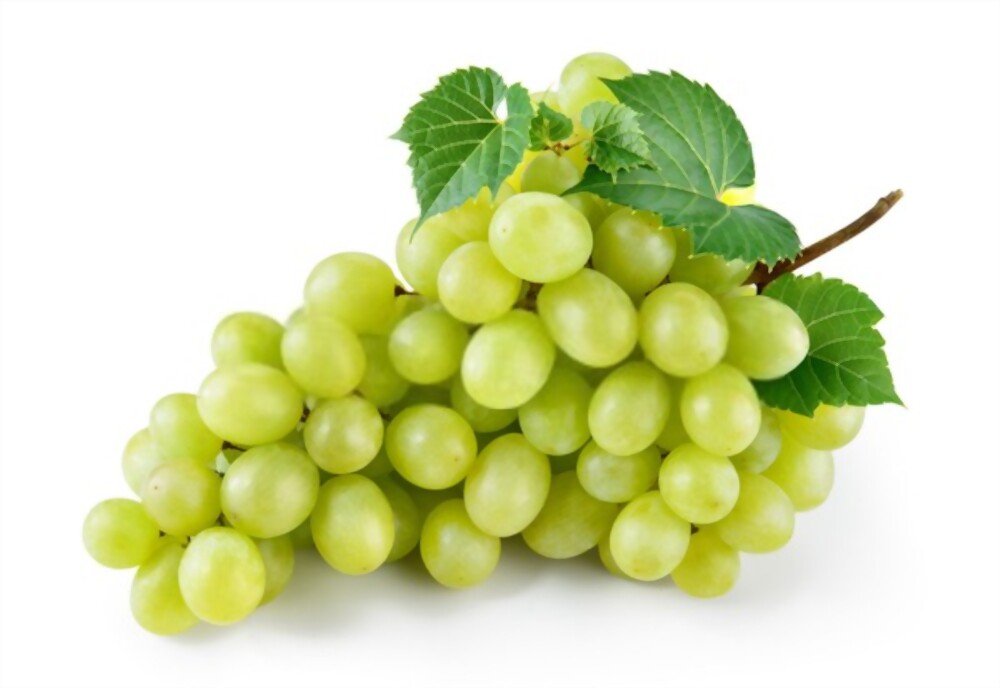
Grapes are the complete package in terms of nutrition. They’re full of potassium and minerals, and their carbohydrates provide instant energy. But these are only the benefits. Are there any drawbacks?
Health conditions like acid reflux may remind you to ask, are grapes acidic?
Among the nutrient compounds found in grapes are several that are acidic. The pH of grapes ranges from 3.5 to 4.5, making them acidic. But, knowing the pH of grapes isn’t the end of the story. Grapes are full of minerals and vitamins that help you in many ways.
Today, in this article, you will learn whether grapes trigger acid reflux or not. Should you start eating grapes or avoid them, and learn about grapes of various types.
Are Grapes Acidic or Alkaline? How Can We Figure It Out?
Grapes are one of the sweetest fruits with acidic content. Most grapes have a pH in the range of 3.5 to 4.5. According to the definitions of acidity, anything that has a pH below 7.0 is categorized as acidic.
To understand the acidity of grapes better, let’s analyze the acids found within grapes. The table below shows us which acids are present in grapes, and the concentration of each type of acid.
You should note that these numbers represent concentrations – so it tells us how many molecules of each acid compound is present within each liter – this is not the amount in each grape!
| Grapes (Acidic Content) | Amount |
| Malic Acid | 0.02 – 0.08 mol/L |
| Tartaric Acid | 0.03 – 0.09 mol/L |
| Citric Acid | 0.3mol/L |
Related Article: Are Blueberries Acidic? Blueberries for Acid Reflux(Good or Bad)
Which grapes are less acidic?
The sugar content and acidity of grapes change over time as they ripen. The simple explanation for this is that the sugar content increases as they ripen, and as the level of sugars increases, the levels of the various acids decrease. This makes them less acidic as they ripen.
That is why ripe grapes are less acidic. The least acidic contents are present in white wine grapes. So if you are trying to choose a type of grapes with the lowest acidity to help control acid reflux, then you should go for the white wine grapes.
The second best option would be choosing a red globe with a pH level of 5.5 to 7. This pH indicates that these grapes are close to neutral.
Fun Fact: Grapes are one of the ancient fruits and have been cultivated since approximately 6500 BC.
Grapes Acid Reflux [Good or Bad]
Acid reflux is a condition in which the contents of the stomach flow backward and up into the esophagus. This creates a burning sensation in the throat and chest. Eating or drinking acidic things is known to make these symptoms worse.
Acid reflux can be severe if it’s not controlled. Fruits like grapes can trigger acid reflux for sure. Grapes have a pH below 4.5 in most cases. The acidic compound can increase stomach acidity so that the grapes can worsen symptoms of acid reflux.
But, here are some specific pieces of information that we need to consider when deciding if it is a good idea to eat grapes. Firstl, grapes are a good source of nutrition and help to strengthen the body’s immunity against many diseases. Therefore there are benefits to keeping grapes in your diet, but in moderation.
Grapes can trigger gastritis or acid reflux because of their relatively acidic content. Now, you may think, how does acid reflux actually happen?
Our stomach has a lining made from epithelial cells. These cells produce and secrete hydrochloric acid (HCl). HCl is extremely acidic. And the stomach needs this acidity, to help digest foods. The environment inside the stomach has a pH of approximately 1.5, which as we said, is very acidic.
When one eats acidic foods in excess, this provides additional acid to the stomach. Increasing the acid content means that when some of the contents of the stomach reflux (or flow backwards) up into the esophagus, the symptoms of acid reflux are worse. Eating acidic foods can worsen heartburn and throat pain associated with acid reflux.
Green grapes are another fruit that may not be a good choice for acid reflux patients, because of their high acidity. Green grapes have a pH value of 2.40 which is as acidic as purple grapes. That is why these grapes are not recommended for GERD patients.
Related Article: Are Strawberries Acidic? Strawberries and Acid Reflux: Good or Bad
Variety of Grapes and PH Level
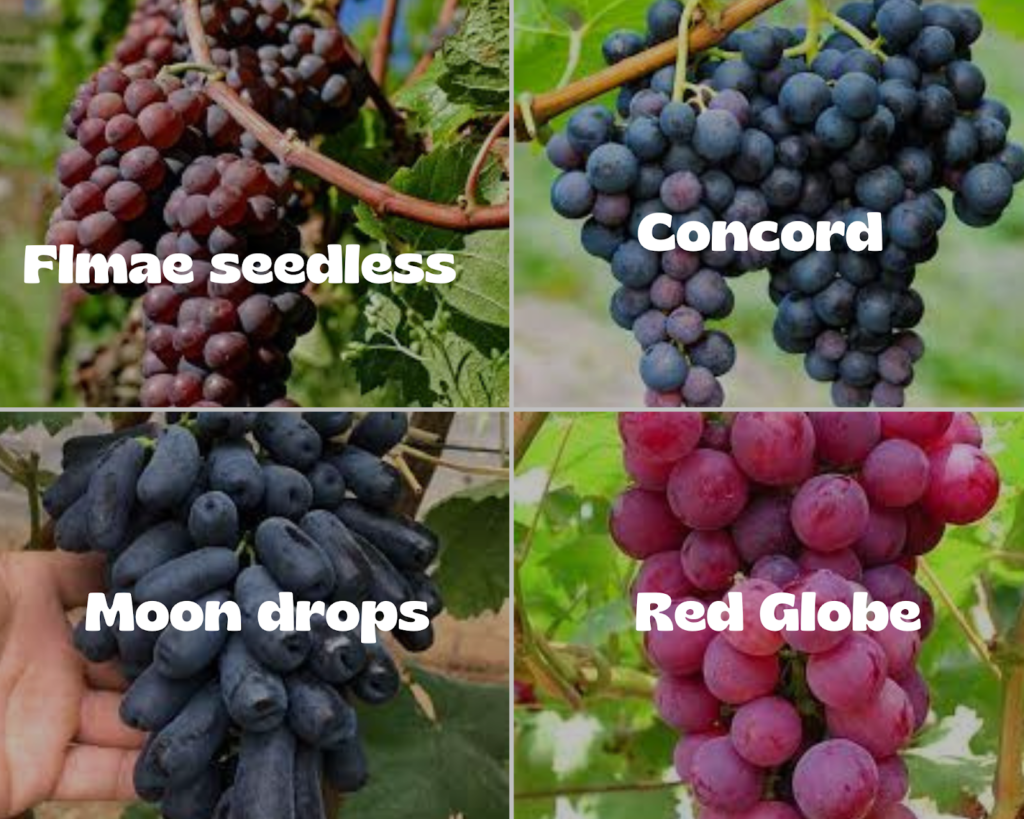
There are several types of grapes you may see in your area. To find out the variety you have in your basket, let’s check out the varieties that exist. And let’s evaluate the pH levels of each type.
| Varieties of grapes | pH level | Nature |
| Flame seedless | 5.5-6.5 | Slightly Acidic |
| Concord | 5.0-6.5 | Slightly Acidic |
| Moon Drops | 5.0-6.5 | Slightly Acidic |
| Red Globe | 5.5-7.0 | Almost Neutral |
| Green | 2.40 | Highly Acidic |
| Red | 3.35-3.40 | Acidic |
| Purple | 1.90 | Highly Acidic |
Flame Seedless
These giant grapes are deep red in hue. Additionally, they contain a wealth of minerals and healthy chemicals. They are famous for their sweet and juicy contents.
Are Flame Seedless Grapes Acidic?
Flame seedless grapes are the least acidic of all types of grapes. They have a pH range from 5.5 to 6.5, which is just slightly below 7. These slightly acidic grapes are a good choice of grapes for acid reflux patients.
Concord
Grapes are frequently eaten fresh as table grapes and have a rich bluish-purple color. Additionally, they are utilized to create jellies, tasty jams, and baked items.
Are Concord Grapes Acidic?
Concord grapes are very close to neutral pH. Because of this, this is another type of grapes that nutritionists recommend for patients with acid reflux. Their minimal acidic content helps satisfy your cravings, without worsening your reflux symptoms.
Moon Drops
Moon Drops are a fascinating grape variety that stands out from other table grapes, thanks to their distinctive form and pleasantly sweet flavor.
Moon Drops are a deep blue color that almost seems black and have an unexpectedly crunchy feel. They also feature a unique dimple on one end and are tubular and long.
Are the Moon Drops Grapes Acidic?
Moon drops are another highly nutritious grape variety, with fairly low acid content. It has a close to neutral pH which makes them safe for acid reflux patients.
Red Globe
This type of grape is a large, seeded table grape loved by people worldwide, especially in Asian nations. They feature firm, crisp flesh and a rosy, scarlet tint.
Other grapes are Dominga, crimson, black Muscat, Thompson seedless, and many others. All types of grapes have different acidity levels.
Are Red Globe Grapes Acidic?
Red globe grapes have a pH range between 5.5 and 7.0 which is almost neutral.
Related Article: Are Apples Acidic? Apples for Acid Reflux [Good or Bad]
5 Reasons to Consider Grapes in Your Diet!
The connection between grapes and heart health has been the subject of numerous studies. Potassium, crucial for maintaining heart health, is present in grapes in a healthy amount.
According to certain studies, people who frequently ate grapes had lower blood pressure and lower levels of bad cholesterol.
Maintaining Weight
Resveratrol is a chemical found in grapes. According to studies, resveratrol can raise your energy levels, enhance your general metabolism, and aid in weight loss by assisting your body’s fatty acid metabolism. However – grapes do have calories and sugar. So don’t think that eating more grapes will make you lose weight!
Lower Blood Pressure
Eating meals high in potassium is one approach to lower blood pressure. Obtaining a sufficient amount of potassium in your diet helps your body excrete sodium, which is helpful for maintaining a healthy blood pressure.
Green grapes are a great source of potassium and fiber, which can assist regulate your cardiovascular system and help control high blood pressure.
They Can Help Improve Your Heart Health
They may aid in lowering blood pressure and enhancing circulation. Additionally, the fact that grapes are high in antioxidants, which can help to protect your heart from disease, is another advantage of eating grapes.
Other than that, grapes have a high-quality content and have nutritional value for your body. Did you know that grapes are an excellent source of nutrients and vitamins K and C?
Grapes also include phytonutrients and antioxidants, and that is not all they have to offer. Here are some additional nutritional details about grapes.
| Nutrients Compounds | Amount |
| Energy | 60 cal |
| Fat | 0.16 gm |
| Vitamin C | 11 mg |
| Vitamin K | 24 mg |
| Sugar | 13 gm |
| Fiber | 0.95 gm |
Related Article: Are Pears Acidic? 5 Reasons to Add Pears in Your Diet
Can You Eat Too Many Grapes in a Day?
Although eating an abundant amount of fruits and vegetables is generally recommended, eating a significant amount of grapes is not necessarily a good idea. Consuming too many grapes might result in significant weight gain and acid reflux.
They are lower in calories than some other options, and they are high in fiber. So they can be a valuable addition to your diet. But remember, all foods are best eaten in moderation. Eating too much of anything is never good for you!
Fun Fact: there’s a type of grapes called white grapes. But interestingly, white grapes are green.
FAQs
Does Grapes Cause Stomach Acid?
Grapes have acidic content that can cause your acidic stomach to become more acidic. But only if you intake an excessive amount of grapes.
Are Grapes Good for People With Acid Reflux?
The pH of our stomachs is already quite low. However, eating highly acidic foods can make the stomach environment even more acidic. For this reason, people who suffer from acid reflux need to be careful about the foods they choose, and try to avoid acidic ones. Grapes with higher pH values would be the best choices for patients suffering from acid reflux.
Are Green Grapes Considered Acidic?
The average pH of green grapes is 2.4. They are more acidic than some of the other types of grapes. The colors of grapes can help you determine what type they are and if they are ripe. Ripe grapes are the least acidic, and as we showed above, some types of grapes are more acidic than others.
Conclusion
Hopefully, you now know the answer to your question about whether grapes are acidic or not. You should also have an idea about the type of nutrients grapes contain and the health benefits they provide.
In addition, you learned about what types of grapes have the highest and lowest pH values. This information will surely help you to select the best type of grapes for you!
Related Posts

Subscribe for New Racipies
Get mental health tips, updates, and resources delivered to your inbox.
Red Velvet Cake Balls



I hope everyone had a lovely Christmas. I sure did, although it was quite hectic. I was planning on talking about cake balls before the holiday, but just didn’t have time. But now I have some time to share this great recipe.
I have been making Red Velvet Cake Balls for the past 2 years now, since I found them on Red Velvet Cake Balls. They are pretty simple to make and I always get compliments on them. Bakerella is a very talented woman. It is amazing what she can do with cake balls. Check out her site, if you haven’t already.
There are not many ingredients. A cake mix, pre-made frosting, and some candy melt. Easy peasy.


So far I have found that only Duncan Hines makes a Red Velvet Cake Mix and Cream Cheese Frosting and not all stores carry them. I always find mine at Price Chopper.

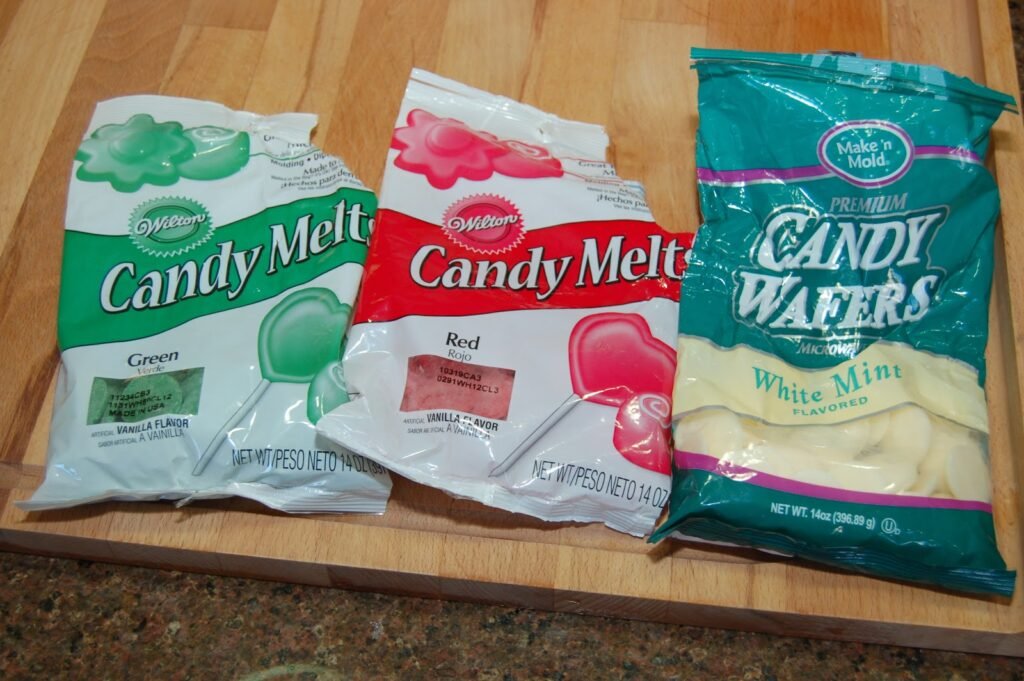
I usually dip the cake balls is a mix of dark cocoa candy melt and a bar of dark chocolate like Ghiradelli for a more intense chocolate taste, but a hard candy coating. And since I usually do mine around the holidays, I buy colored candy melts to decorate.
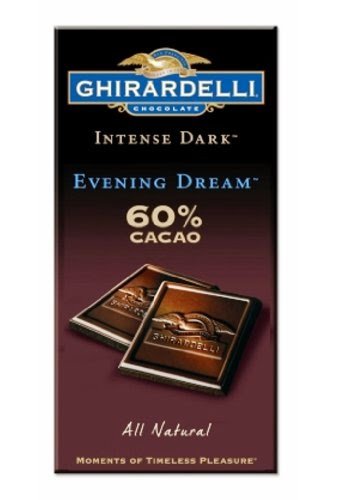
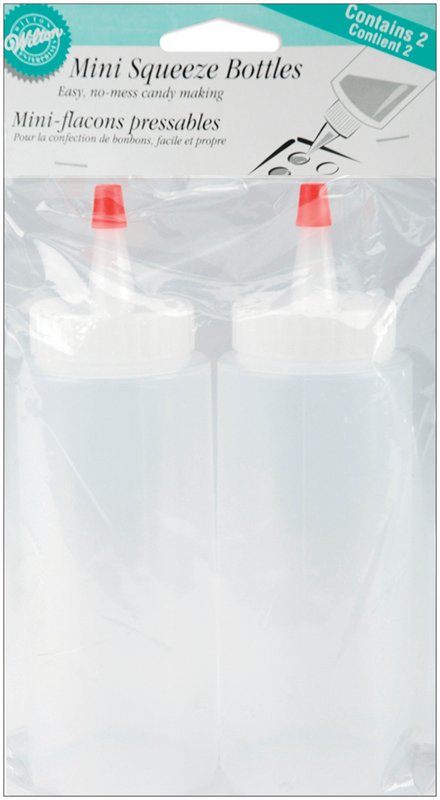
Last year for decorating, I used my cake decorating bags and tips, but this year I decided to try squeeze bottles. The squeeze bottle has more control, but I like the smaller holes on the cake decorating tips. Either way, everyone loves them. Adults and kids. The taste is incredible and they are so moist. I get compliments every year. I had to make a double batch this year to please everyone.

Red Velvet Cake Balls
Ingredients
- 1 pkg red velvet cake mix
- 1 container (16 oz) cream cheese frosting
- 1 pkg (14 oz) dark cocoa candy melt
- 1 large bar dark chocolate
- 1 pkg (14 oz) red candy melt
- 1 pkg (14 oz) green candy melt
- 1 pkg (14 oz) white candy melt
- optional sprinkles
Cooking Directions
- Bake the cake mix as per instructions on the box for a 9 x 13 cake.
- Once cake is completely cooled, crumble it by hand into a large bowl.
- Then add in the cream cheese frosting and mix well. This can be done by hand or throw the crumbled cake and the frosting into a large mixer and mix on low.
- Then take a scoop at a time of the mix and roll into small balls about the size of a quarter. This will be very messy and you may have to wash your hands several times. But please refrain from licking them!
- Place the balls in a freezer friendly container lined with parchment/wax paper.
- When all balls are complete, place them in the freezer overnight or until you have time to do the rest of the recipe.
- When you are ready to dip, melt the dark cocoa candy melt and the dark chocolate together in a deep bowl in the microwave 30 seconds at a time until all melted.
- Dip the cake balls in the chocolate mixture and place on parchment/wax paper until chocolate has hardened. ( I use a fork to dip, roll, and shake off any extra chocolate.) If you want you may add fun holiday sprinkle before the chocolate hardens.
- In separate bowls, melt the red, green, and white candy melt and place in the squeeze bottles. Then decorate with any patterns you like. Or if you want, dip some of the balls in the colored candy melt instead of the chocolate.
- Makes about 50 cake balls.

I did buy pretty boxes to place the cake balls in to give as gifts for my daughter’s teachers and a few other people, but I was so busyI forgot to take pictures of the boxes all tied up with a nice ribbon and tag. But here are what the balls looked like decorated.


Last year I put them in tins to give out as gifts. Here is what they looked like. I placed the cake balls in mini cupcake liners to they don’t stick together and they look pretty. There are so many ways to decorate the cake balls and many different varieties of cake mixes and frosting to use.

The best part of the recipe is that it can be done in stages. One night I bake the cake. Another night I crumble and mix with the frosting and make the balls. I freeze them until I have the time to finish. I had them in there for a week and no worries. I think I will make some again for Valentine’s day.
Related Posts



Subscribe for New Racipies
Get mental health tips, updates, and resources delivered to your inbox.