
Are Ritz Crackers Healthy? Expert Insights and Tips

Medically reviewed by Christiana George Updated Date: January 5, 2026
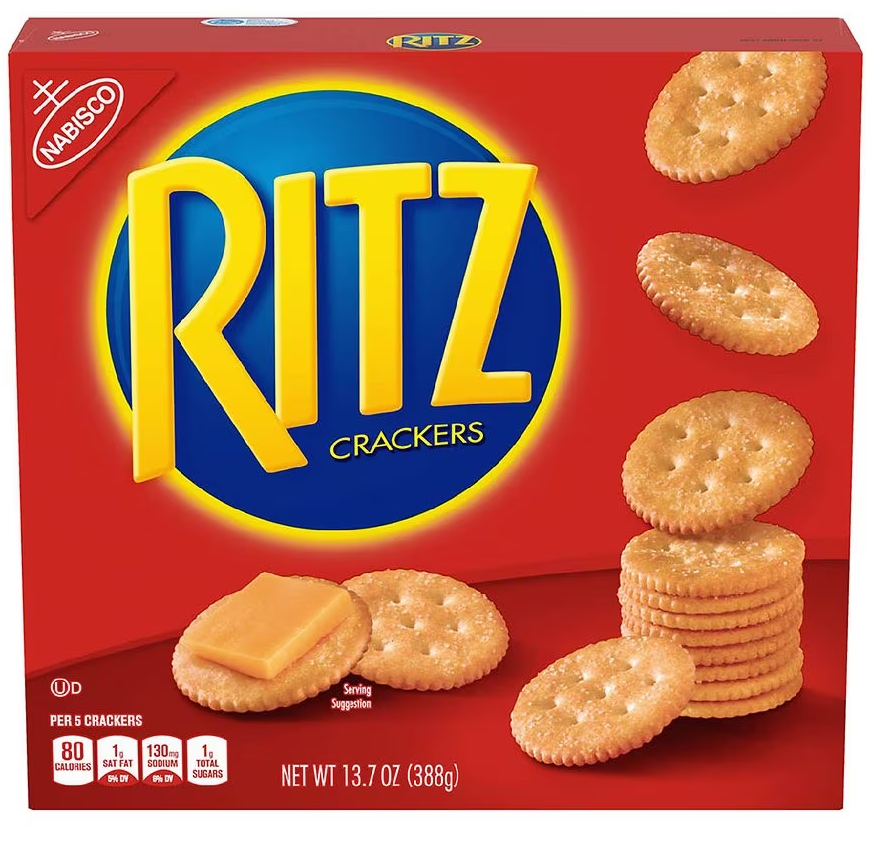
Ritz Crackers are one snack you started to love as a child and continue to do so in adulthood. It’s a traditional go-to food for the cozy, friendly cocktail hour and midnight dinner.
Its delicate crunch with buttery flavor may flare up your temptation. But are Ritz crackers healthy?
Ritz crackers are unhealthy due to their refined carbs of processed wheat flour, high sugar, fructose corn syrup, trans fat from oil, sodium, and calories. A single cracker will provide you with around 15 calories, 1.8g carbs, 0.3g sugar, and 22mg sodium with almost no protein and fiber.
Below, you will get a detailed outlook on its ingredients and why it is unsuitable. Also, you will learn about the alternative, which will cater to you with taste and nutrition.
So, Let’s get into the article.
Why Ritz Crackers Unhealthy?
Ritz crackers might not be the healthiest option due to several factors in their nutritional makeup:
- Refined Carbs: Ritz crackers primarily contain processed wheat flour, which is high in refined carbohydrates. This means they lack the nutrients found in whole grains.
- High Sugar Content: Some Ritz cracker varieties contain added sugars and high-fructose corn syrup, contributing to their sweetness.
- Trans Fat Concerns: Ritz crackers often contain trans fats from oils used in their production. Trans fats can have adverse health effects, including an increased risk of heart disease.
- Sodium Levels: While Ritz crackers have relatively low sodium content per serving, high sodium intake can lead to health problems, such as heart disease.
- Calorie Density: A single Ritz cracker provides approximately 15 calories with minimal protein and fiber. These empty calories may not offer significant nutritional value.
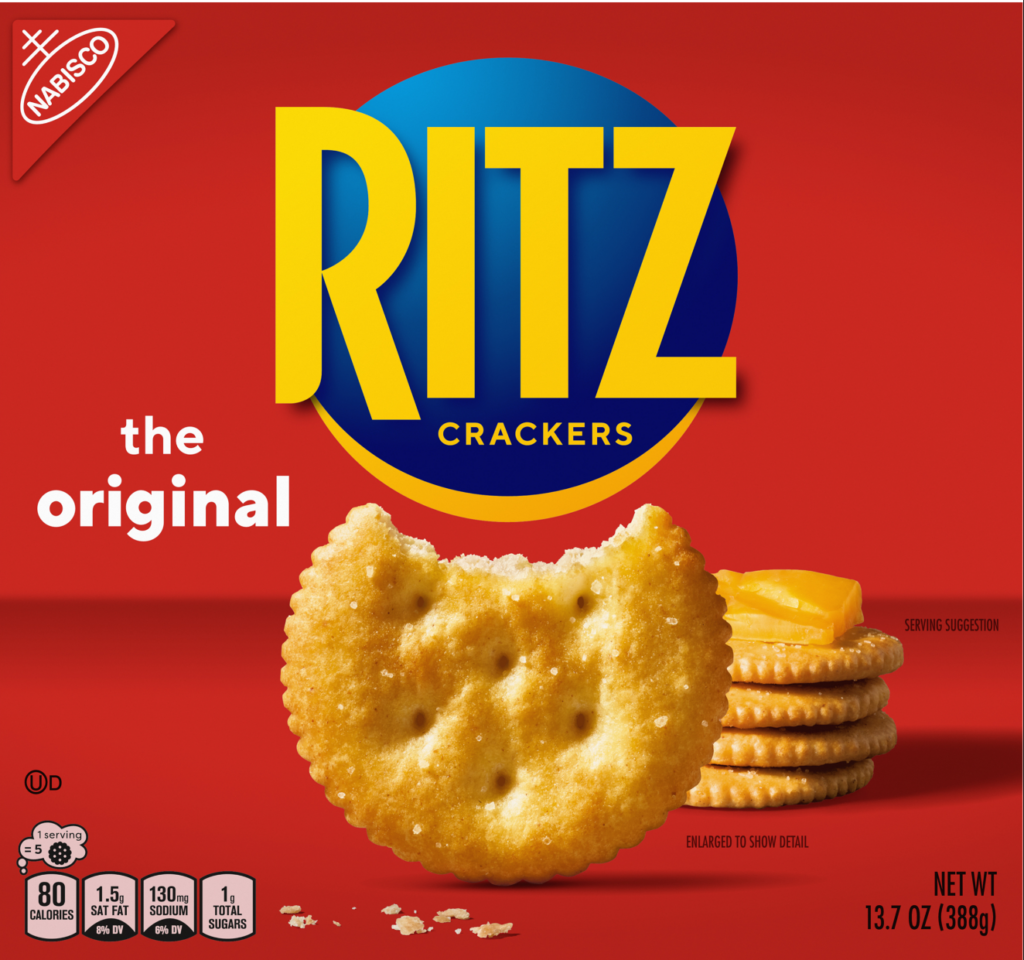
Ritz Crackers Ingredient Analysis
Let’s delve into the specific ingredients found in Ritz crackers to understand why they may not be the best choice for health-conscious individuals.
Unbleached Enriched Flour (Wheat Flour): Despite the term “enriched,” this indicates refined grains, lacking the benefits of whole grains.
Vegetable Oils: Canola oil and palm oil, both highly processed, can pose health risks when consumed regularly.
Sugar Content: Some Ritz cracker variants contain added sugar and high-fructose corn syrup. While evidence on their health impact is mixed, excessive consumption may contribute to type 2 diabetes.
Sodium Levels: Ritz crackers have relatively low sodium content, which is favorable for heart health.
Additional Nutrients: Ritz crackers provide small amounts of nutrients like niacin, iron, thiamine mononitrate, riboflavin, and folic acid.
Gluten Content: Ritz crackers are not gluten-free due to their wheat flour content.
Is Unbleached Enriched Flour (Wheat Flour) Good For Health?
The words “Unbleached ” & “enriched” in the same place: may give you a sense of satisfaction with the formulas. But the reality is it indicates refined grains, not whole grains.
During the processing, the grain loses all its good nutrients.
Here “enriched” denotes adding the lost nutrients, including iron, folic acid, vitamins, etc. Still, the flour lacks fiber and is high in glycemic index. The net effect – this wheat flour is not good for health.
Are The Vegetable Oils Included In Ritz Crackers Healthy?
Canola oil and palm oil are the highly processed oils used in ritz crackers. They lose all their properties and become rancid. Using them in foods increases the risk of Diabetes mellitus, GIT disease, atherosclerosis, and much more.
Are Ritz Crackers Healthy for Diabetics?
As per the official sites, these crackers contain added sugar, fructose corn syrup, and soy lecithin. Most flavors contain 1g of sugar per serving of 5 crackers.
However, there is no strong evidence to say fructose corn syrup is unhealthy for humans. But, they are low in calories which may contribute to developing type 2 diabetes. So, Ritz crackers are not healthy for people with diabetics.
Are Ritz Crackers High in Sodium?
Sodium acts as a good binder and stabilizer for foods. Also, they add extra flavors and act as a promising material for topping. Unlike others, ritz crackers contain very low sodium per serving.
Like, they contain around 4% of the total daily sodium requirement. That goes in favor of the food item. Because high sodium can increase the risk of heart disease.
What Else Do The Ritz Crackers Contain?
Apart from the above, ritz crackers contain the followings:
| Niacin | .61mg |
| Reduced iron | .65mg |
| thiamine mononitrate | .04 mg |
| riboflavin | .05 mg |
| Folic acid. | 9.6 mcg |
Overall Nutritional Value Of Ritz Crackers
Nutritional value of Original Ritz crackers. Serving Size 5 crackers (16g).
| Components | Value |
| Calories | 80% |
| Total Fat | 6% |
| Saturated Fat | 5% |
| Carbohydrate | 4% |
| Sodium | 6% |
| Added Sugar | 2% |
| Protein | 0% |
| Dietary Fiber | 0% |
| Calcium | 0% |
| Iron | 2% |
| Potassium. | 0%. |

Are Ritz Crackers Gluten-Free?
Gluten refers to protein obtained from grain. As you can see, Ritz crackers contain wheat flour, which is not gluten-free.
Gluten first hand is not bad for humans.
Although studies are running on gluten, whether it is an evil food or not. Some people can tolerate it inherently. Also, eating bread made of whole grains has been going on for ages.
However, gluten from refined wheat flour is distinct from the original wheat plant. It can cause autoimmune problems like celiac disease.
What Happens If You Eat Too Many Ritz Crackers? (Potential Health Concerns)
Ritz crackers’ buttery, salty flavor may arouse your temptation to eat more. However, it can impact your overall health.
Weight Gain
One of the major ingredients of ritz crackers is processed oil. Also, these chips are mostly carbohydrates. It also contains trans fat. And when carbohydrates get mixed with trans fat, it acts as good fuel for weight gain.
The mechanism behind it is when you eat more than 5g of carbohydrates, it sends signals to your pancreas. Responding to that, it releases insulin.
This anabolic hormone stores glucose and fats. As a consequence, you will end up gaining extra pounds and its related complications.
High Blood Pressure
Although original ritz crackers contain only 4% sodium; too much may negatively impact your cardiovascular system.
The buttery-flavored ritz chips contain relatively high sodium and less fiber. Eating too much of it can raise your blood pressure.
High Cholesterol
Ritz chips contain trans fatty acids. Eating something laden with trans fat raises the LDL level(bad cholesterol) and decreases the HDL level(good cholesterol). Thus, it has a bad impact on your cardiovascular system.
Knowing all these, don’t feel disheartened. There are also some healthier and tastier alternatives.
How To Pick A Healthier Cracker?
While making the choices, it is essential not to miss the following points:
- The very first thing to look for on a cracker is it must contain 100% whole grain.
- The next formula is Fiber. Containing 3g will be okay to go for.
- It must be low in sodium.
- Make sure the chips have little or better than 0% added sugar.
- Lastly, it should not contain harmful trans fat.
What Are The Healthy Alternatives To Ritz Crackers?
Taste is something we don’t want to compromise. Health is another critical factor. Triscuit is one such square shape of pretty healthy and tasty crackers.

Okay, let’s see its nutritional values to decide for sure.
| Components | Value |
| Total fat | 4% |
| Cholesterol | 0% |
| Sodium | 7% |
| Total carbohydrate | 7% |
| Protein | 3g |
| Iron. | 8%. |
Are Ritz Crackers Healthy for Weight Loss?
Ritz Crackers are not considered an ideal choice for weight loss. While they are relatively low in calories per serving, they are high in refined carbohydrates and lack significant fiber or protein content. Weight loss diets often emphasize more filling and nutrient-dense foods to help control hunger and support overall health.
Are Ritz Crackers Healthier Than Chips?
Ritz Crackers may be slightly healthier than specific chips, particularly deep-fried and heavily salted. However, both Ritz Crackers and chips are processed snack foods high in empty calories and low in essential nutrients. Consuming them in moderation as occasional treats rather than as staples of a healthy diet is advisable.
Are Ritz Biscuits Healthy?
Ritz Biscuits, like Ritz Crackers, are processed snack food. They typically contain ingredients like white flour, fats, and salt, making them similar in nutritional profile. While they may be enjoyed as an occasional snack, they are not considered health-promoting food due to their low nutritional value.
Are Ritz Cheese Crackers Healthy?
Ritz Cheese Crackers are a variation of Ritz Crackers with added cheese flavor. While they may provide additional taste appeal, they share the same basic nutritional characteristics as regular Ritz Crackers. They are a processed snack and are not typically considered a healthy option for regular consumption.
Are Wheat Ritz Crackers Healthy?
Wheat Ritz Crackers are made with wheat flour instead of white flour, which may offer slightly more fiber and nutrients. However, they are still processed snack foods and should be consumed in moderation. While whole wheat flour is a positive aspect, it doesn’t necessarily make them a healthy food, especially if they are high in added fats and salt.
Conclusion
So, are Ritz Crackers healthy? Based on all our research, the answer is that Ritz crackers are not a healthy choice. It contains unhealthy ingredients, which could be a major risk factor for developing diseases in the long term.
However, eating it in a moderate amount may not cause any harmful effects. Also, its empty calories will not add any value to your diet. So, it’s better to try something healthier.
Related Posts






Subscribe for New Racipies
Get mental health tips, updates, and resources delivered to your inbox.
Are Lentils Acidic? Can You Eat Lentils with Acid Reflux?


Lentils are a staple in diets worldwide, known for their exceptional nutritional value and versatility in cooking. But if you’re managing acid reflux or watching your body’s pH levels, you might wonder: Are lentils acidic? And more importantly, can you eat lentils with acid reflux?
This comprehensive guide dives into the acidity of lentils, their effects on acid reflux, and whether they’re a suitable choice for those with sensitive digestive systems. From nutritional insights to practical eating tips, let’s uncover everything you need to know about lentils
Understanding the Acidity of Lentils
Lentils are considered slightly acidic, with a pH level ranging between 6.0 and 6.5 when cooked. However, the acidity of lentils is mild and largely influenced by how they are prepared and consumed.
Why Lentils Are Mildly Acidic?
- Natural Composition: Lentils contain proteins and minerals that slightly lean towards acidity.
- Cooking Methods: Boiling lentils in water can neutralize some of their acidic properties, making them gentler on the stomach.
- Pairing Ingredients: Combining lentils with alkaline foods, such as leafy greens or root vegetables, can balance their acidity.
Related to Read: Are Red Lentils Acidic?
Nutritional Profile of Lentils
Lentils are a powerhouse of nutrients, making them a valuable addition to any diet. Below is a breakdown of the essential nutrients found in 1 cup (198 grams) of cooked lentils:
| Nutrient | Amount Per Serving | Health Benefits |
| Protein | 18 grams | Supports muscle growth and repair |
| Fiber | 15.6 grams | Promotes digestive health |
| Iron | 6.6 mg | Boosts oxygen transport in the blood |
| Magnesium | 71 mg | Supports bone health and nerve function |
| Folate | 358 mcg | Essential for cell growth and repair |
| Potassium | 731 mg | Helps regulate blood pressure |
Lentils are also low in fat and calories, making them an excellent choice for those aiming for weight management or a heart-healthy diet.
Can You Eat Lentils with Acid Reflux?
For those with acid reflux or gastroesophageal reflux disease (GERD), dietary choices are critical. The good news is that lentils can generally be consumed by people with acid reflux, provided they are prepared and eaten thoughtfully.
Why Lentils Are Suitable for Acid Reflux?
- Low Fat Content: High-fat foods often trigger reflux, but lentils are naturally low in fat.
- Rich in Fiber: Lentils’ high fiber content. Studies show that food high in fiber aids digestion and helps prevent the buildup of stomach acid.
- Complex Carbohydrates: Unlike simple carbs, the complex carbohydrates in lentils provide sustained energy without spiking acidity.
- May Promote Gut Health: The fiber in lentils acts as a prebiotic, feeding the beneficial bacteria in your gut.
- A healthy gut microbiome is linked to improved digestion, immunity, and overall health.
Related to Read: Are Brown Lentils Acidic?
Tips for Eating Lentils with Acid Reflux
- Cook Thoroughly: Overcooked lentils are easier to digest and less likely to cause acid buildup.
- Avoid Spicy Seasonings: Use mild herbs and spices instead of chili powder or cayenne.
- Eat Small Portions: Large meals can increase the risk of acid reflux; stick to moderate servings.
- Pair with Alkaline Foods: Combine lentils with foods like spinach, kale, or cucumber to neutralize acidity.
Comparing Lentils to Other Legumes
Lentils are part of the legume family, which includes beans, chickpeas, and peas. But how do they compare when it comes to acidity and digestion?
| Legume | pH Level | Effect on Digestion |
| Lentils | 6.0–6.5 | Mildly acidic; easy to digest when cooked |
| Chickpea | 5.8–6.3 | Slightly more acidic; high fiber aids digestion |
| Black Beans | 6.0–6.5 | Similar to lentils; can cause bloating if undercooked |
| Peas | 6.0–7.0 | Neutral to slightly acidic; gentle on the stomach |
How to Prepare Acid-Reflux-Friendly Lentil Dishes?
Cooking methods play a significant role in how lentils affect digestion and acid reflux. Here are some tips to make lentil-based meals reflux-friendly:
- Rinse Thoroughly: Soak lentils for a few hours before cooking to reduce their natural acidity and improve digestibility.
- Use Low-Acid Ingredients: Opt for vegetable broth instead of tomato-based sauces.
- Incorporate Alkaline Additions: Add alkaline vegetables like zucchini, carrots, or sweet potatoes.
- Limit Fats and Oils: Avoid heavy creams or fried lentil dishes.
Author Tip: 7-Day Meal Plan For Gastritis
Recipe Idea: Lentil and Spinach Soup (Acid-Reflux-Friendly)
Ingredients:
- 1 cup cooked lentils
- 2 cups fresh spinach
- 4 cups vegetable broth
- 1 small onion (finely chopped)
- 2 garlic cloves (optional, for mild flavor)
- 1 tsp turmeric
- Salt and pepper to taste
Instructions:
- Heat a small amount of olive oil in a pot and sauté onions until soft.
- Add lentils, vegetable broth, and turmeric. Simmer for 15 minutes.
- Stir in spinach and cook for 5 more minutes.
- Season with salt and pepper before serving.
This soup is gentle on the stomach, packed with nutrients, and perfect for managing acid reflux.
FAQs About Lentils and Acidity
Do lentils cause acidity?
No, lentils are only mildly acidic and are unlikely to cause acidity when prepared properly. Their high fiber content aids digestion, reducing the risk of acid reflux.
Are lentils high in acid?
Lentils have a pH level between 6.0 and 6.5, making them mildly acidic. However, their impact on your body’s pH is minimal, especially when combined with alkaline foods.
Are eggs acidic?
Yes, eggs are slightly acidic, with a pH level around 6.0 to 6.5. However, their effect on acid reflux depends on preparation—fried or high-fat egg dishes may trigger reflux, while boiled eggs are usually reflux-friendly.
What food is high in acid to avoid?
Foods high in acid that may worsen acid reflux include:
- Citrus fruits (oranges, lemons)
- Tomatoes and tomato-based products
- Coffee and caffeinated drinks
- Spicy and fried foods
Conclusion
Lentils are a nutrient-rich, mildly acidic food that can be safely enjoyed by individuals with acid reflux when prepared thoughtfully. Their high fiber and low-fat content make them a valuable addition to a reflux-friendly diet.
By pairing lentils with alkaline foods and avoiding acidic ingredients, you can enjoy their health benefits without discomfort.
Incorporate lentils into your meals with confidence, and enjoy their versatility, nutrition, and flavor as part of a balanced, reflux-friendly diet.
Related Posts

Subscribe for New Racipies
Get mental health tips, updates, and resources delivered to your inbox.