
Trout vs Salmon: Navigating the Depths of Flavor, Biology, and Angling Adventures

Medically reviewed by Christiana George Updated Date: January 2, 2026
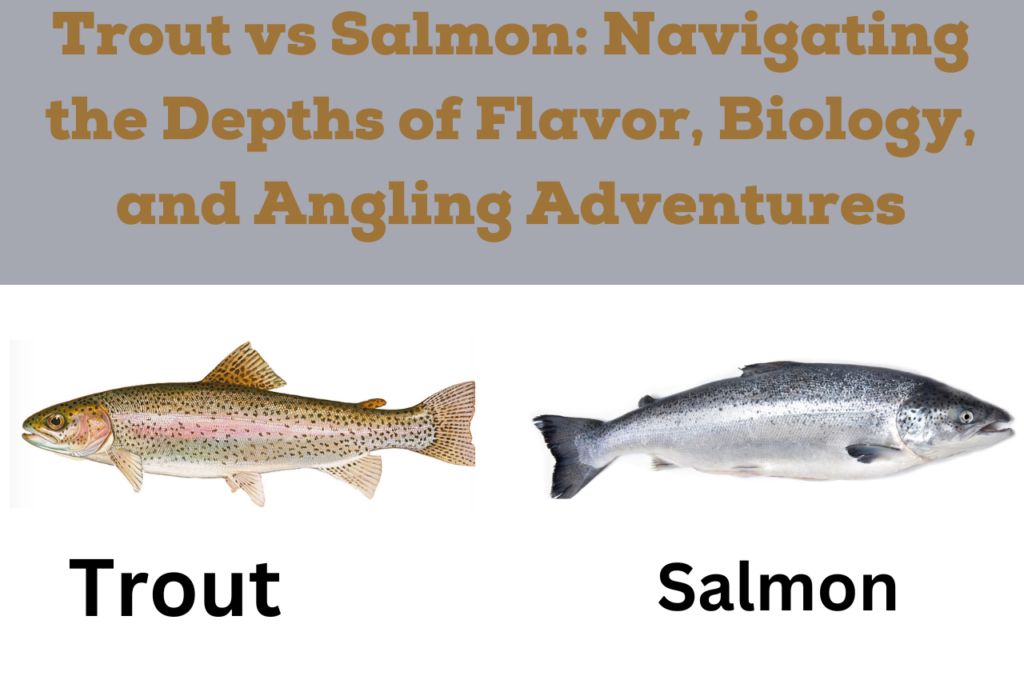
If you’re a seafood enthusiast, the mention of trout and salmon likely makes your taste buds tingle in anticipation. Both of these fish are cherished for their delicious flavors and versatility in the kitchen, but they come from distinct corners of the aquatic world.
In this article, we’ll dive deep into the intricate differences between trout and salmon, exploring their biology, taste profiles, and the art of fishing for them.
Ancestral Ties and Habitat Diversity
Trout and salmon share a close family relationship, belonging to the same Salmonidae family, which also includes other fish like char, freshwater whitefish, taimen, lenok, and grayling. However, what’s intriguing is that not all creatures labeled as “salmon” are each other’s closest kin.
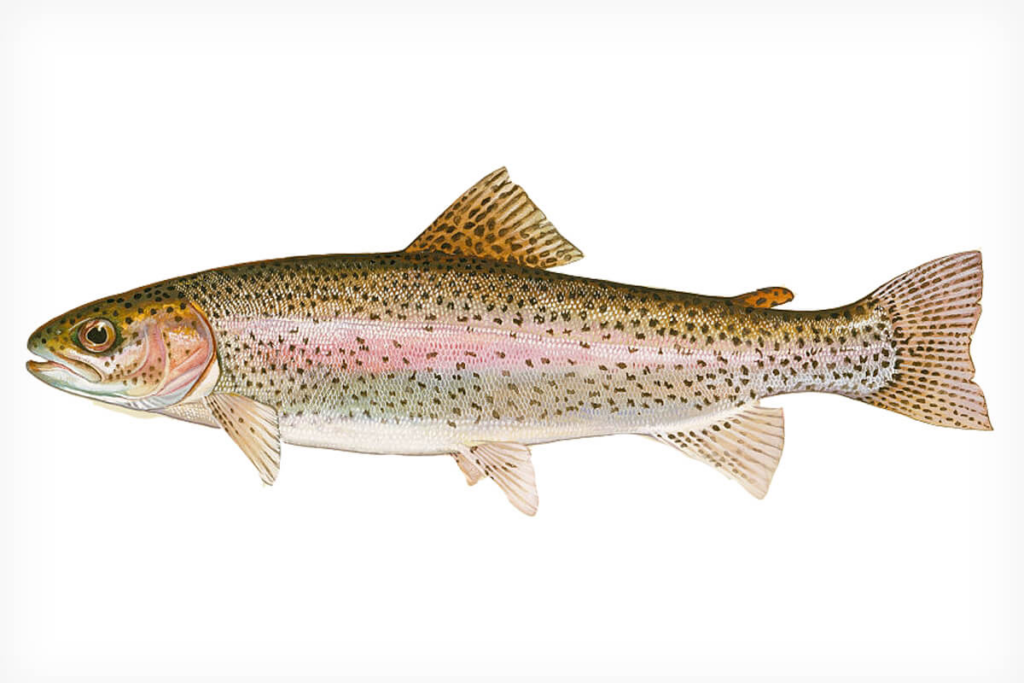
When we talk about salmon, we often refer to two primary groups: the genus Oncorhynchus, which encompasses Pacific salmon like Chinook, chum, and sockeye, and the Salmo genus, which houses the Atlantic salmon and its kin, such as the brown trout.
One common way to distinguish salmon from trout is their habitat. Salmon embark on a remarkable journey, living part of their lives in freshwater streams and part in the salty ocean, earning them the title of anadromous fishes.
Yet, this rule is not absolute, as some trout species exhibit a similar dual lifestyle. The rainbow trout, for example, includes populations that thrive entirely in freshwater and others that venture into the ocean, referred to as steelhead trout.
The Circle of Life: Birth in Freshwater, Return to Spawn
Regardless of their oceanic adventures, both salmon and trout begin and end their lives in freshwater environments. Their life cycle typically starts with the hatching of fry in upstream inland tributaries.
Depending on the species, they then undertake journeys of various lengths to the ocean, where they experience rapid growth, sometimes doubling in size during a single summer.
After one to five years, mature fish make their way back to the rivers of their birth, a spectacle known as a salmon run.
During these migrations, salmon undergo a remarkable transformation, adorning themselves with the vibrant pink and red colors they are famous for.
In some species, males and females display striking differences in color and physical attributes, with males often flaunting more vibrant hues and hooked upper jaws.
Each species has specific preferences for their spawning environment, influenced by factors such as river size, water flow speed, and gravel size in the riverbed.
Upon reaching their final destination, females create depressions in the gravel to lay their eggs, while males disperse sperm around the eggs.
The female then covers the fertilized eggs with pebbles, and parents diligently guard the nest, a duty that may last for days or weeks, depending on the species. After fulfilling their parental roles, many salmon meet their life’s end.
Now, let’s take a closer look at some individual salmon species, including the intriguing steelhead trout.
Chinook (Oncorhynchus tshawytscha)
Known as the king of salmon, Chinook are the largest in the salmon family, occasionally reaching a colossal 100 pounds. They undertake epic journeys, with some traveling hundreds of miles to their spawning grounds.
Chinook exhibit two annual salmon runs, one in winter and one in summer, with some taking the scenic route and others opting for a more direct path. These majestic fish are the least abundant of Pacific salmon.
Black Sea (Salmo labrax)
Black Sea salmon inhabit rivers, lakes, and the northern regions of the Black and Azov Seas in Eastern Europe. Some populations are anadromous, while others remain in surrounding rivers and lakes.

Their presence is notably strong in rivers like Lim, Kuban, Don, Dniester, and Dnieper, as well as Lake Plav in Montenegro. However, in recent years, the sea-going populations have been declining, possibly due to dam construction.
Scientists continue to debate whether Black Sea salmon are distinct from brown trout (Salmo trutta) or represent a separate species.
Coho (Oncorhynchus kisutch)
Coho salmon are masters of thriving in small, shallow tributaries, often found in coastal brooks and streams, even near urban areas. They strategically utilize rainstorms, waiting for rising water levels before swimming upstream.
Coho are known for their homely tendencies, often staying within a hundred miles from the river mouth where they spawn. Anglers prize Coho for their scarcity among Pacific salmon.
Chum (Oncorhynchus keta)
Chum salmon, sometimes nicknamed “dog salmon” due to their canine-like teeth during spawning, exhibit a striking red and black stripe pattern in males. Chum and Coho often share spawning rivers and can even produce hybrid offspring, though larger chum tend to inhabit deeper river sections nearer the ocean.
Caspian (Salmo ciscaucasicus)
True to its name, the Caspian salmon calls the Caspian Sea home, preferring clear, cool waters with rapid currents and gravel bottoms. Many breed in the Terek and Kura Rivers. Unfortunately, populations have dwindled due to dam construction, which blocked their historic spawning migration routes. Those attempting the route were often overfished near the dams.
Pink (Oncorhynchus gorbuscha)
Pink salmon, the smallest among Pacific salmon, are instantly recognizable by the hump that males develop on their backs during spawning. This distinctive feature has earned them the endearing nicknames “humpies” or “humpback salmon.”
Despite their diminutive size, they are abundant and favor large rivers close to the ocean, with fry quickly making their way to ocean estuaries. Some adults even spawn in brackish estuaries, bypassing the upstream journey. Notably, their fry differ from most salmon species by lacking spots.
Sockeye (Oncorhynchus nerka)
Sockeye salmon are revered among anglers for their exceptionally flavorful meat, a product of their rich plankton diet. Unlike other Pacific salmon, sockeye salmon fry spend their first year in a lake.
They boast some of the largest salmon runs during spawning season, often congregating in the millions, a breathtaking spectacle drawing tourists to locations like the Adams River in Canada. Bristol Bay in Alaska is home to the world’s largest sockeye salmon fishery.
Cherry (Oncorhynchus masou)
Cherry salmon, also known as yamame, inhabit the Western Pacific along Japan’s shores and rivers. While some spend part of their lives in the ocean, certain populations, similar to steelhead, exclusively reside in freshwater streams. They earned their name from the cherry blossoms that adorn the landscape during the annual spring run.
In recent years, scientists have debated whether the amago salmon represents the same species as the yamame, with one distinguishing feature being the presence of red spots in the amago.
Steelhead (Oncorhynchus mykiss)
The steelhead trout is essentially a rainbow trout that embarks on a sea voyage. While they share physical traits with rainbow trout, steelheads are anadromous, residing in rivers and oceans at different stages of their life, much like salmon.
One distinctive characteristic is that steelhead do not succumb to death after spawning and can reproduce for multiple years, though four-year spawners are a rarity.
They boast two distinct spawning seasons—winter and summer. Steelhead trout are sometimes marketed as Steelhead salmon due to their pink flesh, akin to other salmon.
Atlantic (Salmo salar)
The Atlantic Ocean hosts the only salmon species that bears its name—the Atlantic salmon. These salmon ascend rivers in northern North America and Europe, a departure from their Pacific cousins.
Unlike the one-time spawning of Pacific salmon, Atlantic salmon can return to the ocean between spawning seasons, showcasing a unique life cycle. Overfishing and habitat loss severely impacted North American Atlantic salmon populations, leading to their absence in commercial fisheries in the United States.
However, many farmed salmon originally descended from Atlantic salmon.
Trout vs Salmon: A Culinary Perspective
Now that we’ve delved into the diverse world of salmon and its close relatives, let’s turn our attention to the intriguing differences between trout and salmon from a culinary standpoint.
Trout vs Salmon Taste
Salmon: When it comes to taste, salmon tends to deliver a more robust and pronounced flavor. Salmon’s reputation for rich, fatty flesh makes it a sought-after choice in sushi and a staple on dinner plates around the world. The flavor profile can vary among salmon species, with distinctions in taste intensity.
- King (Chinook) Salmon: Often regarded as the pinnacle of salmon, Chinook salmon boasts a lush, marbled meat with a rich texture.
- Sockeye Salmon: Sockeye salmon, characterized by vibrant red flesh, tends to have a stronger, more “fishy” flavor and is often used for smoking.
- Atlantic Salmon: Atlantic salmon offers a milder taste compared to its Pacific counterparts, maintaining the delightful salmon texture at a more budget-friendly price point.
- Steelhead: Steelhead trout, behaving like salmon but classified as trout, features pink-to-orange flesh with a taste profile akin to Atlantic salmon. Notably, steelhead can grow significantly smaller than their Atlantic salmon relatives.
Trout: In contrast, trout offers a milder flavor profile, often described as mild and subtly nutty. While trout is generally mild, the taste can vary among different species.
- Rainbow Trout: Known for its flaky meat, rainbow trout adds a gentle “nut-like” essence to the palate.
- Brown Trout: Brown trout, on the other hand, possesses a more distinctive “fish-y” flavor that some aficionados cherish. Preparing brown trout often involves soaking it in milk overnight and serving it with citrus flavors to temper its natural taste.
Cooking Salmon and Trout
Cooking salmon and trout successfully hinges on preserving their delicate flavors and textures. While both fish share similarities, there are essential considerations for each.
Salmon: Salmon’s fatty nature lends itself well to various cooking methods, from pan-frying to baking. The key is to avoid overcooking, which can intensify the “fish-y” odor and cause the flesh to become overly flaky. Salmon recipes.
Trout: Trout follows a similar culinary path, with approaches like pan-frying and baking yielding delicious results. As with salmon, refrain from overcooking to maintain its mild and tender qualities. Check out these Trout recipes.
Nutritional Value
Both trout and salmon are nutritional powerhouses, brimming with omega-3 fatty acids and an array of essential nutrients and vitamins. Salmon often takes the spotlight for its health benefits, though trout also offers a healthful choice for seafood enthusiasts.
Is Trout High in Mercury?
While trout is a fantastic source of omega-3 fatty acids, it’s essential to be mindful of mercury levels in fish. Like many other species, trout can contain traces of mercury, a heavy metal contaminant that can accumulate in their organs and flesh.
When selecting fish for a low-mercury diet, consider options such as salmon, trout, tilapia, cod, sole, sardines, shrimp, oysters, and various shellfish.
Fatty fish like salmon, trout, herring, chub mackerel, and sardines are excellent choices due to their beneficial omega-3 fatty acids.
Trout vs. Salmon: The Main Differences
| Characteristic | Trout | Salmon |
|---|---|---|
| Size | Typically 4 to 16 inches long, though exceptions exist. | Ranging from 28 to 30 inches and 8 to 12 pounds |
| Color | Brown or grey with orange spots | Pinkish-red to orange, influenced by diet |
| Habitat | Found in streams, rivers, and lakes worldwide | Hatch in freshwater, migrate to oceans, return to freshwater to spawn |
| Lifespan | Ranges from 7 to 20 years | Varies from 4 to 26 years, depending on species |
| Largest on record | Up to 50 pounds | Up to 126 pounds |
Bottom Line
While trout and salmon share ancestral ties and culinary allure, they inhabit different realms of the aquatic world. Understanding their unique characteristics, from taste profiles to habitat preferences, enhances our appreciation for these magnificent fish.
Whether you’re angling for a challenging fight or savoring a delectable meal, trout and salmon offer distinct experiences that celebrate the wonders of aquatic life.
So, whether you prefer the milder charm of trout or the bold richness of salmon, there’s no denying the enduring allure of these aquatic treasures.
Related Posts






Subscribe for New Racipies
Get mental health tips, updates, and resources delivered to your inbox.
Radish Greens: Superfood or Acid Reflux Trigger?

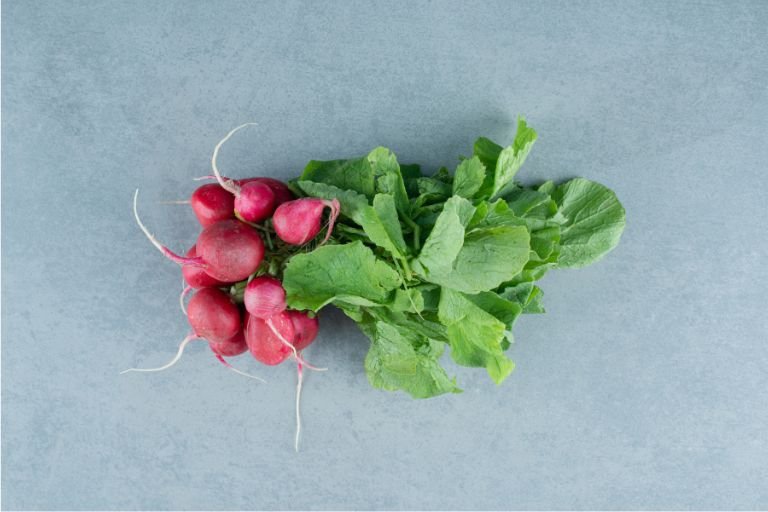
The Hidden Star of Radishes—Radish Greens
When we think of radishes, our minds often picture the crunchy, peppery root that brightens up salads and garnishes dishes. But did you know that the leafy tops of radishes, commonly discarded, are a nutritional powerhouse? Radish greens are quickly gaining attention as a superfood packed with vitamins, minerals, and antioxidants. Yet, for those dealing with acid reflux, these greens pose a pressing question: are they safe to eat, or could they exacerbate symptoms?
Understanding the acidity or alkalinity of foods is crucial for acid reflux sufferers, as diet plays a pivotal role in managing this condition. In this article, we’ll uncover whether radish greens are acidic, their health benefits, and how they interact with acid reflux. By the end, you’ll know how to make an informed decision about including them in your diet.
Radish Greens 101: What Makes Them Special?
What Are Radish Greens? A Nutritional Powerhouse
Radish greens are the leafy tops of the radish plant, often overlooked and discarded despite their exceptional nutritional value. Unlike the root, the greens boast a slightly peppery, earthy flavor, making them a versatile ingredient for soups, salads, and stir-fries.
These greens are not only edible but highly nutritious. They belong to the cruciferous vegetable family, which includes other superfoods like kale, broccoli, and cauliflower. Historically, radish greens have been used in traditional cuisines and even for their medicinal properties. Their rising popularity in the culinary world has encouraged more people to appreciate their health benefits and experiment with creative ways to use them.
Whether you sauté, blend, or eat them raw, radish greens bring a burst of flavor and nutrition to your plate. But how do they fit into a diet designed to manage acid reflux? Let’s explore.
Nutritional Profile of Radish Greens
Radish greens are nutrient-dense, meaning they pack a ton of vitamins and minerals into every bite. Some of the key nutrients include:
- Vitamin C: Boosts immunity, promotes healthy skin, and acts as a powerful antioxidant.
- Iron: Supports healthy blood production and combats fatigue.
- Calcium: Strengthens bones and teeth.
- Fiber: Aids digestion and supports gut health.
- Vitamin A: Essential for vision and skin health.
In addition to these nutrients, radish greens are low in calories and rich in phytochemicals, which help fight inflammation and oxidative stress. Their high fiber content makes them excellent for digestion, which could have indirect benefits for acid reflux management.
Acidity in Focus: Are Radish Greens Acidic or Alkaline?
The pH Level of Radish Greens Explained
Radish greens are considered to be mildly alkaline. The pH level of food determines whether it’s acidic, neutral, or alkaline. Foods with a pH above 7 are alkaline, while those below 7 are acidic. Radish greens typically have a pH closer to neutral or slightly alkaline, making them less likely to trigger acid reflux in comparison to highly acidic foods.
However, the pH of radish greens can be influenced by how they’re prepared. For instance, cooking methods like steaming or boiling can alter their chemical composition slightly. It’s worth noting that the alkalinity of radish greens may help balance the acidic environment in the stomach, potentially reducing reflux symptoms for some people.
Acidic Foods vs. Alkaline Foods: Why It Matters for Acid Reflux
Acid reflux occurs when stomach acid flows back into the esophagus, causing uncomfortable symptoms like heartburn, regurgitation, and a sour taste. It is therefore very important to take care of acidity of food you are eating.
Acidic foods, such as citrus fruits and tomatoes, can aggravate reflux symptoms by relaxing the lower esophageal sphincter (LES) or irritating the esophagus.
On the other hand, alkaline foods can help neutralize stomach acid and soothe the digestive tract. This is why understanding the pH of radish greens is crucial for acid reflux sufferers. While they are not as alkaline as spinach or cucumbers, their mildly alkaline nature makes them a better choice than highly acidic foods.
Author Tip: 7 Kinds of Foods to Avoid with GERD
Radish Greens and Acid Reflux: Friend or Foe?
How Radish Greens May Help Manage Acid Reflux?
Radish greens can be a great addition to a reflux-friendly diet due to their nutrient profile. The high fiber content in radish greens promotes healthy digestion by regulating bowel movements and preventing constipation, which can reduce pressure on the LES. This, in turn, lowers the risk of acid reflux episodes.
Additionally, radish greens contain antioxidants and anti-inflammatory compounds that may soothe irritation in the esophagus and stomach lining. For some individuals, these properties may help minimize the discomfort associated with acid reflux. However, this is highly individualized and depends on how the greens are prepared and consumed.
When Radish Greens Could Worsen Symptoms?
Despite their health benefits, radish greens may not be suitable for everyone. Some factors that could make radish greens aggravate acid reflux include:
- Raw Consumption: Eating raw radish greens may be harsh on the stomach, especially for those with sensitive digestive systems.
- Large Portions: Overeating, even with healthy foods, can increase abdominal pressure and trigger reflux.
- Individual Sensitivity: Some people are sensitive to cruciferous vegetables, which may lead to bloating or indigestion, potentially worsening reflux symptoms.
Smart Ways to Add Radish Greens to a Reflux-Friendly Diet
Cooked vs. Raw: Which Is Better for Acid Reflux?
Cooking radish greens can make them easier to digest and reduce their potential to trigger reflux. Steaming or sautéing the greens not only softens their texture but also makes their nutrients more bioavailable. Cooking also minimizes the sharp, peppery flavor, which can sometimes irritate the stomach.
Raw radish greens, while nutritious, might be too harsh for individuals with severe reflux. If you enjoy them raw, consider blending them into smoothies with alkaline fruits like bananas or pairing them with a creamy, low-fat dressing to balance their acidity.
Pairing Radish Greens with Alkaline Foods
Combining radish greens with other alkaline or reflux-friendly foods can help mitigate any potential irritation. Here are some ideas:
- Pair them with roasted sweet potatoes or quinoa for a balanced meal.
- Add them to soups with alkaline vegetables like zucchini and carrots.
- Top them on a baked potato with low-fat Greek yogurt.
These combinations not only enhance the flavor but also ensure that your meal is easier on the stomach.
Portion Control: Keep It Gentle on Your Stomach
As with any food, moderation is key. Start with a small portion of radish greens (e.g., a handful cooked) to gauge how your body reacts. Avoid eating large amounts in one sitting, as this can increase abdominal pressure and exacerbate reflux symptoms.
Alternatives to Radish Greens for Acid Reflux Sufferers
Alkaline Leafy Greens to Consider
If radish greens don’t sit well with you, there are other leafy greens that are gentler on the stomach:
- Spinach: Highly alkaline and easy to digest.
- Swiss Chard: A versatile, nutrient-packed alternative.
- Kale: Packed with vitamins but milder in flavor.
Author Tip: Are Salads Healthy?
Mild, Reflux-Friendly Veggies
For those who prefer non-leafy options, consider these reflux-friendly vegetables:
- Cucumbers: Hydrating and soothing.
- Zucchini: Mild in flavor and highly digestible.
Author Tip: Are Cucumbers Acidic?
Lifestyle Tweaks to Manage Acid Reflux Effectively
Mindful Eating Habits for Better Digestion
- Chew your food thoroughly to aid digestion.
- Avoid overeating by having smaller, more frequent meals throughout the day.
Avoiding Common Triggers Beyond Food
- Minimize stress, as it can worsen reflux.
- Avoid lying down immediately after meals to prevent acid from flowing back into the esophagus.
Incorporating Exercise for Acid Reflux Relief
Regular physical activity can improve digestion and help maintain a healthy weight, reducing the likelihood of reflux symptoms.
Conclusion: Are Radish Greens a Good Choice for Acid Reflux Sufferers?
Radish greens are a nutrient-dense, mildly alkaline food that can offer numerous health benefits. However, their impact on acid reflux varies from person to person. For some, they may soothe digestive issues, while for others, they could be a trigger.
Cooking them, controlling portion sizes, and pairing them with alkaline foods can make radish greens a reflux-friendly option. As always, listen to your body and consult a healthcare professional for personalized advice.
FAQs: Radish Greens, Acidity, and Acid Reflux
Q1: Are radish greens acidic or alkaline?
Radish greens are mildly alkaline, making them a better choice than acidic foods for reflux sufferers.
Q2: Can I eat radish greens raw if I have acid reflux?
Raw radish greens may be too harsh for some individuals; cooking is recommended to reduce their impact.
Q3: Are radish greens healthier than spinach or kale for acid reflux?
It depends on individual tolerance. Spinach and kale are also excellent choices for reflux-friendly diets.
Q4: How should I prepare radish greens to avoid acid reflux?
Steam or sauté radish greens and pair them with alkaline foods for optimal results.
Q5: What other leafy greens can I eat if radish greens trigger my reflux?
Spinach, Swiss chard, and arugula are great alternatives.
Related Posts



Subscribe for New Racipies
Get mental health tips, updates, and resources delivered to your inbox.