
Are Beets Acidic? Are Beets Safe for Acid Reflux?

Medically reviewed by Aneeza Pervez Updated Date: January 2, 2026
When considering the impact of dietary choices on overall well-being, particularly for individuals managing specific health conditions like acid reflux, the acidity of various foods becomes a crucial factor. This is especially true when exploring the potential benefits and drawbacks of seemingly healthy options. Beets, a vibrant root vegetable celebrated for its rich nutritional profile, often prompts the question: Are beets acidic?
This question is particularly pertinent for those seeking to manage acid reflux symptoms, as highly acidic foods can exacerbate discomfort. While beets boast an impressive array of vitamins, minerals, and antioxidants, their inherent acidity raises concerns about their suitability for individuals with sensitive digestive systems.
This article aims to comprehensively address the question “Are beets acidic?” by delving into the science behind their pH levels and exploring the potential effects of beet consumption on acid reflux.
Understanding the pH of Beets
To determine whether beets are acidic, we need to understand their pH level. The pH scale ranges from 0 to 14, with values below 7 considered acidic, 7 neutral, and above 7 alkaline.
| Food | pH Level | Classification |
| Raw Beets | 5.3–6.6 | Slightly acidic |
| Cooked Beets | 5.5–6.5 | Slightly acidic |
Reference: Anon. 1962. pH values of food products. Food Eng. 34(3): 98-99
Raw and cooked beets fall into the slightly acidic category, with a pH level close to neutral. This means they are less likely to trigger significant acidic reactions in most people.
Are Beets Safe for Acid Reflux?
Acid reflux occurs when stomach acid flows back into the esophagus, causing symptoms like heartburn, regurgitation, and discomfort. The suitability of beets for acid reflux depends on various factors:
1. Low Acidity Helps Reduce Triggers
Beets’ slight acidity makes them gentler on the stomach compared to highly acidic foods like citrus fruits and tomatoes. Their natural sugars and high water content can help soothe the digestive system.
2. Rich in Fiber
Beets are a great source of dietary fiber, which aids digestion and reduces the risk of constipation—a common contributor to acid reflux. One cup of beets contains approximately 3.8 grams of fiber.
3. Potential Benefits of Betalains
The betalains in beets are potent antioxidants and anti-inflammatory agents. These compounds may promote gut health and reduce inflammation in the esophagus caused by acid reflux.
4. Nitrate Content
Beets are rich in nitrates, which improve blood flow and may help with overall gut health. Improved circulation could enhance the function of the lower esophageal sphincter (LES), reducing acid reflux incidents.
Tips for Eating Beets with Acid Reflux
- Moderation is Key: Overeating any food can trigger reflux symptoms. Start with small portions to observe your body’s reaction.
- Avoid Pickled Beets: Pickled beets are preserved in vinegar, which is highly acidic and can exacerbate acid reflux.
- Pair Wisely: Combine beets with alkaline or low-acid foods like leafy greens or whole grains to balance acidity.
Author Tip: 7 Kinds of Foods to Avoid with GERD
Other Nutritional Benefits of Beets
Beets are nutrient-dense and offer several health benefits:
1. Rich in Essential Vitamins and Minerals
- Folate (Vitamin B9): Essential for cell growth and function.
- Manganese: Supports bone health and metabolism.
- Potassium: Helps regulate blood pressure.
2. Boosts Heart Health
The nitrates in beets convert to nitric oxide, which relaxes blood vessels, lowering blood pressure and enhancing cardiovascular health.
3. Improves Athletic Performance
Beets are popular among athletes due to their ability to enhance oxygen efficiency and stamina during workouts.
Scientific Insights on Beets and Acid Reflux
Several studies shed light on the benefits of beets and their potential role in managing acid reflux:
- Fiber and Digestion: Research published in the World Journal of Gastroenterology highlights the importance of dietary fiber in reducing reflux symptoms by improving gut motility.
- Anti-inflammatory Effects: A study in the Journal of Agricultural and Food Chemistry emphasized the anti-inflammatory properties of betalains, which may help alleviate esophageal irritation.
- Nitrate Benefits: According to the Journal of Nutrition, dietary nitrates improve vascular health and may indirectly benefit digestion by enhancing LES function.
Potential Downsides of Beets for Acid Reflux
While beets are generally safe, some individuals may experience adverse effects:
1. Oxalate Content
Beets are high in oxalates, which can contribute to kidney stones in susceptible individuals. Though unrelated to acid reflux, it’s worth noting for overall health.
2. Beeturia
Consuming beets can lead to red or pink urine (beeturia), which might alarm some people but is harmless.
3. Individual Sensitivities
Some people may find that beets worsen their reflux symptoms due to individual variations in tolerance.
Incorporating Beets into an Acid Reflux-Friendly Diet
Here are some reflux-friendly ways to enjoy beets:
1. Smoothies
Blend beets with alkaline ingredients like almond milk, spinach, and bananas for a nutritious drink.
2. Roasted Beets
Bake beets with olive oil and herbs for a mild and flavorful dish.
3. Beet Salads
Combine sliced beets with arugula, quinoa, and a light vinaigrette for a balanced meal.
4. Beet Soup
Prepare a soothing beet and carrot soup for a low-acid, comforting option.
Beet Recipe: Potato Salad with Pickled Beets
Author Tip: 7-Day Meal Plan For Gastritis
Conclusion
So, are beets acidic? Yes, they are slightly acidic but fall close to neutral on the pH scale. Are they safe for acid reflux? For most individuals, beets can be a valuable addition to an acid reflux-friendly diet due to their low acidity, fiber content, and anti-inflammatory properties. However, as with any food, individual responses vary, and it’s essential to monitor your symptoms and consult a healthcare professional if needed.
By incorporating beets wisely into your meals, you can enjoy their rich nutritional benefits while managing acid reflux effectively.
Related Posts



Subscribe for New Racipies
Get mental health tips, updates, and resources delivered to your inbox.
Red Velvet Oatmeal Cookies



I am still on a red velvet kick. I had bought a box mix to make a red velvet cake for Valentine’s Day, but then decided to use it to make some fun cookies. I had seen recipes for red velvet banana bread and red velvet oatmeal cookies, so I kind of combined the two and made these with Red Velvet Oatmeal Cookies with bananas. I wasn’t too sure about the taste of bananas and red velvet together, but O.M.G, these came out so good. They even have a double dose of chocolate with semi-sweet chocolate chips inside and half-dipped in dark chocolate on the outside. I even threw in a Red Velvet M&M for decoration.
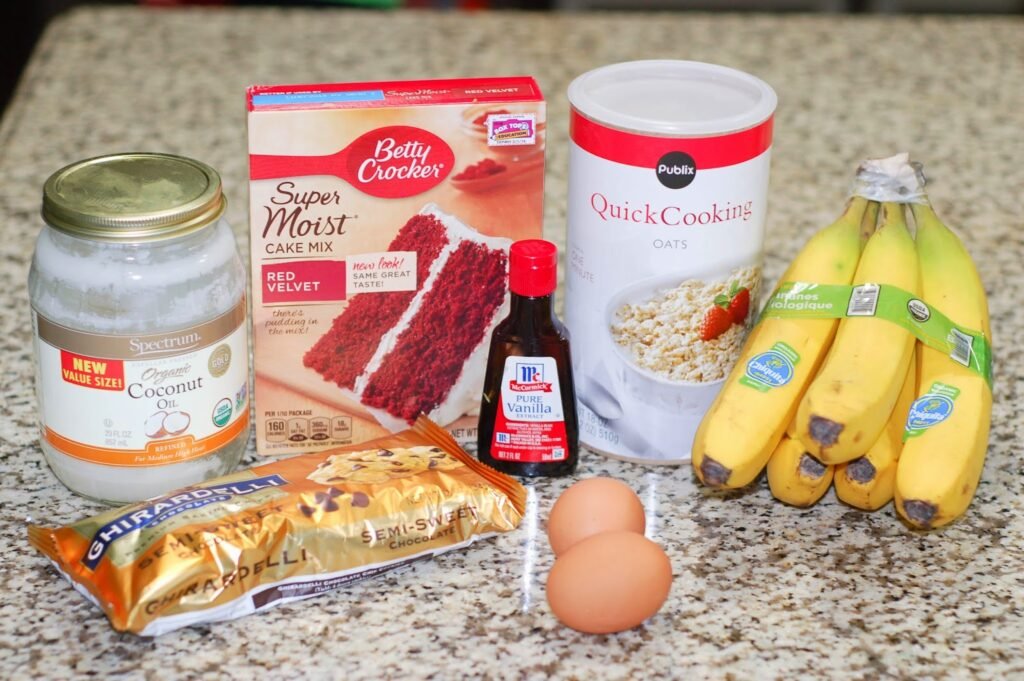
This recipe does call for ripe bananas and as you can see, mine are not there yet. However, I have learned a little trick and have been using it for awhile. Just place the bananas you need in the oven while it is warming up and watch them turn brown/black. How long it takes depends on how ripe they were to begin with. Mine took about ten minutes. I usually flip them at least once to get them brown all over. You can place them directly on the oven rack or in an oven safe dish. You will need to let them cool off a bit before slicing them open.

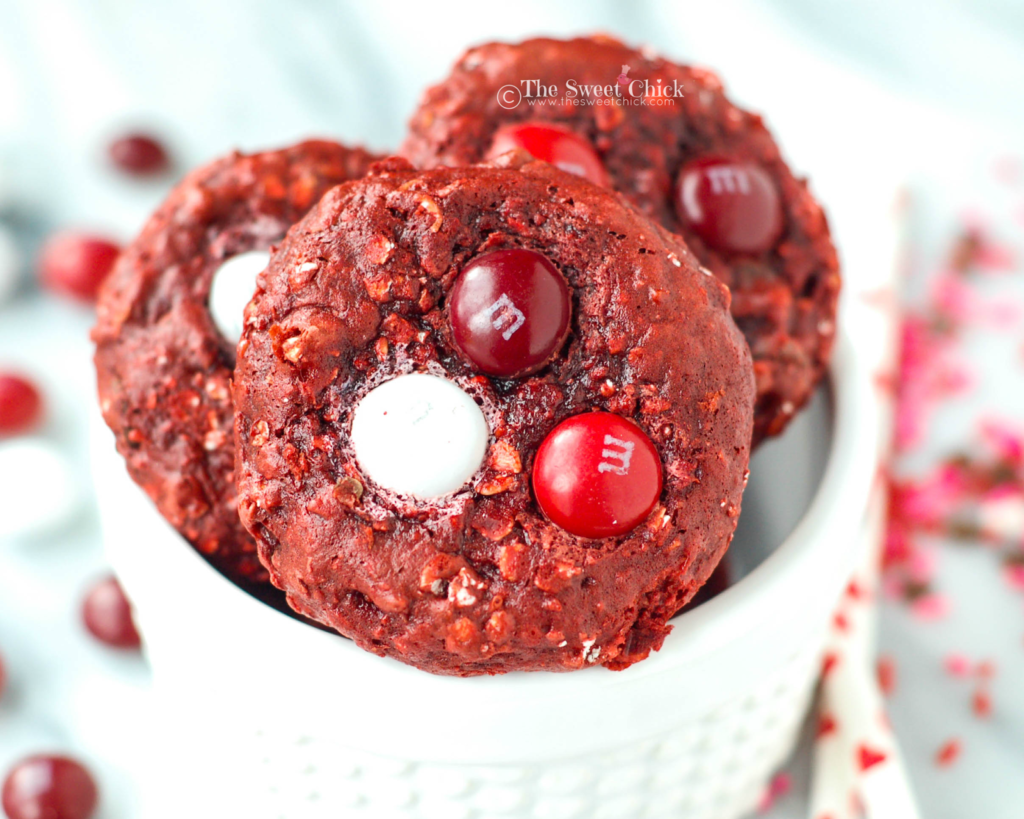
I did make these cookies three different ways to see which I liked best. The first way was just to place scoops onto a parchment lined cookie sheet and pressed three Red Velvet M&Ms into the mounds before baking.

They were not very visually appealing and the colors of the M&Ms bled into the cookie, especially the white. You can try just using the red and burgundy colors if you prefer to make them this way.
Next, I tried my Wilton Heart-Shaped Whoopie Pie pan. I used the same amount of dough, but I had to press the dough into the shape because these cookies do not spread much. It was a little messy, but doable (I would suggest using a greased piece of waxed paper to press the dough). They looked really pretty after they were dipped and decorated. Don’t forget to grease your pan if you plan on using this method. (You may need to press the dough down again after they bake, if they rise too much.)

The easiest way to make these cookies, is to stick with the original scoop onto a cookie sheet method. It’s less trouble and the cookies still come out pretty once decorated.

I dipped these cookies in dark chocolate, but you can use semi-sweet if you prefer. I do recommend Ghirardelli chocolate chips because they melt so beautifully in the microwave. I used the same Wilton sprinkles that I had used for my Red Velvet Brownie Krispies last week. I found them at Walmart, along with the Red Velvet M&Ms.

These Red Velvet Oatmeal Cookies are moist and chewy like an oatmeal cookie should be. They are filled with plenty of chocolate, banana, and red velvet flavors. You can taste each flavor separately, but they magically all come together smoothly and seamlessly into one incredible flavor sensation for your taste buds.

I am trying to save some of these for Valentine’s Day on Saturday, but we can’t stop eating them. Guess I am going to have to stock up on red velvet cake mixes for future cookie making.
Red Velvet Oatmeal Cookies
by The Sweet Chick
Prep Time: 15-20 minutes
Cook Time: 10-12 minutes
Keywords: bake dessert snack healthy red velvet cake mix quick oats coconut oil banana Valentine’s Day cookie American spring
Ingredients (36 cookies)
For the cookies
- 1/4 cup coconut oil, melted
- 2 medium ripe bananas, mashed
- 1 teaspoon vanilla extract
- 2 eggs, room temperature
- 1 (15.25 oz.) package Betty Crocker Red Velvet Cake mix
- 2 cups quick oats
- 1 1/2 cups semi-sweet chocolate chips
Additional toppings
- 1 package (10 oz) Ghirardelli 60% Cacao Bittersweet chocolate chips (or semi-sweet)
- 1 container (2.5 oz) Wilton’s Chocolate Hearts Mix sprinkles
- 1 package (9.90 oz) Red Velvet M&Ms
Instructions
For the cookies
Preheat oven to 350º F.
In a stand mixer, mix together the oil, bananas, vanilla and eggs on low speed, until well blended.
Add the dry cake mix a little at a time, continuing to mix on low. Scrape down the sides of the bowl as needed.
Next add the quick oats and mix on low until all incorporated.
Then add chocolate chips and continue to mix on low until evenly distributed
With a regular cookie scoop, drop by scoopful onto a greased or parchment lined cookie sheet at least 2 inches apart.
Bake at 350º for 10-12 minutes or until a toothpick inserted in the middle comes out clean. (Mine only needed 10 minutes.)
Remove from oven and let cool for 2 minutes on the cookie sheet, then move to a cooling rack to completely cool.
For the additional toppings
Melt chocolate chips according to instructions on the back of the package.
Dip half the cooled cookie into the melted chocolate and place on a sheet of wax paper to allow the chocolate to harden. ( I left mine out a room temperature to harden.)
Add sprinkles and M&M candies to the chocolate before it completely hardens.
Notes
I kept my finished cookies in an airtight container at room temperature. If you feel the need to refrigerate yours because you are making them far in advance, I suggest you leave out the M&M’s because they lose their color when refrigerated. You can always add them later with a dab of melted chocolate if you wish.
Related Posts






Subscribe for New Racipies
Get mental health tips, updates, and resources delivered to your inbox.