
Is Olive Oil Safe for Acid Reflux?

Medically reviewed by Aneeza Pervez Updated Date: January 5, 2026
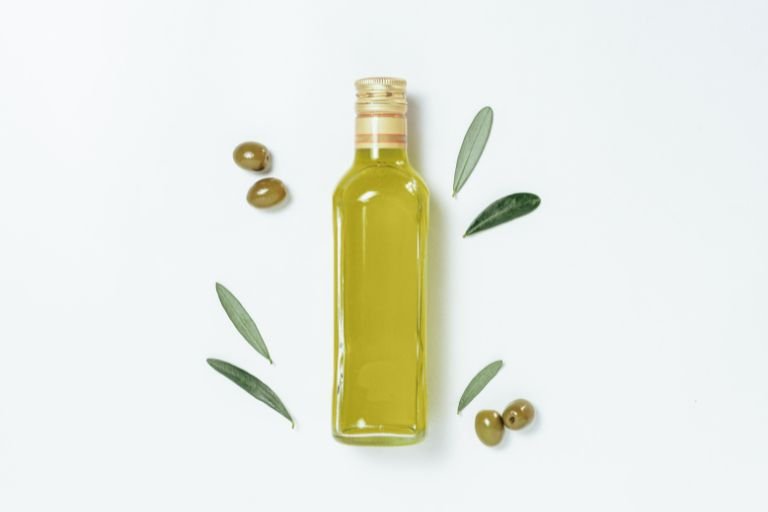
Olive oil is widely regarded as one of the healthiest fats, often used in cooking, salad dressings, and even as a natural remedy for various health conditions. For those dealing with acid reflux or GERD (gastroesophageal reflux disease), questions often arise about whether olive oil is safe to include in their diet. So, “Is olive oil safe for acid reflux?”
The short answer is: Yes, olive oil is generally safe for acid reflux sufferers, particularly when consumed in moderation. Its natural anti-inflammatory properties, healthy monounsaturated fats, and alkalizing effect make it a good choice for soothing the digestive system and minimizing acid reflux symptoms. However, consuming large amounts of olive oil or using it in high-fat, heavy meals can potentially trigger reflux in some individuals.
In this article, we’ll explore olive oil’s impact on acid reflux, its nutritional benefits, and tips for incorporating it into a reflux-friendly diet.
Is Olive Oil Acidic or Alkaline?
Olive oil is considered neutral to mildly alkaline, with a pH level close to 7.0. Unlike acidic foods that can irritate the esophagus and exacerbate reflux symptoms, olive oil does not contribute to stomach acidity. Its alkalizing properties can help neutralize stomach acid and reduce irritation, making it a reflux-friendly choice when consumed appropriately.
Related to Read: Are Green Olives Safe for Acid Reflux?
Nutritional Profile of Olive Oil
Olive oil is more than just a cooking ingredient—it’s packed with healthy nutrients that offer numerous health benefits. Here’s a breakdown of its key nutritional components:
1. High in Monounsaturated Fats
- Olive oil contains around 73% monounsaturated fats, which are heart-healthy and less likely to trigger reflux compared to saturated or trans fats.
2. Rich in Antioxidants
- Olive oil contains antioxidants like vitamin E and polyphenols, which help reduce inflammation and protect the esophagus from damage caused by stomach acid.
3. Anti-Inflammatory Properties
- The compound oleocanthal, found in extra-virgin olive oil, has powerful anti-inflammatory effects, which may soothe the esophagus and stomach lining.
4. Zero Carbohydrates and Protein
- Olive oil is a pure fat source, making it easily digestible for most people when consumed in small amounts.
5. Calorie-Dense
- Olive oil contains 120 calories per tablespoon, so moderation is key, especially for those managing weight as part of their acid reflux treatment.
Author Tip: Are Green Olives Acidic?
Can Olive Oil Trigger Acid Reflux?
While olive oil is generally safe for acid reflux sufferers, there are scenarios where it might trigger symptoms:
1. Overconsumption
- Consuming large quantities of olive oil in one sitting can relax the lower esophageal sphincter (LES), the muscle that prevents stomach acid from traveling back into the esophagus. A relaxed LES increases the likelihood of reflux.
2. High-Fat Meals
- Although olive oil contains healthy fats, adding too much to high-fat or heavy meals (e.g., fried foods or creamy dishes) can trigger reflux symptoms.
3. Individual Sensitivities
- Some people may be sensitive to fats, even healthy ones, and may experience bloating or mild reflux symptoms after consuming olive oil.
Benefits of Olive Oil for Acid Reflux
When consumed in moderation and as part of a balanced diet, olive oil offers several benefits for acid reflux sufferers:
1. Reduces Inflammation
- Olive oil’s anti-inflammatory properties help soothe irritation in the esophagus caused by stomach acid, promoting healing and reducing discomfort.
2. Promotes Healthy Digestion
- Olive oil stimulates bile production, which aids in the digestion of fats and prevents bloating—a common trigger for reflux.
3. Neutralizes Stomach Acid
- The mildly alkaline nature of olive oil can help balance stomach acid levels, reducing the risk of reflux symptoms.
4. Easy to Digest
- Monounsaturated fats in olive oil are easily digestible, making it a lighter fat option compared to saturated fats like butter or lard.
5. Supports Weight Management
- Using olive oil as a substitute for unhealthy fats can help with weight management, which is a critical factor in reducing acid reflux.
Tips for Using Olive Oil Safely with Acid Reflux
To enjoy the benefits of olive oil without aggravating reflux symptoms, follow these tips:
1. Use in Moderation
- Stick to 1–2 teaspoons per serving. Avoid excessive use, as large amounts of fat can relax the LES and trigger reflux.
2. Choose Extra-Virgin Olive Oil
- Extra-virgin olive oil (EVOO) is the least processed form and retains the highest levels of antioxidants and anti-inflammatory compounds.
3. Avoid High-Temperature Cooking
- When olive oil is heated beyond its smoke point (around 375°F or 190°C for extra-virgin), it can break down and release compounds that irritate the stomach. Use it for low to medium-heat cooking or as a finishing oil.
4. Pair with Reflux-Friendly Foods
- Combine olive oil with alkaline or low-acid foods like vegetables, whole grains, and lean proteins to create balanced, reflux-friendly meals.
5. Avoid Adding to Spicy or Acidic Dishes
- While olive oil itself is reflux-friendly, adding it to spicy or tomato-based dishes may aggravate reflux symptoms.
Reflux-Friendly Olive Oil Recipes
1. Olive Oil and Steamed Vegetables
Ingredients:
- 1 cup broccoli, steamed
- 1 cup zucchini, steamed
- 1 teaspoon extra-virgin olive oil
- A pinch of salt
Instructions:
- Steam the vegetables until tender.
- Drizzle with olive oil and sprinkle with salt.
- Serve as a light and reflux-friendly side dish.
2. Olive Oil Dressing for Salads
Ingredients:
- 2 tablespoons extra-virgin olive oil
- 1 teaspoon honey (optional)
- A pinch of salt and pepper
Instructions:
- Whisk all ingredients together.
- Drizzle over a salad with leafy greens, cucumbers, and carrots.
- Avoid adding acidic ingredients like vinegar or lemon juice.
3. Olive Oil Oatmeal
Ingredients:
- 1/2 cup oatmeal
- 1 teaspoon extra-virgin olive oil
- 1/2 banana, sliced
Instructions:
- Cook the oatmeal as directed.
- Stir in olive oil and top with banana slices.
- Enjoy as a reflux-friendly breakfast.
Olive Oil Recipes: Olive Oil Cake
Citrus Salad With Rosemary And Olives
Frequently Asked Questions About Olive Oil and Acid Reflux
1. Is olive oil good for acid reflux?
Yes, olive oil is generally safe and beneficial for acid reflux sufferers when consumed in moderation. Its anti-inflammatory properties and healthy fats can promote digestive health.
2. Can olive oil cause heartburn?
While olive oil is unlikely to cause heartburn in small amounts, overconsumption or adding it to high-fat meals can trigger reflux symptoms in some individuals.
3. Is extra-virgin olive oil better for acid reflux?
Yes, extra-virgin olive oil is the best option for acid reflux as it retains more antioxidants and anti-inflammatory compounds compared to refined oils.
4. How much olive oil is safe for acid reflux sufferers?
Stick to 1–2 teaspoons per serving, and avoid consuming more than 1–2 tablespoons per day to prevent reflux triggers.
5. Are there alternatives to olive oil for acid reflux?
Yes, other reflux-friendly oils include avocado oil and coconut oil, both of which contain healthy fats and have neutral pH levels.
Final Thoughts
Olive oil is a nutritious, reflux-friendly fat that can be safely included in most diets when used in moderation. Its neutral pH, anti-inflammatory properties, and ease of digestion make it a great option for soothing acid reflux and supporting digestive health.
To avoid triggering reflux symptoms, use olive oil in small amounts, choose extra-virgin varieties, and pair it with alkaline or low-acid foods. As with any dietary change, listen to your body and consult a healthcare professional if you have concerns about including olive oil in your acid reflux management plan.
Related Posts



Subscribe for New Racipies
Get mental health tips, updates, and resources delivered to your inbox.
Grandma Old Fashioned Sweet Potato Pie Recipe


Few things conjure up feelings of warmth and nostalgia like an Old Fashioned Sweet Potato Pie, a classic favorite that has been cherished in family gatherings for generations. This delicious dessert often brings to mind cozy family dinners, laughter around the table, and stories from the past.
What if you could recreate this mouthwatering delight, just like grandma used to make? Today, we’re going to do just that! This article will introduce you to Grandma’s old-fashioned sweet potato pie recipe that will bring you back to those beautiful memories of yesteryears.
Grandma’s Recipe
A Culinary Journey into the Past: We know that the best recipes are those that have stood the test of time, and grandma’s old-fashioned sweet potato pie is a shining example. This delicacy is not just a pie; it’s a narrative of generations, woven with love, warmth, and of course, unbeatable flavors.
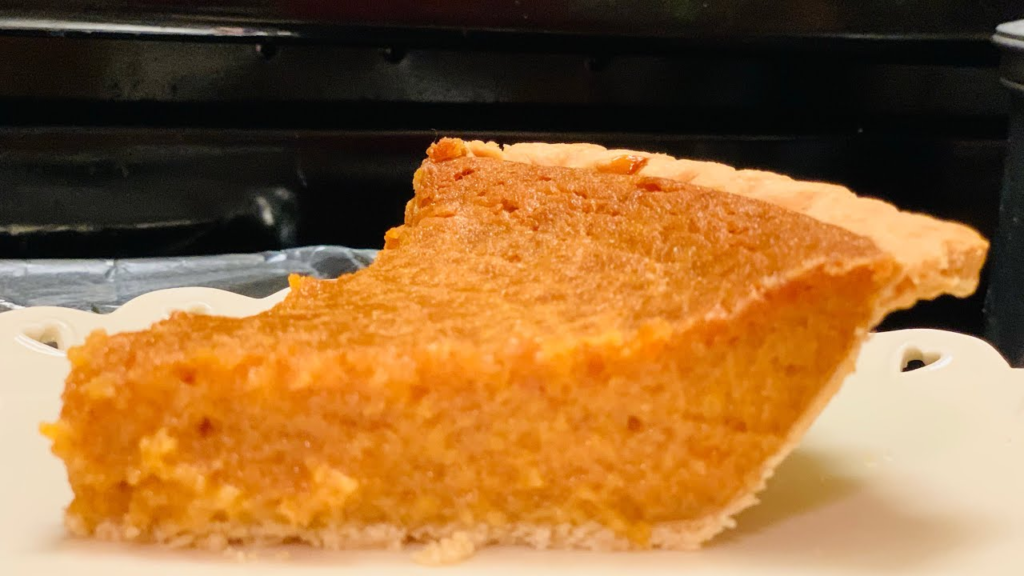
How Sweet Potato Pie Became a Classic?
Sweet potato pie is a Southern delicacy that has been loved for centuries. It’s believed to have originated from African-American culture during the era of slavery, as an alternative to the European-style pumpkin pie. Over the years, it has become a favorite, especially during holidays like Thanksgiving and Christmas. Grandma’s old-fashioned sweet potato pie recipe is a testament to this culinary tradition.
How to Make Grandma’s Old Fashioned Sweet Potato Pie?
Creating this nostalgic treat is a labor of love, as it involves careful preparation and attention to detail. Here’s a step-by-step guide to making your own old-fashioned sweet potato pie, inspired by grandma’s recipe.
Ingredients:
- 2 cups mashed sweet potatoes (about 3-4 medium-sized sweet potatoes)
- 1 cup granulated sugar
- 1/2 cup unsalted butter, melted
- 1/2 cup milk
- 2 large eggs
- 1 teaspoon vanilla extract
- 1/2 teaspoon ground cinnamon
- 1/4 teaspoon ground nutmeg
- 1/4 teaspoon salt
- 1 unbaked 9-inch pie crust
For the whipped cream (optional):
- 1 cup heavy cream
- 2 tablespoons powdered sugar
- 1/2 teaspoon vanilla extract
Instructions:
- Preheat your oven to 350°F (175°C).
- Peel the sweet potatoes and cut them into chunks. Place them in a large pot of boiling water and cook until tender, about 15-20 minutes. Drain the sweet potatoes and mash them using a potato masher or fork until smooth. Let them cool for a few minutes.
- In a large mixing bowl, combine the mashed sweet potatoes, sugar, melted butter, milk, eggs, vanilla extract, cinnamon, nutmeg, and salt. Stir well until all the ingredients are fully combined and the mixture is smooth.
- Place the unbaked pie crust in a 9-inch pie dish. Pour the sweet potato mixture into the pie crust, smoothing the top with a spatula or the back of a spoon.
- Bake the pie in the preheated oven for about 55-60 minutes or until the center is set and the pie is golden brown. You can test for doneness by inserting a toothpick into the center of the pie – if it comes out clean, the pie is ready.
- Remove the pie from the oven and let it cool completely on a wire rack. Once cooled, refrigerate for a few hours or overnight to allow the flavors to meld together.
- If desired, prepare the whipped cream. In a chilled bowl, beat the heavy cream, powdered sugar, and vanilla extract together using an electric mixer on medium-high speed until soft peaks form.
- Serve the sweet potato pie chilled or at room temperature, topped with a dollop of whipped cream if desired. Enjoy your grandma’s old-fashioned sweet potato pie!
Note: This recipe is for a single 9-inch pie. If you want to make multiple pies, you can adjust the ingredient quantities accordingly.
Conclusion
There you have it, Grandma’s old-fashioned sweet potato pie recipe! This isn’t just any dessert—it’s a piece of history, a comforting treat that carries the flavors of love, tradition, and nostalgia. Whether you’re a novice baker or a seasoned chef, this recipe will help you create a timeless delicacy that is sure to impress. From the aroma that fills your kitchen to the sweet, rich taste in every bite, you’ll see why this pie has been a cherished dessert for generations.
Remember, like any traditional recipe, you can add your own touch to this old-fashioned sweet potato pie. Maybe you’ll even start a new family tradition. We’d love to hear about your experience and how you made this recipe your own. So, put on your apron and get ready to enjoy the taste of tradition—happy baking!
Related Posts






Subscribe for New Racipies
Get mental health tips, updates, and resources delivered to your inbox.