
Are Donuts Healthy? Expert Analysis Reveals the Truth

Medically reviewed by Dima Bader, MS, Oral Medicine and Pathology Updated Date: January 5, 2026
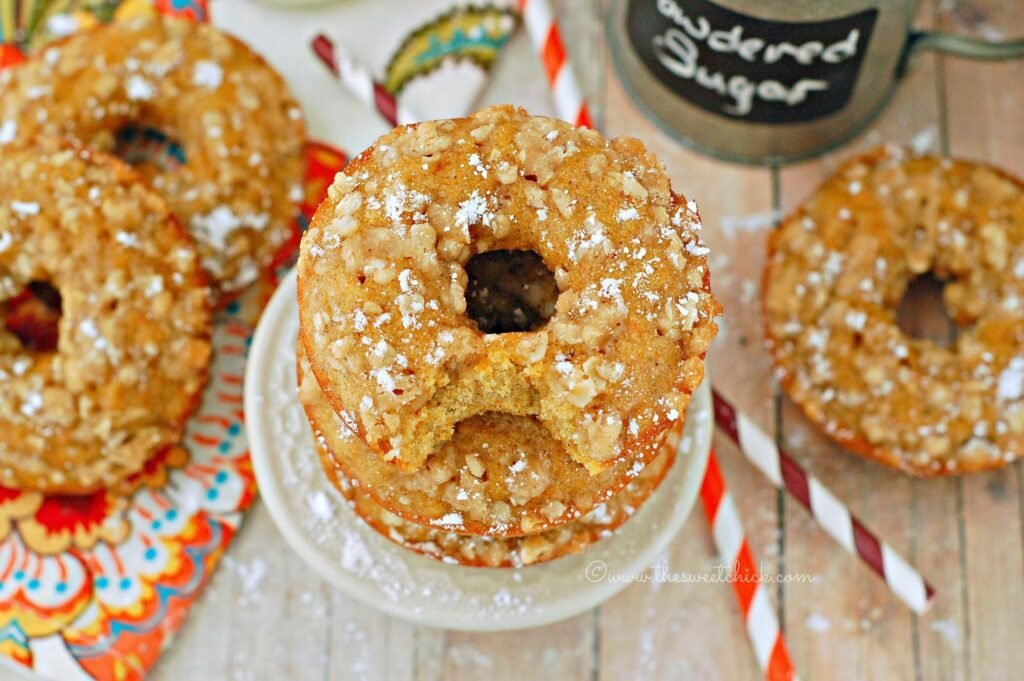
Donuts are small fried cakes of sweet dough and are one of the world’s greatest desserts and snacks. A variety of toppings, including chocolate, maple glazing, or powdered sugar, are used to experiment with making donuts with various flavors.
Donuts have a delicious flavor that appeals to people of all ages. But before you indulge in donuts solely for their flavor, consider this first: are donuts healthy?
No, donuts are not a healthy food to eat every day. Even one donut a day will develop obesity, diabetes, heart disease, insulin resistance, and metabolic issues. It comes with around 190 to 300 calories and 15 to 30 grams of sugar. These numbers are dangerous when you’re trying to slim down.
Let’s find out in detail how healthy donuts are for you.
Are Donuts Healthy?
Donuts are unhealthy because they are high in sugar and calories. You can expect to consume between 250 to 550 calories and 15 to 30 grams of sugar in one donut. Thus, consuming them in excess can result in weight gain and blood sugar problems.

However, it’s essential to note that not all donuts are created equal, and some variations can be healthier than others. Here are some ways to make donuts slightly healthier:
- Baked, Not Fried: opt for baked donuts instead of traditional deep-fried ones. Baked donuts are lower in fat and calories.
- Whole Grain or Alternative Flours: Choose donuts made from whole grain or alternative flours like almond or coconut flour for added fiber and nutrients.
- Reduced Sugar: Look for donuts with reduced sugar content or those sweetened with natural alternatives like honey or maple syrup.
- Nutritional Additions: Some donuts incorporate healthier ingredients like fruits, nuts, or seeds, adding some nutritional value.
👉😍Author Tips: Ready to Melt Belly Fat Overnight? Unlock the Secret Now✅
The Calorie Range Of Donuts
Sprinkled, glazed, or creamy-filled – you have varieties of donuts on displays calling your names like magnetic poles. But remember, it’s the calories calling.
Now, all donuts are not similar in calorie counting. They vary in different types of donuts.
Cake Donut
A plain cake donut is all about flour, sugar, and oil. You can add toppings or filling, they are never a healthy option to your healthy lifestyle.
| Calories | 200-300 |
| Carbohydrates | 20 to 50 g |
| Sugar | 10 to 20 g |
| Fat | 10-20 g |
| Protein | 1-3 g |
| Fiber | >1 g |
| Vitamins and Minerals | relatively low. |
| Sodium | 150-300 mg |
Creamy-Filled Iced Donut
The custard-filled creamy donuts are a favorite to most. However, they might not be a good start to your day.
| Calories | 250-350 |
| Carbohydrates | 40-60 g |
| Sugar | 20-30 g |
| Fat | 10-20 g |
| Saturated Fat | 4-8 g |
| Trans Fat | – |
| Protein | 3-5 g |
| Fiber | >1 g |
| Cholesterol | – |
| Sodium | 150-300 mg |
| Vitamins and Minerals | relatively low. |
Glazed And Frosted Donuts
Vanilla, chocolate fudge, or maple – toppings may add more calories to your body. With toppings, a glazed and frosted donut has-
| Calories | 192 |
| Saturated Fat | 2.667g |
| Polyunsaturated Fat | 1.309g |
| Monounsaturated Fat | 5.714g |
| Cholesterol | 14mg |
| Sodium | 181mg |
| Carbohydrate | 22.86g |
| Protein | 2.34g |
Jelly Filled Donuts
Jelly-filled donuts are the US’s one favorite choice after cream-filled and glazed. But what does the calorie count say about this sweet delight?
| Calories | 221 |
| Saturated Fat | 3.148g |
| Polyunsaturated Fat | 1.545g |
| Monounsaturated Fat | 6.647g |
| Cholesterol | 17mg |
| Sodium | 190mg |
| Carbohydrate | 25.35g |
| Protein | 3.84g |
Why You Shouldn’t Eat Donuts?
While donuts can be a delicious treat, it’s important to consume them in moderation due to several reasons related to their nutritional content and potential health implications. why you shouldn’t eat donuts excessively
High in Added Sugars
Donuts are notorious for their high sugar content. Excessive sugar consumption can lead to weight gain, tooth decay, and an increased risk of chronic diseases like type 2 diabetes and heart disease.
Loaded with Unhealthy Fats
Most donuts are deep-fried in oil, making them high in unhealthy trans fats and saturated fats. These fats can raise cholesterol levels and increase the risk of heart disease.
Donuts provide very few essential nutrients. They are typically low in vitamins, minerals, and fiber, which are crucial for overall health. Consuming donuts can displace more nutritious foods from your diet.
Calorie-Dense
Donuts are calorie-dense, meaning they provide a significant number of calories without offering much nutritional value. Overindulging in calorie-dense foods can contribute to weight gain and obesity.
Blood Sugar Spikes
The combination of refined carbohydrates and added sugars in donuts can cause rapid spikes in blood sugar levels, followed by crashes. This can lead to mood swings, fatigue, and increased cravings for more sugary foods.

3 Positive Points Of Donuts
Disadvantages are more prevalent than advantages in donut consumption. But there are also some positive aspects. Let’s check it out.
Taste and Enjoyment
Donuts are undeniably delicious and come in a wide variety of flavors and textures. They offer a satisfying and indulgent taste experience, making them a popular comfort food. Enjoying a donut occasionally can provide a sense of pleasure and satisfaction.
Pamper Your Children
Is your child often skipping lunch, and do you want to make mealtime more enjoyable for them?
Incorporating donuts into their lunch can be a delightful choice since children tend to love the delicious taste of donuts. Consider adding a small donut to your child’s lunchbox along with a heartfelt note to show your affection. It’s a sweet and thoughtful gesture that your child is sure to cherish.
Boost Your Brain
The primary energy source for cognitive functions is glucose, which is abundant in sugar and sugar-rich foods. Furthermore, sugar serves as a significant supplier of acetylcholine, a vital neurotransmitter responsible for regulating mood, attention, and memory formation, facilitating the process of learning and remembering. In light of this, donuts can serve as a flavorful and enjoyable option to boost brain function.
Homemade Donuts Vs. Store-Bought Donuts
Homemade donuts are undoubtedly a bit healthier than store-bought donuts as you maintain the quality yourself. Additionally, store-bought donuts are preserved, while homemade donuts can be enjoyed hot and fresh.
You can also make your homemade donuts healthier by mixing in less sugary ingredients, which is impossible with store-bought donuts.
Therefore, I can assure you that homemade donuts will be a better option than store-bought donuts if you want to prefer donuts as a dessert on a particular occasion.
Baked Donuts Vs Fried Donuts
Due to the fact that each baked donut contains 160 calories while each fried donut contains 269 calories, baked donuts are preferable to deep-fried ones.
Moreover, the biggest reason behind baked donuts’ being healthier than fried donuts is that they are not deep-fried like fried donuts. As a result, the presence of fat in baked donuts is slightly less compared to fried donuts.
However, it is not a good idea for your health to break the rules of consuming a certain amount of food. Therefore, you should avoid them as much as possible because the result of consuming them in excess is not beneficial at all.
FAQs
Are donuts healthy?
It is not advisable to consume donuts on a daily basis. Obesity, diabetes, heart disease, insulin resistance, and metabolic problems can all be brought on by just one donut per day. However, since you can control the quality yourself, homemade donuts are undoubtedly a little healthier than those from the store.
Do donuts make you gain weight?
Donuts frequently contain large amounts of sugar, white flour, fat, and calories. Therefore, it’s better not to include it in your daily diet chart as increasing your intake of donuts will not help you maintain your healthy weight.
Are donuts junk food?
Donuts are junk food as they are high in sugar and calories. Usually, they contain between 190 and 300 calories, 15 to 30 grams of sugar, and no nutrients, making them junk food.
Final thoughts
To sum up, everyone likes to consume donuts because of their delicious taste. But, are donuts healthy?
Donuts are not healthy at all, as one single donut carries a lot of calories, fat, sugar, and zero nutrition.
It is best to consume it only occasionally. Otherwise, it will cause significant problems with your health.
However, if you have a donut craving, try to consume homemade baked donuts and avoid store-bought ones. But remember that these cravings can’t be satisfied every day.
Stay healthy.
Related Posts






Subscribe for New Racipies
Get mental health tips, updates, and resources delivered to your inbox.
Slow-Roasted Tomatoes, and other Weekend Stories

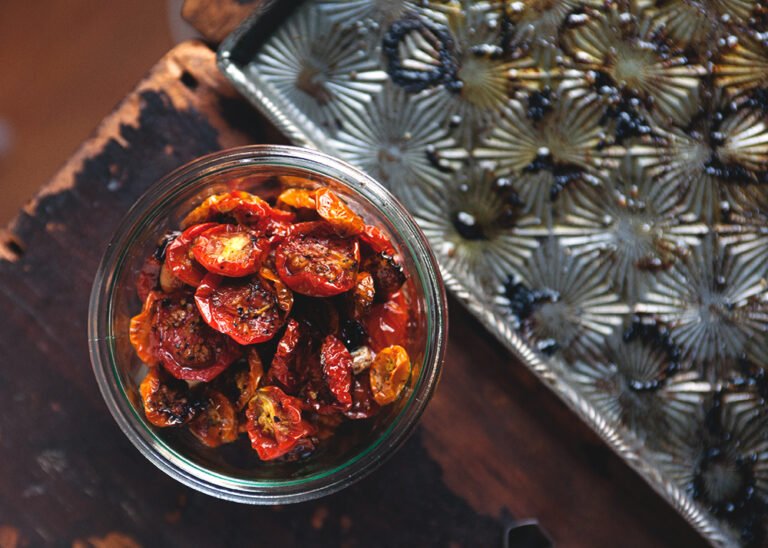
This weekend was beautiful, warm but not hot, today especially. So I took a break from the kitchen.
I bought grapes, the first of the season! While I was sad to learn that my favorite kind, muscat, is not grown in this area, I was delighted to discover many other varieties that smelled like perfume and tasted as sweet as candy. Apparently a lot of grapes are grown up near Ithaca. That’s not so very far away from here, is it?
I saw a man walking nonchalantly by my favorite home on Manhattan. It’s beautiful, and he didn’t even bat an eye. Maybe he walks by it all the time, maybe he lives just a few doors down, maybe he has no appreciation for lush, gorgeous ivy covering a stately brick exterior. Or maybe I’m just particularly sensitive towards the aesthetically pleasing. All I know is, whenever I pass it, I have stop, sigh, and admire.
I went to Chinatown and bought boba, also known as bubble milk tea. Have you ever had it? It’s probably my favorite beverage in the world, un-eclipsable by anything else, alcoholic or non-. Truthfully, Chris and I make the trip to Chinatown often to buy boba, at least twice a week. Our favorite spot is located on Canal Street, but it’s too expensive for addicts like us. So we go to another spot that’s decent, but made all the sweeter by the fact that it has a 2-for-1 deal. Alas, Chatime we’ll have to reserve for special occasions.
I had two credit cards stolen. I believe the theft occurred in a coffee shop near NYU, the unlikeliest of places if you ask me. And the funny thing is, I’d scooted my purse in closer because I’d felt uncomfortable by how near the party behind me sat. The exact same thing had happened to me in Bolivia: a man who’d sat a little too close for comfort, me preemptively pulling my purse in. He’d managed to get away with about $7 worth of cash. The thief in New York had unsuccessfully tried making a $900+ purchase at the Apple store on both cards. It serves her (her? him? Would a man try to pass a card with a woman’s name on it as his?) right.
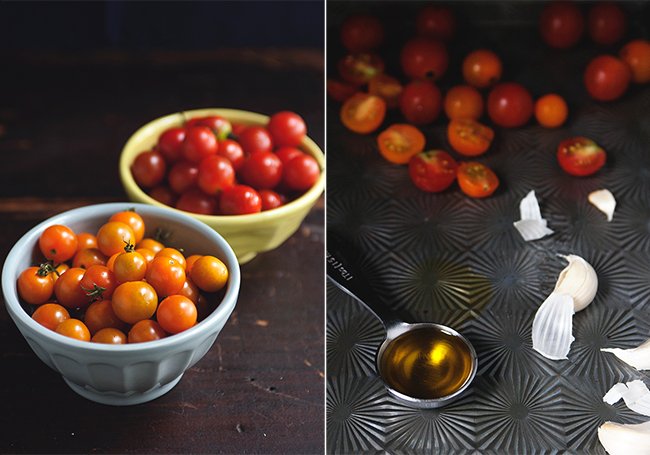
Before all this happened, on Friday, I roasted tomatoes.
I think I might’ve mentioned that I like my tomatoes raw, with just a touch of olive oil and salt. But in the case of cherry tomatoes, well, roasting them slowly on low heat, is a one-up.
The taste pierces. It’s so sharply sweet and intense, tomato condensed and condensed some more until all its taste is packaged in a shriveled, innocuous mass. For these tomatoes, I’m willing to turn my oven on, the oven that had traumatized me weeks ago, the oven that I’d vowed to part ways with until after Labor Day, until after temperatures dip below the 80′s once and for all.
A little goes a long way. I’ll be tossing them in salads, on sandwiches, on bagels, in pasta, whenever I need a boost of tomato action. Which could be anytime inspiration strikes, like when I walk by the fridge.

Yup, my weekend was punctuated by tomatoes. They’re a good thing to have around when I’m dealing with my credit card companies’ fraud departments on the phone. And for easing myself back into the work week.
Happy Monday, friends.
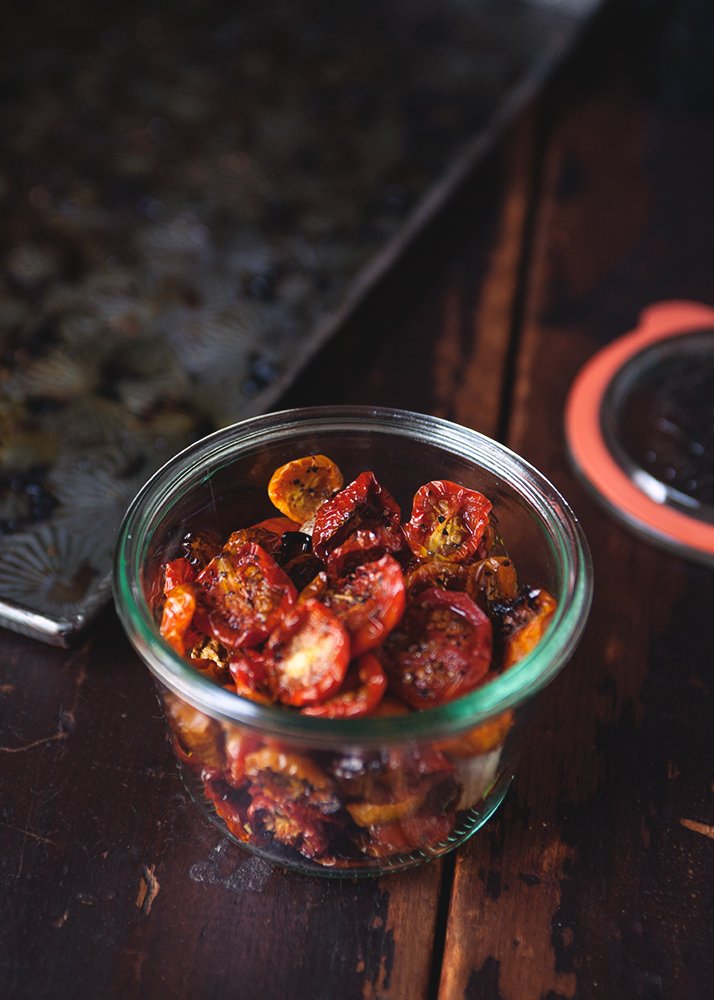

SLOW-ROASTED TOMATOES
Ingredients:
Cherry tomatoes
Olive oil
3 to 4 cloves of garlic, unpeeled
salt and pepper
Directions:
Preheat the oven to 250 degrees (Note: My oven only goes down to 300 degrees, so I had to roast them at this temperature.)
Cut the tomatoes in half. Toss with the olive oil (so they’re lightly covered) and lay the halves on a baking sheet, cut side up, along with the garlic cloves. Sprinkle with salt and pepper to taste. Roast the tomatoes for 2 to 3 hours until they shrivel but are still juicy on the inside. (Note: Because my oven was at 300 degrees, I had to turn the oven off after about an hour and 15 minutes because the tomatoes in the corners had started burning. I won’t lose any to the carbonizing effects of heat!)
To store, let the tomatoes cool and put them in a covered jar in the fridge. You may need to cover them with some extra olive oil.
Related Posts





Subscribe for New Racipies
Get mental health tips, updates, and resources delivered to your inbox.