
Are Watermelons Healthy? Nutrition Facts and Health Benefits

Medically reviewed by Christiana George Updated Date: January 4, 2026
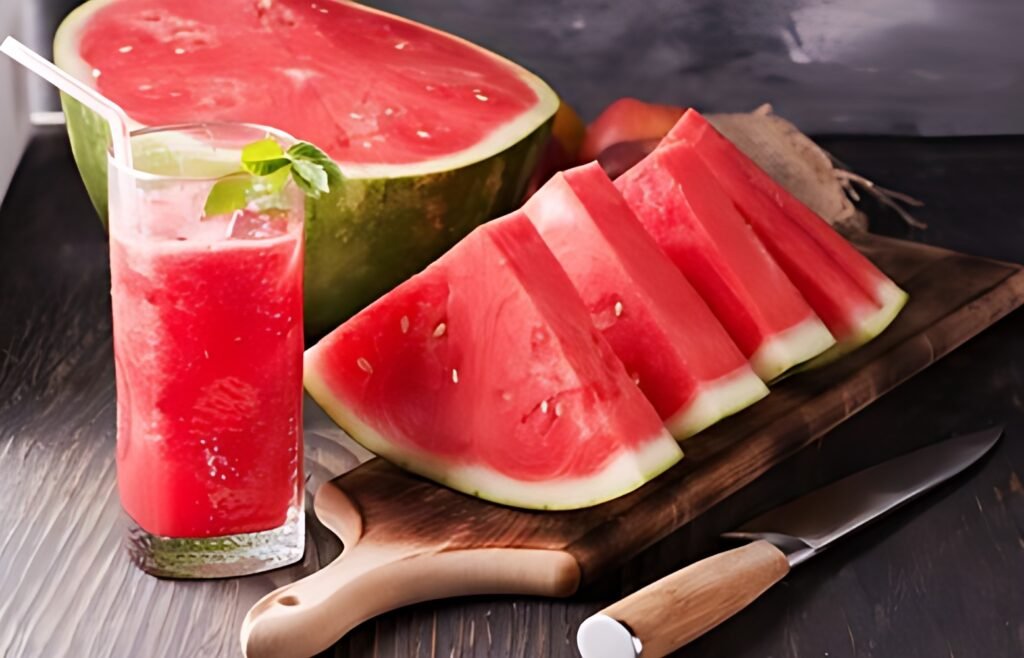
Watermelon is a delicious and refreshing fruit that is also very healthy. It is packed with nutrients, including vitamins A and C, potassium, and magnesium.
Watermelon also contains lycopene and citrulline, two plant compounds that may have health benefits. Yet, the question lingers: Are watermelons truly healthy?
Join us on a journey through the nutrition facts and health benefits of this beloved fruit to uncover the delicious truth. Read on!
Are Watermelon Healthy?
Yes, watermelon is a healthy fruit. It is low in calories and fat, and it is a good source of vitamins A and C, as well as potassium and magnesium. Watermelon also contains antioxidants, which can help protect the body from damage.
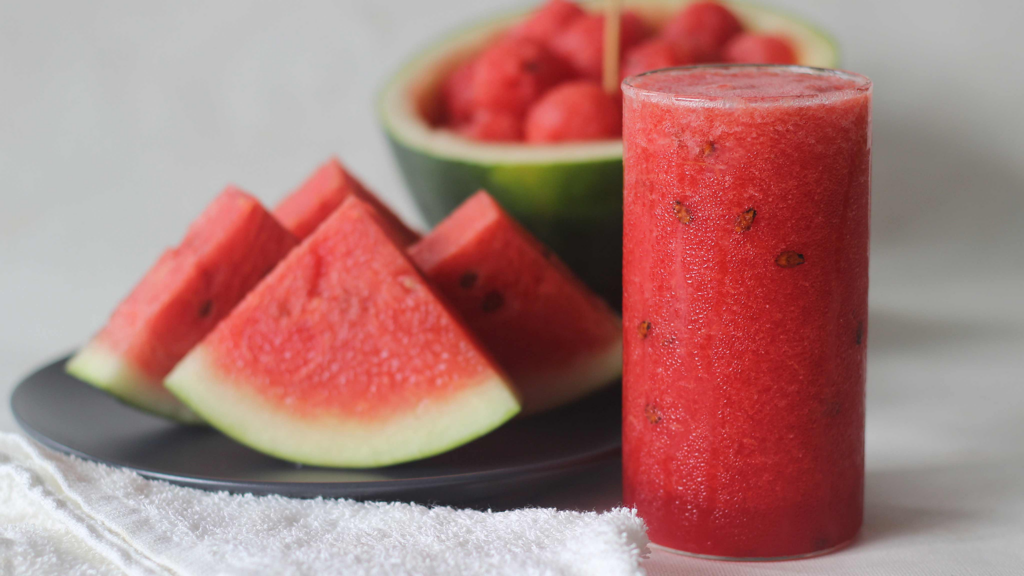
1 Cup Diced Watermelon nutritional content (157 grams):
| Nutrient | Amount | Percent Daily Value (%DV) |
| Calories | 46 | 2% |
| Fat | 0.2 g | <1% |
| Saturated fat | 0 g | 0% |
| Polyunsaturated fat | 0.1 g | <1% |
| Monounsaturated fat | 0.1 g | <1% |
| Cholesterol | 0 mg | 0% |
| Sodium | 1.5 mg | <1% |
| Potassium | 170 mg | 5% |
| Carbohydrates | 11 g | 4% |
| Dietary fiber | 0.6 g | 2% |
| Sugars | 9.4 g | |
| Protein | 0.9 g | 2% |
| Vitamin A | 865 IU | 17% |
| Vitamin C | 12 mg | 20% |
| Calcium | 11 mg | 1% |
| Iron | 0.4 mg | 2% |
| Magnesium | 15 mg | 4% |
Watermelon is a good choice for people who are trying to lose weight or maintain a healthy weight. It is also a good choice for people with diabetes or other dietary restrictions.
Top 5 Health Benefits of Watermelon
Watermelon has long been considered a nutritious, healthy fruit that’s both delicious and fun to eat- but are there real health benefits to adding it to your diet? It turns out that the answer is yes.
While most people associate watermelon with hot summer days and picnics, this fruit actually has several nutritional benefits that make it an excellent addition to your diet year-round.
Here are some of the many benefits of watermelon that will have you eat it daily! (in no particular order)
Good for Weight Loss
You must be wondering how watermelon is good for weight loss.
Watermelon is low in calories but high in water content, making it an excellent food for weight loss. The high water content can help you feel full and eat less overall, and the nutrients in watermelon may help boost your metabolism.
Besides, the fiber content increases too, which can help you feel full longer, making you less likely to overeat later.
Prevents Growth of Cancer Cells
In addition to being loaded with vitamins and nutrients, watermelon also contains lycopene, an antioxidant known to lower the risk of developing certain types of cancer by protecting cells from damage, for example, prostate cancer and other cancers.
Keeps You Hydrated
Watermelons are high in water content. So, it makes them an excellent way to stay hydrated while providing several essential nutrients.
Improves Hair Growth
People often say that consuming a lot of watermelons is suitable for your hair because it provides the essential hydration needed to keep strands and follicles healthy. While this may be true, there are other ways to care for your hair.
Anti-inflammatory Properties
Recent research has shown that watermelon may have anti-inflammatory properties. These properties help reduce the body’s inflammatory responses and improve symptoms of allergies, asthma, inflammatory bowel disease, rheumatoid arthritis, and type 2 diabetes.
Watermelon Side Effects Due To Overeating
Did you know that consuming too much watermelon can cause health problems?
It might seem counterintuitive, but there are three health risks of consuming watermelon (that you didn’t know about). Here they are. You’ll never look at the popular summer fruit the same way again.
Risks Of Too Much Vitamin A
Too much vitamin A can be dangerous as it can increase the risk of osteoporosis and cancer. For pregnant women, too much vitamin A can cause congenital disabilities.
There is also a chance that some people will experience allergic reactions to eating watermelon due to the fact that they are allergic to melon or cucumber, both of which are in the same family as watermelons.
Risks Of Too Much Lycopene
Lycopene is what gives watermelon its rich red color. It has been thought to protect against cancer, heart disease, and macular degeneration. However, too much lycopene can also be harmful to some people with diabetes or kidney problems.
Also, eating large amounts of lycopene-rich foods may result in diarrhea, stomach cramps, nausea, vomiting, and dizziness.
Risk of too much fructose
Watermelon is a high fructose (fruit sugar) fruit. According to the USDA, 100 grams of watermelon has 6 grams of fruit sugar. Studies have also shown that overconsumption of high-fructose fruits has been linked to increased body weight, belly fat, and triglycerides.
Risks Of Too Much Oxalic Acid
Oxalic acid is the compound that makes many fruits and vegetables taste sour, apples, oranges, and rhubarb. It also has a mild laxative effect, so people who eat a lot of these foods will sometimes get an upset stomach or diarrhea.
Although the concentration of oxalic acid in watermelon is less than 0.5%, it is still there. And consuming too much oxalic acid can lead to oxalate kidney stones or gout.
Risk Of Too Much Citric Acid
Because the fruit contains an acid called citric acid, which is present in high concentrations when the watermelon is under-ripe, this could be bad for tooth enamel. Usually, a cup of watermelon contains around 12 milligrams of vitamin C, which can be easily overconsumed if you do not control the portion.
Watermelon vs Watermelon Juice- Which One is Healthy?
Watermelon is delicious, but in order to reap the maximum benefits, it should be consumed as whole fruit, not in juice form.
The first problem with watermelon juice is that it lacks the fiber that comes from the skin and pulp of fresh watermelon. A cup of watermelon contains around two to three grams of fiber, while only trace amounts are found in one cup of watermelon juice.
Consuming less than 20 grams of fiber daily can lead to constipation and other digestive problems. This is definitely something to consider if you’re relying on watermelon juice for your daily dose.
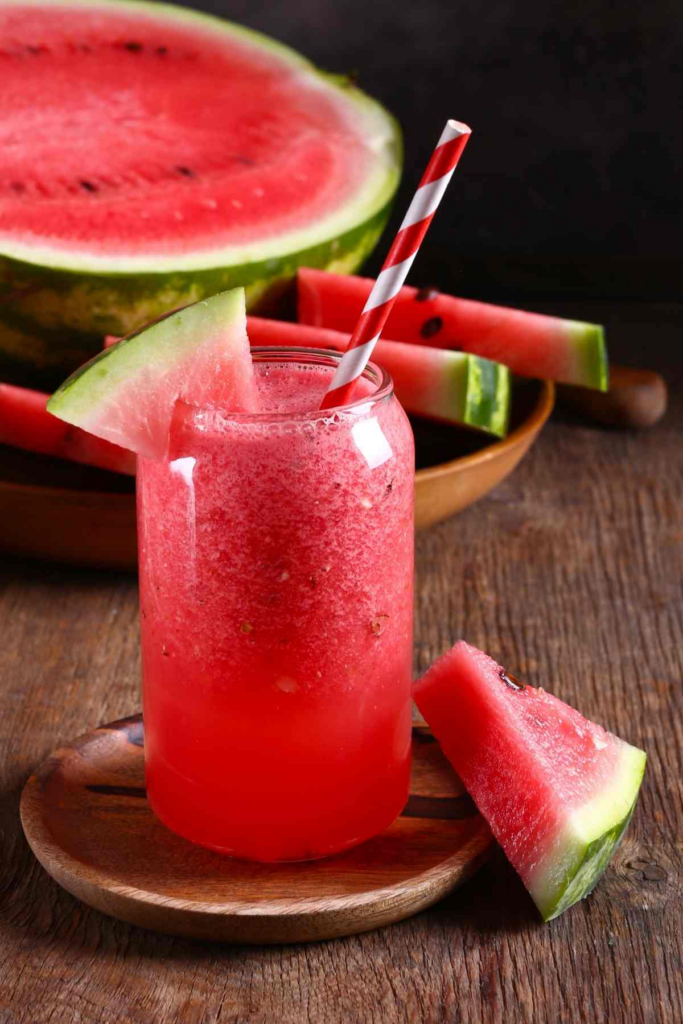
Is Watermelon Water Good For You?
Although you will get the same amount of hydration from watermelon juice as you would with consuming the fruit, you risk consuming additional sugar through the juice.
It is evident that fruit juices contain added sugar. So, when the added sugar in the juice is combined with the natural fructose of watermelon, you tend to consume a lot of sugar at once.
Therefore, consuming whole watermelon fruit instead of juice is a healthy option.
How many watermelons Should I Consume Every Day?
Watermelon has high amounts of lycopene and even more significant benefits when combined with selenium, zinc, and copper. It contains other nutrients like beta-carotene (vitamin A), lutein, potassium, folate, and vitamin C.
That said, some caveats can come with overeating watermelon. Eating excessive watermelon over a short time can harm one’s health, as you have seen above.
You might have yet to realize this, but the amount of watermelon a person should consume varies. Some people will be able to have a little more than others and still stay within the recommended daily serving size. Consuming a maximum of one or two cups of watermelon won’t do any harm to a healthy individual.
If you are too concerned about how much is right for you, speak with your doctor or calculate the nutritional information from the chart above.
FAQs
Are watermelons healthy for diabetics?
For people with diabetes, the sugar in watermelons can be problematic if consumption is not controlled. Watermelons have natural sugars called fructose, which can trigger the condition when consumed too much at a time.
Are watermelons healthy for pregnancy?
Watermelon is one of the healthiest fruits to consume during pregnancy. Pregnant women suffer from constipation, so the high fiber content in watermelon helps ease it.
This fruit also keeps their body hydrated and nourished. Also, the numerous healthy vitamins and minerals in the fruit are good for fetal development.
Is watermelon good for diarrhea?
Diarrhea means excessive loss of water from the body. Since watermelon is rich in water, consuming it when you are suffering from diarrhea can help your body with hydration.
In this case, consuming watermelon juice is better to avoid the fiber intake, as drinking too much fiber during diarrhea can increase the condition.
Are watermelons good for gastritis?
Watermelon is a safe fruit to eat even if you have gastritis. It won’t trigger or worsen the condition because watermelon is a low-acidic or alkaline fruit.
A fully ripe watermelon has a pH level of 9. It helps to neutralize the acid produced in gastritis.
Final Thought
Are watermelons healthy? Yes, watermelons are healthy fruit as mother nature has instilled many good things in them; we all know that. But excess of anything has an adverse effect, and that’s what I was trying to show you.
You might have been stuffing your tummy with watermelon, thinking it won’t affect your health negatively. Although it won’t harm you in a single day or two, you should stop immediately if you continue doing it for the entire summer season.
Related Posts






Subscribe for New Racipies
Get mental health tips, updates, and resources delivered to your inbox.
Homemade Yeasted Apple Cider Doughnuts (Fluffy & Fried)


These soft, fluffy yeasted apple cider doughnuts are the perfect autumn treat. Infused with fresh apple cider and rolled in cinnamon sugar, this recipe brings the best of the farmers’ market right to your kitchen.
Capturing the Flavors of Fall
The last couple of weeks: Full of visitors, mostly conversation, and good food too. The three always happen to coincide, don’t they?
Earnest walks, feet pounding pavement to the tune of miles of city blocks, great big swathes of condensation disappearing into the air as we talk, scarves up to our ears, gloved hands stuffed into pockets. The cold is omnipotent and inescapable.
The couch served double-duty as a bed, throws unfolded and refolded, and finally heaped together over the rip in the couch. Towels bunched up on the rack, foreign toothbrushes and contacts, and creams on the counter.
Squished together like sardines around the table. Plates and bowls cycled over and over. Coffee and coffee and coffee and coffee. The twice-daily sauna turns us into captives of the heat, shedding layers as if on cue as the radiator whistles on.

And then there was Thanksgiving…
And then there was Thanksgiving. I can’t even think about it. So much food. My role as the preparer of brussels sprouts, though, thankfully, not much else. Watching as the guys prepared the turkey, standing on tiptoes with my cameraphone poised above the headless carcass.
It was salted, backbone cut out, pushed down hard until its breastbone cracked. Piercing it with a meat thermometer a million and one times, unsure why its internal body temperature kept vacillating. As a result, dry white meat but done in 90 minutes.
For dessert, a pumpkin pie. There was also homemade cinnamon ice cream—thanks, Alanna, for implanting the idea in my mind! It tasted just like Cinnamon Toast Crunch.

Discovering the Perfect Apple Cider Doughnut
The return to normalcy. Decompression. Time once again ours. Sleeping in and in and in. Leftovers. Sitting on the couch, which was once again a couch, and streaming Breaking Bad until Walt started getting annoying.
Christmas tree shops set up on street corners, and wreaths, big ones and decorated ones and plain ones too. I cracked open my computer for the first time in what felt like weeks. Black Friday emails are days late, but overflowing my inbox nonetheless. I also ate my first apple cider doughnut.
And then I had to make them.
Because what I ate was cushiony and soft, full of air pockets, a real treat for gluten-vores. It was also heady with autumn spices and dusted with coarse sugar, really underscoring the apple cider flavor just like they should. In short, it was completely unlike anything I’d expected, and it was amazing.
Yeast vs. Cake Doughnuts: Why Yeast Wins
I’m not usually a fan of cake doughnuts. In fact, I’m not sure the doughnut I had on Saturday was a cake doughnut – it was far too luscious and fluffy. But I love anything apple cider flavored, so I decided to make my own version with yeast.
This recipe is close. It’s not fluffy enough in my opinion, but then again, I wonder if the doughnut of my dreams is exactly that: not real. Nevertheless, there’s something really exciting about making doughnuts at home (another one of those look-what-I-made! foods), and these taste delicious when they’re fresh out of the, um, fryer?
Is that what you call your pot when you’re using it for deep-frying? Not every person is ready to spend a lot of money at an online casino, and it is okay. For those of you who want to play slot machines with a small deposit, our friends from Fancasinos.com have created a rating of minimum deposit casinos in 2023. People are able to play there with $10 and get a bonus.

Tips for Frying Homemade Doughnuts
Monitor the Heat: Use a candy thermometer to keep oil at 360°F.
Don’t Overcrowd: Fry 2-3 doughnuts at a time to maintain oil temperature.
The Flip: Use chopsticks for an easy, gentle flip.
YEASTED APPLE CIDER DOUGHNUTS
Makes 12 doughnuts plus 12+ doughnut holes
Adapted from Chow
Ingredients:
- 2-1/2 cups all-purpose flour, plus extra for rolling out
- 1-1/2 tsp ground cinnamon
- 1/2 tsp freshly grated nutmeg
- 1/2 tsp fine salt
- 2-1/4 tsp active dry yeast
- 1/4 cup plus 1 tsp granulated sugar
- 3/4 cup apple cider
- 2 large egg yolks
- 1 Tsp vegetable oil
- 1 tsp vanilla extract
- 1 Tsp unsalted butter, room temperature
Neutral oil for frying
1/2 cup sugar (optional)
1 Tbsp ground cinnamon (optional)
Directions:
Whisk the flour, cinnamon, nutmeg, and salt in a large bowl to combine, and set aside.
In a medium bowl, mix the yeast and 1 tsp of sugar. Heat 1/2 cup of the apple cider until it’s warm but not hot, and add it to the yeast mixture. Stir to combine. Let it sit until it’s foamy, about 5 minutes.
Then, add the remaining 1/4 cup sugar, remaining 1/4 cup apple cider, egg yolks, oil, and vanilla and whisk to combine. Add this mixture to the flour mixture and stir with a wooden spoon until the dough comes together and begins to form a ball.
Transfer the dough to a lightly floured work surface. Scatter the butter pieces over the dough and knead until the butter is fully incorporated and the dough is smooth and elastic, about 6 to 8 minutes. You might need to add up to 1/4 cup of additional flour to keep the dough from being too sticky.
Oil the sides of a large bowl. Form the dough into a ball, and place it in, turning to coat. Cover the bowl and let the dough rise in a warm place until doubled in size, about 2 hours.
Line a baking sheet with parchment paper. Punch down the dough, transfer it to a lightly floured work surface, and roll it out until it’s about 1/2 inch thick. Using a 3-inch round cutter, stamp out as many dough rounds as you can.
Use a 1-inch round cutter to make the inner hole (or, in my case, an icing tip that was about 1.5″ in diameter) and place the doughnuts and doughnut holes on the prepared baking sheet. Gather the dough scraps and repeat.
Discard any remaining dough scraps. Cover the doughnuts and let them proof until they’re about 3/4 inches in height, 30 minutes to an hour.
Fill a heavy-bottomed pot with about 2 inches of neutral oil. Clap a candy thermometer on the side. Heat the oil on medium heat until it reaches 360°F.
It should take a little while, so in the meantime, prepare a rack where the doughnuts will drain by laying over it a few sheets of paper towels. If you’re planning on topping the doughnuts, prepare the cinnamon sugar in a large plate and set it close by.
Once the oil is ready, add the first doughnut. Fry until golden brown, about 30 seconds, then flip it over (I used chopsticks). Add the second doughnut and repeat. Move the first one to the rack when it’s ready, and continue frying the rest.
I was able to balance frying three at a time. Once the doughnut has cooled a little, dip it in the cinnamon sugar until it’s generously covered. Move on to the doughnut holes.
Related Posts






Subscribe for New Racipies
Get mental health tips, updates, and resources delivered to your inbox.