
Can You Eat Expired Cinnamon Rolls? Exploring the Risks and Guidelines

Medically reviewed by Christiana George Updated Date: January 2, 2026
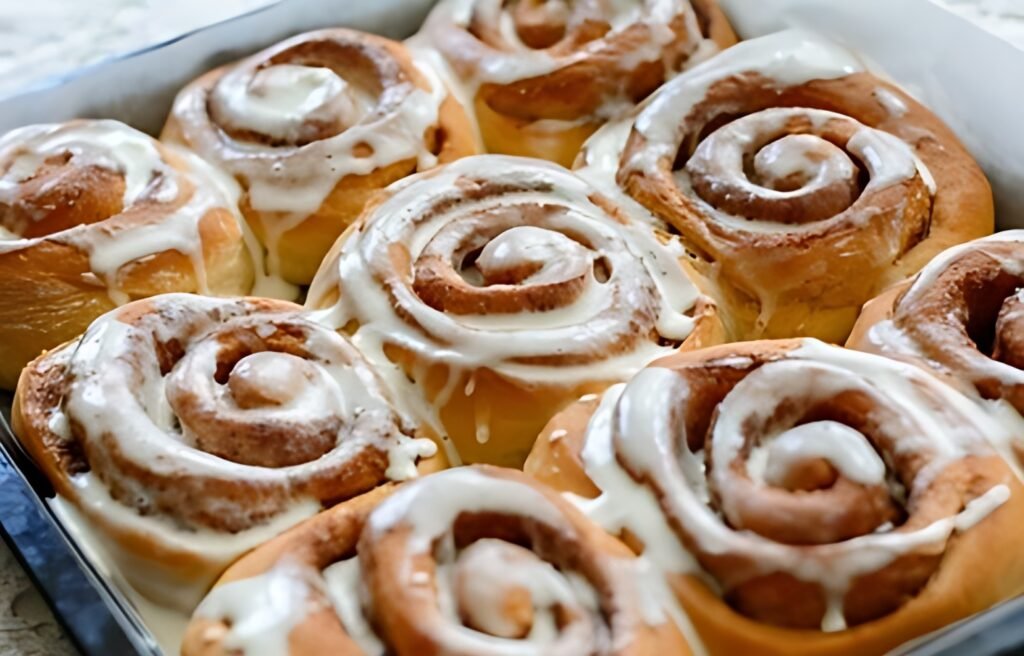
A traditional Southeast Asian spice and European baking combo are cinnamon rolls. Today, they are a cherished teatime delicacy in many nations throughout the world.
However, if left outside at room temperature, they only have a three-day maximum shelf life.
So, can you eat expired cinnamon rolls?
Yes, you can, we generally recommend staying away from food that has beyond its expiry date. You won’t become sick from eating expired cinnamon rolls unless there are clear signs of decomposition. You wouldn’t want to risk your health in exchange for a substantial sweet treat.
To understand the situation more clearly, you need to know more. Everything you need to know about cinnamon buns has been supplied.
Please scroll down to get all the information!
Can You Eat Expired Cinnamon Rolls?
You can eat expired cinnamon rolls while keeping certain points in mind. There is no use-by date on cinnamon rolls. Instead, a use-by or best-by date is used to identify them. That reveals to the customer if the flavor and texture of the cinnamon buns are still fresh. If properly stored, cinnamon rolls can be kept for up to 4 to 6 weeks. Even after the use-by date if they haven’t been made yet.
Cinnamon buns can be prepared and kept at room temperature. For a maximum of two to three days. If it’s not too hot. The maximum storage time for baked cinnamon rolls in the refrigerator is five days. before they begin to lose their quality.
There are also many queries about whether can you use Pillsbury dough after expiration? After its expiry date, Pillsbury dough can be used for up to two weeks. Pillsbury dough will ultimately go wrong, just like any fresh or frozen goods. At most, the food won’t taste as wonderful.
What is the Date of Expiration?
The product’s expiration date informs the user of the final day. On which it is safe to eat the product. Some items may not include the expiration date. On some items, it is needed. things may alter beyond their expiration date if they have a certain nutritional content.
A product should not be consumed once the expiration date has passed.
What is the Best-By Date?
The use-by or best-by date informs the consumer that the food is no longer fresh. Or in the exact form and flavor as it was when you purchased it. It could lose part of its nutrition, flavor, fragrance, or freshness. It does not, however, suggest that the product has deteriorated and is dangerous to eat.
How the food has been stored affects its safety, freshness, and flavor. Therefore, if the product has not been managed properly. It may lose every quality much before the best-by date.
What Happens If You Eat Cinnamon Rolls After Expiry Date?
It depends on whether you’re consuming cinnamon rolls that were made before. Or after the use-by date. There should be no issue if cinnamon rolls were prepared after the use-by date. It is preserved and eaten within the customary window of a cinnamon roll’s shelf life.
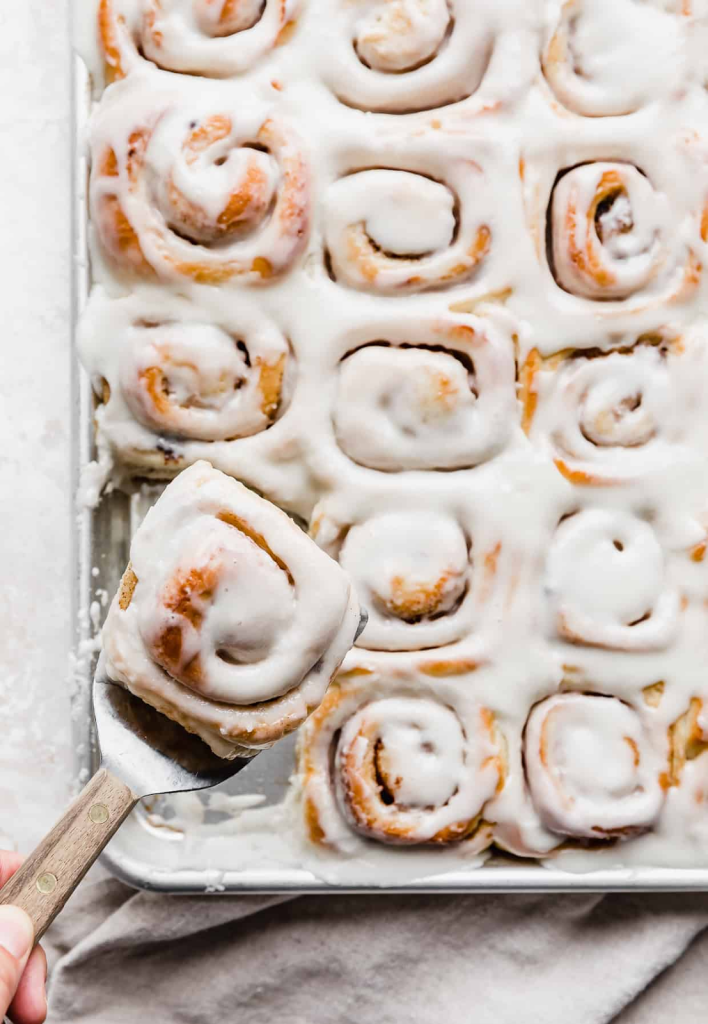
The problem arises if you consume cinnamon rolls that have been made before. Or after the expiration date, have not been properly kept, or are no longer in excellent condition.
If they are not kept at a suitable temperature during storage, cinnamon rolls can very quickly mold. Moreover, if the humidity is excessive. You risk contracting food illness if there is even a little quantity of mold. Developing within cinnamon buns.
Foodborne sickness is often known as food poisoning. It happens when you consume food that has been tainted with parasites, viruses, or germs. It isn’t always essential to ingest the virus or bacteria. To experience the effects of food poisoning, one only has to consume the poisons.
In just an hour of eating contaminated food, symptoms could appear. Symptoms consist of
- Vomiting.
- Nausea.
- Abdominal pain.
- Diarrhea.
- Fever.
Food poisoning-related illness might last anywhere from one day to several days overall. Immune-compromised patients, the elderly, pregnant women, and small children are particularly vulnerable to food poisoning.
Are Cinnamon Rolls a Nutritious Food?
No, eating cinnamon rolls is not a healthy choice. Baked products like cinnamon buns typically include a large quantity of sugar and unhealthy fats. Particularly harmful is the dough for pre-made cinnamon rolls. Eat your cinnamon buns sparingly.
How Can You Keep Cinnamon Rolls Fresher For Longer?
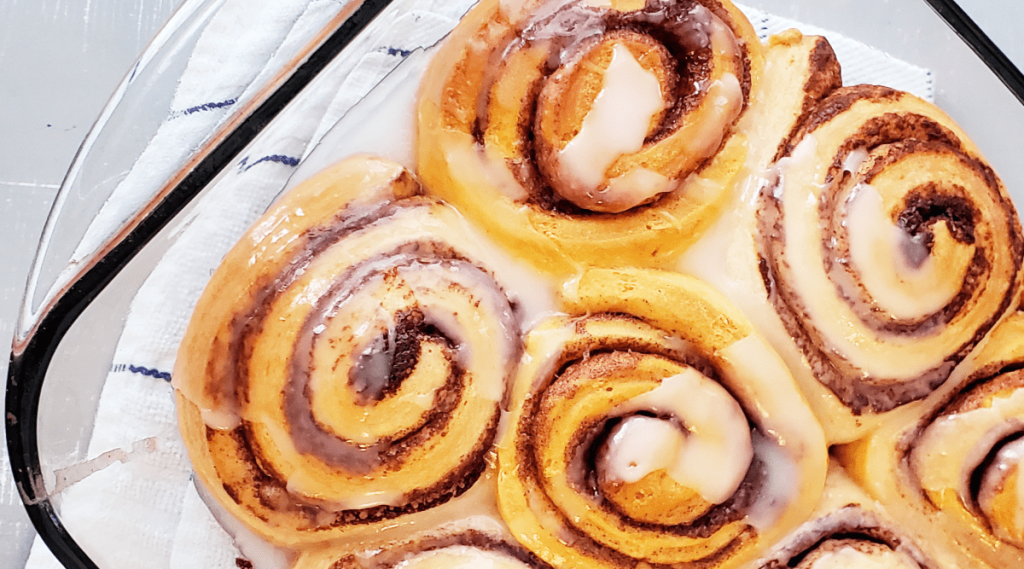
The dough for ready-made cinnamon rolls may be kept in the refrigerator if you purchase it. after the “use-by” date for up to 6 weeks. If you wish to make the dough, flour has a long shelf life. Just make sure the dairy items you need are in good shape.
Once your cinnamon rolls are prepared, you may store them in the refrigerator in an airtight container. Or while being wrapped in plastic for roughly five days. Depending on the climate, they can also endure 2 to 3 days at room temperature.
There are various types of cinnamon rolls. I’ve compiled a list of excellent cinnamon rolls. These are reasonably priced and of decent quality:
| IMMACULATE BAKING COMPANY Organic Cinnamon Rolls | Click Here to Buy |
| Stern’s Bakery Cinnamon Rolls | Click Here to Buy |
I hope the information I’ve provided helps you choose the right cinnamon bun!
Can You Freeze Cinnamon Rolls?
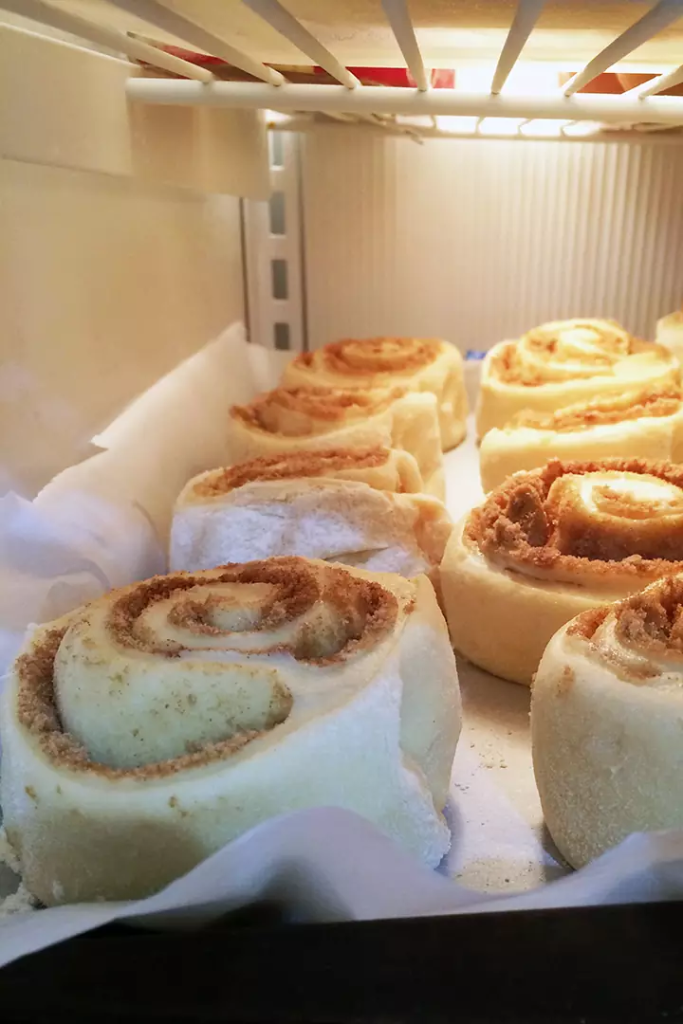
A great approach to make sure cinnamon buns last a long time is to freeze them. There are a few things you’ll need to take care of before freezing them. You may freeze the rolls and thaw them whenever you’d like. After figuring out the proper solutions to the problems.
- Cinnamon rolls can be frozen at any stage of the preparation. They can be cooked and unfrosted, without having to wait for them to rise. or after they have finished baking and been frosted. Before putting them in the freezer, there are a few things to consider.
- The amount of yeast in the recipe should be increased by 50% if you want unbaked rolls. if you don’t immediately bake buns. When you put yeast in the freezer, it enters hibernation. The yeast will be reawakened once the rolls are thawed. However, not all of it will last.
- You won’t get a nice rise because some yeast will start to die off. You should use more yeast than called for in the recipe due to the die-off. For around a week or two, yeast will be ok. Beyond that point, yeast will begin to disappear. Each roll should be wrapped in plastic and frozen for storage.
- You have already passed the first and second rising stages for cinnamon rolls that have been half cooked. One of the finest ways to freeze cinnamon rolls is with this technique. After the rolls have risen a second time in the oven, allow them to cool. If you place the rolls in the freezer while they are still warm, they will become frosty.
- Cover the baking dish in two pieces of plastic when they have cooled. In the freezer, they can last for up to two weeks. If you store them for a longer amount of time, they may likely lose part of their flavor. Since this method calls for rolls that are past the rising stage, the yeast shouldn’t be a problem.
This concludes our discussion about freezing cinnamon buns.
FAQs
What’s the difference between cinnamon rolls and cinnamon buns?
One of the key differences between the two is that cinnamon buns include nuts. On the other hand, traditionally, cinnamon buns don’t include any nuts. Both recipes call for rectangle-shaped yeasted dough. Additionally, they were pinwheeled, dusted with cinnamon sugar, and cut into rolls.
Can you freeze uncooked Pillsbury biscuits?
Yes! You can always eat soft, freshly-tasting biscuits. Baked biscuits should cool thoroughly on a wire rack. Next, wrap each biscuit firmly in freezer wrap or heavy-duty foil. And keep in an airtight container or a freezer bag that is a gallon size.
What do you name the cinnamon roll’s center?
It serves as the core of all flavors. Icing that was dripped or spread on top came first. It’s safe to say that yesterday hit the cinnamon roll target. It ensures that your final mouthful of bread is filled with that delicious white gold.
How do you keep cinnamon rolls soft?
Your cinnamon buns will stay moist if you store them airtight. Your cinnamon buns should be individually wrapped in foil or plastic wrap before going into a freezer bag. You may also securely wrap the pan if you wish to keep them inside.
Why does the bottom of my cinnamon buns burn?
It is generally usually due to too much hot air coming from underneath bread. That has a browned bottom. It’s probable that the sort of bakeware you’re using is to blame for this extreme heat. Bread may be easily burned in dark, thin bakeware. Since it readily absorbs heat and transmits it to the bread’s base.
Conclusion
Hope you have no more confusion about whether can you eat expired cinnamon rolls. We hope the query is crystal clear to you now.
Temperature and humidity are crucial considerations if you plan to store cinnamon buns on the shelf. Otherwise, it’s preferable to freeze or keep them chilled.
Till then, best of luck!
Related Posts





Subscribe for New Racipies
Get mental health tips, updates, and resources delivered to your inbox.
Meyer Lemon Budino

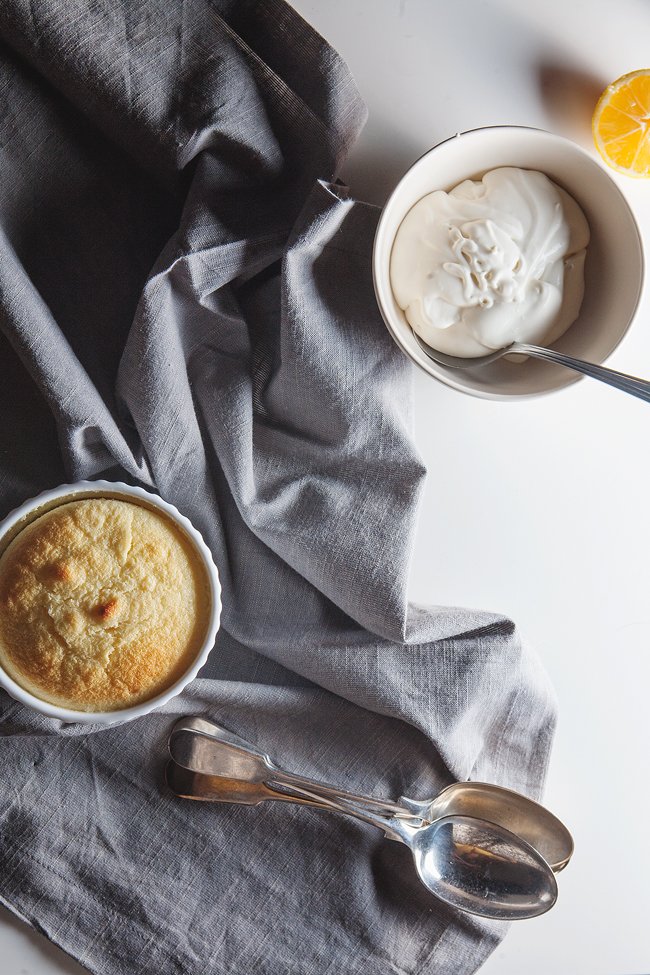
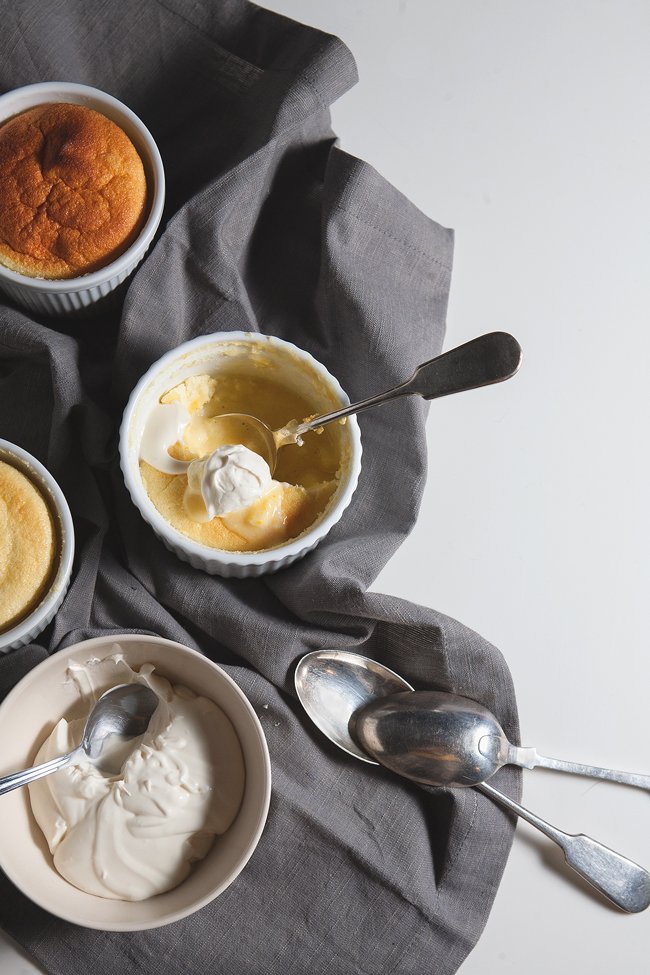
Budino is Italian for pudding, and I’m assuming this recipe is Italian in origin because it comes to us from Craig Stoll, owner of San Francisco’s Delfina. (Oh, SF, any mention of you sends prickles of homesickness down my spine.) What I can tell you is that it’s part souffle, part gooey lemon-y goodness. Especially if it’s countered with a mascarpone whipping cream, which rounds out its fruitiness.
I can also tell you that I love love love Meyer lemons, which I eat, raw, just like oranges, except I cut them in quarters and rip out their flesh with my teeth (kind of like how Chinese people eat oranges—or is this practice more international than I realize?).
I kind of realized along the way (the ‘way’ being the entire circuitous route I’ve taken to learning to bake) that I don’t really care for baked lemon desserts. I’m talking about tarts and pies, and those bar things that people always seem to make a huge fuss over. It’s probably a cultural thing. Chinese people don’t generally cook fruit into desserts, instead, preferring to eat it on its own, so it feels incongruous to pair its freshness and natural-ness with butter, dough, and high temperatures.
But Meyer lemon desserts, they’re in a league of their own. Meyer lemons possess a whole other dimension of floral-ness, a fragrance that reminds me of Asian dessert flavors like green tea and red bean and black sesame. It’s quieter, sweeter, less in-your-face. In fact, I’m rethinking my stance on lemon-y desserts, as long as they’re made with Meyer lemons. I would probably like Meyer-lemon lemon bars, and Meyer-lemon lemon meringue pie, and Meyer-lemon lemon shortbread. I know I like it in this budino.
Hint: it’s wonderful warm and fresh out of the oven, BUT if you give it a chance to sit in the fridge overnight, it is even better the next day. By then, three distinct layers will have formed: the dreamy pudding on the bottom, the feathery sponge cake layer on top, and an incredibly lush cheesecake-like layer in between. It is excellent. Excellent!
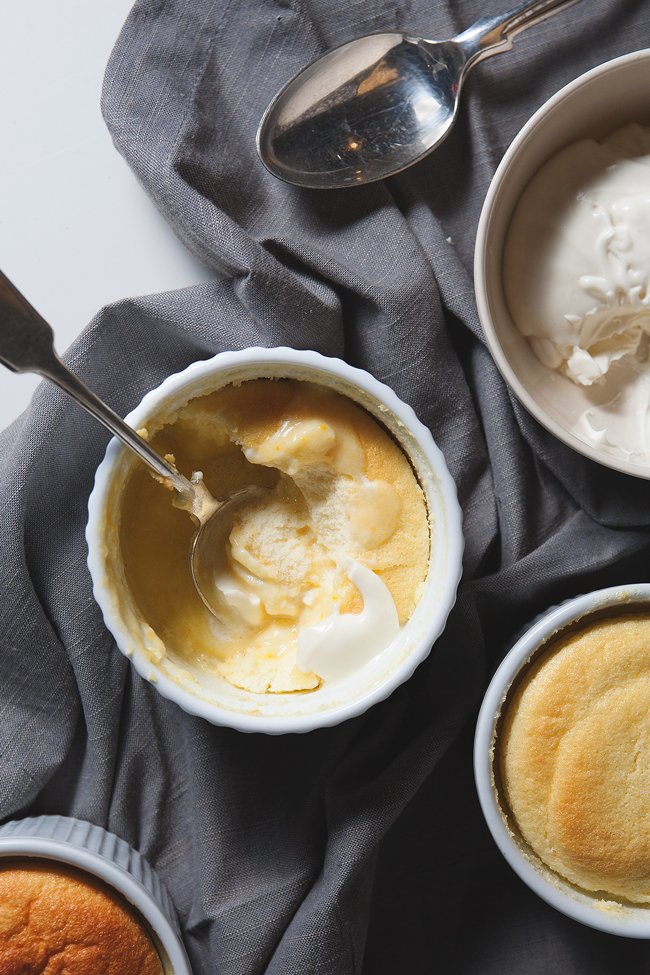
MEYER LEMON BUDINO
Adapted from Delfina, courtesy of Bon Appétit
Serves 4 to 6
Ingredients:
1/2 cup plus 2 Tbsp sugar
3 large eggs, separated
1/4 cup all purpose flour
1/4 cup + 2 Tbsp fresh Meyer lemon juice
2 Tbsp finely grated Meyer lemon peel
3/4 cup plus 2 tablespoons whole milk
1/4 teaspoon salt
For the mascarpone whipped cream:
1/2 cup chilled mascarpone cheese
1/2 cup chilled whipping cream
2 Tbsp sugar
1/2 tsp vanilla extract
Directions:
Preheat oven to 350 degrees F. Butter 4 to 6 ramekins. Combine 1/2 cup sugar, egg yolks, flour, lemon juice, and lemon peel in large bowl; whisk until well blended. Whisk in milk.
Using an electric mixer, beat egg whites and salt in medium bowl until frothy. Gradually add remaining 2 Tbsp sugar and beat until soft peaks form. Fold beaten egg whites into lemon mixture in 2 additions. Divide mixture among prepared custard cups. Place custard cups in roasting pan. Pour enough hot water into roasting pan to come halfway up sides of custard cups. Bake puddings until tops are golden and spring back when lightly touched, about 25 to 30 minutes (keep an eye on them—in some ovens, they’ll bake faster). Remove cups from water and let cool. Serve warm or cold with mascarpone whipped cream, recipe below.
For the mascarpone whipped cream:
Combine the mascarpone, whipping cream, sugar, and vanilla extract. Whisk until thick soft peaks form. Refrigerate for a few hours.
Related Posts


Subscribe for New Racipies
Get mental health tips, updates, and resources delivered to your inbox.