
Are Brussels Sprouts Safe for Acid Reflux?

Medically reviewed by Aneeza Pervez Updated Date: January 2, 2026

Are Brussels Sprouts a Friend or Foe for Acid Reflux?
Brussels sprouts, those miniature cabbage-like vegetables, are packed with nutrients and loved for their health benefits. However, for individuals dealing with acid reflux, the question arises: Are Brussels sprouts safe to include in their diet? While this green veggie is nutrient-rich and versatile, its effects on acid reflux symptoms can vary from person to person.
In this article, we’ll explore the acidity of Brussels sprouts, their nutritional profile, and whether they are a safe choice for those managing acid reflux. Keep reading to find tips on how to enjoy Brussels sprouts without aggravating reflux symptoms.
Understanding Acid Reflux: Causes and Triggers
What Is Acid Reflux?
Acid reflux, or gastroesophageal reflux disease (GERD) when chronic, is a condition where stomach acid flows back into the esophagus. This occurs when the lower esophageal sphincter (LES), a muscle that prevents the backward flow of stomach contents, doesn’t close properly.
Common Symptoms of Acid Reflux:
- Heartburn: A burning sensation in the chest or throat.
- Regurgitation: The sensation of acid or food coming back into the mouth.
- Sour or bitter taste in the throat.
- Chronic cough, hoarseness, or throat discomfort.
Common Dietary Triggers of Acid Reflux
Certain foods and drinks can relax the LES or increase stomach acid production, triggering reflux. These include:
- Acidic foods (e.g., citrus fruits, tomatoes).
- Fatty and fried foods.
- Spicy dishes.
- Caffeine and carbonated beverages.
- Large or heavy meals.
Where do Brussels sprouts fit into this list? Let’s find out.
Author Tip: 7 Kinds of Foods to Avoid with GERD
Are Brussels Sprouts Acidic or Alkaline?
The Acidity of Brussels Sprouts
Brussels sprouts are considered a low-acid food, with a pH level of around 6.0 to 6.8, making them closer to neutral. Unlike acidic foods like citrus or vinegar, Brussels sprouts are unlikely to cause irritation in the esophagus due to their pH level.
Do Brussels Sprouts Trigger Acid Reflux?
While Brussels sprouts are not inherently acidic, they can cause digestive discomfort in some people. This is due to their high fiber and sulfur content, which can produce gas and bloating. For individuals with sensitive digestive systems, these effects might indirectly aggravate acid reflux symptoms.
Related to Read: Are Brussels Sprouts Good for Acid Reflux?
Nutritional Profile of Brussels Sprouts
What Makes Brussels Sprouts a Superfood?
According to the research, brussels sprouts are nutrient-dense, offering a wealth of vitamins, minerals, and antioxidants. Here’s what you get in a one-cup serving (around 88 grams) of cooked Brussels sprouts:
- Calories: 38
- Fiber: 4 grams
- Vitamin C: 124% of the daily recommended intake (DRI)
- Vitamin K: 182% of the DRI
- Folate: 12% of the DRI
- Potassium: 8% of the DRI
Health Benefits of Brussels Sprouts
Following is the list of brussels sprouts health benefits:
- Rich in Antioxidants: The high levels of vitamin C and other antioxidants combat inflammation and promote overall health.
- Supports Digestive Health: The fiber content aids in digestion and promotes regular bowel movements.
- Boosts Immunity: Vitamin C helps strengthen the immune system.
- Promotes Bone Health: Vitamin K is essential for maintaining strong bones and preventing fractures.
- Supports Heart Health: The potassium in Brussels sprouts helps regulate blood pressure and improve heart health.
Are Brussels Sprouts Safe for Acid Reflux Sufferers?
When Brussels Sprouts Might Help Acid Reflux?
- Low Acidity: The pH of Brussels sprouts makes them a safe choice compared to more acidic foods.
- Fiber Benefits: Fiber helps with digestion and may reduce reflux symptoms by preventing overeating.
- Nutrient Density: The vitamins and minerals in Brussels sprouts contribute to overall gut health, which can alleviate acid reflux in the long term.
When Brussels Sprouts Might Aggravate Acid Reflux?
- Gas and Bloating: Brussels sprouts are cruciferous vegetables, meaning they contain raffinose, a complex sugar that can cause gas and bloating. This pressure on the stomach can trigger reflux.
- Overeating: Consuming large portions of Brussels sprouts can cause stomach discomfort, leading to reflux symptoms.
- Preparation Methods: Adding acidic or high-fat toppings, like lemon juice or butter, can make Brussels sprouts less reflux-friendly.
Tips for Eating Brussels Sprouts Safely with Acid Reflux
1. Start with Small Portions
Begin with a small serving (1/2 cup) to see how your body reacts to Brussels sprouts.
2. Cook Thoroughly
Cooking methods like steaming, boiling, or roasting can reduce the gas-producing compounds in Brussels sprouts, making them easier to digest.
3. Avoid Acidic Additions
Skip toppings like lemon juice, vinegar, or spicy seasonings that could aggravate reflux symptoms. Instead, use mild herbs and spices like parsley or thyme.
4. Pair with Alkaline Foods
Combine Brussels sprouts with alkaline foods like quinoa or sweet potatoes to neutralize stomach acid.
Reflux-Friendly Alternatives to Brussels Sprouts
If Brussels sprouts cause discomfort, consider these milder, reflux-friendly vegetables:
1. Zucchini
A low-acid vegetable that’s easy on the stomach and versatile in cooking.
2. Green Beans
Mild and nutritious, green beans are a safe choice for those with acid reflux.
3. Carrots
Slightly sweet and rich in beta-carotene, carrots are unlikely to trigger reflux.
4. Spinach
This leafy green is alkalizing and packed with nutrients, making it a great substitute for Brussels sprouts.
Author Tip: Are Salads Healthy? The Truth About Nutrient-Rich Greens
Lifestyle Tips for Managing Acid Reflux
1. Eat Smaller, Frequent Meals
Large meals can put pressure on the LES, so stick to smaller portions throughout the day.
2. Avoid Eating Late at Night
Finish your meals at least 2-3 hours before bedtime to reduce nighttime reflux.
3. Elevate Your Head While Sleeping
Using a wedge pillow or elevating the head of your bed can prevent acid from flowing back into the esophagus.
4. Maintain a Healthy Weight
Excess weight can increase abdominal pressure, worsening reflux symptoms.
Conclusion: Are Brussels Sprouts Safe for Acid Reflux?
Brussels sprouts are generally safe for acid reflux sufferers due to their low acidity and high nutrient content. They can be a healthy addition to a reflux-friendly diet when consumed in moderation and prepared using gentle cooking methods. However, individuals prone to gas or bloating may need to limit their intake of Brussels sprouts to avoid triggering reflux symptoms.
By listening to your body, making adjustments to portion sizes, and avoiding acidic toppings, you can enjoy the many health benefits of Brussels sprouts without compromising your digestive comfort.
FAQs: Brussels Sprouts and Acid Reflux
Q1: Are Brussels sprouts acidic or alkaline?
Brussels sprouts are mildly acidic with a pH of 6.0 to 6.8, but they are considered low-acid and alkalizing in the body.
Q2: Can Brussels sprouts cause gas and bloating?
Yes, Brussels sprouts contain raffinose, a complex sugar that can produce gas and bloating in some people.
Q3: Are raw Brussels sprouts safe for acid reflux?
Raw Brussels sprouts may be harder to digest and can increase the risk of gas and bloating, potentially triggering reflux. Cooked Brussels sprouts are a safer option.
Q4: How should I prepare Brussels sprouts to make them reflux-friendly?
Steam, boil, or roast Brussels sprouts, and avoid acidic toppings like lemon juice or vinegar.
Q5: What are some reflux-friendly alternatives to Brussels sprouts?
Zucchini, green beans, carrots, and spinach are excellent alternatives for those with sensitive stomachs.
Related Posts



Subscribe for New Racipies
Get mental health tips, updates, and resources delivered to your inbox.
Dark Chocolate Cherry M&M; Cookies



We had an open house over the weekend to bring some more interested buyers into our home and hopefully spark a sale. Prepping the house each time a potential buyer wants to come see it has become a nuisance, but we are keeping out fingers crossed that we will find someone to buy our home. So I didn’t have much time for baking, but I was in the mood for something chocolaty and I found a bag of Cherry M&M’s at Target the other day that I have been dying to try. Chocolate and cherry cookies seemed like a great idea.
I do like cherry flavored food, and dark cherries, but I do not like maraschino cherries. And what I detest the most is a finding one inside a perfectly good piece of chocolate. Yuck!
I did try the M&M’s before baking and they were quite good. I thought they would pair well with a deep dark chocolate cookie, so I substituted Hershey’s Dark Cocoa for regular cocoa in the original recipe.

I am quite happy with my decision. These cookies are so rich and flavorful. I couldn’t stop eating them. These are intense cookies. Eat at your own risk (of not being able to stop). If you feel like sharing, these would be a great Valentine’s gift.
Dark Chocolate Cherry M&M Cookies
by The Sweet Chick
Prep Time: 15 minutes
Cook Time: 10-12 minutes
Keywords: bake dessert snack dark chocolate cherry cookie American
Ingredients (24 cookies)
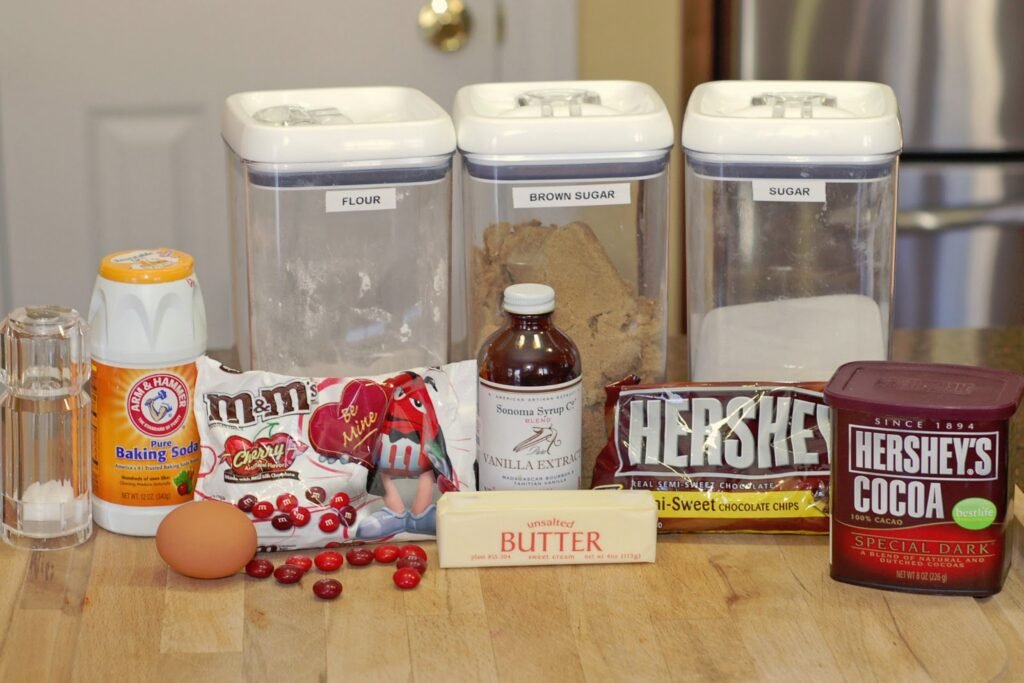
- 1/2 + 2/3 cups semi-sweet chocolate chips
- 1 cup all purpose flour
- 1/4 cup Hershey’s Dark Cocoa
- 1 teaspoon baking soda
- 1/2 teaspoon salt
- 1/2 cup (1 stick) butter, softened
- 1/2 cup light brown sugar
- 1/4 cup granulated sugar
- 1 large egg
- 1 teaspoon vanilla
- 1 cup Cherry M&M candies
Instructions
Preheat oven to 325º F.
Place 2/3 cups chocolate chips in a glass container and microwave at 30 second intervals until fully melted, stirring in between. Set aside.
In a stand mixer combine flour, cocoa, baking soda and salt. Mix on low until well blended.
Add butter and sugars and mix for 1 minute.
Pour in the melted chocolate, then add egg and vanilla and mix well.
Add the remaining 1/2 cup chocolate chips and mix on low until fully incorporated.
Then add the M&M’s and mix by hand as not to break the candies.
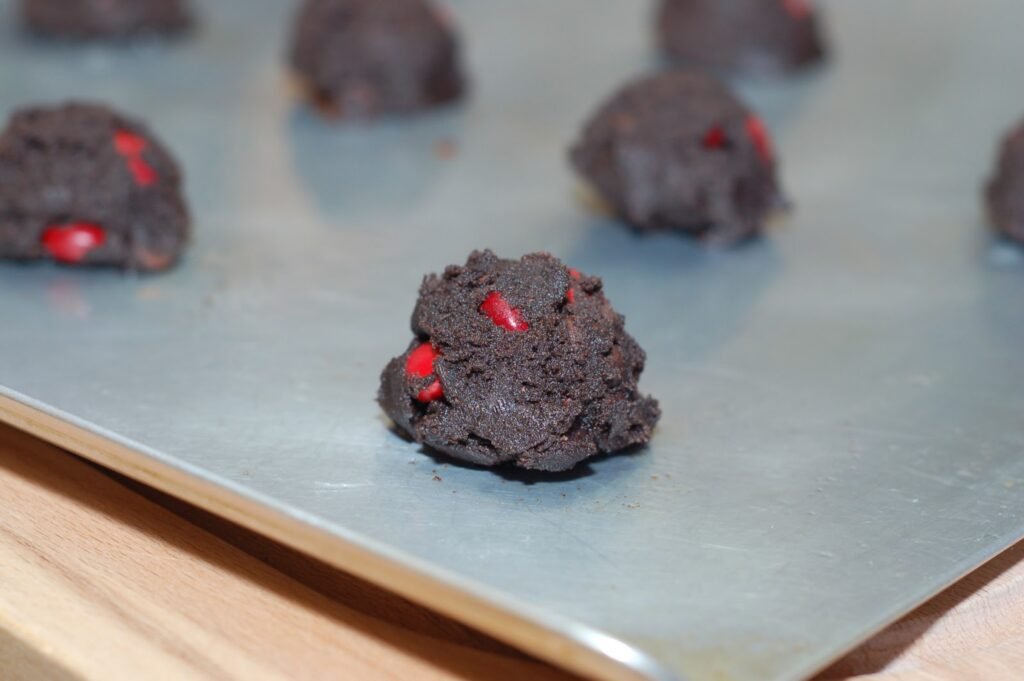
Place by cookie scoop full on greased baking sheets about 2 inches apart.
Bake at 325º F for 10-12 minutes or until the tops have cracked and a tooth pick inserted in the middle comes out with moist crumbs.
Place cookies on cooling rack and let cool completely.
Then enjoy with a nice tall glass of milk!
Related Posts






Subscribe for New Racipies
Get mental health tips, updates, and resources delivered to your inbox.