
Are Quest Bars Healthy? Expert Insights and Nutrition Analysis

Medically reviewed by Christiana George Updated Date: January 4, 2026
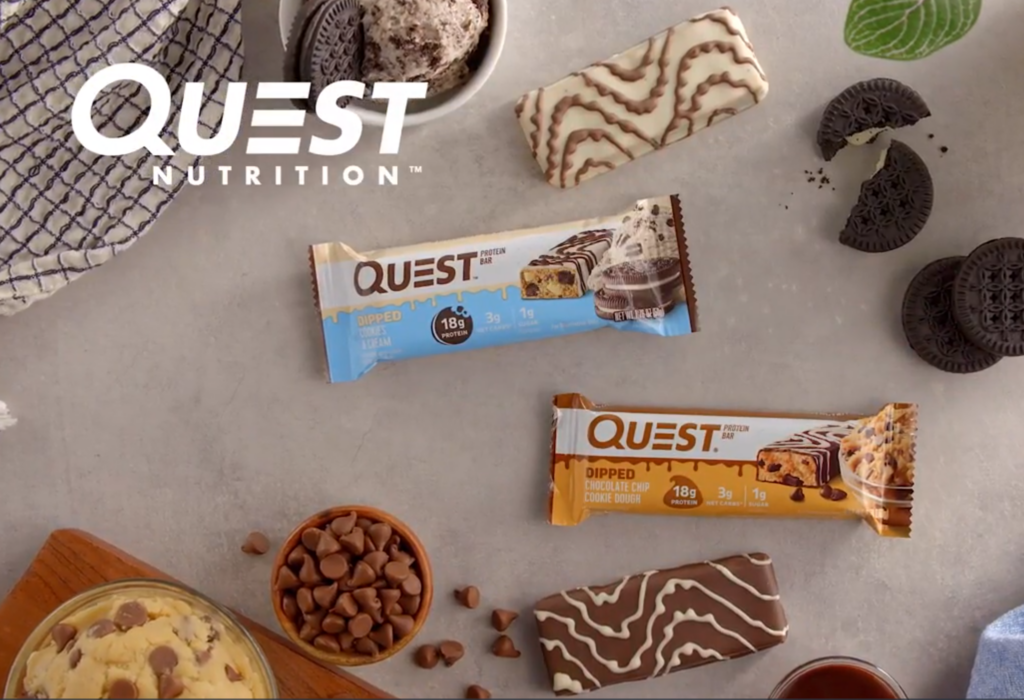
“A pocket full of crunchy flavor goodness – Quest Bars – the love of every gym goer.”
Quest Bars have been extremely popular over the past several years. But they have also received their fair share of criticism and controversy. In particular, some people have claimed that Quest Bars are unhealthy and high in calories, while others say they’re safe to eat as long as you don’t eat too many of them at once.
So, what’s actually correct – are quest bars healthy or unhealthy?
Quest bars can be healthy with a balanced diet and workout. They’re popular bars among dieters and fitness enthusiasts alike because they are high in protein and fiber, low in sugar, and taste amazing. Although there are insignificant nutritional values, the bars don’t have anything harmful either.
Read on to learn more about how Quest Bars work and whether or not they’re good for you!
Related Article: Are Waffles Healthy? Exploring Expert Insights for Nutritious Choices
Are Quest Bars Healthy? (According to their Nutritional Value)

The new protein revolution, Quest Bars are the new leading light of athletes and gym goers. Low in carbs and high in protein indeed make them favored by many.
Starting with a few flavors, Quest Bars has come of age with 20 different flavors now. They come in four variations- the protein bar, mini protein bar, snack bars, and hero bars. These categories indeed meet everyone’s taste buds and needs.
But there’s also a debated question – are they really healthy?
The answer is not as clear-cut as you might think.
First, let us see why Quest Bars might be an ideal snack for you.
| Quest Bar Flavor | Calories | Fat | Saturated Fat | Sodium | Carbohydrates | Dietary Fiber | Sugars | Protein |
| Chocolate Brownie Chunk | 200 | 11g | 7g | 260mg | 18g | 12g | 1g | 21g |
| Chocolate Chip Cookie Dough | 200 | 11g | 7g | 260mg | 18g | 12g | 1g | 21g |
| Cookies and Cream | 200 | 11g | 7g | 260mg | 18g | 12g | 1g | 21g |
| Double Chocolate Chunk | 200 | 11g | 7g | 260mg | 18g | 12g | 1g | 21g |
| Lemon Cake | 200 | 11g | 7g | 260mg | 18g | 12g | 1g | 21g |
| Mint Chocolate Chunk | 200 | 11g | 7g | 260mg | 18g | 12g | 1g | 21g |
| Peanut Butter | 200 | 11g | 7g | 260mg | 18g | 12g | 1g | 21g |
| S’mores | 200 | 11g | 7g | 260mg | 18g | 12g | 1g | 21g |
| Strawberry Cheesecake | 200 | 11g | 7g | 260mg | 18g | 12g | 1g | 21g |
| Vanilla Chai | 200 | 11g | 7g | 260mg | 18g | 12g | 1g | 21g |
| White Chocolate Raspberry | 200 | 11g | 7g | 260mg | 18g | 12g | 1g | 21g |
Low Sugar Content
While some might think that all bars are loaded with sugar, that’s not the case with Quest bars. In fact, Quest bars contain very little sugar- only 1-2 grams per bar.
However, most of their sugar content comes from artificial low-calorie sweeteners like sucralose or allulose to sweeten up the bars. It is what takes up most of the calorie content in a bar.
But the good news is that no study has proven a negative correlation between sucralose and the human body. It won’t harm your body or even won’t spike your blood sugar levels.
| Quest Bars | Sugar Content |
| Protein bar (1 bar) | 1 g |
| Mini protein bar | Less than 1 gram |
| Snack bar | 1 g |
| Hero bar | 1 g |
High Protein Content
Yes, Quest bars are high in protein. In fact, most of their calories come from protein. It is good news for people looking to build muscle or lose weight, as protein can help with both goals. However, if you don’t have any physical activity, you should watch out for any high protein consumption.
| Quest Bars | Protein Content |
| Protein bar (1 bar) | 21 g |
| Mini protein bar | 8 g |
| Snack bar | 10 g |
| Hero bar | 20 g |
Sufficient Carb Content
Quest bars are pretty high in carbs. One protein bar has 21 grams of carbs, which is about a quarter of the recommended daily intake for most people. Most of those carbs come from fiber, which is a positive side, but there are still some net carbs. Surprisingly, those net carbs are from nuts and not from sugar!
You may want to avoid these high-carb bars if you are on a keto diet.
| Quest Bars | Carbs Content |
| Protein bar (1 bar) | 21 g |
| Mini protein bar | 8 g |
| Snack bar | 14 g |
| Hero bar | 18 g |
More Fiber Content
Dietary fiber is an essential nutrient most people don’t get enough of. Quest bars are a good source of fiber (soluble corn fiber), with around 20% of the Daily Value in each bar. That means if you’re eating three bars daily, you’ll get about 60% of your DVs for fiber!
However, eating more than one quest bar a day (or 2 for the minis) is not recommended, or you may over consume calories, protein, and net carbs.
One thing to remember is that this doesn’t mean they’re all going to provide you with the same amount of fiber, as shown in the chart below.
| Quest Bars | Fiber Content |
| Protein bar (1 bar) | 14 g (56% of DV) |
| Mini protein bar | 4 g (14% of DV) |
| Snack bar | 7 g (25% of DV) |
| Hero bar | 5 g (18% of DV) |
Related Article: Are Nature Valley Bars Healthy? Expert Analysis & Nutritional Insights
Drawbacks of Quest Bars
You’ve seen the ads. The Quest Bar, they say, Is the #1 Protein Bar on the Market! However, some valid drawbacks of the bars might make you think twice before consuming Quest Bars.
High in Saturated Fat
If you’re like most people, you probably think of quest bars as a healthy snack option. After all, they’re packed with protein and fiber and low in sugar. But quest bars are also high in saturated fat. And even though saturated fat is not quite as bad for your heart health as trans fats or polyunsaturated fats, it’s still not great for your heart.
| Quest Bars | Fat Content |
| Protein bar (1 bar) | 3 g (15% of DV) |
| Mini protein bar | 1 g (5% of DV) |
| Snack bar | 4.5 g (23% of DV) |
| Hero bar | 7 g (35% of DV) |
Contains Palm Oil
You may have seen quest bars in the store and wondered if they were really as healthy as they claim to be. After all, they are made from palm oil, which has been linked to some health concerns. It turns out that it’s not that simple.
There is both good and bad news when it comes to this ingredient. Palm oil contains saturated fat, but saturated fat isn’t a demon you should avoid at all costs.
Who Should Avoid Eating Quest Bars
It’s true Quest Bars doesn’t cause serious harm to your health; people with certain preferences and health conditions should stay away from them.
Vegans
Quest bars are not vegan-friendly as they contain milk protein as their primary ingredient. Unfortunately, there are no vegan options in their range as well.
Allergic Reactions
If you look closely at the ingredient list, all the quest bars contain some or different kinds of nuts, which makes up for their net carbs. So, if you are allergic to nuts, you may want to refrain from these bars.
There are other allergic ingredients like soy, whey, wheat, and sesame seeds in the bars as well.
Calories Counters
Quest bars are calorie-rich. Although it is not something insane, if you’re someone who counts calories, you may not want to munch over a full quest bar.
Related Article: Are Nutri Grain Bars Healthy? Expert Insights and Nutrition Analysis
Healthy Ways to Add Quest Bars to The Diet
If you’re looking for a nutritious snack to help you maintain or lose weight, Quest Bars are a great option. Here are five ways to incorporate them into your diet.
- Before breakfast, as a pre-workout snack- the healthy carb content in the bars will help to provide energy for the workout.
- Lunch or dinner replacement- the high protein and fiber content in a single bar will fill you up quickly. Make sure you don’t go over the board with them; one full-sized bar is good to go.
- Afternoon pick-me-up- looking for a healthy, quick afternoon snack to suppress the hunger till dinner? Grab a quest bar.
- On-the-go healthy dessert- whether a chocolate peanut butter or vanilla almond crunch, the delicious flavors are quest bars are great for a quick dessert after a meal.
- You can also mix your protein shake with a quest bar if you want an extra sweet flavor with low calories.
FAQs
Are quest bars healthy for weight loss?
If you’re looking for a quick and easy snack that will help you stay on track with your weight loss goals, quest bars are a great option. They’re high in protein and fiber and low in sugar and calories, making them a nutritious choice. However, you should also keep an eye on your other meals for weight loss.
Are quest bars keto?
The answer is a little complicated if you’re wondering whether quest bars are keto. While quest bars have some keto-friendly ingredients, they also contain sugar alcohols (erythritol) and other carbohydrates that could kick you out of ketosis.
As such, eating them in moderation while following a strict ketogenic diet or consulting with your dietician is essential.
What do quest bars taste like?
There is no specific answer to this question because there are several varieties of flavors for these bars. For example, their top favorite Cookies and Cream taste almost like Oreo, and Choc Sprinkled Doughnut offers milk, dark chocolate, and buttery pastry delight.
On the other hand, their Strawberry Cheesecake used to have a slightly sour but sweet taste of cheese, almond, and strawberry.
I had their chocolate peanut butter- the taste I got was a chocolaty peanut butter bar!
How many quest bars to eat in a day?
With 20 grams of protein and only 1-2 grams of sugar, Quest Bars are popular for health-conscious snackers. An average adult can consume one full-size quest bar per day that would provide a maximum of their daily fiber, protein, and carbohydrate value.
Final Thought
With variation, taste, and nutrients, Quest Bars are popular among health enthusiasts. They are popular for providing people with a low-sugar, low-carb, high-protein delight. But are Quest Bars healthy in real life?
Well, Quest Bars are healthier than most of the so-called healthy bars in the market. With the right food pairing, they can add great value to your healthy living journey.
However, remember – moderation is always smarter with Quest Bars.
Related Posts

Subscribe for New Racipies
Get mental health tips, updates, and resources delivered to your inbox.
How Much Caffeine Is in a White Monster? Full Breakdown by Size, Ultra & Zero Sugar (2026 Guide)

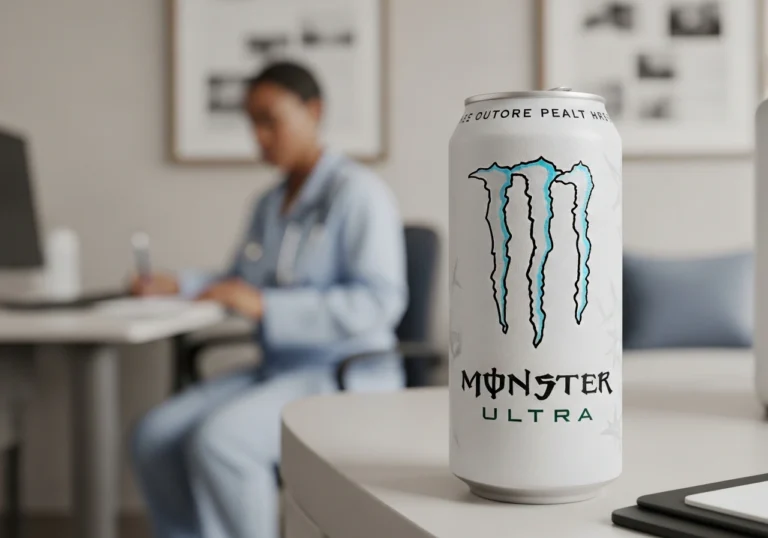
A 16 fl oz can of White Monster (Monster Energy Ultra White) contains approximately 150 mg of caffeine. That’s comparable to a strong cup of coffee but packed with other stimulants. Since individual tolerance varies, monitor your intake—especially if you’re sensitive to caffeine or consuming other caffeinated products. Always check the label for the most accurate, up-to-date information.
As a food blogger with a strong interest in nutrition and healthier beverage choices, I often hear readers ask, “How much caffeine is in a White Monster?” It’s a common question, especially from people who rely on energy drinks to power through long workdays without realizing how much caffeine they’re actually consuming.
Recently, a reader shared that they were dealing with poor sleep, anxiety, and occasional heart-racing episodes during busy overnight shifts. After taking a closer look at their routine, they realized their favorite silver-and-white can of Monster Energy was a regular part of the problem.
Like many people, they assumed a “zero sugar” energy drink was a smarter option, but caffeine content can still have a major impact on sleep, stress levels, and overall energy balance. However, caffeine content—not just sugar—is a major factor when evaluating how these beverages affect your health, according to guidance from the FDA on caffeine consumption.
Understanding exactly how much caffeine is in different White Monster varieties can help you make safer decisions, especially if you are sensitive to stimulants or have underlying health concerns. For more details, see our guide on White Monster caffeine content.
In this guide, I’ll break down the caffeine content across different can sizes, compare Ultra and Zero Sugar versions, and explain how these ingredients may impact your sleep, heart health, and overall energy levels.
TL;DR:
- A standard 16 oz White Monster (Ultra White): similar to a strong cup of coffee but packed with other stimulants.
- Caffeine varies by size: 8.4 oz (~90 mg), 12 oz (~120 mg), 24 oz (~240 mg)—always check the label before you drink.
- Zero sugar doesn’t mean risk-free: While Ultra White cuts calories, high caffeine, taurine, and B vitamins may still trigger jitters, anxiety, or sleep disruption.
- Stay under the 400 mg daily caffeine limit recommended by the FDA for healthy adults—and remember: teens, pregnant individuals, and caffeine-sensitive people should consume far less.
- MD takeaway: White Monster can fit occasional use, but don’t treat it like water. Hydrate first, monitor your total daily caffeine, and consult your doctor if you have heart conditions or take medications.
What Is White Monster Energy Drink?
The “White Monster” is officially known as Monster Energy Ultra, or Ultra White. Introduced as a lighter, more refreshing alternative to the heavy, syrupy original formulas, it quickly became a staple in the fitness and corporate worlds. It features a crisp, lightly carbonated citrus flavor.
The core appeal of the White Monster drink nutrition facts is its sugar-free formula. It targets consumers who want sustained energy without the heavy caloric load or the dreaded afternoon sugar crash. By using artificial sweeteners, it maintains a highly palatable taste profile.
As an expert in dietary wellness, I often see patients substitute their morning coffee for a Monster white can. They appreciate the added B vitamins and amino acids like taurine. However, understanding what is actually inside that frosted white can is the first step toward responsible consumption. For comparison, explore our analysis of whether coffee is acidic.
How Much Caffeine Is in a White Monster?
When patients ask me how many mg of caffeine are in a White Monster, the standard answer revolves around the most common retail size. A traditional 16-ounce (473 ml) can of White Monster Energy drink contains exactly 150 milligrams of caffeine, as confirmed by Major Components of Energy Drinks.
This formulation is highly intentional by the manufacturer. The 150 mg threshold provides a significant stimulant effect without immediately crossing into the extreme territories seen in high-performance pre-workouts. It is standardized across the majority of the Monster Ultra line.
Interestingly, this is slightly less than the original green-branded Monster Energy, which typically sits at 160 mg per 16 ounces. The slightly reduced caffeine content, combined with the lack of sugar, gives users what they frequently describe as “cleaner” energy. Learn more about Monster Zero Sugar caffeine levels.
White Monster Caffeine by Can Size
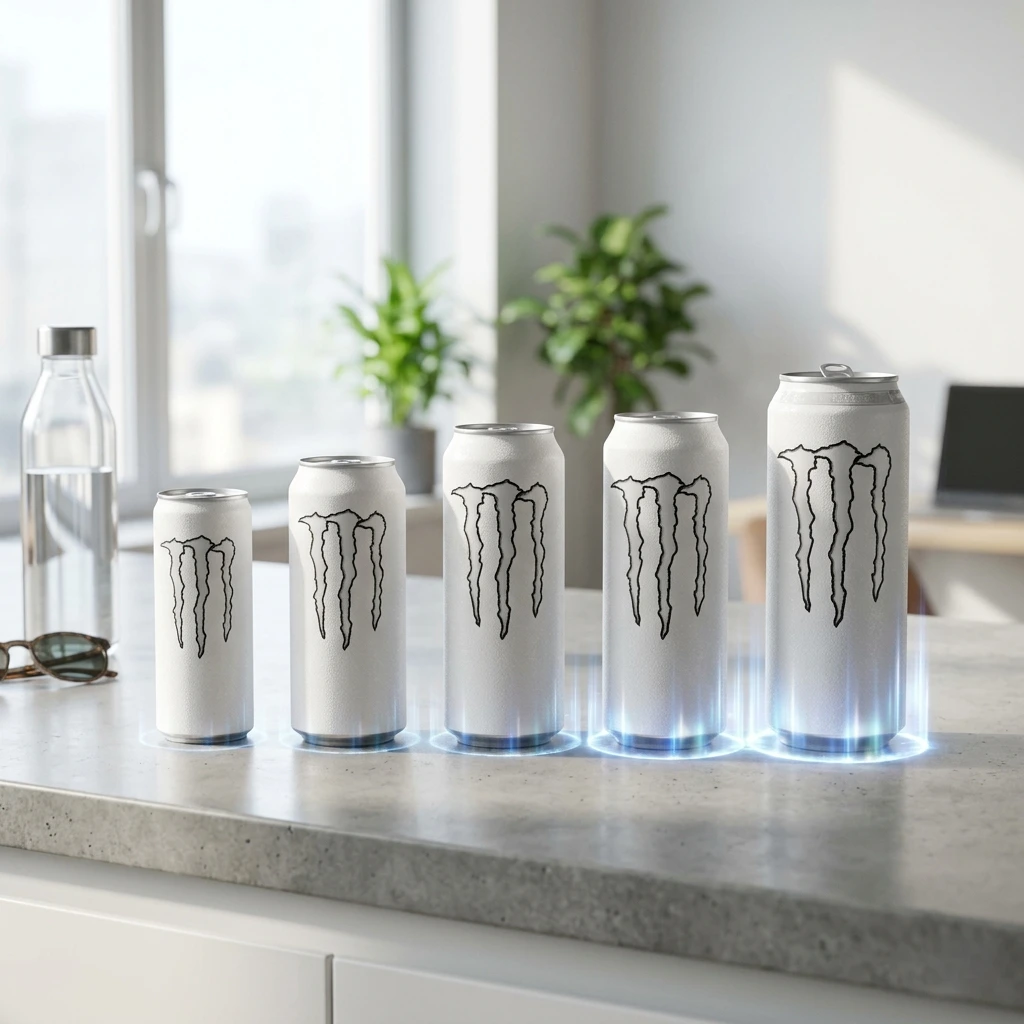
Understanding the exact caffeine dosage requires looking at the volume you are consuming. The 150 mg baseline only applies to the standard pint-sized can. Here is the full breakdown for every size variation currently on the market.
12 oz White Monster Can
The smaller, 12-ounce sleek cans are becoming increasingly popular in multipacks and office vending machines. Scaling the formula down, a 12-oz White Monster contains approximately 112 to 115 mg of caffeine. This is roughly equivalent to a standard mug of home-brewed coffee.
16 oz White Monster Standard Can
As mentioned, the 16-oz white Monster is the flagship size found in most gas stations and grocery stores. It contains exactly 150 mg of caffeine. This is the baseline measurement you should use when calculating your daily intake limits. For precise tracking, try our caffeine calculator.
19.2 oz White Monster Tallboy
Often found in convenience stores for immediate consumption, the 19.2-ounce cans offer a slightly larger volume for long road trips. Because the formula remains consistent per ounce, this size yields approximately 180 mg of caffeine per can.
500ml White Monster European Can
International labeling and manufacturing often result in slight volume differences. The 500ml White Monster caffeine content is roughly 150 to 160 mg, depending on regional formulation laws. Always check the back label if you are purchasing these abroad.
24 oz White Monster Mega Can
The massive 24-ounce “Mega” cans come with a resealable cap and are designed for prolonged consumption. A full 24-oz White Monster contains a potent 225 mg of caffeine. I strictly advise my patients against consuming this entire volume in a single, rapid sitting.
White Monster Ultra vs Zero Sugar vs Energy
Consumers often get confused by the branding, asking me about the differences between Ultra, Zero, and the standard lines. All “White Monster” names generally refer to the exact same product: Monster Energy Ultra White.
When people ask how much caffeine is in a White Monster Ultra, the answer is the standard 150 mg per 16 oz. The “Ultra” designation simply denotes Monster’s flagship zero-sugar product line.
Similarly, if you are looking up White Monster Caffeine Zero Sugar Monster, you are looking at the same formula. There is no separate “White Monster Zero” that differs from “Ultra White.” The lack of sugar does not alter the caffeine content; it simply changes the caloric footprint.
How Much Caffeine Is in Monster Energy Overall?
To put the Ultra line into perspective, it helps to compare it against the broader energy drink market. The Monster Energy drink caffeine amount varies significantly depending on the specific product family you pull from the shelf.
The original Green Monster Energy contains 160 mg of caffeine per 16 oz, making it slightly stronger than the White version. Other variations, like the Monster Rehab line (tea-based), also hover around the 160 mg mark.
Meanwhile, extreme performance lines like Monster Reign or Java Monster 300 push the limits to 300 mg per can. Compared to these high-stimulant alternatives, the 150 mg in the White Monster is relatively moderate. For broader comparisons, see our guide on energy drinks with the most caffeine.
How Does Caffeine Work in White Monster?
I always make it a point to explain why a drink makes you feel alert. How does caffeine work in White Monster specifically? It acts primarily as a central nervous system (CNS) stimulant, as explained by the National Institutes of Health research on caffeine mechanisms.
Once absorbed, caffeine travels to your brain and blocks adenosine receptors. Adenosine is a neurotransmitter that builds up throughout the day, signaling to your body that it is time to sleep. By blocking these receptors, the White Monster prevents you from feeling fatigued.
Furthermore, the liquid form and carbonation of the drink allow for rapid gastric emptying. This means the caffeine hits your bloodstream faster than a solid supplement would.
When users feel a “cleaner energy” in White Monster, it is due to this rapid adenosine blocking combined with the zero-sugar formula, preventing a subsequent glucose crash.
Is 140–150 mg of caffeine a lot?
Context is everything when discussing stimulants. Is 140 mg of caffeine a lot? For the average, healthy adult, it is a moderate and safe dose. The FDA advises that healthy adults can safely consume up to 400 mg of caffeine per day.
Therefore, one 16-oz White Monster (150 mg) puts you at less than half of your safe daily limit. However, if you are smaller in stature, sensitive to stimulants, or have underlying cardiovascular conditions, 150 mg delivered rapidly can certainly induce jitters, according to the American Heart Association’s guidance on stimulants.
To visualize this, consider that a standard 8-ounce cup of home-brewed coffee contains about 80 to 100 mg of caffeine. Drinking one standard White Monster is roughly equivalent to drinking a cup and a half of coffee in one sitting. For personalized calculations, use our caffeine calculator by weight and age.
White Monster vs Coffee
Many of my patients attempt to switch from coffee to energy drinks, or vice versa. When evaluating White Monster caffeine vs. coffee, it is important to look beyond just the raw milligram numbers. The delivery mechanisms are vastly different.
| Feature | White Monster Ultra (16 oz) | Black Coffee (16 oz) |
|---|---|---|
| Caffeine Strength | 150 mg | 160–200 mg |
| Absorption Speed | Very Fast (Carbonated liquid) | Moderate (Warm, non-carbonated) |
| Sugar/Sweeteners | Erythritol, Sucralose (0 Sugar) | None (unless added) |
| Energy Crash Effect | Minimal (Zero sugar) | Minimal (No sugar) |
| Additional Actives | Taurine, B-Vitamins, Ginseng | Natural Antioxidants |
Data compiled from Mayo Clinic’s caffeine content database.
Coffee has a slightly slower metabolic release. Energy drinks feel faster and more intense due to the carbonation, cold temperature, and the synergistic effects of added ingredients like taurine and B vitamins. For more comparisons, see our Starbucks caffeine content guide.
White Monster Nutrition Facts
Evaluating the White Monster Energy nutrition facts reveals why it is favored by fitness enthusiasts. The entire 16-ounce can contains only 10 calories, making it virtually negligible for daily caloric tracking.
It contains 0 grams of sugar, relying instead on sucralose and erythritol for its sweet flavor. While these non-nutritive sweeteners are FDA-approved, I always remind my patients to consume them in moderation to avoid potential gastrointestinal upset, per the CDC’s guidance on artificial sweeteners.
The beverage is also fortified with a “Monster Energy Blend.” This includes L-carnitine, caffeine, guarana extract, and Panax ginseng extract. It also provides heavy doses of B vitamins (niacin, B6, B12, and pantothenic acid), which aid in cellular energy metabolism.
Benefits of White Monster Energy Drink
When consumed responsibly, there are notable White Monster energy drink benefits. The most obvious is the fast, reliable energy boost that can help you power through a morning shift or an intense workout session.
Because it is a zero-sugar alternative, it is highly suitable for individuals managing their carbohydrate intake, such as those on ketogenic diets. It provides the psychological satisfaction of a sweet, carbonated beverage without spiking blood glucose levels.
Additionally, the inclusion of taurine and caffeine has been shown in various sports science studies to support physical endurance and mental alertness, according to research published in the Journal of the International Society of Sports Nutrition. It can enhance focus during repetitive or tedious tasks.
Caffeine Risks and Safe Intake Guidelines
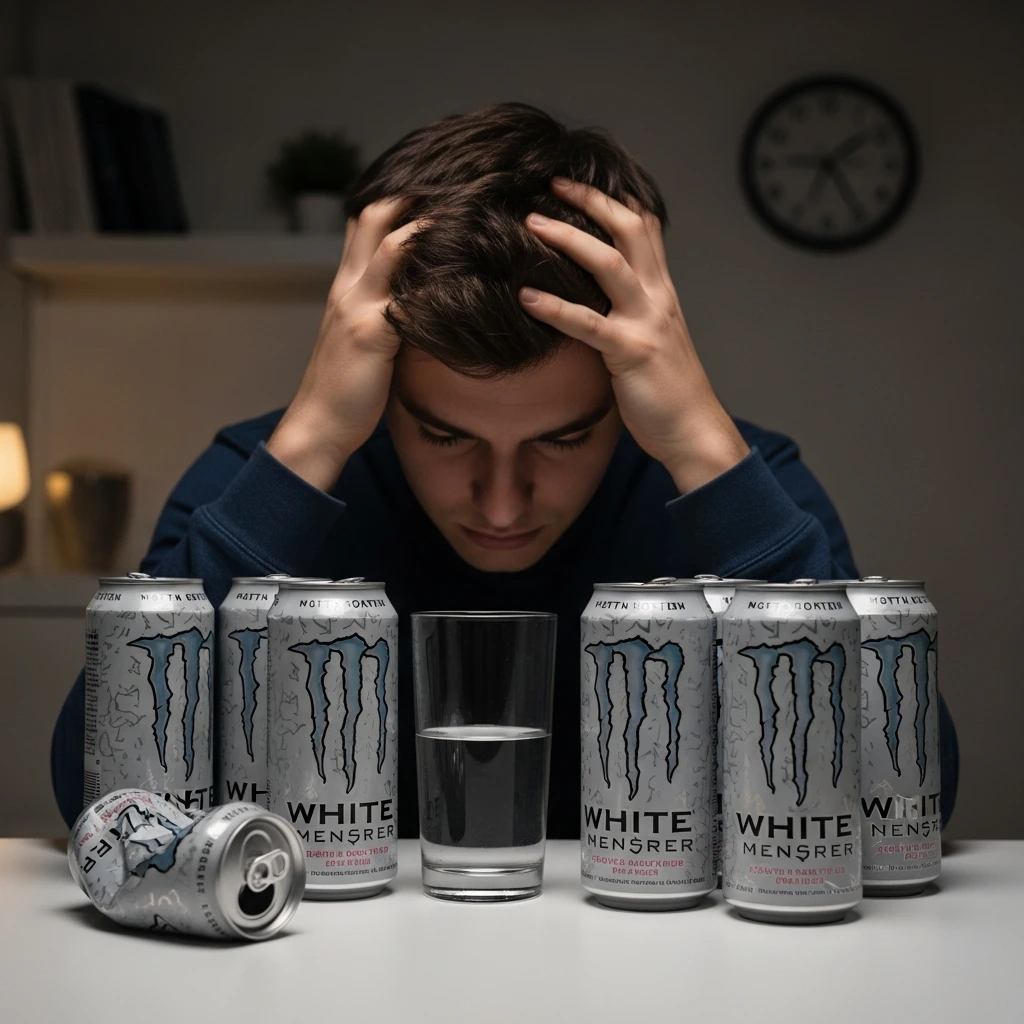
Despite the benefits, we must address safety. Exceeding the recommended Monster Energy drink caffeine amount can lead to unpleasant and potentially harmful side effects. Jitteriness, anxiety, and a rapid heart rate are common signs of overconsumption, as noted by WebMD’s energy drink safety guide.
Sleep disruption is another major concern in my clinic. Caffeine has a half-life of roughly 5 to 6 hours. If you consume a 150 mg White Monster at 4:00 PM, you may still have 75 mg actively circulating in your system at 10:00 PM, severely delaying your REM sleep onset, according to the Sleep Foundation’s caffeine and sleep research.
Regional Variations
For my patients who travel, it is vital to know that labels change internationally. If you browse forums looking for White Monster caffeine Reddit discussions, you will find users confused by European versus American cans.
In the United States, caffeine content is standardized at 150 mg per 16 oz. However, in regions like the UK and EU, strict regulations on the White Monster caffeine per 100 ml dictate formulation limits. European cans often top out at 32 mg of caffeine per 100 ml.
This means a European 500ml can will have exactly 160 mg of caffeine. Always read the localized nutritional panel when buying energy drinks internationally, as local food safety agencies require precise milligram declarations. For more international comparisons, see our Red Bull caffeine content analysis.
Frequently Asked Questions
How much caffeine is in a White Monster Energy drink?
A standard 16-ounce White Monster (Ultra White) contains exactly 150 mg of caffeine. That’s the baseline across the U.S. for this formula. Smaller 12-oz cans have about 112 mg; Mega 24-oz cans pack roughly 225 mg. Always check the label—formulas can vary. Track your total daily intake to stay within safe limits.
Is White Monster stronger than coffee?
Not usually. A 16-oz White Monster has 150 mg caffeine. The same size of strong drip coffee often contains 160–200 mg. But coffee strength varies widely by brew method. Energy drinks deliver caffeine faster due to carbonation and added ingredients. Compare labels, not assumptions. Your tolerance and timing matter more than the source.
Does White Monster Zero have caffeine?
Yes—”White Monster Zero” (Monster Energy Ultra) contains 150 mg caffeine per 16-oz can. The “zero” refers to sugar, not stimulants. All Ultra line flavors share this caffeine baseline. If you’re avoiding caffeine, this isn’t the pick. If you’re watching sugar but want energy, it fits—just track your total daily intake wisely.
How much caffeine is too much per day?
For most healthy adults, the FDA suggests staying under 400 mg daily. That’s roughly two 16-oz White Monsters—or one plus a cup of coffee. Exceeding this may trigger anxiety, jitters, or sleep issues. Sensitivity varies: pregnant individuals, teens, or those with heart conditions need lower limits. When in doubt, less is more.
Is White Monster safe daily?
One 16-oz White Monster (150 mg caffeine) fits safely within daily limits for most healthy adults. But “safe” depends on your full intake: coffee, tea, meds, or pre-workouts add up. If you have heart concerns, anxiety, or sleep issues, discuss with your provider. Hydrate well. Listen to your body. Moderation, not elimination, drives sustainable energy.
Conclusion
Understanding exactly how much caffeine is in a white monster is an essential part of responsible dietary management. Whether you are sipping a sleek 12 oz can or nursing a 24 oz Mega can, knowing the precise milligram count empowers you to control your energy levels without compromising your sleep or heart health.
As a food blogger, I appreciate the zero-sugar profile of the Monster Ultra line, as it prevents the metabolic rollercoaster of a heavy sugar crash. At 150 mg per 16 oz serving, it sits comfortably in the moderate stimulant range.
Treat it like a tool in your productivity arsenal: use it purposefully, track your daily intake, and always prioritize long-term metabolic health over short-term energy fixes. For additional beverage comparisons, explore our guides on Celsius caffeine content and whether decaf coffee has caffeine.
Authoritative References
- FDA on caffeine consumption. https://www.fda.gov/consumers/consumer-updates/spilling-beans-how-much-caffeine-too-much
- PubMed Central. Major Components of Energy Drinks. https://pmc.ncbi.nlm.nih.gov/articles/PMC3674721/
- National Institutes of Health research on caffeine mechanisms. https://pmc.ncbi.nlm.nih.gov/articles/PMC4462044/
- American Heart Association’s guidance on stimulants. https://www.heart.org/en/news/2022/08/08/is-caffeine-a-friend-or-foe
- Mayo Clinic’s caffeine content database. https://www.mayoclinic.org/healthy-lifestyle/nutrition-and-healthy-eating/in-depth/caffeine/art-20045678
- CDC’s guidance on artificial sweeteners https://www.cdc.gov/pcd/issues/2020/19_0108.htm
- Journal of the International Society of Sports Nutrition research https://link.springer.com/article/10.1186/s12970-018-0218-y
- WebMD’s energy drink safety guide https://www.webmd.com/parenting/video/cm/video-fit-energy-and-sports-drinks
- Sleep Foundation’s caffeine and sleep research https://www.sleepfoundation.org/nutrition/caffeine-and-sleep
- Harvard T.H. Chan School of Public Health on caffeine https://nutritionsource.hsph.harvard.edu/caffeine/
Related Posts
Subscribe for New Racipies
Get mental health tips, updates, and resources delivered to your inbox.